Comment “COURSE” to start creating with AI today💥
I teach how to create hyper-realistic AI visuals from scratch and turn them into cinematic content that actually performs.
Inside my course, you learn the full system step by step: ideation, advanced prompting, animation, refinement, and final delivery.
This is the exact professional workflow I use when working with leading AI companies, global brands, and top creators.
If you want to master AI visuals, build a real portfolio, and unlock real monetization opportunities, this is where you start.
#ai #aiart #aicourse #klingai #higgsfieldai
How dreamfall.art Made This Glowy Skin Beauty AI Video — and How to Recreate It
This page is a practical blueprint for a high-performing beauty format: a tight face-first hook, a picture-in-picture reaction,
a quick behind-the-scenes credibility cut (makeup table + lights), and a warm “final talk” scene that feels premium.
Case Snapshot
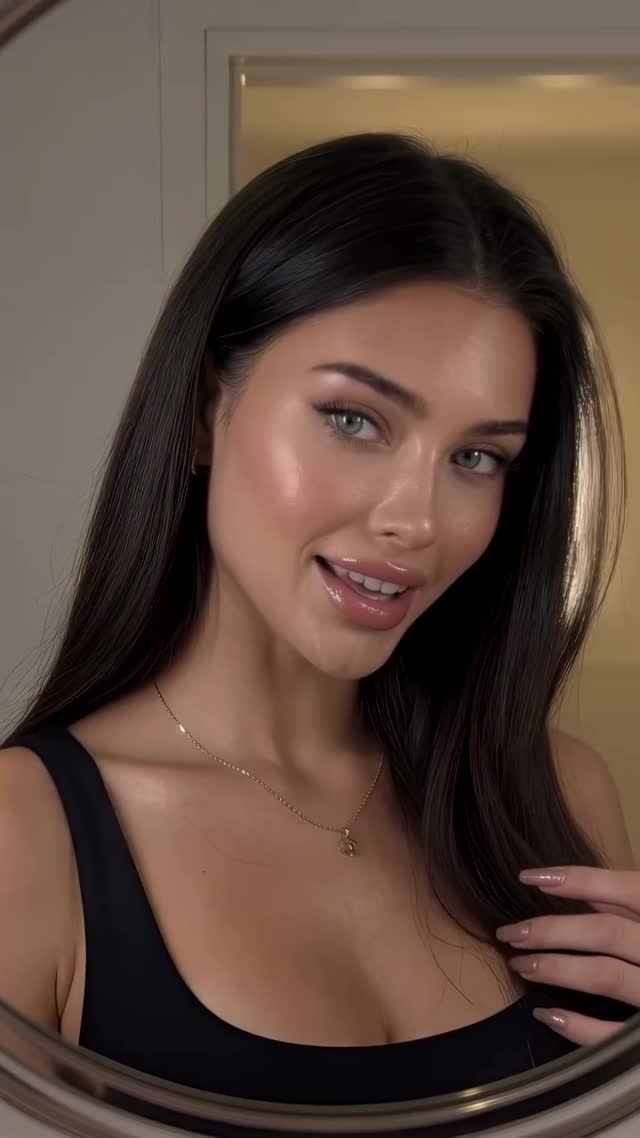
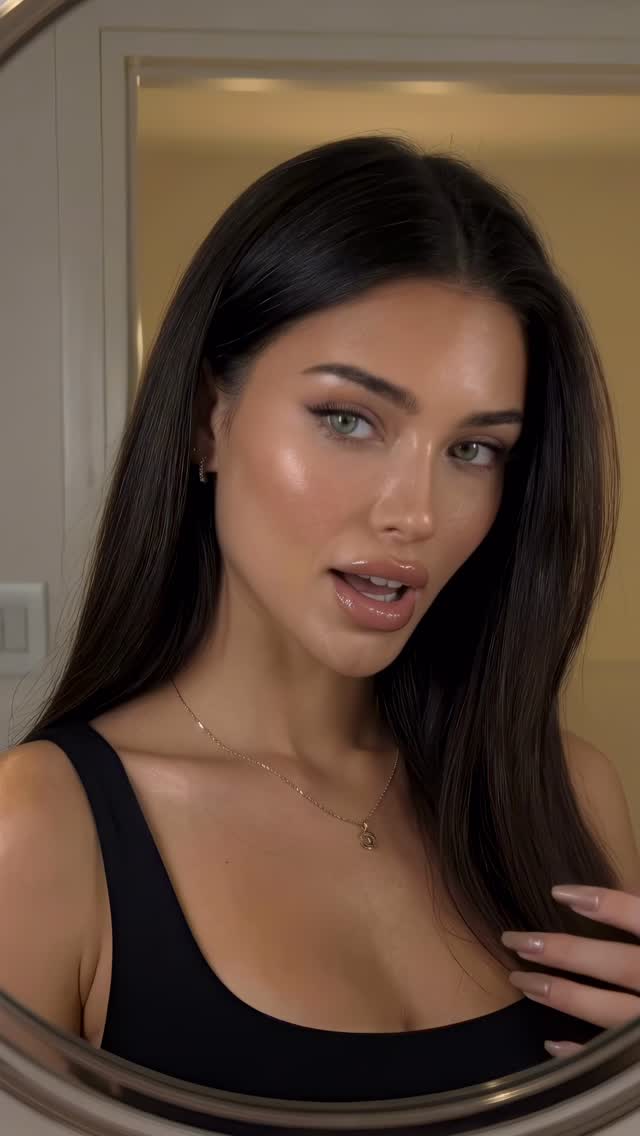
A short vertical UGC beauty video featuring one main speaker with ultra-glowy skin lighting and clean portrait framing. The clip opens
with a mirror close-up, then switches to a tighter face shot where a second speaker appears as a PiP inset in the lower-left corner.
The main speaker reacts with a “secret” hand-to-mouth gesture. Then it hard-cuts to a studio BTS shot: a makeup station packed with
products, softboxes, a paper backdrop, clothing racks, and a crew moving in the background. The last beat is a warm library close-up
in front of tall bookshelves and table lamps.
The result feels both personal (talking head) and credible (studio proof). That mix is what drives saves and comments in beauty content.
What you’re seeing
1) Face-first hook (it’s optimized for scroll behavior)
The framing stays tight: eyes, brows, lips, cheek highlight. Beauty content wins when the viewer can “read” the skin texture instantly.
2) Lighting recipe: soft, bright, and flattering
The skin glow is the product. The look suggests soft frontal light (softbox/window feel) with warm indoor practicals in the background.
The highlight is controlled, not oily—this is the difference between “glowy” and “greasy.”
3) PiP reaction creates a narrative without changing the main setup
The PiP inset is a simple structure: the viewer gets a second voice while staying locked on the main face. The PiP stays fixed in the
lower-left, which keeps it readable and avoids visual chaos.
4) Studio BTS cut is a credibility shortcut
The makeup station shot is dense with proof-of-work: bottles, palettes, brushes, softboxes, backdrop. That instantly signals “this creator
takes the craft seriously,” which increases trust (and comments like “what products are those?”).
5) Library end scene adds “premium calm”
The warm lamps and book walls create a cozy, high-status background. It’s a smart closing choice: it feels cinematic, and it helps the clip stand out
from generic bathroom content.
Shot-by-shot breakdown (estimated)
Estimated timeline based on visible cuts and framing changes.
Time range
Visual content
Shot language
Lighting & color tone
Viewer intent
00:00–00:04
Mirror close-up, hair touch, soft smile
CU, phone-like framing
Warm indoor practicals
Instant “beauty” context
00:04–00:08
Tighter face shot + PiP speaker appears lower-left
ECU, stable framing
Soft frontal light, warm background
Retention: two-voice narrative
00:08–00:10
Hand-to-mouth “secret” gesture while reacting
ECU, micro expression beat
Highlight on cheekbones
Emphasis + rewatch trigger
00:10–00:14
Studio BTS: makeup table + lights + backdrop
Medium shot, mirror selfie
Neutral bright softbox light
Credibility and curiosity
00:14–00:18
Library close: warm lamps + bookshelves
CU, calm delivery
Warm tungsten
Premium close + CTA
Why it went viral
1) It’s a “skin result” video, not a product ad
Viewers stop for outcomes. Glowy skin is a visible promise, and the tight framing proves the result before any explanation.
2) PiP format keeps attention moving
Two speakers creates a built-in rhythm: claim → reaction → secret. Even if the viewer doesn’t care about the exact tip, they stay to see the response.
3) BTS cut increases trust
The studio shot is a fast trust signal: lights, backdrop, product table. It implies expertise and professional workflow without needing to say it.
4) Platform view (Instagram)
Beauty content tends to win on saves and comments. This clip supports both: it’s a reference template (save), and it invites questions about the routine,
products, and lighting (comments). The “course” CTA in the caption converts that intent.
Five testable viral hypotheses
Observed evidence: extreme close-up skin highlight. Mechanism: instant result proof. Replicate: open with the clearest cheekbone highlight frame.
Observed evidence: fixed PiP inset lower-left. Mechanism: narrative without losing face focus. Replicate: keep PiP position constant for 4–6 seconds.
Observed evidence: hand-to-mouth “secret” gesture. Mechanism: emotional emphasis. Replicate: add one gesture beat that visually signals “listen.”
Observed evidence: makeup table packed with items. Mechanism: credibility density. Replicate: cut to one dense BTS frame mid-video.
Observed evidence: warm library background. Mechanism: premium contrast close. Replicate: end in a different but coherent “luxury calm” location.
How to recreate (Replication tutorial: from 0 to 1)
Step checklist
Decide your promise: one visible outcome (glow, texture, lash lift, blush placement).
Lock the face lighting: soft frontal key + gentle fill; avoid harsh overhead lights.
Hook shot first: open with an extreme close-up that proves the result in under 1 second.
Create a PiP clip: record or source a short “claim” clip; place it lower-left and keep it fixed.
Reaction beat: deliver one emphatic gesture (hand-to-mouth, eyebrow raise, finger point) timed to the PiP line.
BTS credibility cut: switch to a studio/makeup table shot showing products and lights (even a simple setup works).
Close with one takeaway: a short summary and a clear CTA (save, comment, try it).