
Elevator moments 😝😋
Elevator moments 😝😋
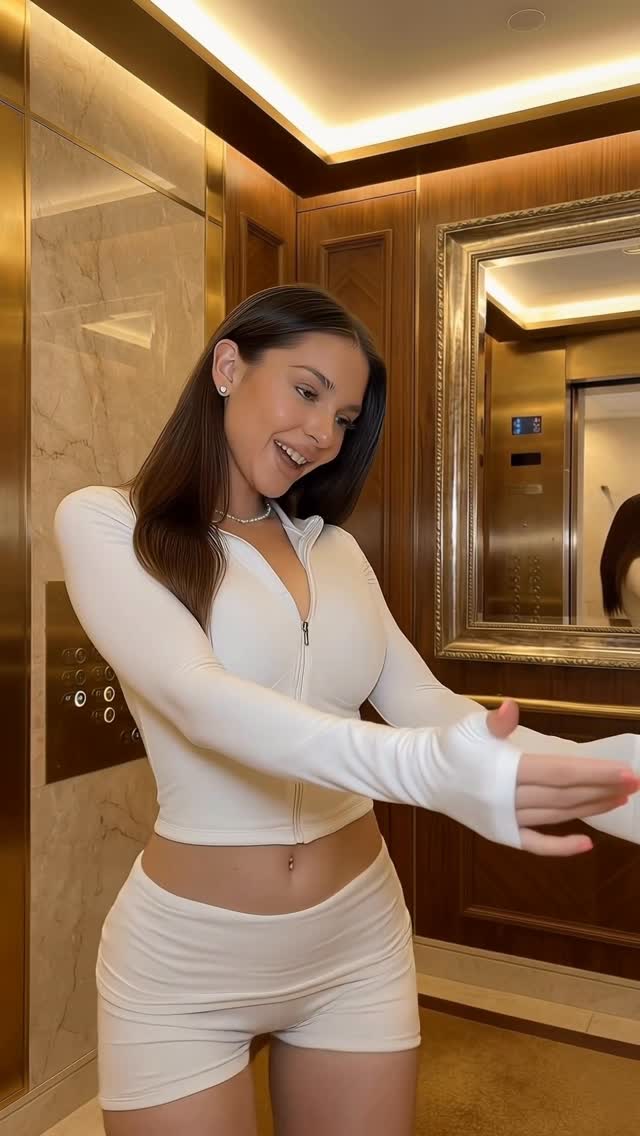
This image works because it turns a constrained location into a controlled visual set. Elevators are usually transitional spaces, but here the creator uses warm materials, mirror depth, and a clear gesture to create a full narrative moment. That transformation itself is engaging: viewers recognize the setting, but the execution feels elevated.
The white coordinated outfit is a strategic choice. In a warm wood-and-gold environment, white instantly separates the subject from the background and keeps focus on body language. The playful hand gesture adds personality, preventing the frame from feeling stiff or overposed. This combination of polish plus play is highly effective for short-form social growth.
Another key is geometry. Vertical lines from panels and mirror edges create order, while the pose introduces movement. Structured background + expressive foreground is a repeatable formula for creators who need consistent content from everyday spaces.
| Signal | Evidence (from this image) | Mechanism | Replication Action |
|---|---|---|---|
| Unexpected premium setting use | Ordinary elevator transformed by warm materials and framing. | Familiar place + elevated styling increases novelty. | Use transitional spaces (elevator, hallway, stairwell) with deliberate composition. |
| High-contrast wardrobe placement | White outfit stands out clearly against wood and bronze tones. | Strong subject/background separation improves thumbnail readability. | Match light outfit to dark/warm interiors or invert for opposite environments. |
| Gesture-driven personality | Outstretched playful hand pose and smiling expression. | Adds human warmth and reduces “posed campaign” distance. | Direct one intentional hand gesture per frame to avoid static posing. |
| Mirror-assisted depth | Framed mirror shows additional layers of the elevator interior. | Small locations feel richer and more cinematic. | Always include one reflective surface when shooting in tight spaces. |
{hotel_hallway} {single_subject_playful_pose} {high_contrast_outfit} {warm_ambient_light}{modern_stairwell} {subject_centered} {gesture_pose} {clean_social_editorial_style}{panel_backdrop} {framed_mirror} {coordinated_outfit} {warm_soft_light}The image’s strength is controlled contrast. White fabric, warm interiors, and soft skin tones are balanced so the frame feels clean, not harsh. The mirror is not a gimmick here; it expands the scene and adds compositional rhythm. The subject expression keeps everything approachable, which is essential for creator-led accounts.
This format is also operationally efficient. Creators can repeat it quickly with small variations: pose, crop, outfit color, and caption theme. That repeatability is exactly how visual consistency turns into growth momentum.
| Observed | Recreate | Why it matters |
|---|---|---|
| Warm wood-panel environment | Shoot in material-rich interior with amber lighting | Adds premium tone without extra props |
| White coordinated set | Use monochrome outfit with clear silhouette | Improves separation and focus |
| Playful hand-forward pose | Direct one expressive arm/hand movement | Injects personality into static spaces |
| Mirror depth layer | Include reflective element in frame edge | Makes compact scenes feel dimensional |
| Prompt chunk | What it controls | Swap ideas (EN, 2–3 options) |
|---|---|---|
| luxury elevator interior with mirror | Scene identity and texture richness | “hotel corridor”; “private lobby”; “modern stairwell” |
| white zip-front cropped top + shorts | Visual contrast and style tone | “black athleisure set”; “cream knit two-piece”; “pastel casual set” |
| playful forward hand gesture | Character energy and friendliness | “hair-touch candid”; “soft wave”; “phone-in-hand gesture” |
| warm ambient interior light | Mood and skin rendering quality | “neutral daylight interior”; “cool modern LED look”; “mixed tungsten + daylight” |
| vertical medium-full crop | Feed readability and outfit visibility | “waist-up crop”; “full body vertical”; “tight portrait” |
Baseline Lock: lock location geometry, lock warm light, lock gesture-led pose.
Keep environment consistent across versions to build recognizable series content from one location.