Benim yapay zekamla yarışmaya kalkan Atiye🌸, süpriz sonlu 🙌🏆
Benim yapay zekamla yarışmaya kalkan Atiye🌸, süpriz sonlu 🙌🏆
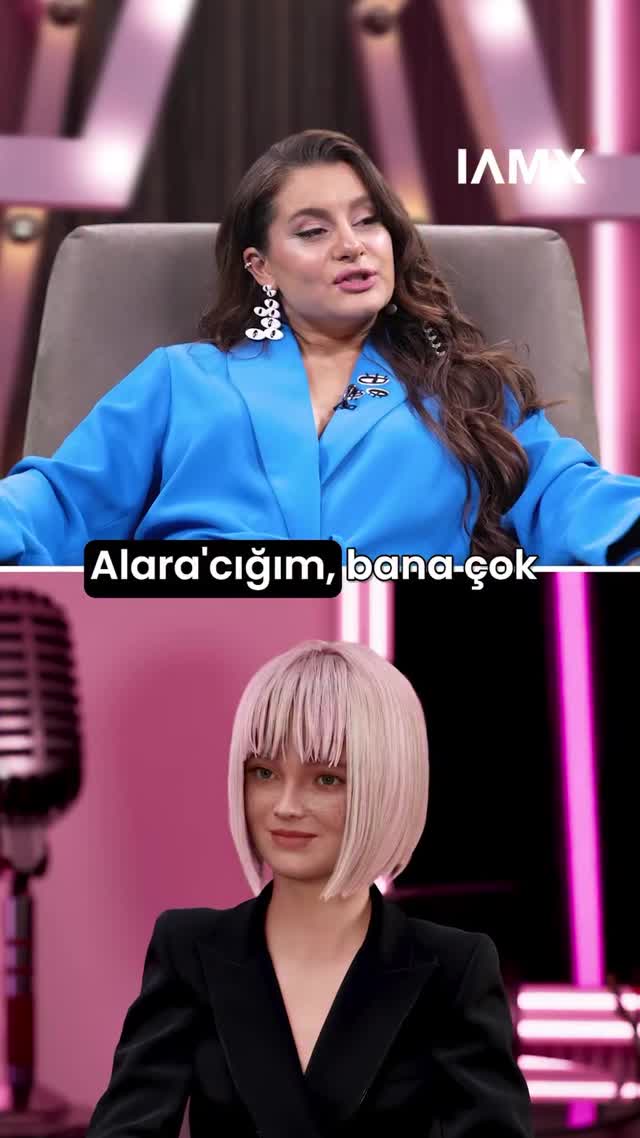
This image is a blueprint for a very specific kind of virality: conversational tension packaged as a clean, TV-grade artifact. The split-screen does the storytelling for you. You do not need context, because the viewer immediately understands the roles: one person speaking (top), one person reacting (bottom).
The hook is structure. Split-screen is a promise that a “moment” is happening, and moments are easier to share than topics. The studio look adds credibility: sharp lighting, controlled set design, and a clear microphone cue signal that this is meant to be watched, not just scrolled past.
The subtitle line is the second engine. Even when the audio is off, the viewer can read a fragment and feel the emotional direction. A partial line creates curiosity, which is exactly what pushes people to hit play and send it to a friend.
| Signal | Evidence (from this image) | Mechanism | Replication Action |
|---|---|---|---|
| Instant relationship map | Two faces in a split-screen (speaker vs listener) | Viewers decode conflict and roles immediately | Design clips with 2 roles and keep each role on its own panel |
| Sound-off entry | Subtitle fragment placed across the frame | Reading creates pause and play intent | Use one short on-screen line per beat; avoid paragraph captions |
| Broadcast polish | Studio lighting + clean set + microphone cue | Higher perceived value increases sharing | Lock a consistent studio lighting recipe and reuse it for a series |
| Color contrast | Cobalt blue vs black wardrobe against pink neon set | Strong palette improves thumbnail recognition | Pick 2 wardrobe anchor colors + 1 set color and repeat them |
This frame is built like television: soft keys on faces, a controlled background, and a set color that stays consistent. The microphone and chair are not just props; they are genre markers. Genre markers reduce the effort required to understand what kind of content this is, which improves retention.
The split-screen also creates rhythm. Your eye moves top-to-bottom automatically, which mimics a cut. That is why a still frame can feel like a clip.
| Observed | Recreate | Why it matters |
|---|---|---|
| Two roles, two panels | Lock speaker panel and reaction panel positions | Builds a repeatable series language |
| Neon set accents | Use 1 consistent background color family (pink/magenta) | Improves recognition |
| One subtitle hook line | Write a short, emotionally directional line | Creates sound-off entry |
| Wardrobe contrast | Pick contrasting outfits (bright vs dark) | Separates roles visually |
| Prompt chunk | What it controls | Swap ideas (EN, 2–3 options) |
|---|---|---|
| layout: split-screen | Role clarity and pacing | top/bottom split; left/right split; picture-in-picture |
| set color accents | Thumbnail identity | pink neon; blue neon; warm amber practicals |
| prop cue | Genre signaling | microphone in foreground; headphones; desk and mugs |
| wardrobe contrast | Role separation | bright blazer vs black suit; white dress vs dark jacket; color-block vs neutral |
| subtitle hook | Sound-off engagement | one short line; two-word punchline; question fragment |
Baseline Lock: (1) split-screen layout, (2) studio lighting softness, (3) one subtitle hook line.
One-change rule: change only 1–2 knobs per run. Example sequence: