Why imma.gram's Pink Bob Beauty Head Turn Video Went Viral — and the Formula Behind It
This reference clip is a strong example of how a very simple AI video can still feel premium. There is no complex set, no fast edit, and no dramatic action. The whole video relies on one digital subject, one white backdrop, one tight beauty frame, and a slow sequence of eye and head movements. That restraint is exactly what makes it useful for creators who want to study high-end avatar, beauty, and virtual influencer content.
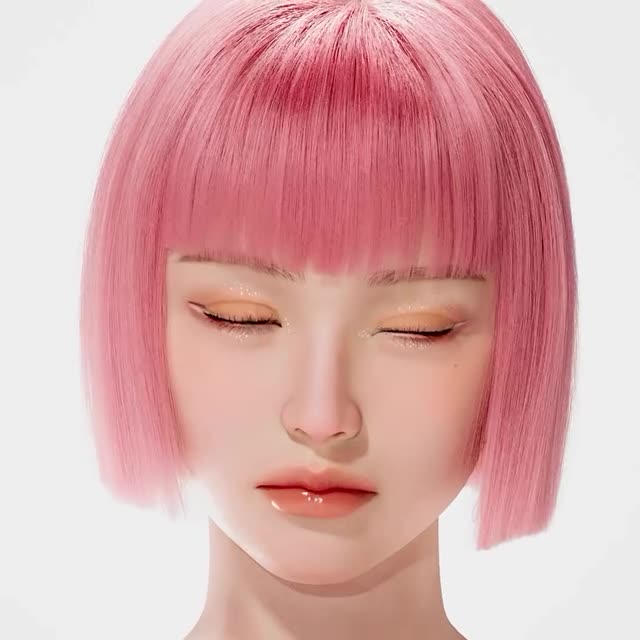
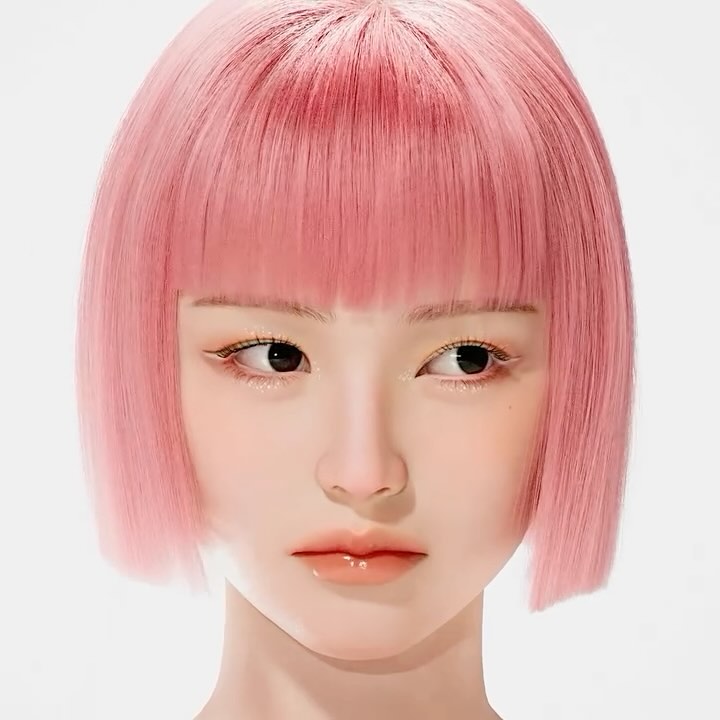
The video keeps attention by treating the face as the full landscape. The pink blunt bob creates an instantly recognizable silhouette, the white background removes distraction, and the lighting stays soft enough to preserve a polished skin render while still keeping shape under the chin and around the nose. Instead of selling spectacle, the clip sells surface quality, identity consistency, and controlled micro-performance.
Visual structure and motion breakdown
The entire piece behaves like a luxury beauty campaign compressed into a five-second social format. The framing stays close and nearly static, which means every small change matters. The performance arc is built from three simple beats: eyes closed, eyes open and glance away, then a slow return toward camera. Because the camera does not move, the viewer reads every subtle change in gaze direction, chin height, and three-quarter turn as intentional choreography.
The hair design is also doing a lot of work. A chin-length pastel pink bob with blunt bangs turns the subject into a graphic icon. The hairstyle frames the cheeks and forehead with clean geometry, so even small head rotations create a noticeable shift in shape. That gives the video motion without requiring body movement or scene transitions. For AI prompt design, this is a useful lesson: when the silhouette is strong enough, minimal movement can still feel rich.
Color is equally disciplined. The palette is almost monochrome: white background, fair skin, soft pink hair, and peach-toned makeup. This kind of narrow palette makes the output feel expensive because it avoids accidental clutter. It also helps the render look more coherent across frames, which is especially important for AI-generated portrait motion where color drift can easily break realism.
Prompting lessons creators can reuse
If you want to recreate this type of video, the prompt should lock the subject identity and studio logic before describing the motion. In practice that means being explicit about apparent ethnicity, age range, skin tone, haircut geometry, makeup finish, framing, lens feel, and background simplicity. Then describe the motion as a sequence of micro-actions rather than broad animation. Phrases like slow eyelid lift, subtle chin raise, gentle three-quarter turn, and settle into direct eye contact are more useful than generic phrases such as cinematic movement.
Another key lesson is to tell the model what must not change. The background should remain seamless white, the lens should stay in a tight portrait range, and the lighting should remain soft and frontal with minimal contrast shifts. Without those constraints, many generators will try to introduce more drama than the reference actually has. This clip works because the environment and lighting stay locked while the face performs the whole arc.
Creators making virtual influencer pages, cosmetic ads, skincare loops, AI idol intros, and avatar showcase content can reuse this format directly. It is short, legible, mobile-friendly, and easy to loop. Most importantly, it feels deliberate instead of random. That makes it suitable for SEO pages that want both a visually appealing example and a practical prompt pattern users can adapt.
How to recreate the same result
Start with a single-subject studio portrait setup. Use a square frame, a tight close-up, and a clean background with no props. Keep the styling minimal but specific: glossy lips, refined eye makeup, and one striking hair color that gives the subject a memorable silhouette. Next, limit the motion vocabulary. You do not need walking, hand gestures, or camera travel. One calm head rotation and a change in eye contact are enough when the render quality is strong.
Finally, preserve the pacing. The clip does not rush. Each beat has enough time to register before the next one starts. That slower rhythm is what makes the portrait feel intentional and premium. For many AI videos, better results come from reducing the number of moving parts rather than increasing them. This reference is a good reminder that clarity, identity consistency, and surface finish often outperform complexity.