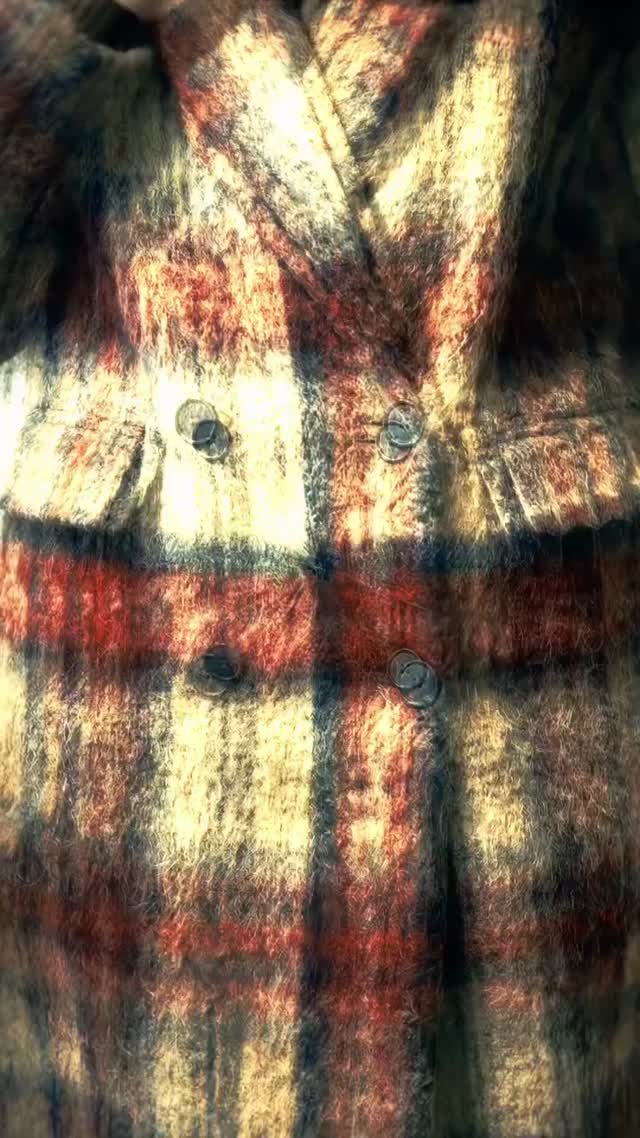
Reimagining @mango’s aesthetic using invideo. Incredible ad film by @1stcut.ai using invideo Agents & Models.
The workflow:
→ Storyboarding using invideo Vision
→ Image-gen to create high-res, editorial-style images using Nano Banana Pro on invideo
→ Video-gen to create the dreamy motion using Kling 2.6 on invideo
From idea to immersive video completely on invideo.
All image models are free and unlimited for 365 days on all paid plans.
Comment ‘INVIDEO’ for access.
Case Snapshot
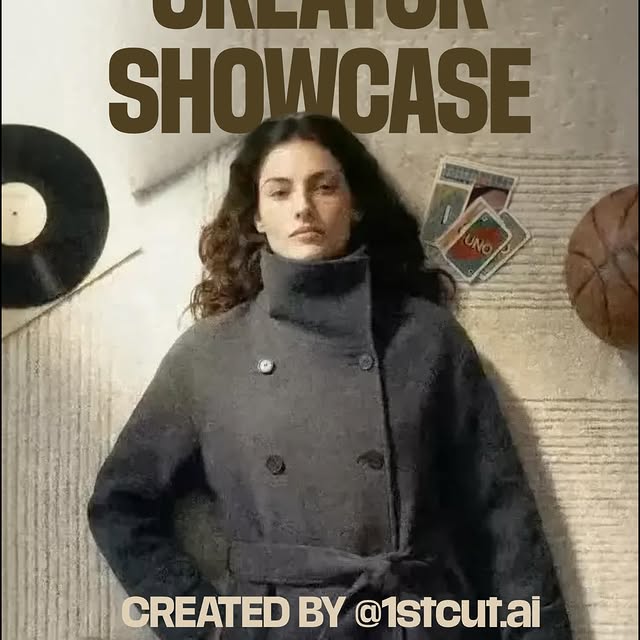
This page is reconstructed from the visible Instagram cover image and caption because the local source video is missing. The post is a creator showcase for an editorial ad film reimagining Mango’s aesthetic using invideo. The cover already establishes the visual system clearly: a dark-haired model in an oversized charcoal coat, a beige textured wall, tasteful lifestyle objects, and bold campaign-style typography. The caption then confirms the workflow and positions the reel as a creator-made fashion spec ad rather than a generic AI portrait.
What You're Seeing
1. The fashion silhouette is the main product signal
The oversized coat does the heavy lifting. It gives the video a clear retail focal point without needing a loud product demo.
2. The set design feels art-directed, not random
The vinyl record, wall objects, and muted interior styling suggest a curated editorial apartment or showroom space.
3. The color palette is controlled
Beige, charcoal, cream, and soft brown create the kind of quiet luxury palette fashion brands use when they want to feel expensive without shouting.
4. The model is intentionally restrained
The expression is calm and almost unsmiling, which fits the premium editorial tone. A broad smile would weaken the campaign feel.
5. The typography frames the reel as a branded case study
“Creator Showcase” and the creator credit tell viewers this is not only an ad aesthetic, but also a workflow proof point.
6. The campaign reference is useful, not vague
The caption names Mango directly, so the audience can benchmark the style against a known fashion-ad visual language.
7. The workflow itself becomes part of the content
Storyboarding, image generation, and video generation are listed in the caption. That turns the reel into both inspiration and a soft product demo.
8. The visual economy is strong
Nothing in the frame is noisy. Every visible object supports either mood, lifestyle status, or garment context.
Shot-by-Shot Breakdown
Because the local source video is unavailable, the sequence below is estimated from the cover image and caption.
Time range
Visual content
Shot language
Lighting & color tone
Viewer intent
0:00-0:08 (estimated)
Model reveal in oversized charcoal coat against a textured editorial wall with lifestyle objects.
Slow dolly or gliding camera with minimal pose change.
Consistent muted editorial grading.
Make the clothing feel tactile and alive.
0:16-0:28 (estimated)
Garment detail, texture, and art-directed interior accents.
Closer inserts or composition changes that stay within the same brand world.
Soft contrast and tactile material rendering.
Sell the product and the atmosphere together.
0:28-0:39 (estimated)
Final campaign-style hero frame with creator branding or polished end card energy.
Poster-like finish.
Still premium, muted, and clean.
Leave a save-worthy, commercially credible final impression.
Why It Went Viral
9. It combines aspiration and process
Viewers can enjoy the ad aesthetic, while creators can study the toolchain. That gives the post a wider usefulness range than pure mood content.
10. The reference brand makes the promise concrete
Saying “Mango aesthetic” is far stronger than saying “minimal fashion vibe.” It points to a recognizable commercial language.
11. The cover feels like a real campaign still
Because the frame already looks like a fashion ad, the viewer is more likely to trust that the reel contains actual creative value.
12. The workflow bullets lower creator skepticism
Listing Vision, Nano Banana Pro, and Kling 2.6 makes the result feel reproducible, which increases saves and comments from builders.
13. Platform signal analysis
From a platform perspective, the post likely earns watch time because the first frame looks expensive and legible, while the caption gives creators a reason to keep reading and comment for access. It works as both visual bait and tutorial bait.
5 Testable Viral Hypotheses
14. Hypothesis: the named brand reference improved clarity
Observed evidence: the caption explicitly says Mango. Mechanism: viewers instantly understand the aesthetic target. Replication: reference one clear fashion language instead of vague style words.
15. Hypothesis: the muted palette increased perceived quality
Observed evidence: charcoal coat and beige wall dominate the frame. Mechanism: quiet palettes often feel more premium and more brand-like. Replication: limit each fashion reel to two or three core tones.
16. Hypothesis: the creator credit increased trust
Observed evidence: the cover names the creator. Mechanism: specific attribution makes the reel feel like a real case study instead of anonymous AI output. Replication: credit the maker when showcasing creator-led work.
17. Hypothesis: the workflow bullets drove saves
Observed evidence: the caption explains the exact tool sequence. Mechanism: builders save posts that teach them something concrete. Replication: include one useful pipeline summary in creator-facing posts.
18. Hypothesis: the comment CTA converted passive admiration into action
Observed evidence: the caption ends with “Comment ‘INVIDEO’ for access.” Mechanism: low-friction CTA can turn aesthetic appreciation into measurable engagement. Replication: use one-word CTAs that fit the format.
How to Recreate This Style
19. Step 1: Start with one clear fashion reference
Do not ask the model for “luxury fashion.” Pick a specific commercial language and build around it.
20. Step 2: Choose one hero garment
This reel works because the oversized coat is memorable enough to anchor the whole ad.
21. Step 3: Build the environment around the clothing
Use interior objects that support the brand mood instead of stealing attention from the outfit.
22. Step 4: Keep the model direction restrained
High-fashion stillness usually works better than influencer expressiveness in editorial spec ads.
23. Step 5: Use slow motion language
Gentle glides, fabric sway, and minor pose shifts feel expensive. Fast cuts often cheapen the look.
24. Step 6: Write the workflow into the caption
If your audience includes creators, do not hide the pipeline. The process is part of the value proposition.
25. Step 7: Make the cover frame look like key art
Your reel should already sell itself from a single still. This one does.
26. Step 8: Add a low-friction CTA
One-word triggers work well when the post already looks polished and credible.
27. Step 9: Keep the ad tone consistent
Once you choose an editorial fashion language, do not break it with casual humor or noisy transitions.
Growth Playbook
28. Three ready-to-use hook lines
“Rebuilt a Mango-style ad aesthetic entirely with AI tools.”
“This is the kind of fashion spec film that makes creators stop and ask how it was made.”
“One garment, one palette, one clean concept still beats noisy AI visuals.”
29. Four caption templates
1. Hook: Reimagined a premium fashion brand look with AI. Value: The key was simplifying the palette and set. Question: Would you wear this campaign aesthetic? CTA: Comment the tool name if you want the workflow.
2. Hook: Testing whether editorial restraint beats visual excess. Value: One strong coat and one calm set did most of the work. Question: Does this feel like a real ad to you? CTA: Save this for your next spec project.
3. Hook: Here is a creator-led fashion film built fully inside one AI workflow. Value: Storyboard, image gen, and motion all stayed aligned. Question: Which step do you want broken down next? CTA: Drop a comment below.
4. Hook: Fashion AI gets better when you stop overdecorating. Value: Quiet luxury palettes still win on feed. Question: Should the next version be outerwear or jewelry? CTA: Follow for the next showcase.
30. Hashtag strategy
Broad: #AIVideo #FashionFilm #CreativeWorkflow. These widen discovery.
Mid-tier: #EditorialAesthetic #SpecAd #AICommercial. These match the actual content format.
Niche long-tail: #MangoStyleAd #AIFashionWorkflow #CreatorShowcase. These target the exact creators most likely to save and inquire.
FAQ
Why does this fashion reel feel more expensive than many AI ads?
Because it limits color, set clutter, and model movement while keeping the garment silhouette strong.
Do I need multiple outfits for this style?
No, one strong hero garment is usually enough if the set and pacing are right.
What is the biggest mistake in AI fashion spec ads?
Trying to show too many looks, props, and moods in one short video.
Why include the workflow in the caption?
Because creator-facing posts perform better when they are both inspiring and reproducible.
Should the model smile more?
Usually no, because restrained expressions fit editorial luxury better than friendly influencer energy.
What kind of CTA fits this format best?
A one-word comment CTA works well because the visual already earns the attention.