Konon katanya ini cerita sedih #KoboFondMemories
Konon katanya ini cerita sedih #KoboFondMemories
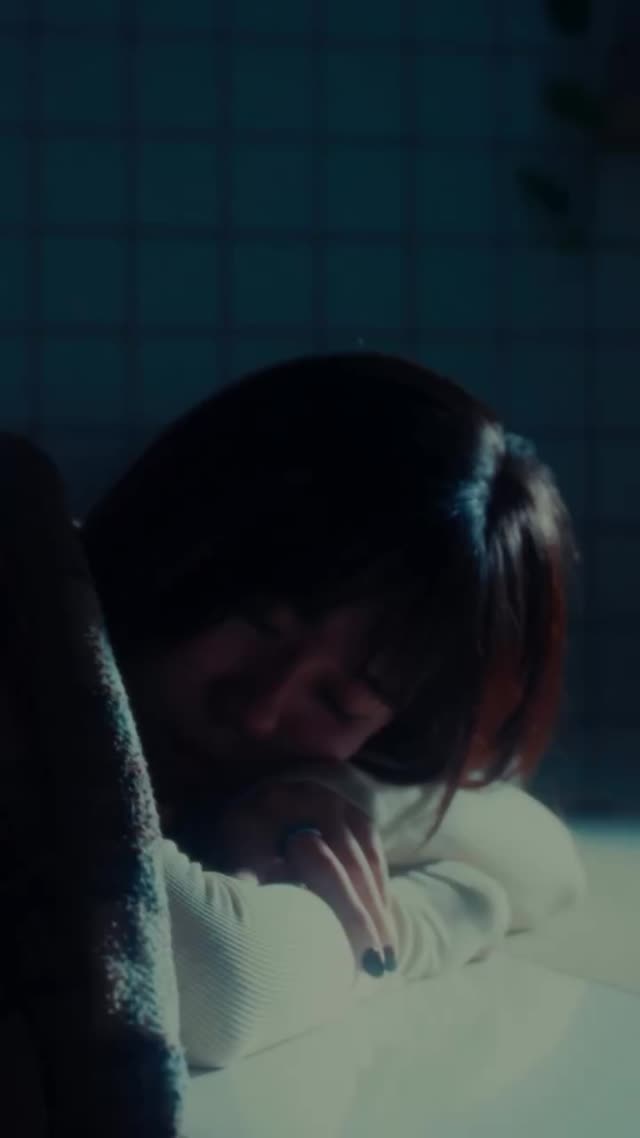
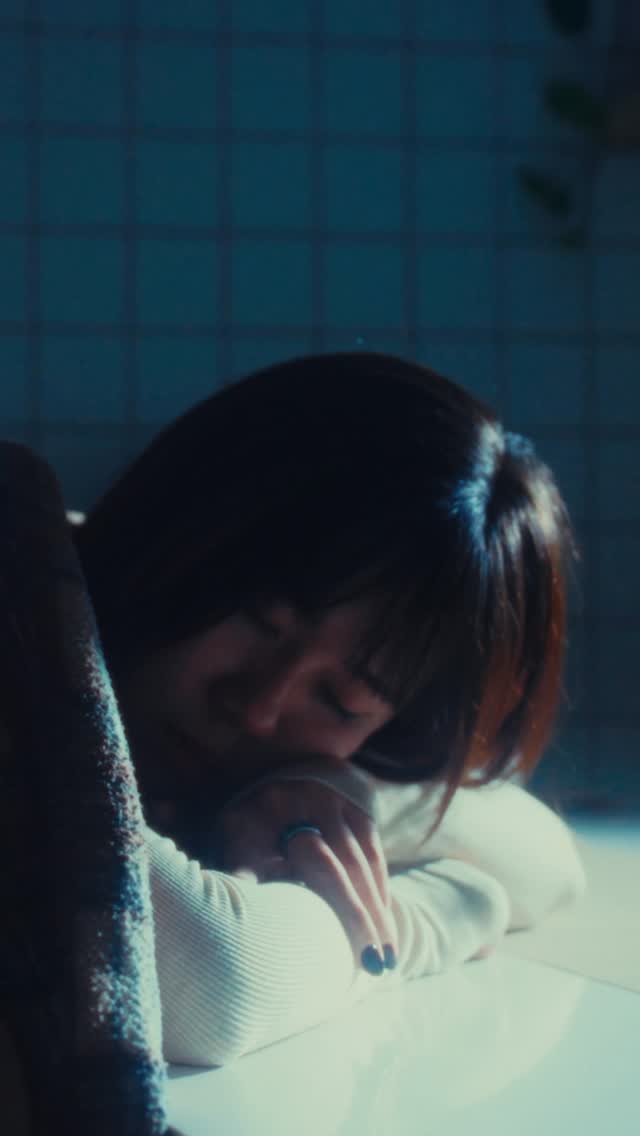
Most creators chase motion, smiles, and obvious hooks. This image does the opposite and still holds attention. A single subject, eyes closed, head on folded arms, almost no props, almost no action. Yet it feels magnetic because it captures a recognizable emotional state: the silent moment after social energy runs out.
For small creators, this is a useful reminder: you can create high-retention visuals with stillness if your light, composition, and emotional signal are precise.
The first mechanism is emotional immediacy. Viewers do not need context to understand fatigue, introspection, or late-night mental noise. The second mechanism is tonal consistency: blue-cyan shadows, dim exposure, and soft blur all point to one emotional register. The third mechanism is compositional restraint. There is no clutter competing for attention, so the viewer reads face, hand, and posture in one sweep.
| Signal | Evidence (from this image) | Mechanism | Replication Action |
|---|---|---|---|
| Emotional clarity | Eyes closed, head resting on folded arms | Immediate empathic recognition | Lock one readable body cue (resting head, lowered shoulders, closed eyes) |
| Mood coherence | Cool low-key palette with muted contrast | Single emotional tone improves memorability | Constrain palette to 2-3 cool tones; avoid bright accents |
| Negative-space tension | Large empty area above subject | Creates psychological weight and pause | Keep subject in lower half and reserve upper space intentionally |
| Candid realism | Soft foreground occlusion on left edge | Feels witnessed, not staged | Add one out-of-focus foreground layer for depth and documentary feel |
{single subject} resting pose in {quiet room}, muted palette, low-key soft light, emotional stillness
{subject} leaning quietly on {surface}, cool cinematic tones, candid documentary framing, soft grain
{artist} pause moment in {workspace}, low contrast blue grade, minimal prop narrative
The image uses softness as a storytelling tool rather than a technical flaw. Slight blur and bloom imply memory, fatigue, and emotional fog. If this were razor-sharp, the same pose would feel posed. With reduced micro-contrast, it feels lived-in.
Color temperature does narrative work too. Cool cyan shadows communicate late-hour solitude without showing a clock. The white knit sleeve acts as an anchor so the scene does not collapse into pure darkness. This is a strong trick: keep one light-value object in-frame to stabilize a dark composition.
The left foreground occlusion is another quiet win. It introduces the sensation of observing from nearby, which turns a static portrait into a moment captured in passing. That subtle documentary texture often increases comments because viewers project their own mood into the frame.
| Observed | Recreate |
|---|---|
| Closed-eye resting pose | Specify "head on folded arms, eyes closed, tired calm expression" |
| Cool nocturnal palette | Constrain to navy/cyan/teal with muted saturation |
| Sparse environment cues | Use one tile wall texture and avoid decorative clutter |
| Low-key diffused light | Set a soft side key with minimal fill and no hard rim |
| Foreground occlusion | Add one dark blur on edge to create depth and candid feel |
| Prompt chunk | What it controls | Swap ideas (EN, 2-3 options) |
|---|---|---|
| Pose statement | Emotional readability | "head on arms", "chin on sleeve", "forehead against wrist" |
| Palette lock | Mood consistency | "cyan-navy low saturation", "teal-charcoal film tone", "cool moonlit interior" |
| Light architecture | Depth and realism in low exposure | "soft side key", "window bounce only", "single practical spill" |
| Environment minimalism | Focus retention | "simple tiled wall", "plain plaster backdrop", "minimal utility sink area" |
| Optical texture | Memory-like tone vs commercial sharpness | "gentle grain", "soft bloom", "light halation" |
| Foreground blocker | Candid documentary sensation | "dark edge occlusion", "blurred cloth foreground", "partial frame obstruction" |
Run controlled iterations: move one variable at a time. If you shift the background from tile to train window, keep the same pose and light ratio in that run.