0:00 / 0:00
▶
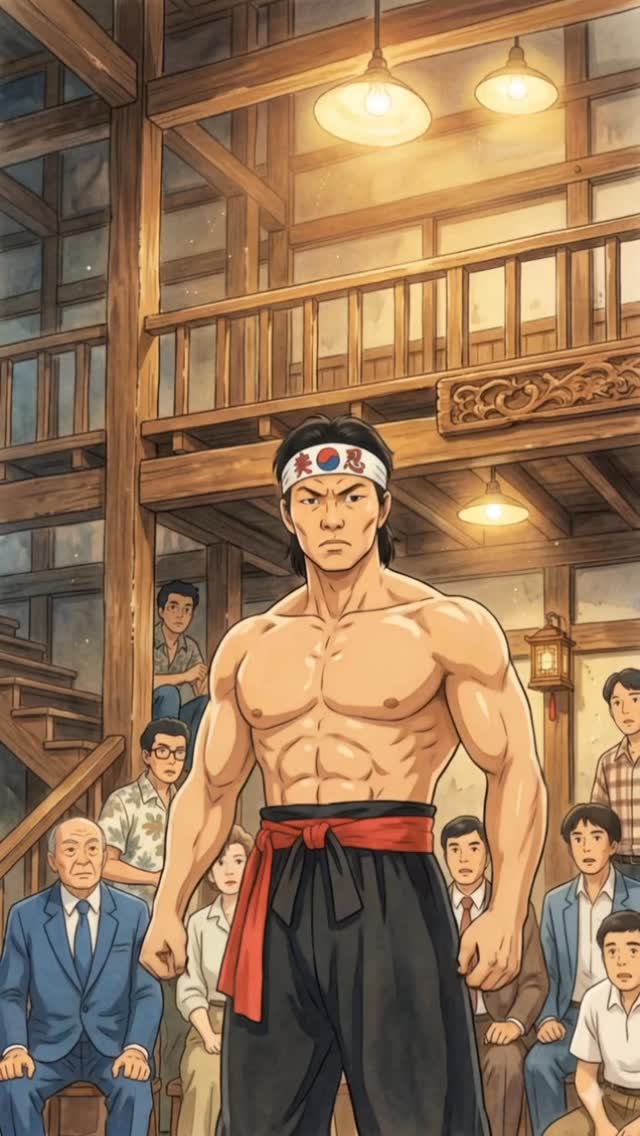
This case study analyzes a high-energy, 80s retro anime martial arts montage created by @s1mple.ai. The video leverages a powerful combination of nostalgia-driven aesthetics (reminiscent of Street Fighter, Dragon Ball, and Bloodsport) and high-octane "training montage" tropes. Featuring a muscular Taekwondo master, the visuals utilize a classic hand-drawn cel-shaded style, vibrant saturated palettes, and 1980s cinematic framing. The core appeal lies in its "lost media" feel—looking like a high-budget OVA from 1988 that never actually existed, perfectly tuned for the fast-paced consumption habits of Instagram and TikTok.
The video is a masterclass in stylistic consistency. The subject is a hyper-muscular martial artist with dark, feathered hair, often seen wearing a white headband with the South Korean Taegeuk symbol. The wardrobe transitions from traditional white doboks to shirtless training gear with red sashes, and finally to a 1980s-style green flight suit.
The environments are richly detailed, ranging from sun-drenched outdoor dojos with koi ponds to dimly lit, smoky tournament arenas filled with spectators in period-accurate 80s attire (floral shirts, oversized suits). The lighting mimics vintage film, featuring soft highlight rolloffs and a warm, golden-hour glow in outdoor scenes, contrasted by harsh, dramatic spotlights in the fighting ring. The color grade is saturated with deep blacks and a slight film grain texture, reinforcing the "retro" authenticity. The music is a high-energy 80s rock anthem, with cuts perfectly synced to the drum kicks and action beats.
| Time Range | Visual Content | Shot Language | Lighting & Tone | Viewer Intent |
|---|---|---|---|---|
| 00:00–00:03 | Fighter kicks a massive block of ice hanging from a tree. | Medium Wide; static. | Natural daylight, soft shadows. | The Hook: High-impact action and "impossible" feat. |
| 00:03–00:05 | Full split between two trees at sunset. | Wide Shot; low angle. | Golden hour; warm oranges/purples. | Establish discipline and physical prowess. |
| 00:08–00:13 | Blindfolded tea pouring with a master. | Medium Shot; eye level. | Soft indoor lighting; peaceful. | Showcase "inner strength" and focus tropes. |
| 00:19–00:25 | Breaking a massive stack of bricks with a palm strike. | Medium Shot; dynamic movement. | Warm, dusty dojo lighting. | Reinforce power; classic martial arts movie beat. |
| 00:32–00:42 | Rapid-fire tournament fight scenes and knockouts. | Close-ups & Mediums; fast cuts. | High contrast; dramatic spotlights. | Build climax and energy through movement. |
| 00:42–00:45 | Splits on a ledge overlooking a 1980s Hong Kong skyline. | Extreme Wide Shot. | Hazy, cinematic city glow. | Aesthetic "wow" factor; sense of scale. |
| 01:00–01:04 | Character boards a plane in a flight suit. | Medium Shot; tracking movement. | Bright, overcast daylight. | The Resolution: The hero moves on to the next journey. |
The primary driver of this video's success is Nostalgia Baiting. By perfectly replicating the visual language of 1980s/90s anime (thick line art, specific muscle anatomy, and cel-shading), it triggers a deep emotional response in Gen X and Millennial audiences who grew up on Street Fighter II and Fist of the North Star. This isn't just "AI art"; it's a digital recreation of a specific cultural era.
From a psychological perspective, the "Training Montage" is one of the most effective storytelling devices. It taps into the human desire for self-improvement and the "Hero's Journey." The rapid progression from training to victory provides a dopamine hit of accomplishment in under 60 seconds.
Platform Perspective: The video excels because of its visual density. Every 2-3 seconds, the scene changes completely—from a dojo to a city skyline to a tournament ring. This high "information-per-second" ratio keeps watch time high because the viewer's brain doesn't have time to get bored. The use of a "bearded friend" (resembling Chuck Norris) and a "blonde love interest" adds layers of character archetypes that make the world feel lived-in and "real," encouraging shares among fans of the genre.
The Nostalgia Trip:
They don't make them like this anymore. 📼 Recreating the golden era of martial arts anime. Which scene was your favorite? 👇
#80sAnime #MartialArts #RetroAesthetic #AIArt
The Motivation Angle:
Discipline is the bridge between goals and accomplishment. 🧱 Breaking through limits, one brick at a time. Tag your training partner! 💪
#TrainingMontage #Motivation #Taekwondo #AnimeStyle
Midjourney (v6) for the base images and Luma Dream Machine for the consistent character motion.
"Cel-shaded," "1980s OVA," and "Hand-drawn."
Add post-process film grain and ensure the character's anatomy (muscles) doesn't morph during movement.
Instagram, as the "aesthetic/visual" community there values high-fidelity retro recreations more than TikTok's trend-heavy feed.