What’s your favorite season?🍂
Animated with @klingai_official
Are you serious about learning how to create AI visuals at a professional level? In my course, I teach everything I use in my own process:
• How I build concepts and visual storytelling
• The exact tools, prompts, and workflows I use
• How to refine, edit, and create a portfolio that gets noticed
• Personal feedback, guidance, and access to my private community
This is the full system I used to grow Dreamfall Art and work with brands.
If you want access —
Comment “COURSE” below and I’ll send you the link directly.
#ai #midjourney #aiart #aiartcommunity #ai #aidesign #aiartwork
The Autumn Leaf Path: How dreamfall.art Built This AI Art
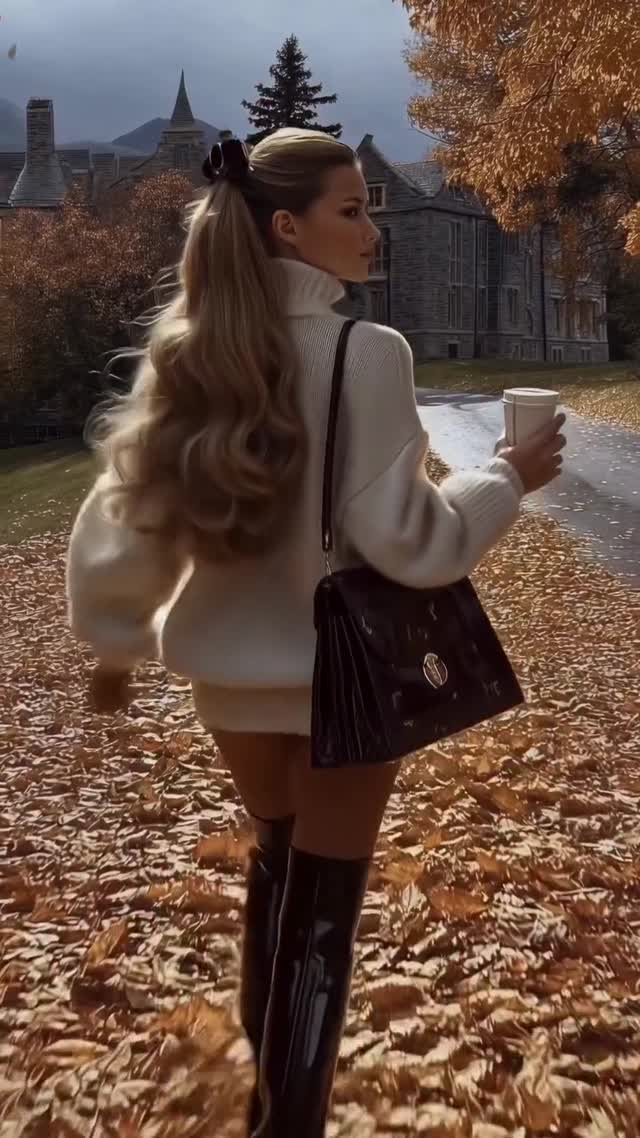
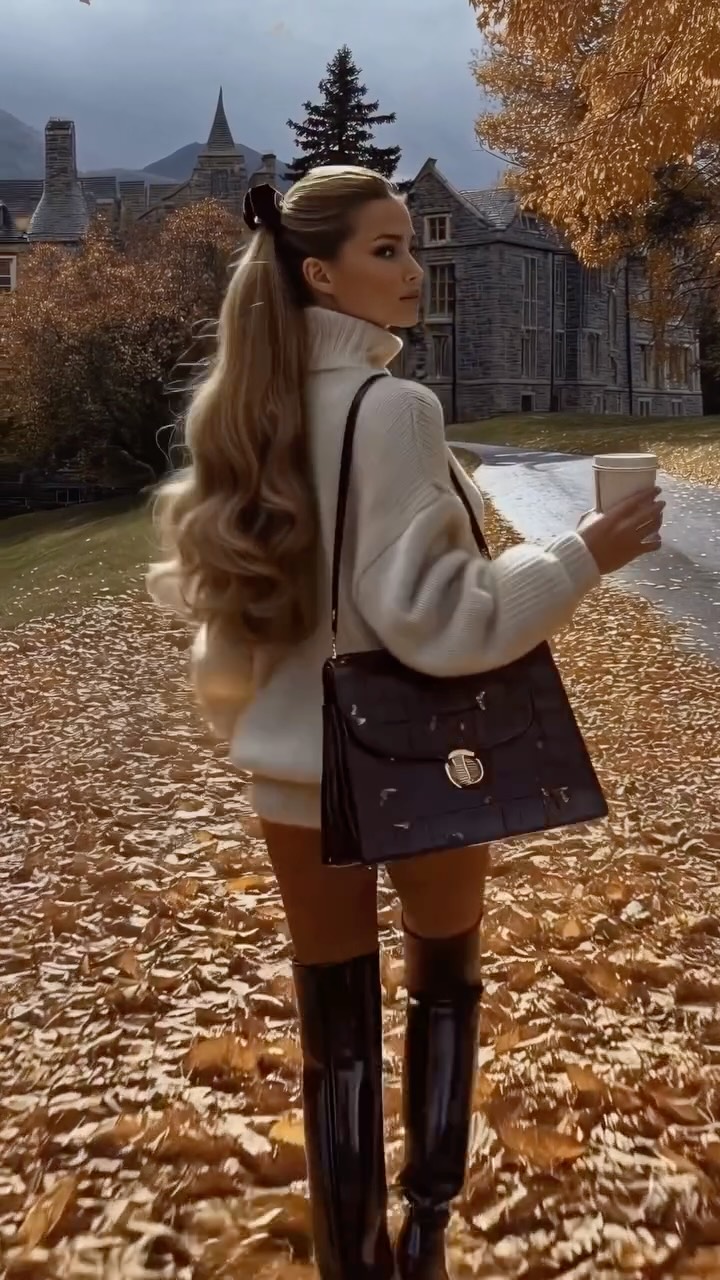
This image performs because it sells a story before it sells a face. The subject is walking away, then glances back while holding coffee, which gives the frame a "caught in motion" feeling. That tiny narrative gap invites the viewer to imagine what happened one second before and one second after. In social feeds, implied continuation often beats static posing because it encourages longer dwell time.
The visual system is also tightly controlled: cream knit, black leather, amber leaves, and stone architecture. Nothing fights for attention, so the audience processes the image quickly. This is a key growth principle for creators: when color and texture are curated, lifestyle content reads as premium without expensive production gear.
Finally, the frame balances aspiration and accessibility. The styling is elevated, but the props are everyday (coffee cup, shoulder bag, walkway). That mix makes the post shareable because followers can imagine recreating it with minimal setup while still achieving a cinematic feel.
Signal Table
Signal
Evidence (from this image)
Mechanism
Replication Action
Implied movement
Subject walking away, then looking back
Creates narrative tension and extends watch time
Use a "mid-step + over-shoulder" pose instead of static front-facing stance
Seasonal palette lock
Amber leaves, cream sweater, black accessories
Makes frame instantly readable and cohesive
Choose one seasonal color family and keep wardrobe inside that palette
Relatable prop anchor
Takeaway coffee cup in hand
Adds lifestyle realism and personal routine signal
Include one daily-object prop that matches your audience identity
Depth layering
Foreground leaves, subject mid-plane, stone buildings background
Adds cinematic depth without heavy editing
Shoot with clear foreground texture plus one architectural background layer
Use Cases and Transfers
Autumn fashion drops: Works because knit/leather contrast reads premium. Change: swap coffee cup with mini bouquet for campaign mode.
Campus lifestyle content: Works because architecture and path imply routine. Change: add notebook or tote to emphasize study context.
Travel city diaries: Works because back-look creates journey mood. Change: replace buildings with old-town facades and keep leaf texture.
Slow-living reels covers: Works because quiet palette feels calm. Change: soften contrast and add a gentle haze layer.
Not Ideal
High-energy fitness promos: posture and tone are too contemplative.
Product-detail ecommerce shots: outfit details can be partly hidden by the turning pose.
Bright summer campaigns: autumn palette may conflict with seasonal message.
Transfer Recipes
Winter city version — Keep: over-shoulder motion + prop-in-hand storytelling. Change: leaves to wet pavement + wool coat. Template: {city_path} {outerwear} {daily_prop} {walkaway_lookback_pose}
Spring park version — Keep: medium-full composition and depth layers. Change: amber leaves to soft green lawn + floral accent. Template: {park_scene} {light_knit_outfit} {bag_style} {gentle_backlook}
Night street version — Keep: one-person narrative and accessory contrast. Change: daylight to streetlight bokeh + darker tones. Template: {night_street} {tonal_wardrobe} {hand_prop} {cinematic_turn_pose}
Aesthetic Read
The image succeeds through controlled softness. Edges are present but not clinical, which helps the scene feel like memory rather than catalog. The camera perspective is close enough to deliver wardrobe texture yet wide enough to preserve environmental storytelling. This balance is hard to fake in post and is one reason the shot feels trustworthy.
Color behavior is intentionally narrow: warm foliage dominates, neutral knit calms the center, and black accessories punctuate the look. Because the tonal map is simple, the viewer's eye lands quickly on the turn of the head and the cup-hand gesture. The architecture in the background acts like a credibility frame, grounding the fashion moment in a believable place. For creators, this is a repeatable formula: one movement cue, one daily prop, one seasonal palette, and one structured background.