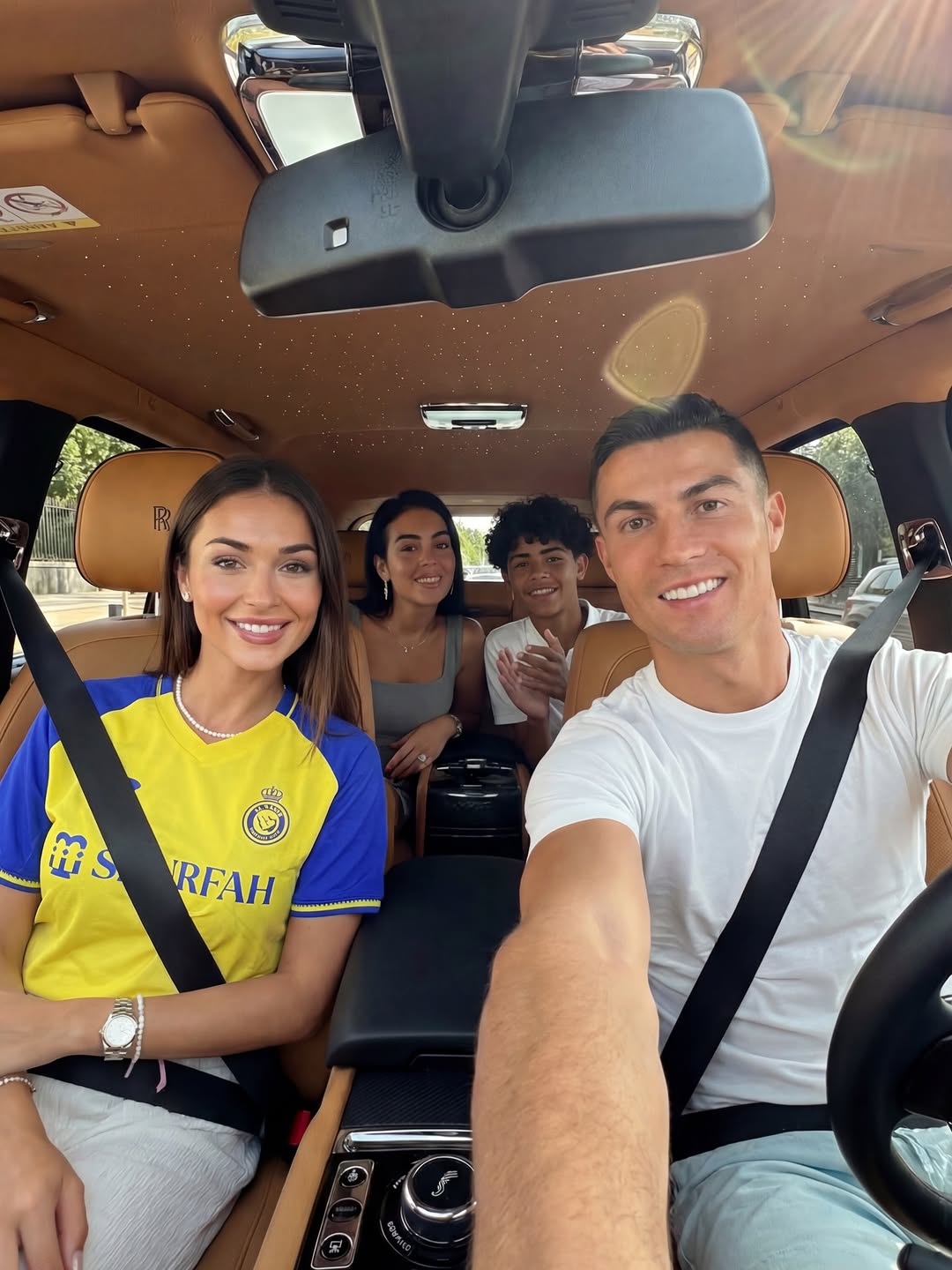
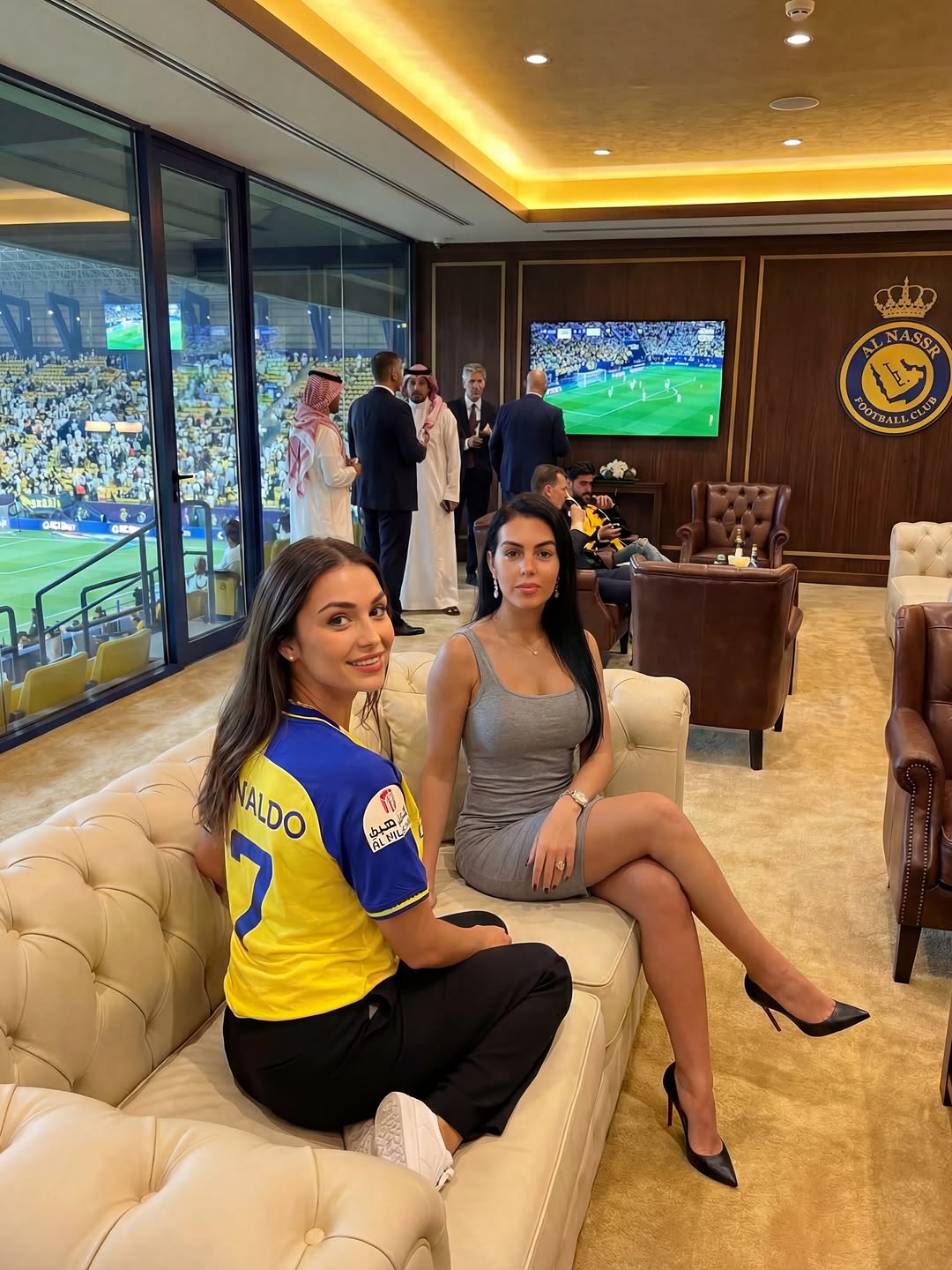
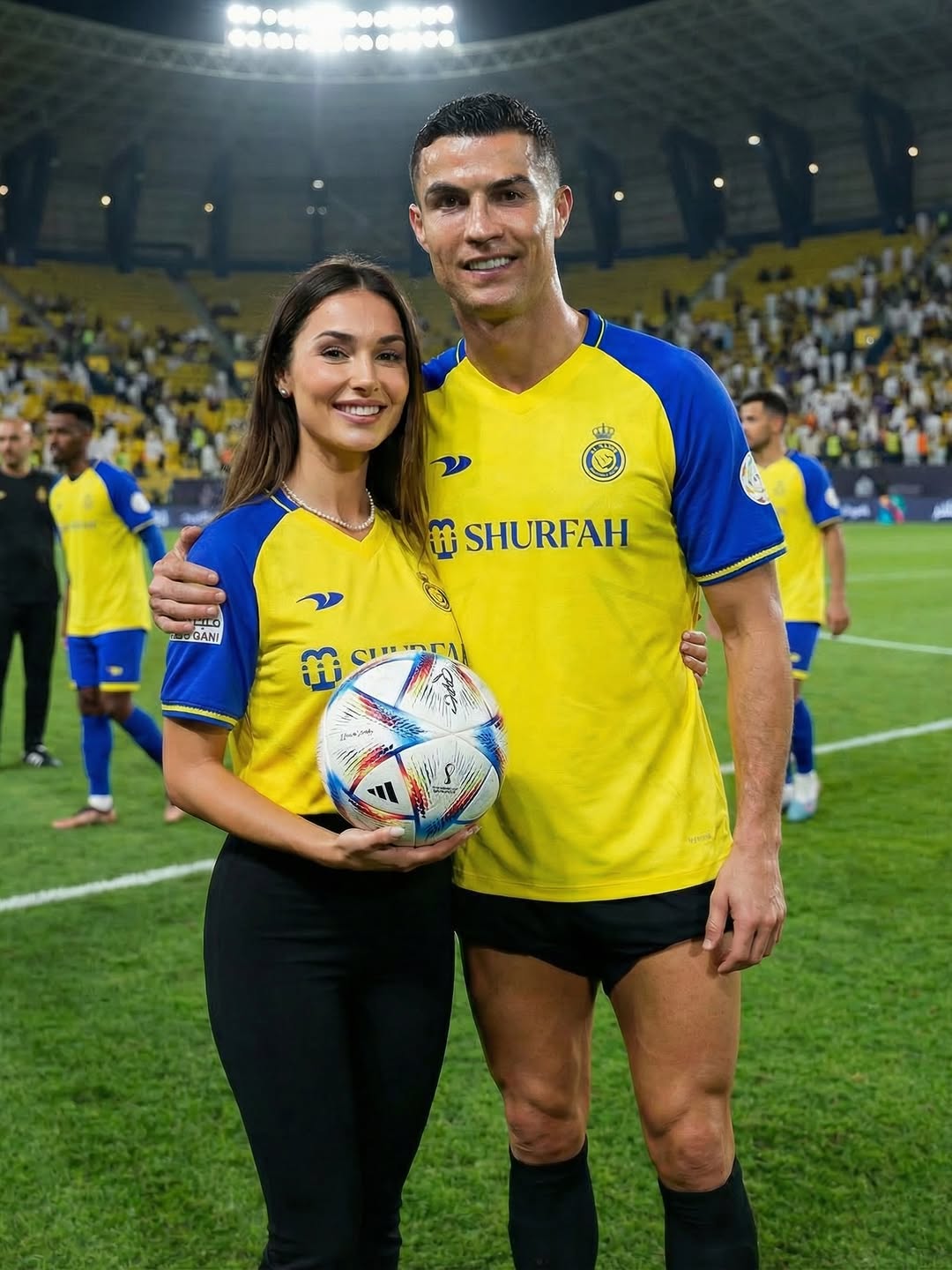
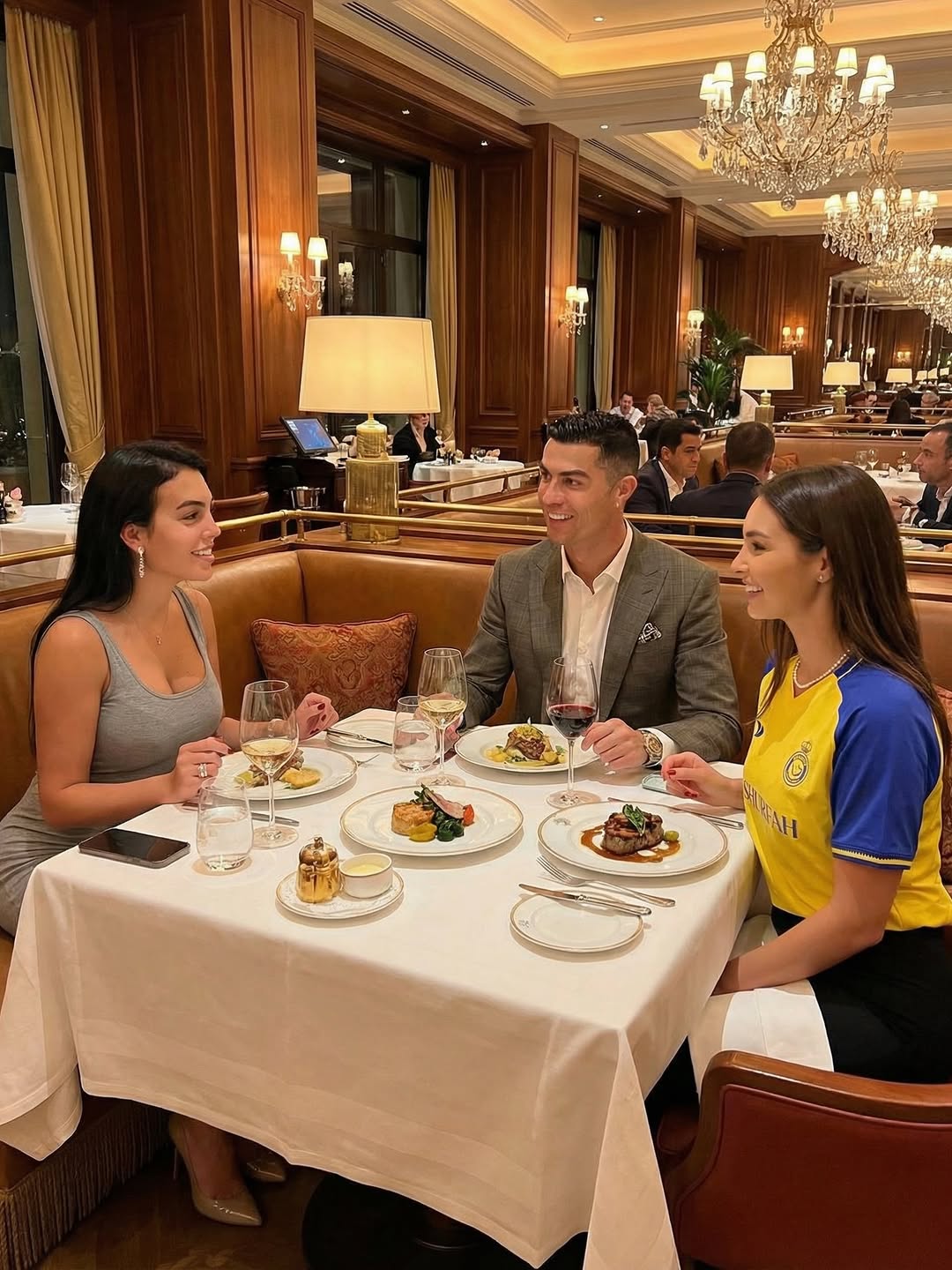
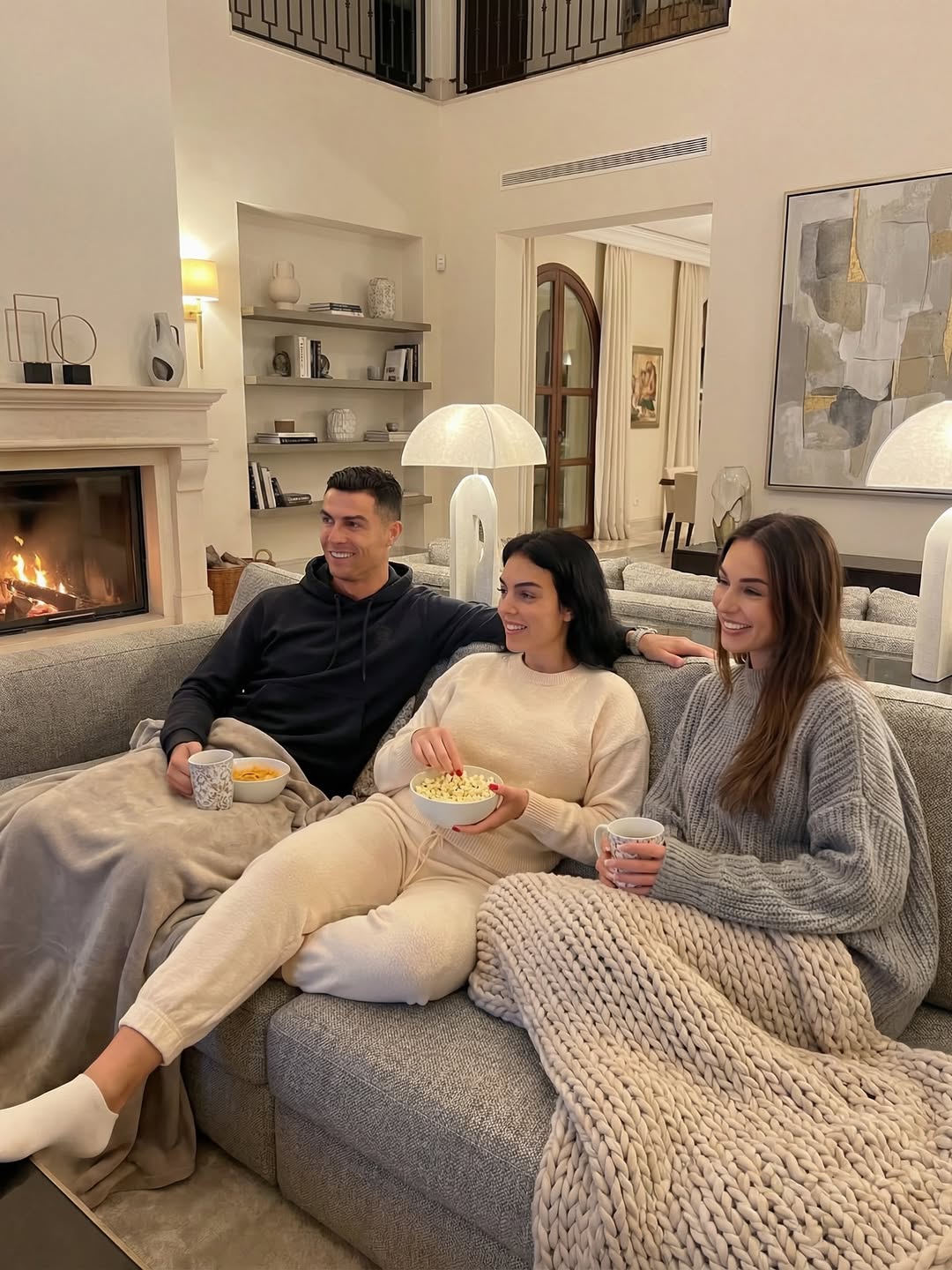
Let it flow… ❤️
-
-
-
This image is AI-generated and created for entertainment purposes only. It does not depict real events or real endorsements.
How emilypellegrini Made This Winter Coat Smile AI Portrait - and How to Recreate It
Published around 2025-11-29, this post from Emily Pellegrini generated 1,640,440 likes and 35,018 comments. The performance logic is rooted in micro-gesture authenticity, appetite storytelling, and warm social mood, not random luck.
Why It Went Viral
This post pairs a clear visual hierarchy with a caption voice that feels native to the image. Instead of forcing multiple messages into one frame, it commits to one dominant signal and then supports it with consistent styling choices. That lowers interpretation friction, which is critical for feed performance.
The caption creates momentum by opening a small loop and leaving just enough room for audience projection. Viewers are invited to react, not just observe. Combined with platform-friendly framing and coherent mood, the result is a format that both travels fast and stays memorable.
Caption reference: Let it flow… ❤️
-
-
-
This image is AI-generated and created for entertainment purposes only. It does not depict real events or real endorsements.
Signal
Evidence (from this image)
Mechanism
Replication Action
Fast readability
One dominant visual message is clear at thumbnail size
Lower cognitive load increases hold time
Lock one primary subject/message before adding secondary details
Mood-message alignment
Caption tone and visual tone point in the same direction
Coherence improves trust and comment intent
Write caption after image draft; match emotional temperature exactly
Context credibility
Background elements support story without clutter
Believable context reduces "synthetic" feel
Keep 2-3 contextual cues; remove any non-essential noise
Identity hook
Distinctive style cue makes post recognizable
Recognition improves saves and profile revisits
Define one repeatable signature cue and preserve it across variants
Use Cases and Transfers
Best-fit scenarios
Creator branding, lifestyle storytelling, and social-first campaign visuals: why fit: audience already values this emotional and visual language; what to change: localize props or copy details while keeping core structure.
Feed posts that need instant readability on mobile: why fit: this frame works as a high-retention opener; what to change: keep composition lock, vary scene-specific assets only.
Cross-platform social assets that must preserve identity: why fit: repeatable style creates creator memory; what to change: rotate one variable per post to avoid pattern fatigue.
Not ideal
Dense educational explainers: this format prioritizes mood and signal clarity over information density.
Hard-sell product cards: conversion-heavy copy blocks can break the visual pacing that makes this style work.
Multi-topic announcements: trying to communicate too many points at once weakens the hook.
Transfers
Transfer Recipe A - Keep: composition lock, lighting direction, texture realism. Change: scene and wardrobe details. Slot template (EN): {scene} {wardrobe} {signature_prop} {mood}.
Transfer Recipe B - Keep: core gesture/signal and palette discipline. Change: prop and setting context. Slot template (EN): {environment_variant} {styling_variant} {narrative_object} {tone_shift}.
Transfer Recipe C - Keep: readability hierarchy and mood consistency. Change: audience context and narrative object. Slot template (EN): {platform_context} {visual_anchor} {prop_change} {audience_angle}.
Aesthetic Read
This image performs because the aesthetics are controlled, not overloaded. The visual system stays disciplined: clear focal priority, measured contrast, and enough environment detail to feel real without diluting the message.
The frame also balances polish and believability. It looks intentional, but not so perfect that it feels synthetic. That middle zone is where creator content tends to convert best over time.
Observed
Why it matters
Recreate move
Controlled key light with readable tonal separation
Preserves realism and subject emphasis
Define key/fill relationship before style effects
Dominant subject or signal occupying roughly 55-70% attention weight
Keeps hook legible on small screens
Protect subject/message scale in crop decisions
Constrained color palette with 1-2 accents instead of rainbow clutter
Builds recognizability and avoids noise
Restrict palette early, then tune contrast selectively
Background layers that add context without competing with the core message
Adds narrative depth with minimal distraction
Use layered background cues but cap object count
Prompt Technique Breakdown
Prompt chunk
What it controls
Swap ideas (EN, 2-3 options)
Subject / Core signal
Main story anchor and emotional direction
"confident close subject", "gesture-led moment", "statement-led detail"