How dreamfall.art Made This Night Car Ride AI Art - and How to Recreate It
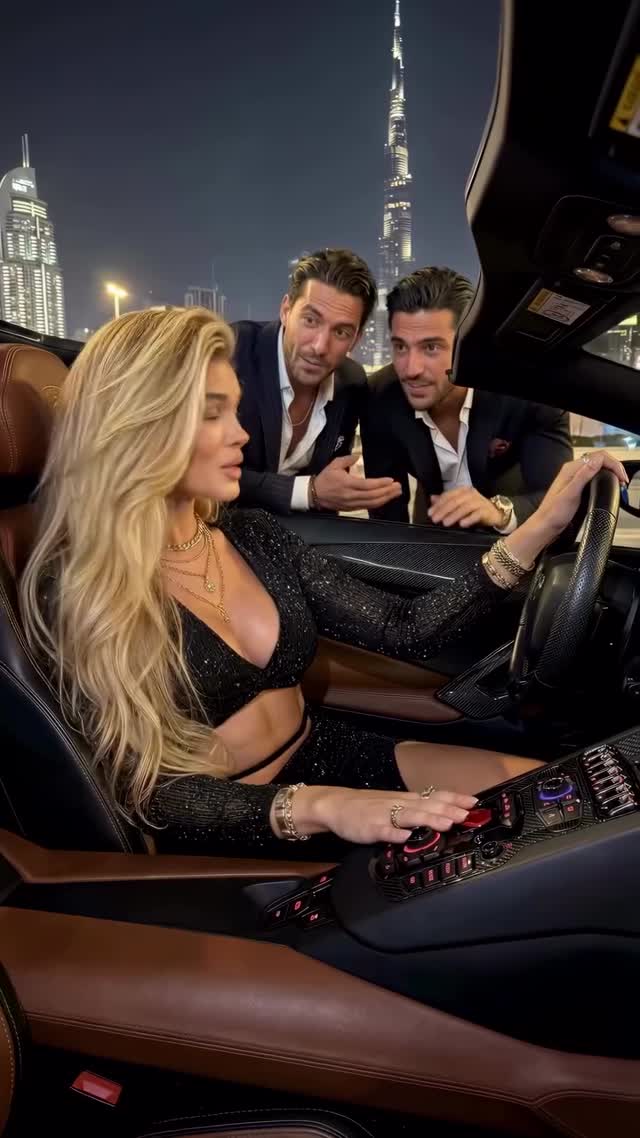
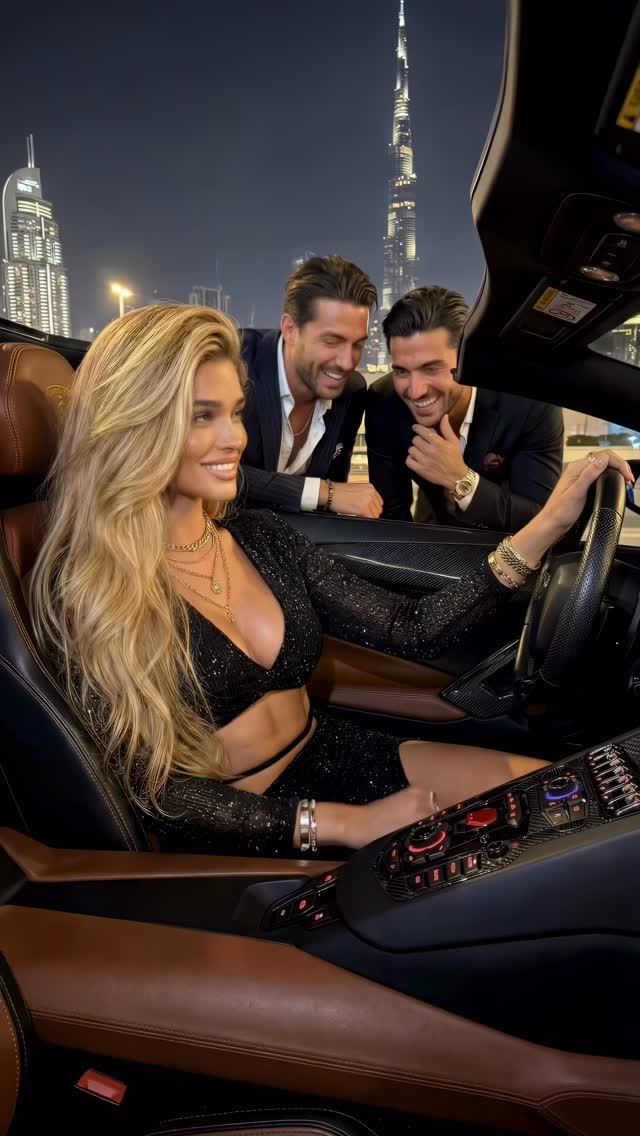
This post is a strong example of teaching-by-showing. Instead of posting a generic pretty portrait, it delivers a layered cinematic setup: foreground subject, midground social interaction, and recognizable city skyline in the background. That complexity signals technical capability, which supports course-focused calls to action.
For AI creators selling education, this is exactly the right direction: prove your workflow through scene construction quality.
Why It Attracts Both Fans and Students
The image contains narrative tension. The driver appears composed while two suited men lean in and engage her through the open window. This suggests a story in progress, making the frame more scroll-stopping than a static pose.
It also demonstrates multi-layer camera control. Interior detail, human interaction, and skyline context are all readable in one shot. That is the kind of output aspiring creators want to learn, so the comment CTA for a course feels credible.
| Signal |
Evidence (from this image) |
Mechanism |
Replication Action |
| Narrative layering |
Driver foreground + two men window interaction + skyline background |
Creates story curiosity and longer dwell time |
Build scenes with foreground, midground, and background roles before rendering |
| Luxury context signaling |
Detailed leather interior and night-city environment |
Raises perceived production value |
Specify material details (leather, chrome, control panel) in prompt |
| Human interaction cue |
Gesturing suited men leaning into frame |
Makes image feel candid, not staged |
Add one interaction action between subjects (gesture, gaze, handoff) |
| Authority-based CTA fit |
Complex polished visual paired with course invite |
Demonstration validates educational offer |
Lead with proof image, then ask for keyword comment CTA |
Best-Fit Scenarios
- AI course promotion: ideal when you need to demonstrate advanced scene-building.
- Cinematic preset launches: strong for selling look-development packs.
- Storyboard teaser posts: useful for script-like visual snippets.
- Creative workflow proof posts: excellent when positioning yourself as a process expert.
Not ideal: quick tutorial step posts, minimal product showcases, or personal diary-style updates where complexity can distract.
Three Transfer Recipes
- Course promo transfer
Keep: three-layer scene depth and interaction moment.
Change: location context (rooftop, diner, airport curb).
Slot template (EN): {foreground_subject} inside {vehicle_or_space}, {midground_interaction}, {city_context}, CTA "comment {keyword}"
- Brand campaign transfer
Keep: luxury materials + night narrative tone.
Change: wardrobe styling and prop emphasis.
Slot template (EN): {hero_character} in {premium_environment}, supporting cast interaction, cinematic night lighting
- Angle tutorial transfer
Keep: same scene elements.
Change: camera position per slide (dashboard, rear seat, outside window).
Slot template (EN): {scene_constant}, compare angle A/B/C for composition impact
Aesthetic Read: Why It Feels Like a Film Frame
The shot uses converging perspective lines from dashboard and seat edges to guide the eye toward the interaction zone at the window. This gives cinematic direction without obvious graphic overlays.
Lighting also supports hierarchy: interior warmth shapes subjects, while cooler city lights define context. That temperature contrast keeps the scene rich but readable.
Prompt Technique Breakdown
| Prompt chunk |
What it controls |
Swap ideas (EN, 2-3 options) |
| foreground driver + two background interactors |
Narrative complexity and social tension |
"solo driver" / "driver + one interactor" / "three-person dialogue cluster" |
| inside-cabin perspective |
Immersion and depth |
"backseat view" / "dashboard close angle" / "outside window view" |
| night skyline with recognizable tower |
Location aspiration cue |
"neon downtown skyline" / "harbor skyline" / "city bridge backdrop" |
| luxury leather interior details |
Premium production signal |
"sport cockpit" / "classic cab interior" / "modern EV cockpit" |
| balanced mixed lighting (interior + city) |
Readability and mood |
"cool-only night light" / "warm-only practicals" / "high-contrast noir" |
Execution Steps
Baseline lock: lock subject count and roles, lock interior angle, lock skyline visibility.
One-change rule: one variable per render set.
- Set 1: test only interaction gesture timing.
- Set 2: keep interaction winner, test focal length (24mm vs 35mm).
- Set 3: keep lens winner, test interior light intensity.
- Set 4: keep visual winner, test caption CTA phrasing for keyword conversion.
This workflow creates a direct bridge from visual quality to educational product demand.