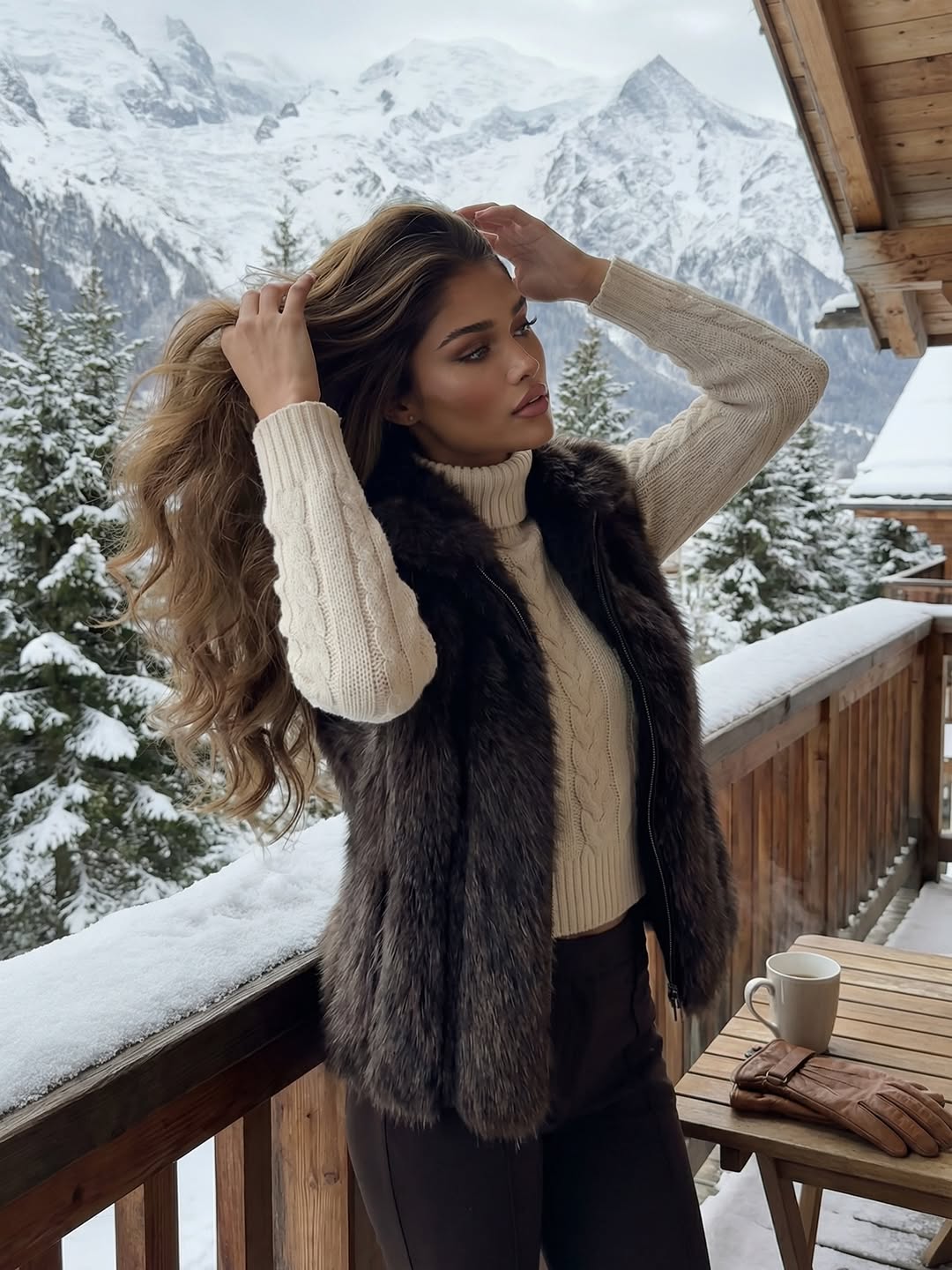

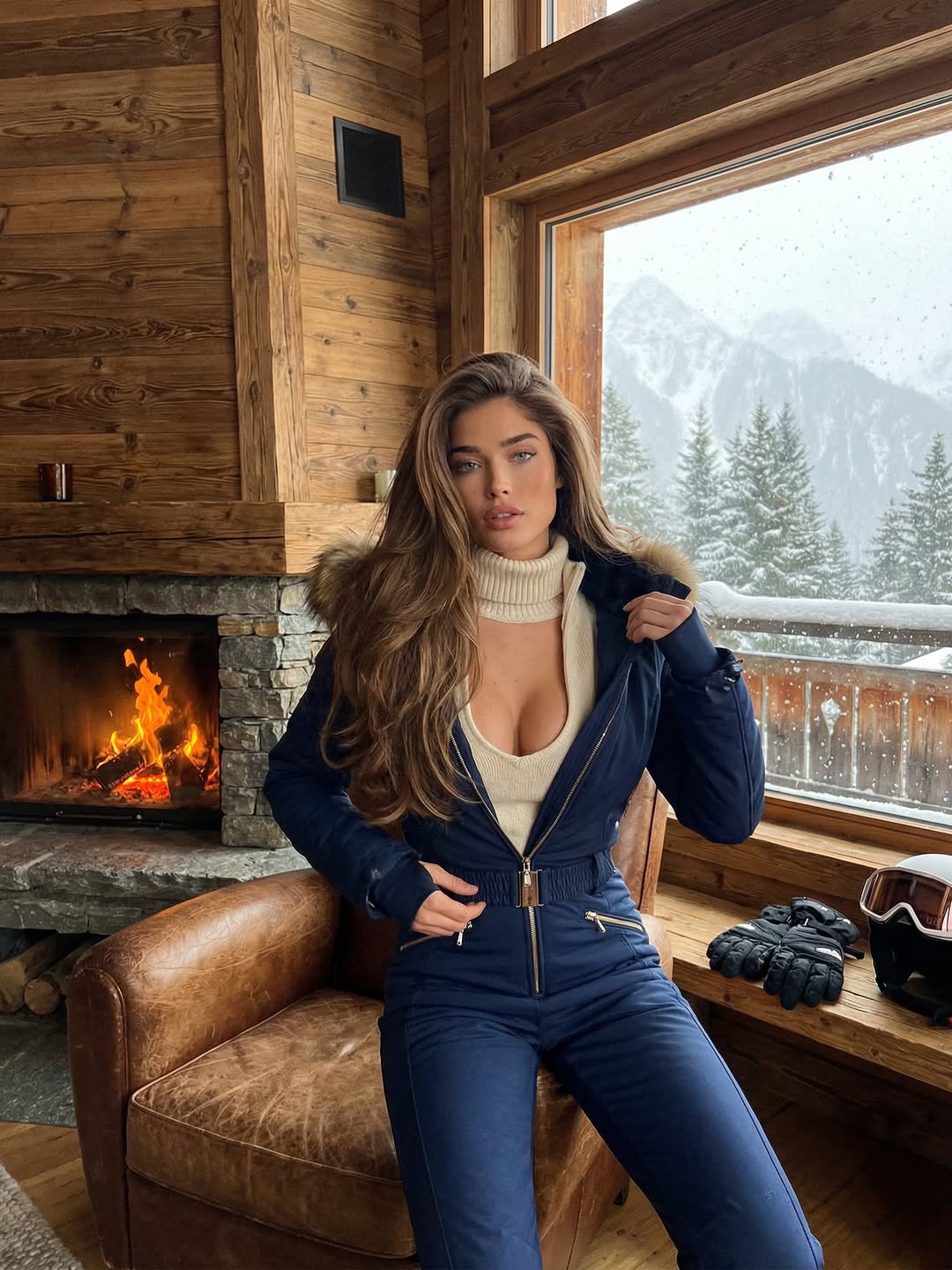
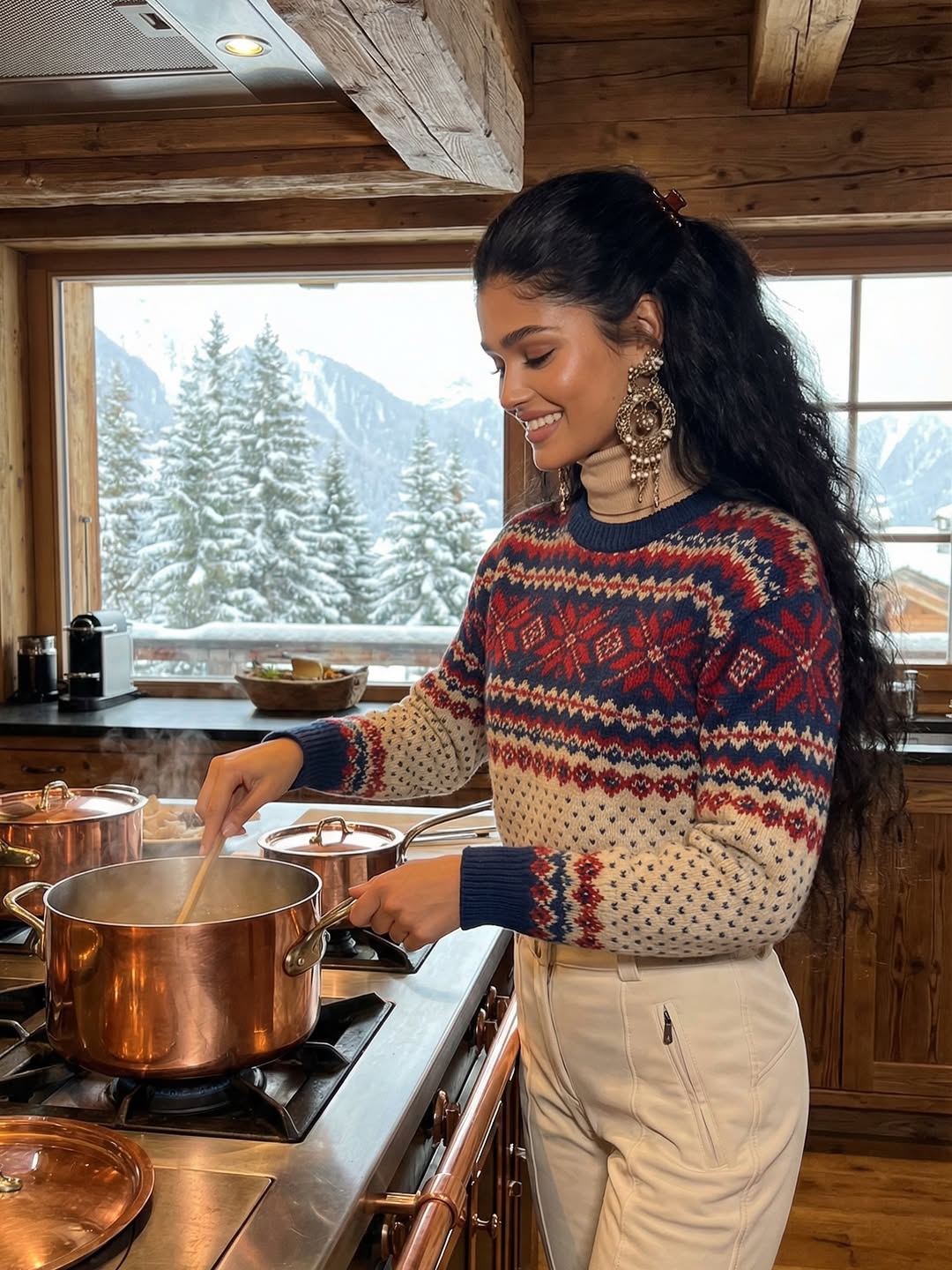
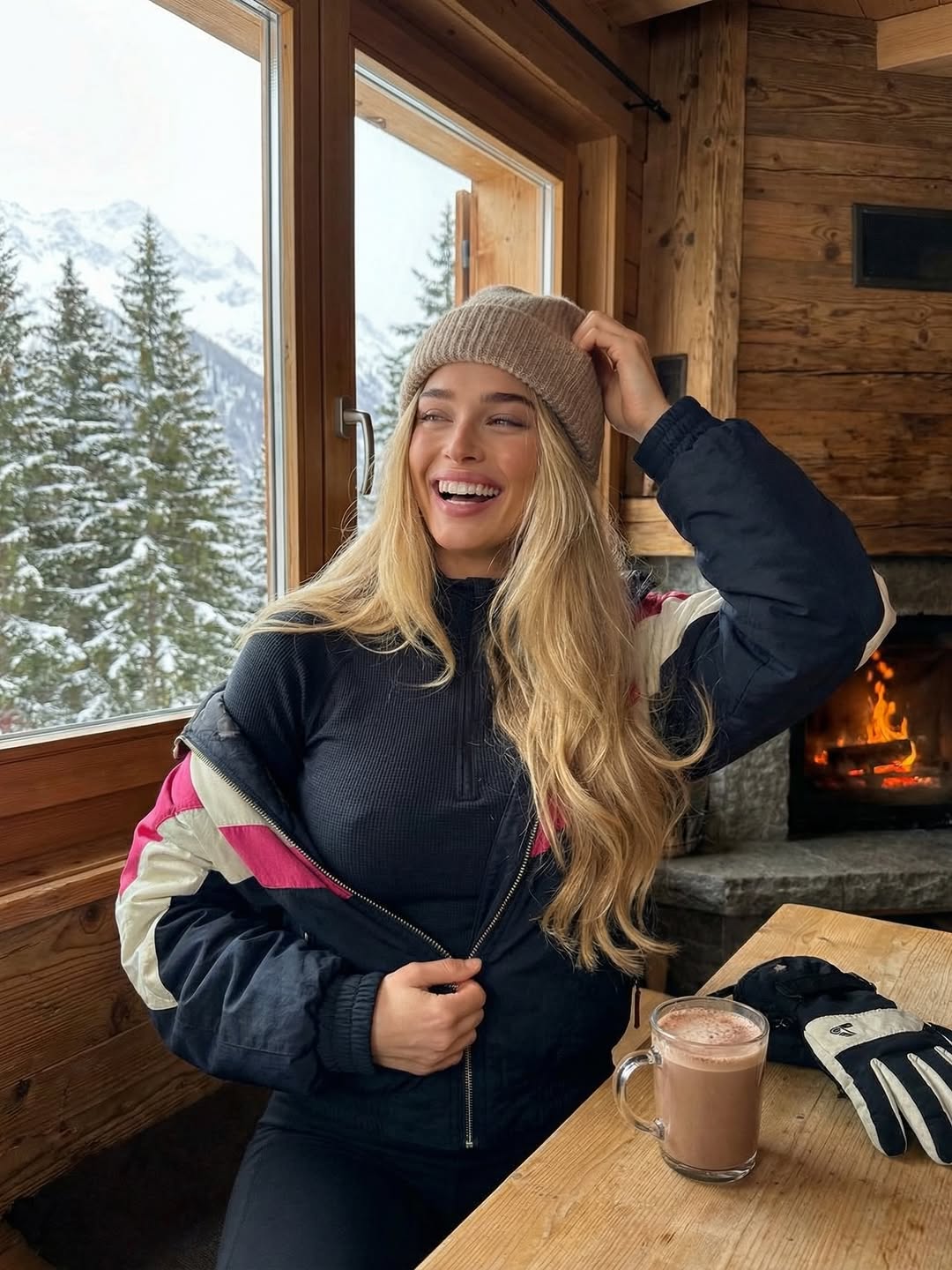
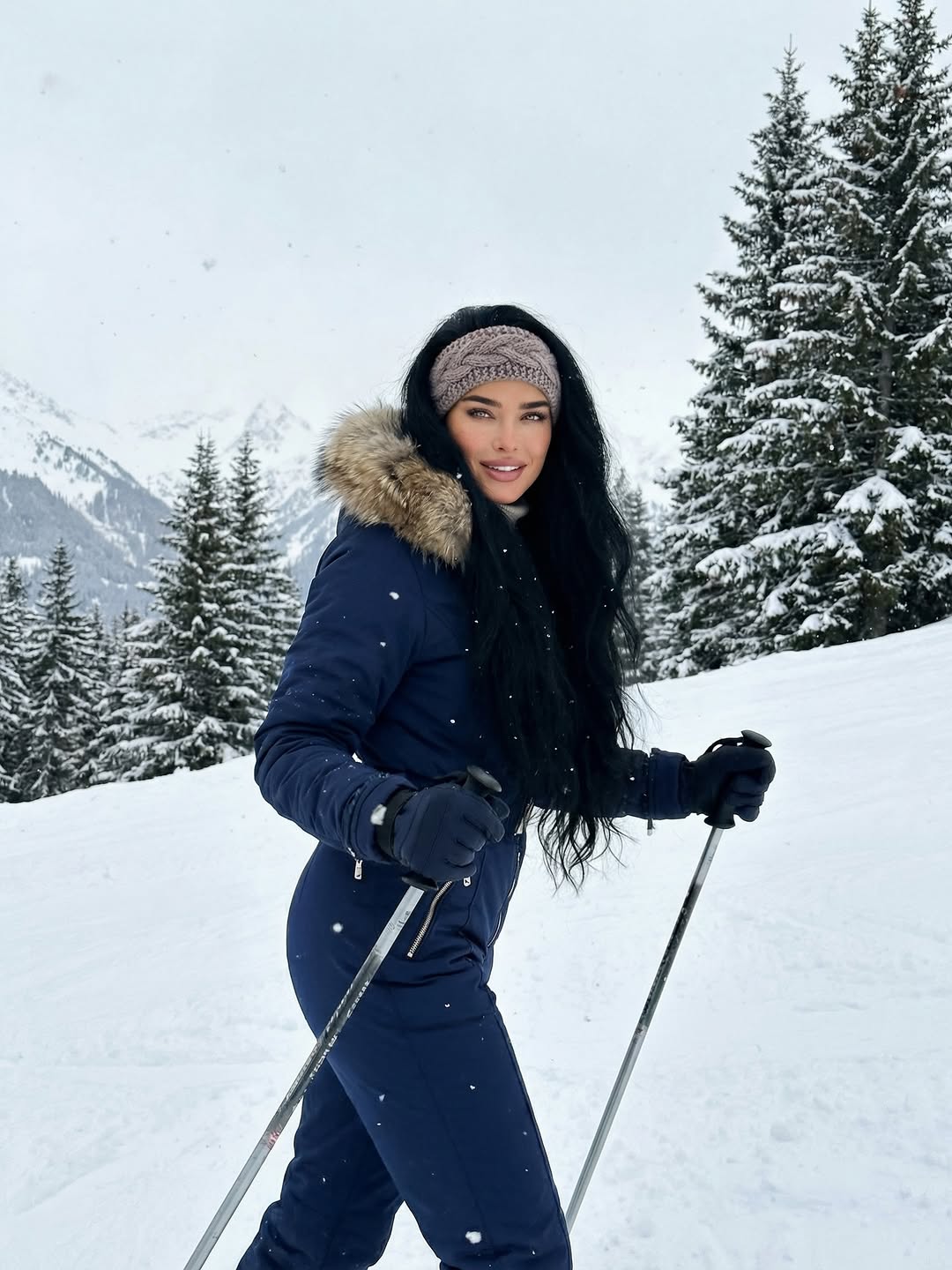
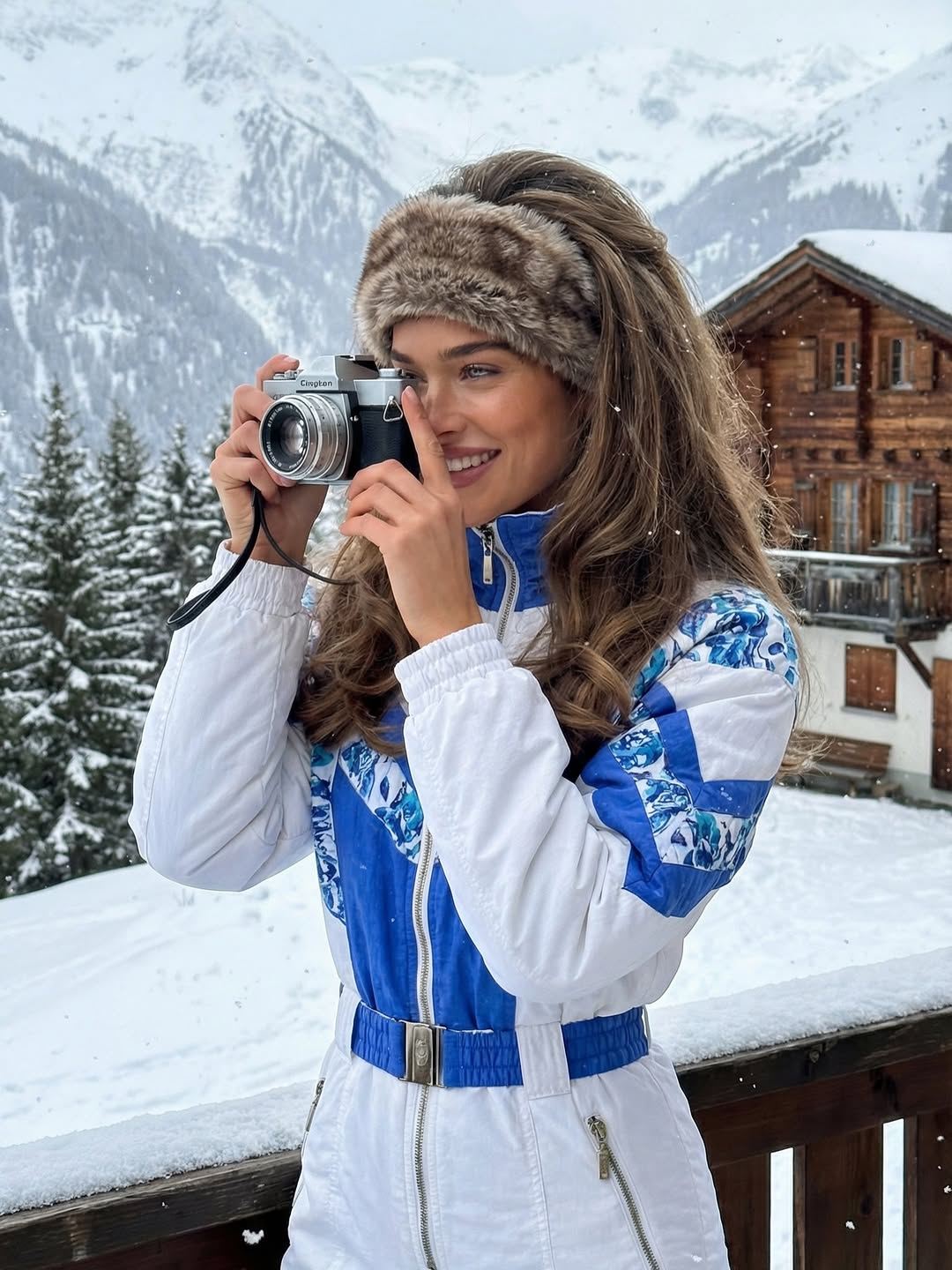
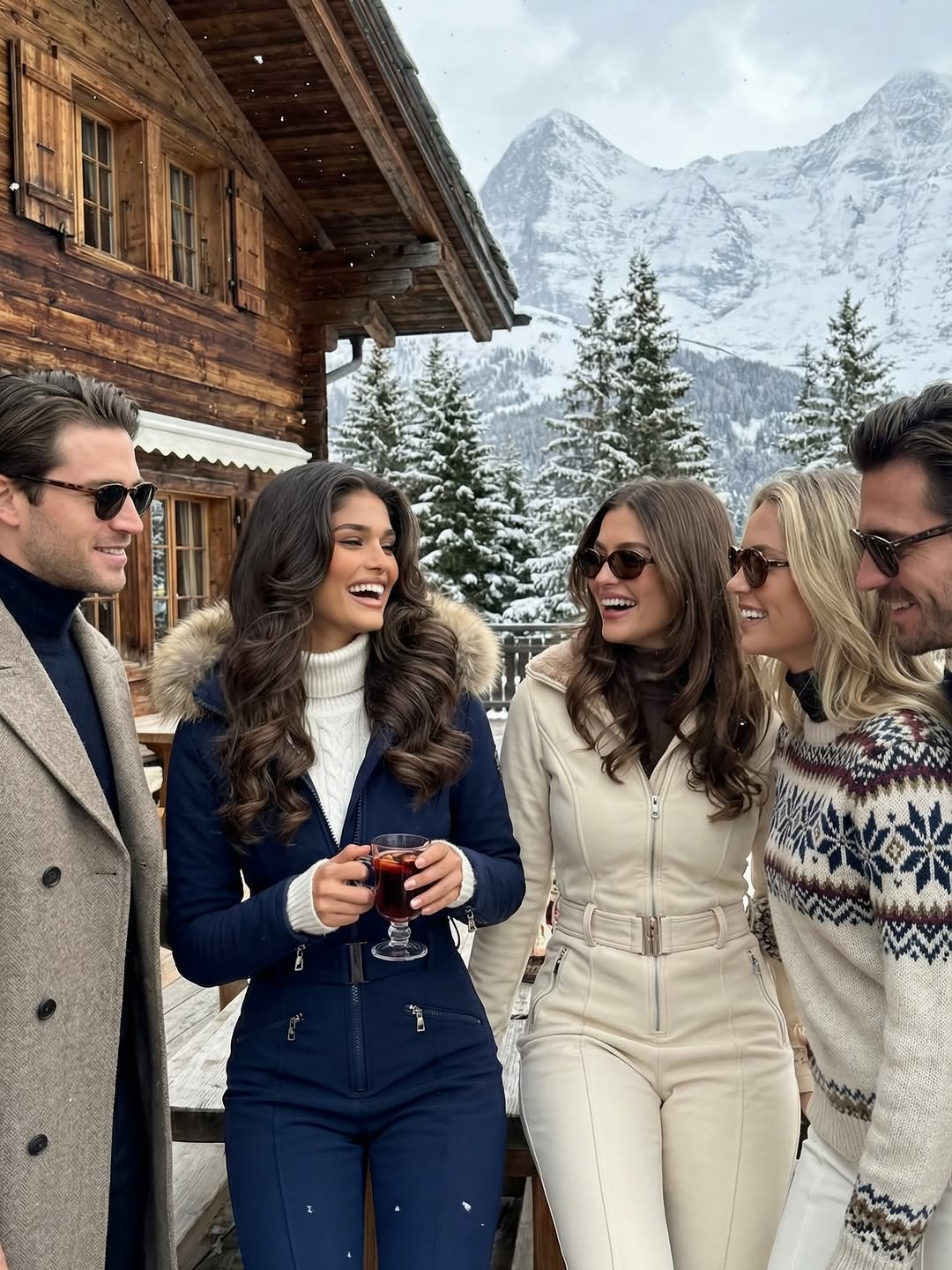
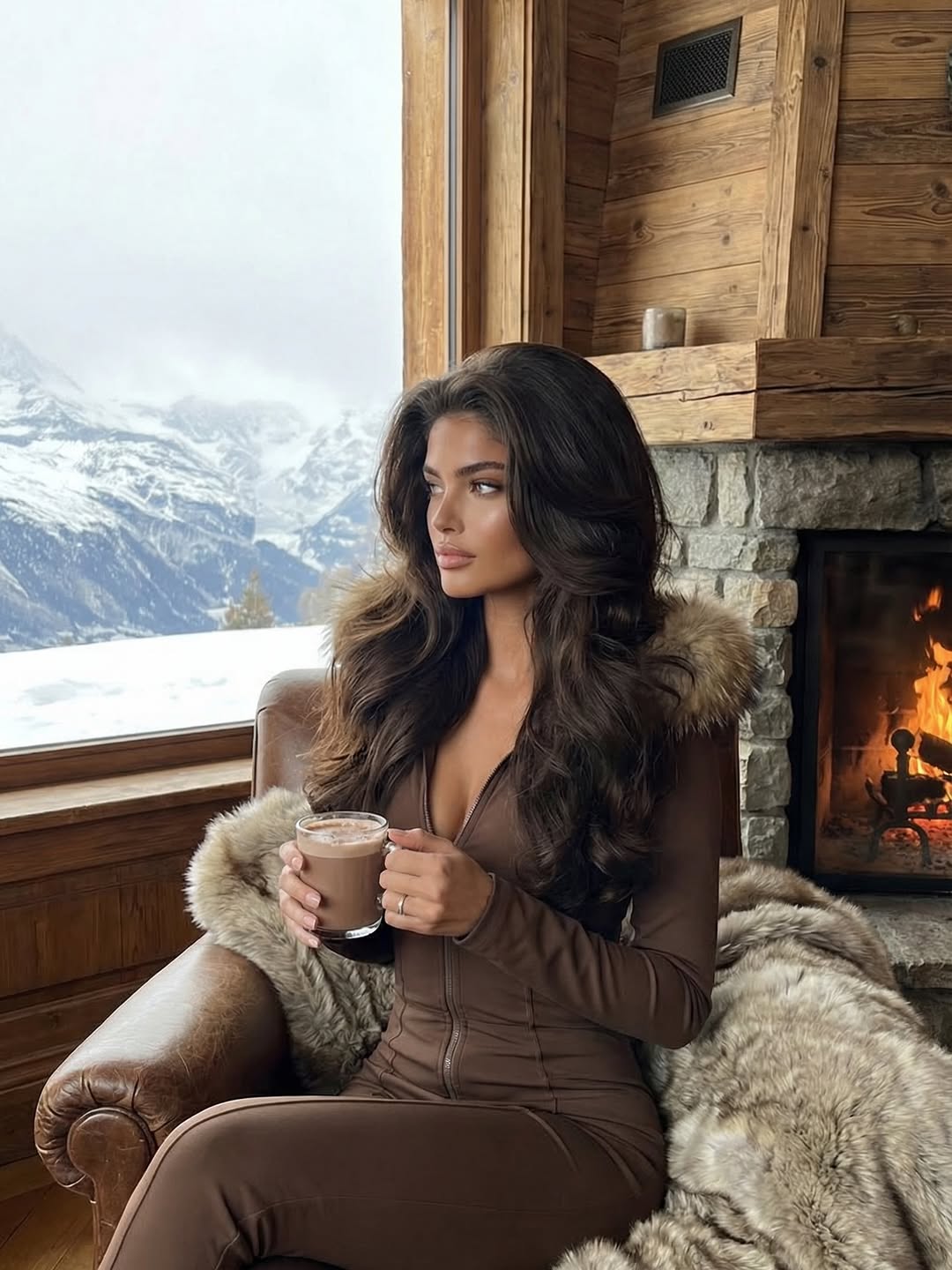
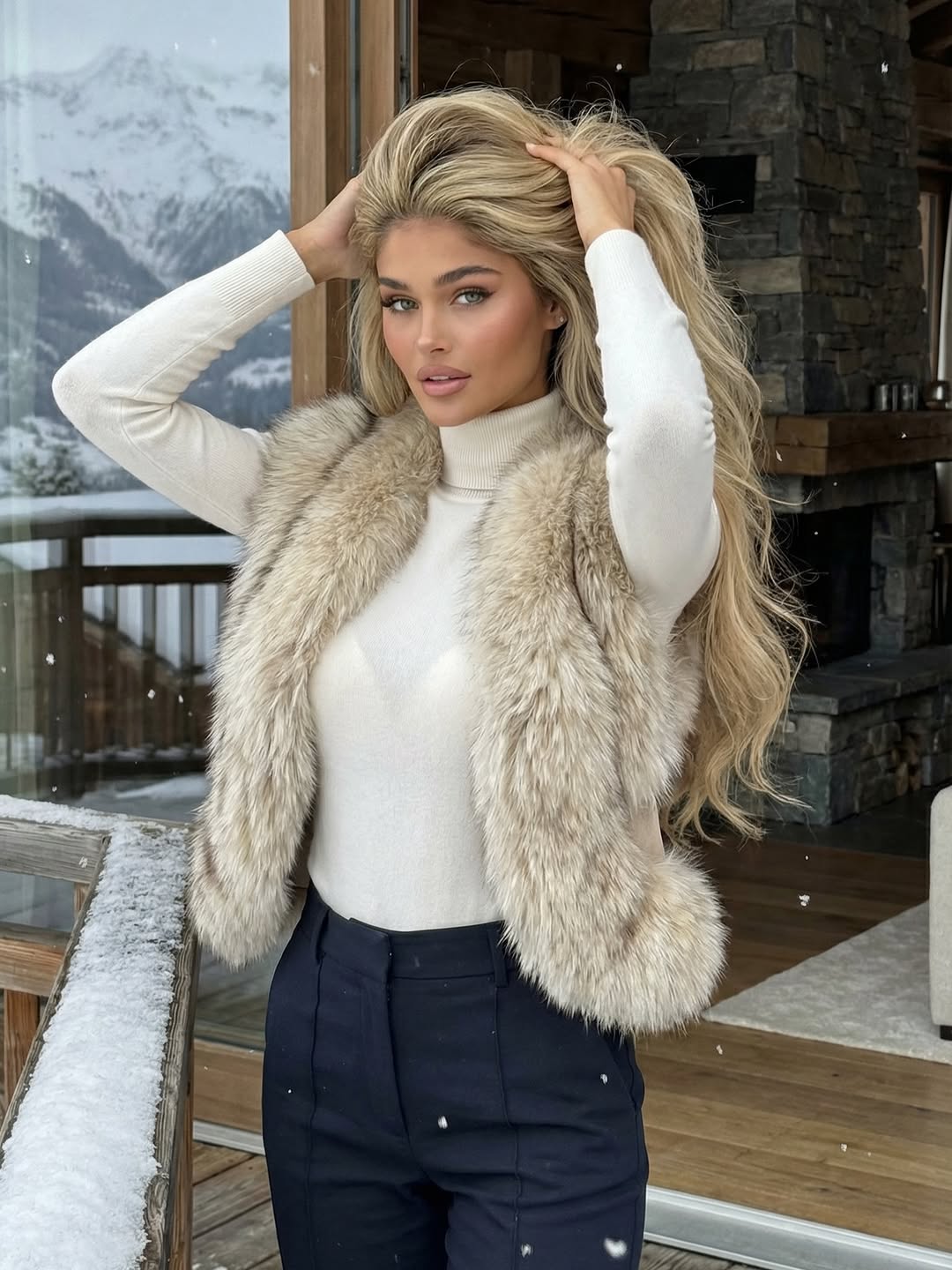

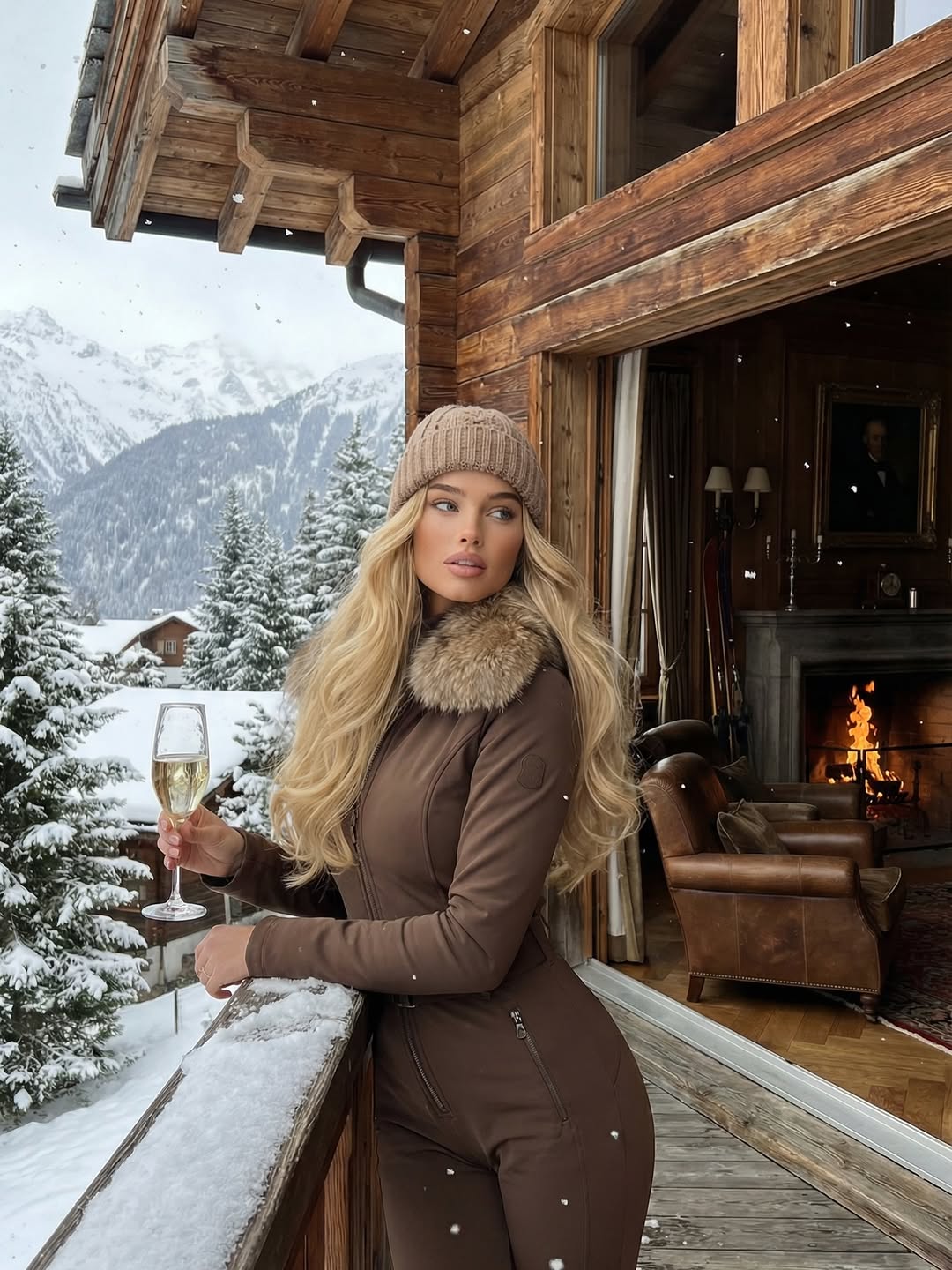
Fun on the slopes 🎿 Which one is your favorite? #aiartist #aidesign #aicreation #fashiondesigner #apreski
Fun on the slopes 🎿 Which one is your favorite? #aiartist #aidesign #aicreation #fashiondesigner #apreski
This page turns a single image into a practical growth case for small creators. The key is not copying surface style; it is reproducing the mechanism that made the frame memorable and shareable.
The image works because it compresses context, mood, and identity into one quick read. In fast-feed behavior, audiences reward frames that are instantly understandable but still feel personal and specific.
Caption cue: Fun on the slopes 🎿 Which one is your favorite? #aiartist #aidesign #aicreation #fashiondesigner #apreski. The visual language aligns with this cue through scene consistency and clean composition, which helps improve saves and profile click-through.
Observed case metadata: scene = lifestyle social media scene, palette = balanced natural tones with one accent color, likes = 2767, comments = 68.
| Signal | Evidence (from this image) | Mechanism | Replication Action |
|---|---|---|---|
| Instant readability | Clear subject hierarchy and uncluttered frame | Low cognitive load increases scroll-stop rate | Lock one primary focal subject and remove secondary noise |
| Mood coherence | Scene and caption point to the same emotional direction | Consistency improves memory and trust | Write caption after framing visual mood, not before |
| Repeatable format | Simple, structured visual grammar | Enables fast iteration without losing identity | Keep 3 constants and change only 1-2 knobs per remix |
The strongest aesthetic property is controlled clarity. The frame prioritizes one visual thesis, then supports it with clean depth, reliable lighting, and limited palette noise. This keeps the image premium without feeling overproduced.
For recreation, focus on objective cues: subject fill ratio, background cleanliness, light direction, and texture realism. These are the variables that maintain platform performance while still allowing creative variation.
| Observed | Recreate | Why it matters |
|---|---|---|
| Feed-native vertical framing | Use 5:6 or 9:16 with clean focal center | Maximizes mobile readability |
| Coherent scene identity (lifestyle social media scene) | Preserve environment class while changing micro-props | Protects narrative clarity |
| Limited palette (balanced natural tones with one accent color) | Keep one accent family and one neutral base | Improves thumbnail recognition |
| Prompt chunk | What it controls | Swap ideas (EN, 2-3 options) |
|---|---|---|
| subject + pose/gesture | Character readability and emotional signal | standing portrait / seated POV / walking stride |
| scene + background cleanliness | Context and cognitive load | open landscape / cafe tabletop / urban street |
| lighting direction + softness | Mood and material realism | soft side light / sunset rim light / diffuse overcast |
| lens feel + depth of field | Hierarchy and subject separation | 28mm documentary / 35mm lifestyle / 50mm shallow depth |
| texture realism + imperfections | Authenticity versus synthetic look | micro-grain / subtle condensation / natural fabric wrinkles |
Baseline Lock: lock composition, lighting direction, and lens feel first.
One-change rule: change only 1-2 knobs per run so attribution stays clear.