I created my first short film, 100% AI-generated.
After three years of producing ultra-short content for social media, I’m proud to finally share my first short film, “BURN”.
This film was created as part of the @promptclub.ai x @mediawan.officiel challenge: producing a 3-minute film around the theme FICTION, premiered at Mediawan’s offices, and now available on my channels!
Through this project, I discovered a new kind of pleasure: a different way of creating and storytelling, while weaving in my conscious inspirations, such as Ari Aster and Vince Gilligan.
I’ll let you discover the beast. I hope you enjoy it, and I’d love to hear your feedback in the comments! 💭
LINK IN BIO.
How ifonly.ai Framed This Burn Short Film Poster AI Art — and How to Recreate It
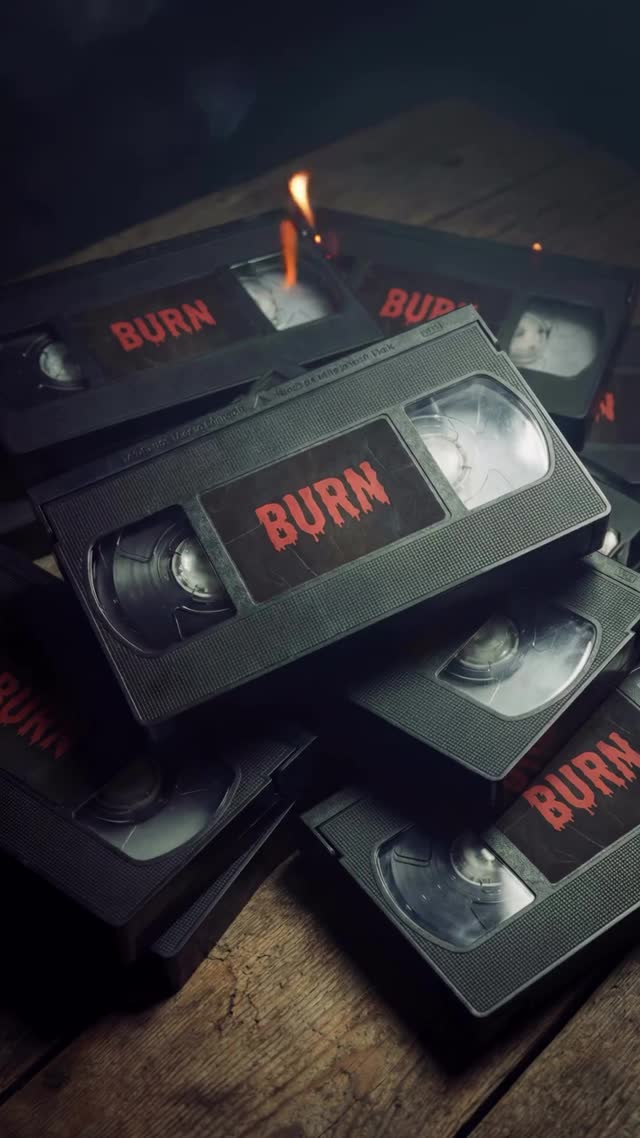
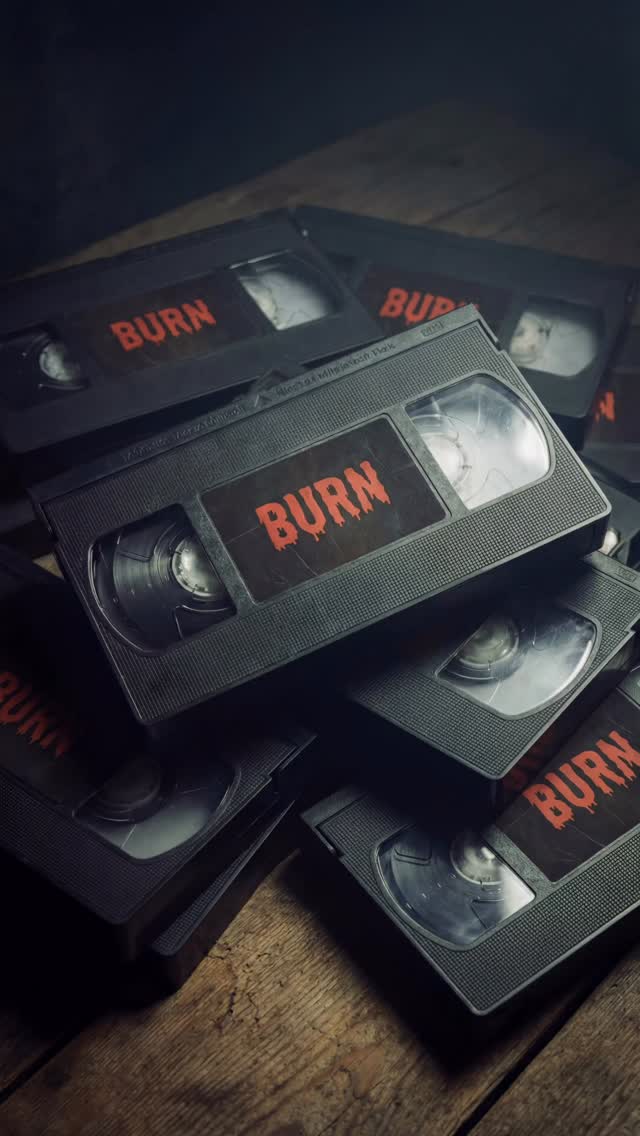
This image is a masterclass in instant genre signaling. You do not need a character, a face, or a location. A pile of VHS tapes, one word in red, and a tiny flame is enough to create a story in the viewer’s head. That is what makes it spread: the audience completes the narrative for you.
Why it travels
Three things happen in the first second. First, the word “BURN” reads clearly and repeatedly, which makes the frame feel like a deliberate artifact rather than a random still life. Second, VHS is nostalgia with texture. It instantly cues “found footage,” “lost tape,” and “forbidden recording.” Third, the flame adds danger. It is the smallest object in the image, but it is the emotional center.
For creators, the real lesson is this: you can build a viral hook with props + typography + mood. When the viewer can infer a whole film from one frame, they are more likely to save it, share it, and comment with interpretations.
Signal
Evidence (from this image)
Mechanism
Replication Action
Instant genre code
VHS tapes + low-key lighting + haze
Viewers recognize “analog horror” immediately
Pick one prop category that screams a genre (VHS, CRT, cassette, Polaroid)
Repeatable headline
Same word (“BURN”) on multiple labels
Repetition increases memorability
Use one short title word and repeat it 3–6 times in-frame
Micro danger cue
Small flame at the top
Creates tension and implied story stakes
Add one “risk” object (flame, smoke, broken glass) but keep it subtle
Tactile realism
Plastic texture, wood grain, film-like contrast
Texture invites zoom and saves
Prioritize surface detail and controlled shadows over extra props
Use cases and transfers
Best-fit scenarios
Short film promos: one prop system + one title word is enough for a teaser slide.
Music releases: use the same composition to brand a single or EP.
Creator series identity: repeat the analog object, swap only the word (BURN, HUSH, LOOP).
Event posters: a still-life poster is easy to share without needing a face.
World-building posts: build lore through artifacts instead of exposition.
Not ideal
Personal vlogs where the human relationship is the main value.
Product explainers that need clear functional details.
Bright lifestyle brands where darkness would confuse audience expectations.
Transfers (3 remix recipes)
Keep: low-key lighting + repeated word labels. Change: prop category. Template: "stack of {prop}, repeated red labels reading {title}, cinematic haze".
Keep: wood + plastic texture realism. Change: danger cue. Template: "analog artifact still life with {danger cue} and one-word title".
This image feels like a poster because the composition is built around a single readable block: the label. Everything else supports that block. The props are layered for depth, the vignette pushes the eye inward, and the flame adds a narrative arrow.
The key is control. If you add too many objects, it becomes messy. If you remove the flame, it loses tension. If the word is not readable, it stops being a hook. Keep the system tight and the audience will do the storytelling for you.
Observed
Recreate
Why it matters
Repeated title word
One word, high contrast, repeated across props
Memorability and shareability
Low-key film lighting
Deep shadows, soft highlights, no bright background
Genre coding without explanation
Tactile surfaces
Plastic texture + wood grain, subtle grain in the image