The Anime Glasses Collaboration: How imma.gram Built This AI Art
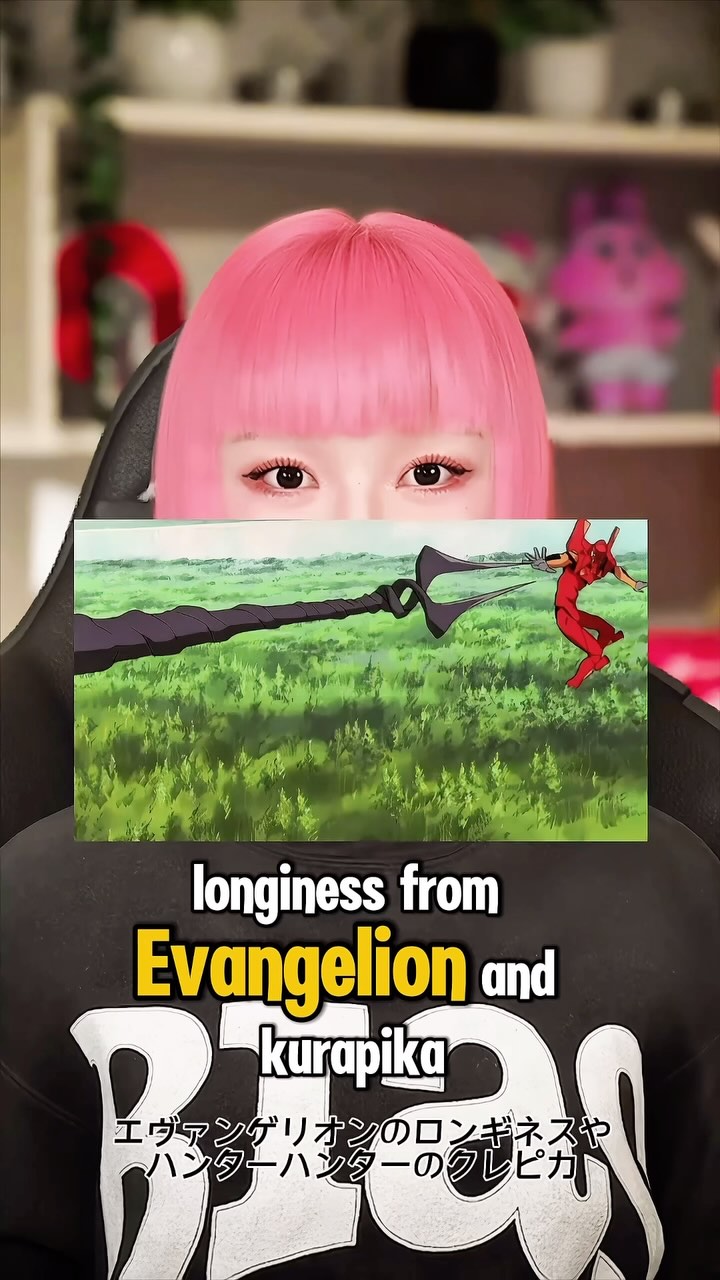
This post performs because it mixes personality and fandom literacy in one simple composition. The creator does not show a full face. Instead, the eyes peek above a text-heavy anime meme board. That choice creates immediate curiosity and invites viewers to read, decode references, and comment their own interpretation.
It also aligns perfectly with collaboration storytelling. The caption talks about anime-inspired glasses and asks what franchise should be next. The image supports that conversation by behaving like a visual prompt, not a final ad. For creators, this is a strong tactic: when you want replies, build a frame that leaves room for audience participation rather than closing the narrative.
Signal Table
| Signal | Evidence (from this image) | Mechanism | Replication Action |
|---|
| Partial-face tease | Only eyes and bangs are visible above the board | Incomplete facial reveal increases curiosity dwell | Use controlled face occlusion to create a playful "peek" effect |
| Reference density | Board combines anime still + bilingual meme text | Fandom audiences engage by decoding references | Layer one visual reference and one text reference in the same prop |
| Question-ready visual | Image feels like a prompt card, not a polished ad | Open-loop framing drives comments and idea submissions | Pair meme-style visual with a direct "what should be next?" CTA |
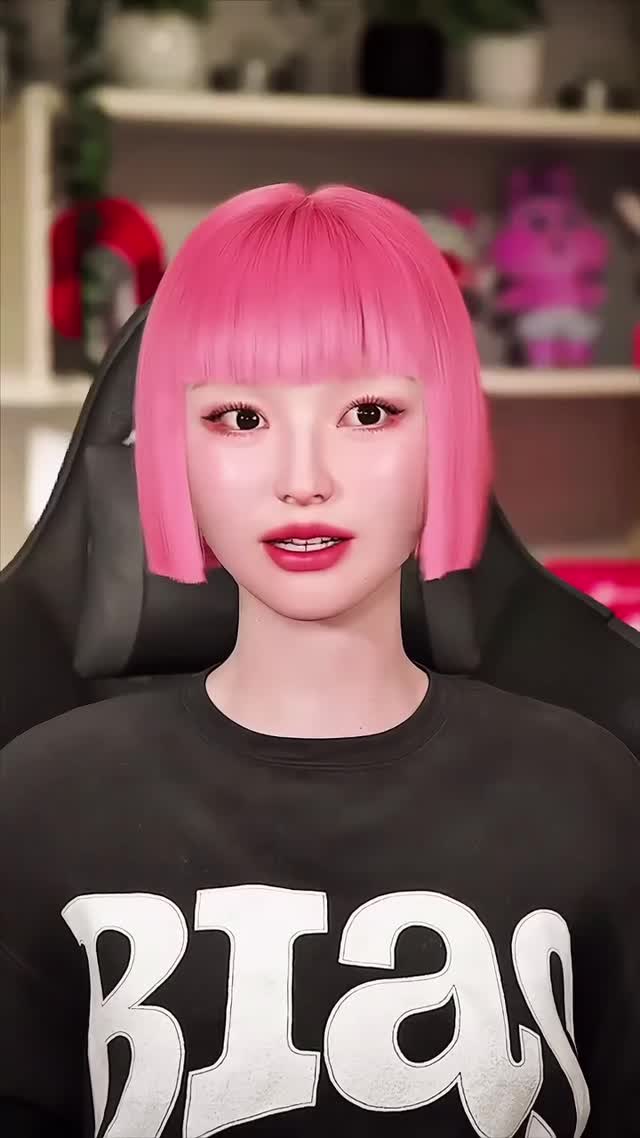
| Identity anchor | Pink bob remains recognizable despite face being hidden | Brand continuity survives experimentation | Keep one stable visual identifier when testing playful formats |
Use Cases and Transfers
- Collab ideation posts: ideal when you want audience input for next drop concepts.
- Fandom-community engagement: works well for anime/game/music reference debates.
- Meme-led product storytelling: strong for early-stage hype without hard selling.
- Story repost bait: compact visual that followers can easily screenshot and react to.
Not Ideal
- Premium luxury launches: meme-heavy styling may weaken high-formality tone.
- Technical product explainers: text on board is referential, not instructional.
- Face-beauty campaigns: lower-face occlusion reduces makeup or expression visibility.
Three Transfer Recipes
- Music fandom transfer
Keep: eye-peek framing + reference board.
Change: anime still to album lyric screenshot.
Slot template (EN): {creator_peek_pose} holding {reference_board} with {community_question_caption} - Gaming collab transfer
Keep: partial-face tease and bilingual text vibe.
Change: meme panel to game-lore panel + patch note joke.
Slot template (EN): {identity_hair_marker} above {game_reference_card} in {cozy_room_setup} - Fashion drop teaser transfer
Keep: prop-centered composition and playful ambiguity.
Change: meme board to moodboard swatch card for next collection.
Slot template (EN): {peek_expression} behind {drop_concept_card} with {open_feedback_prompt}
Aesthetic Read
The image relies on selective concealment. By covering the lower half of the face, the board becomes both prop and headline. This flips hierarchy: text and reference culture lead, personality follows through the eyes. The pink hair plays a key role as a continuity marker, keeping the creator instantly identifiable even with reduced facial exposure. Background shelves are softly out of focus, giving domestic warmth without stealing attention. The board's green field and bold text introduce contrast against the neutral room palette, making the central message highly scannable in feed view.
Prompt Technique Breakdown
| Prompt chunk | What it controls | Swap ideas (EN, 2-3 options) |
|---|
| Face-occlusion rule | Curiosity and interaction trigger | "eyes-only reveal", "half-face hidden", "peek-over-card pose" |
| Reference prop design | Community decoding behavior | "anime meme board", "gaming lore card", "music quote panel" |
| Identity marker lock | Creator recognizability | "pink blunt bob", "signature headband", "distinctive eyeliner" |
| Background softness | Focus control | "blurred shelf backdrop", "cozy studio bokeh", "light domestic context" |
| Text block contrast | Readability in thumbnails | "white/yellow on black", "bold subtitle bar", "high-contrast caption strip" |
| Tone directive | Post intent (fun vs formal) | "playful meme energy", "light fandom humor", "casual reaction-post mood" |
Remix Steps
Baseline Lock: 1) eyes-only reveal, 2) large reference board, 3) one stable identity marker (pink bob).
One-change rule: change one variable per generation to isolate engagement effects.
- Run 1: Build baseline with anime reference board and centered eye reveal.
- Run 2: Keep pose, change only board text density (short vs long).
- Run 3: Keep text density winner, change only background blur strength.
- Run 4: Keep blur, change only reference domain (anime to game) for comment-rate testing.