▶
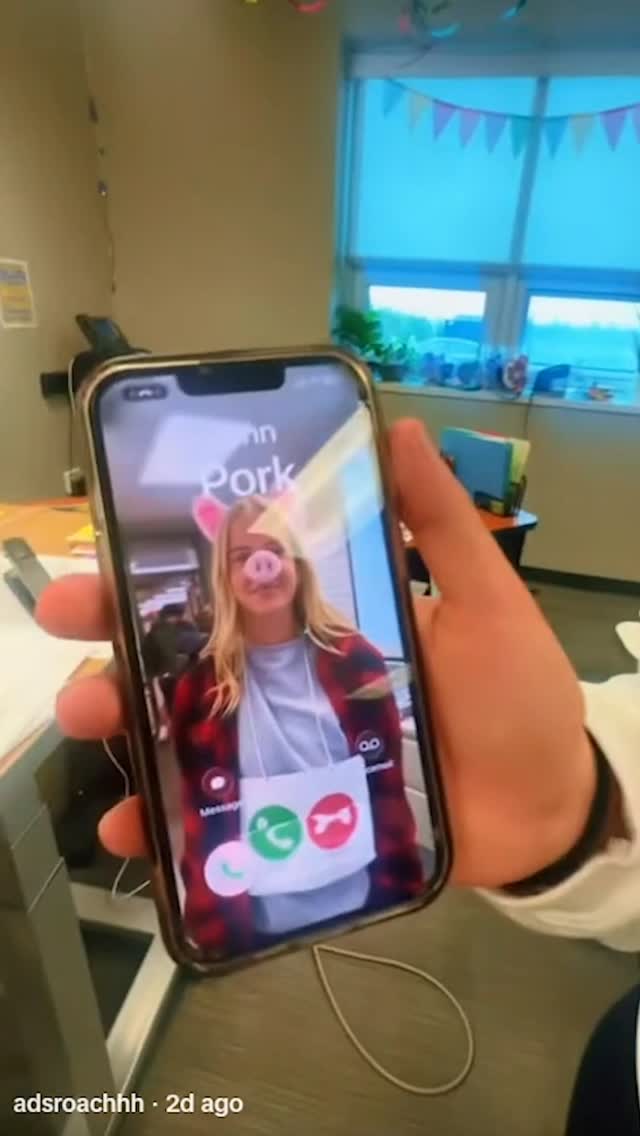
Happy Halloween guys 🐽🎃 Every year gets wilder, and the JP costumes keep leveling up! Share your look in the link in bio, gonna make a huge collage in the new house. #johnpork
Happy Halloween guys 🐽🎃 Every year gets wilder, and the JP costumes keep leveling up! Share your look in the link in bio, gonna make a huge collage in the new house. #johnpork
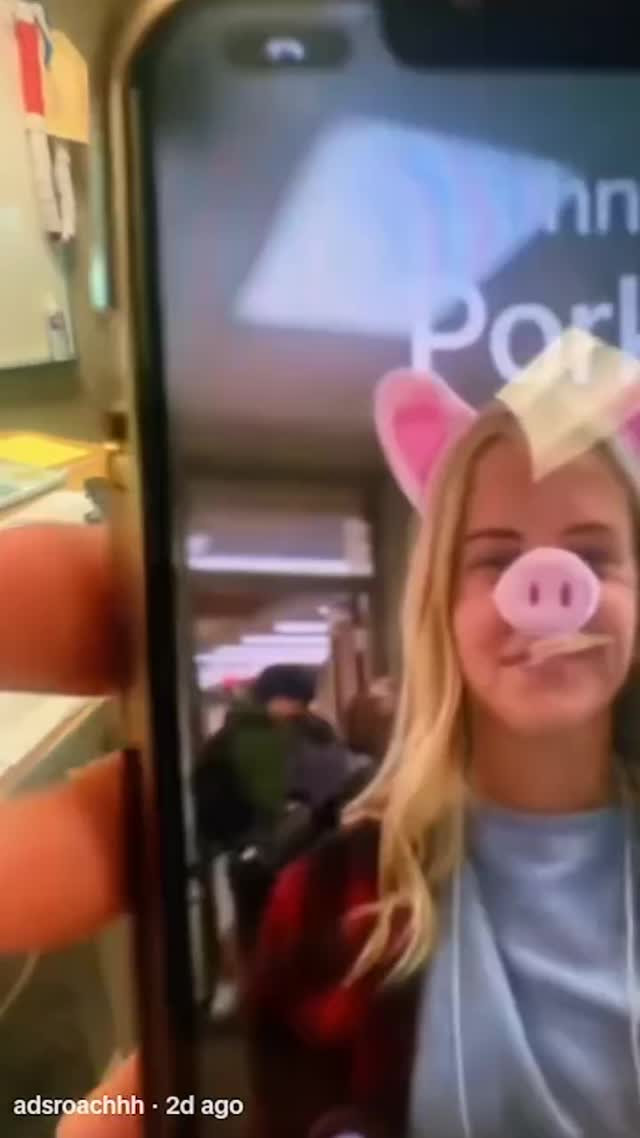
This reference is effective because it captures how internet memes move from screens into real-world Halloween costumes. The original joke is simple: a pig-faced phone-call character with the visual language of an incoming call. But the compilation shows how many different people reinterpret that idea using whatever materials they have, pig noses, ears, plaid shirts, paper cutouts, red and green phone icons, or quick filters. That variety is exactly what makes the meme feel alive.
The reel also works because it does not overproduce the concept. These clips are rough, handheld, and recognizably TikTok-native. That low-budget texture is not a flaw. It is part of the appeal. A meme costume is fun because it feels participatory and remixable, not because it looks like a studio campaign. For prompt design, that means the social texture is as important as the costume itself.
Across the compilation, the same core identifiers keep returning: the pig snout, the phone-call accept/decline icons, and the absurdity of treating a call-screen meme like a real character. Those recurring signals let the viewer understand wildly different clips as part of the same trend. Some are polished enough for mirror selfies, some are clearly improvised at home, and some are turned into carved pumpkins or glowing graphic versions. But the meme remains legible because the icon system is strong.
The use of multiple creator clips also gives the video momentum. A single John Pork costume video might land one joke. A compilation turns the joke into a cultural pattern. Every new variation extends the meme by asking, how else can this silly character be embodied? That accumulation is what gives the reel energy and makes it worth watching longer than one isolated TikTok.
The Halloween angle is especially effective because the costume is instantly recognizable once the pig nose and call buttons are present, but it still leaves room for improvisation. That is an ideal meme-costume formula: strong enough to identify quickly, flexible enough to personalize cheaply.
To recreate this style, do not prompt for a polished cinematic narrative. Prompt for a vertical compilation assembled from short UGC clips with different people, rooms, outfits, and camera qualities. Lock the recurring meme elements, pig snout, pig ears or headpiece, red and green phone icons, awkward reveal energy, then allow each clip to vary in execution. That variability is part of what makes the trend feel real.
It is also important to keep the edit cadence fast. The humor comes from repeated recognition. The audience sees one version, understands the joke, then gets another, slightly different version before the idea wears out. A prompt that overextends any one costume example will feel less like a meme roundup and more like a sketch.
This format is useful for Halloween trend recaps, meme-costume compilations, social-culture explainers, and party-idea content. It shows how AI prompt pages can also document internet behavior patterns, not just isolated visual aesthetics.