How kyraonig Made This XPeng Iron Female Robot AI Video
This video is structured like a social-media tech argument rather than a pure robot demo. That is why it works. Instead of only showing the humanoid walking on stage, it alternates between proof footage and a human host who frames the meaning of what the viewer is seeing. The host supplies the claims, the robot supplies the visual evidence, and the subtitles keep the pace fast enough for short-form attention.
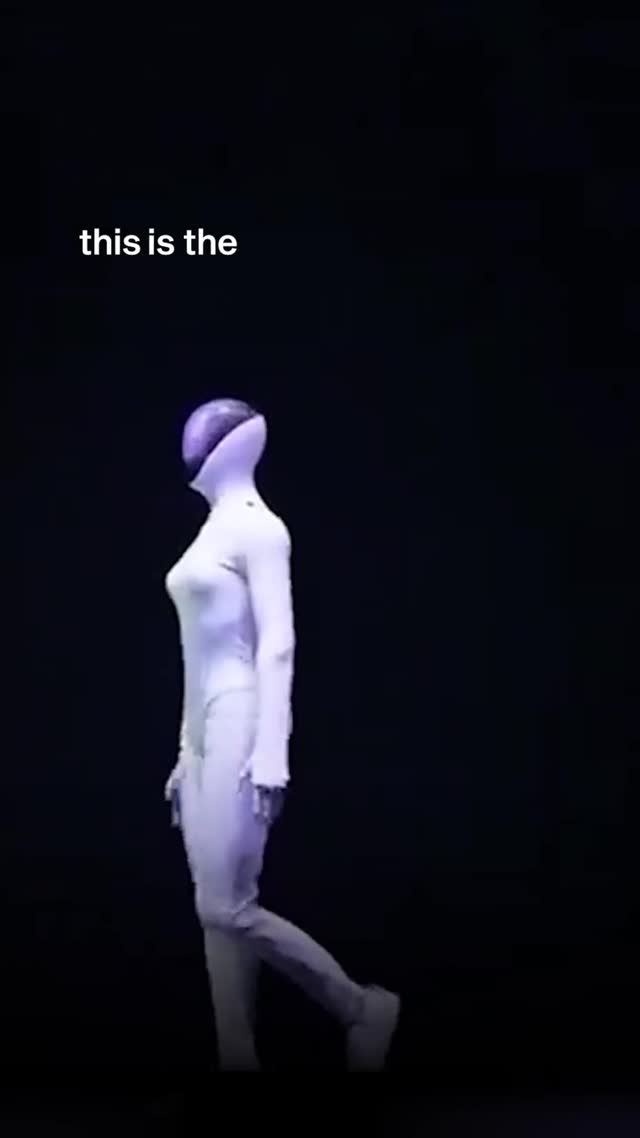
The robot footage alone is strong because the dark stage isolates the gait and body silhouette. But the talking-head sections are what turn the clip into shareable commentary. They translate “interesting footage” into a larger question about competition with Tesla, humanlike locomotion, and the future of robots in the home. That framing is what makes the content more SEO-valuable than a raw repost.
Why the Stage Footage Is Effective
The dark presentation setting is useful because it removes distractions. The white body of the robot reads clearly against black, and the viewer can focus on timing, weight shift, and the uncanny smoothness of the walk. For humanoid robot content, that simplicity is important. If the environment is too busy, the motion analysis becomes harder and the clip loses its persuasive force.
Why the Human Host Matters
The female host does more than narrate. She acts as the audience's reaction frame. Her direct gaze, short explanatory lines, and question-driven delivery make the video feel like a live interpretation of a viral tech moment. This is a common pattern in high-performing tech reels: claim, evidence, interpretation, future implication. It is a stronger format than caption-only reposting because it creates a clearer information hierarchy.
Prompt Lessons for Similar AI Tech Videos
To recreate this style, prompt for two visual modes that alternate cleanly. The first is the product-demonstration mode: dark stage, isolated subject, high contrast, readable body mechanics. The second is the host-analysis mode: well-lit talking head, direct eye contact, concise explanatory captions, and creator-news pacing. Keeping those modes distinct helps the viewer understand when they are watching evidence and when they are hearing interpretation.
You should also specify the robot carefully. “Realistic humanoid robot” is not enough. The clip depends on a feminine silhouette, soft white exterior, segmented joints, and a glossy faceplate that feels premium rather than industrial. Those details are what make the demo visually striking and keyword-relevant.
SEO Value of This Format
This kind of page can target search intent around XPeng Iron robot, realistic female humanoid robot, robot walking demo analysis, and AI hardware explainer video. A strong companion article should explain why the gait reads as humanlike, how the host-driven format improves retention, and why this category now sits at the intersection of robotics, AI branding, and viral social commentary.