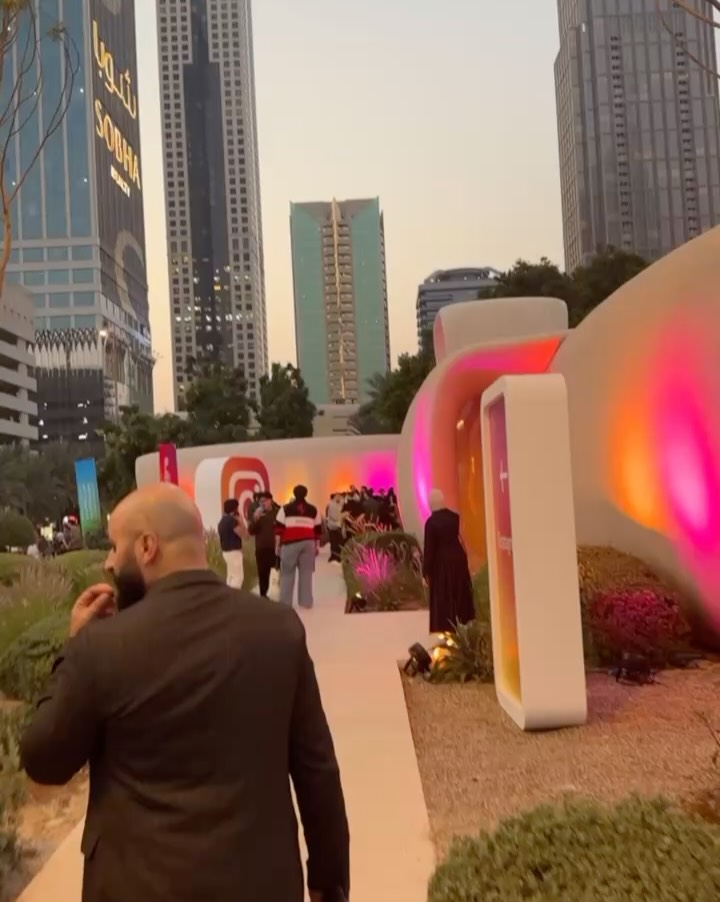
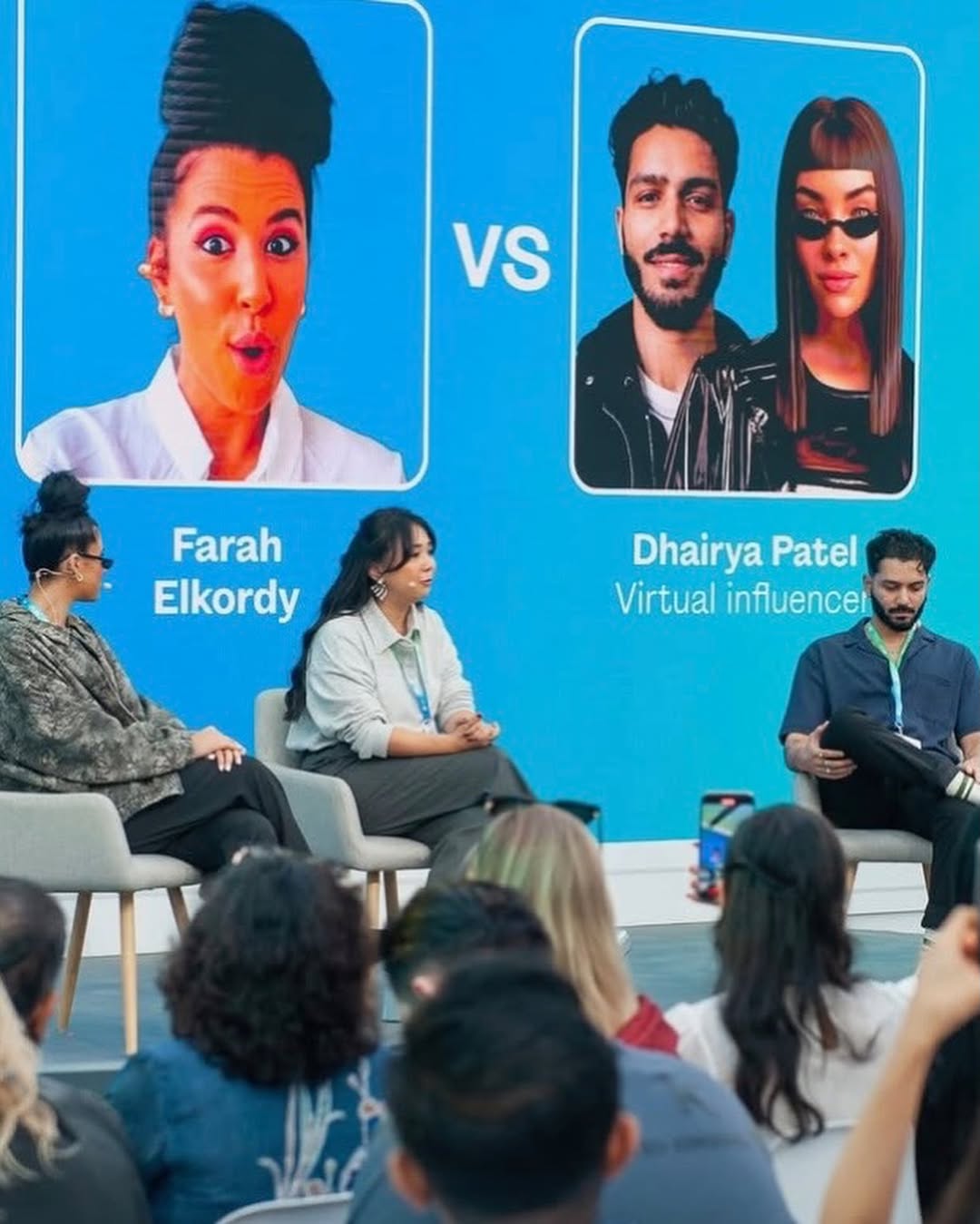
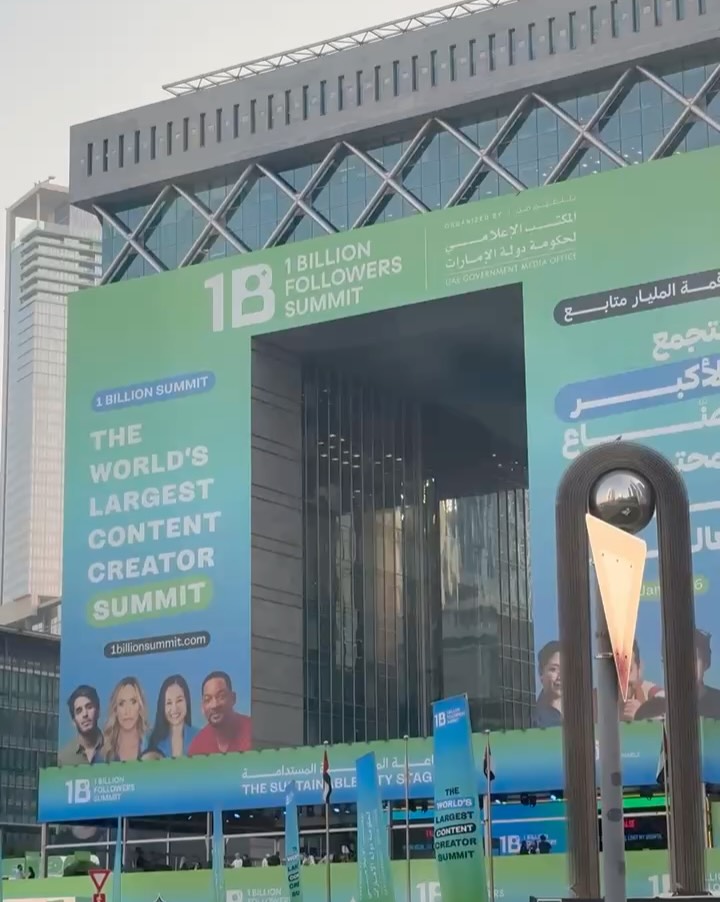
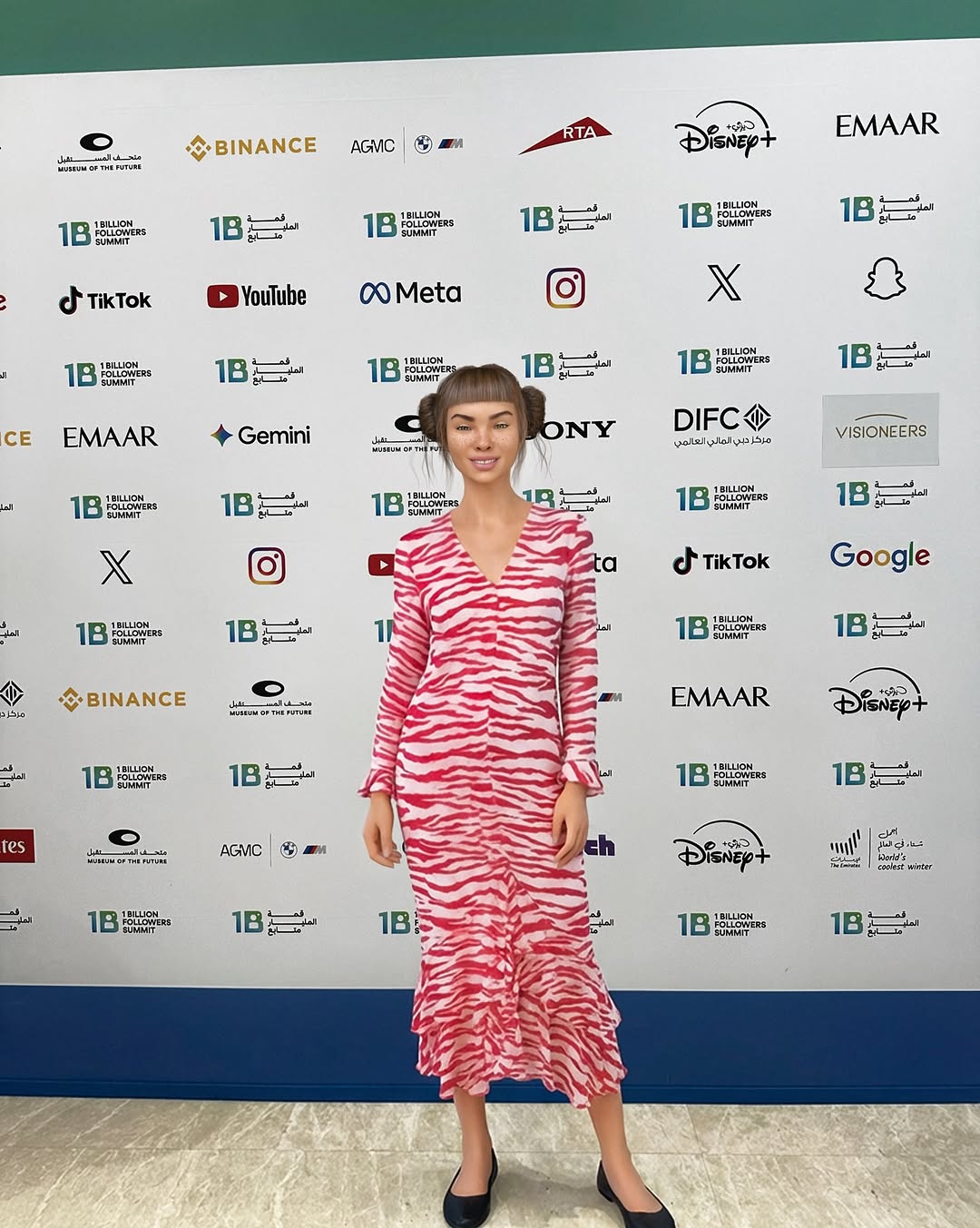
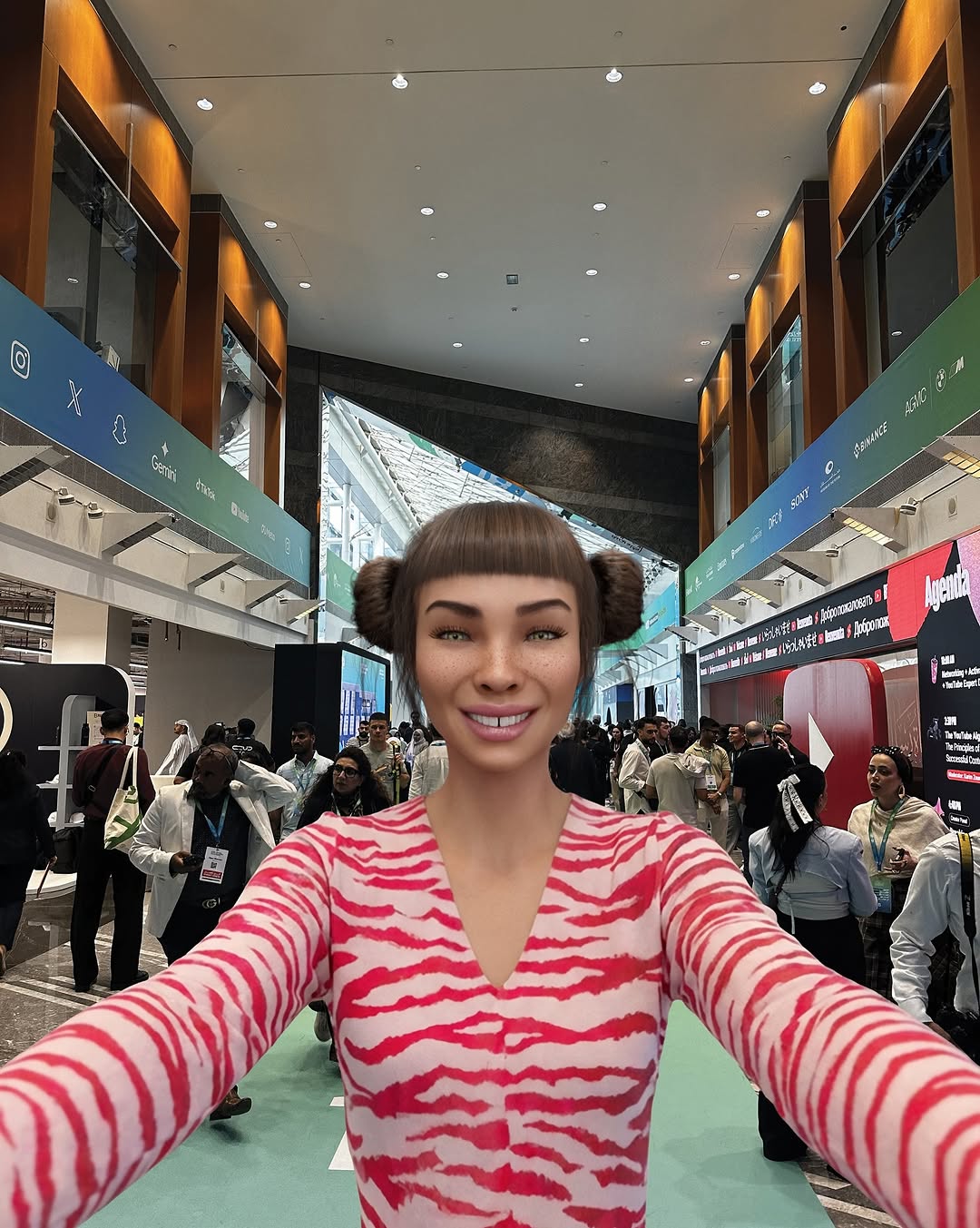
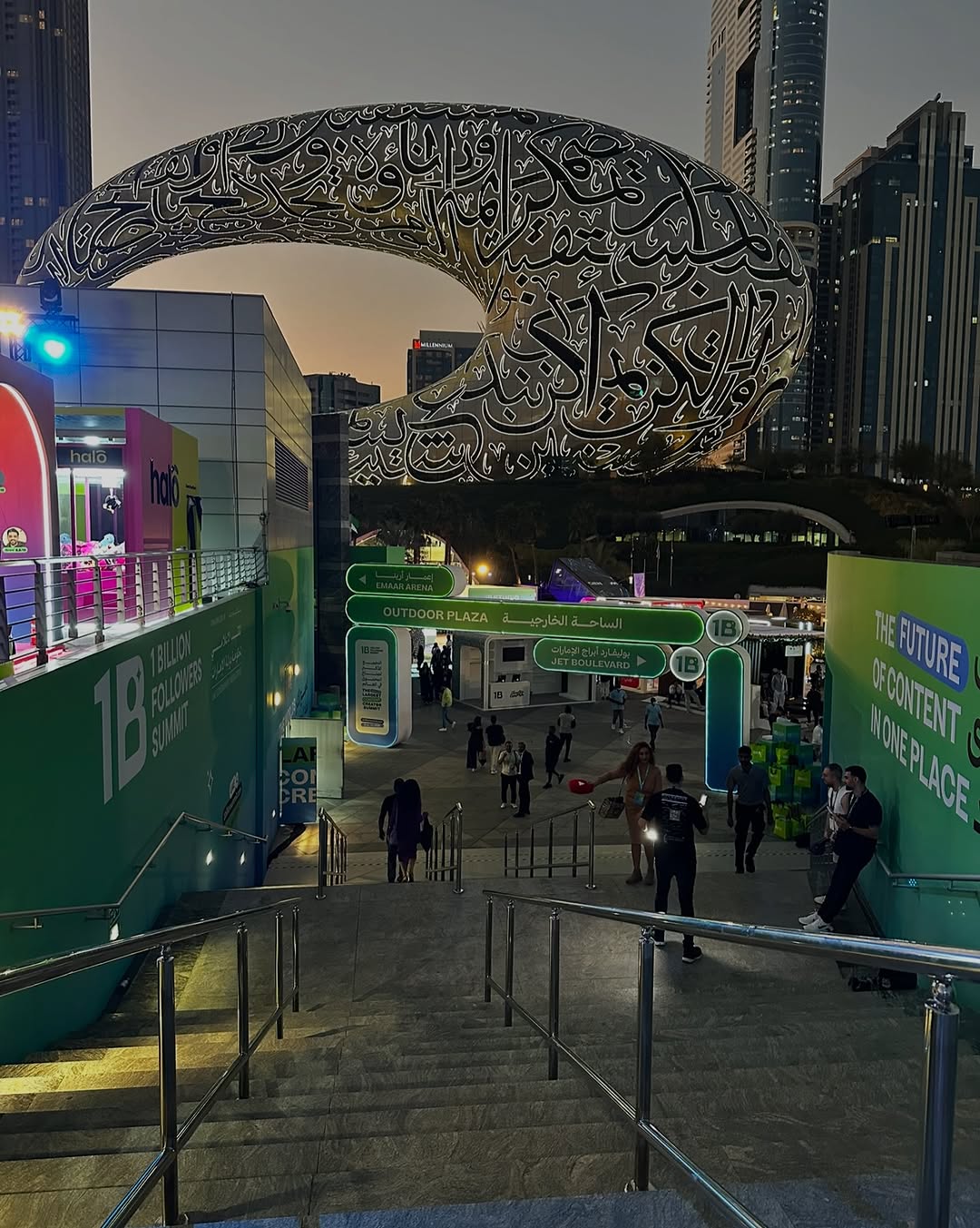
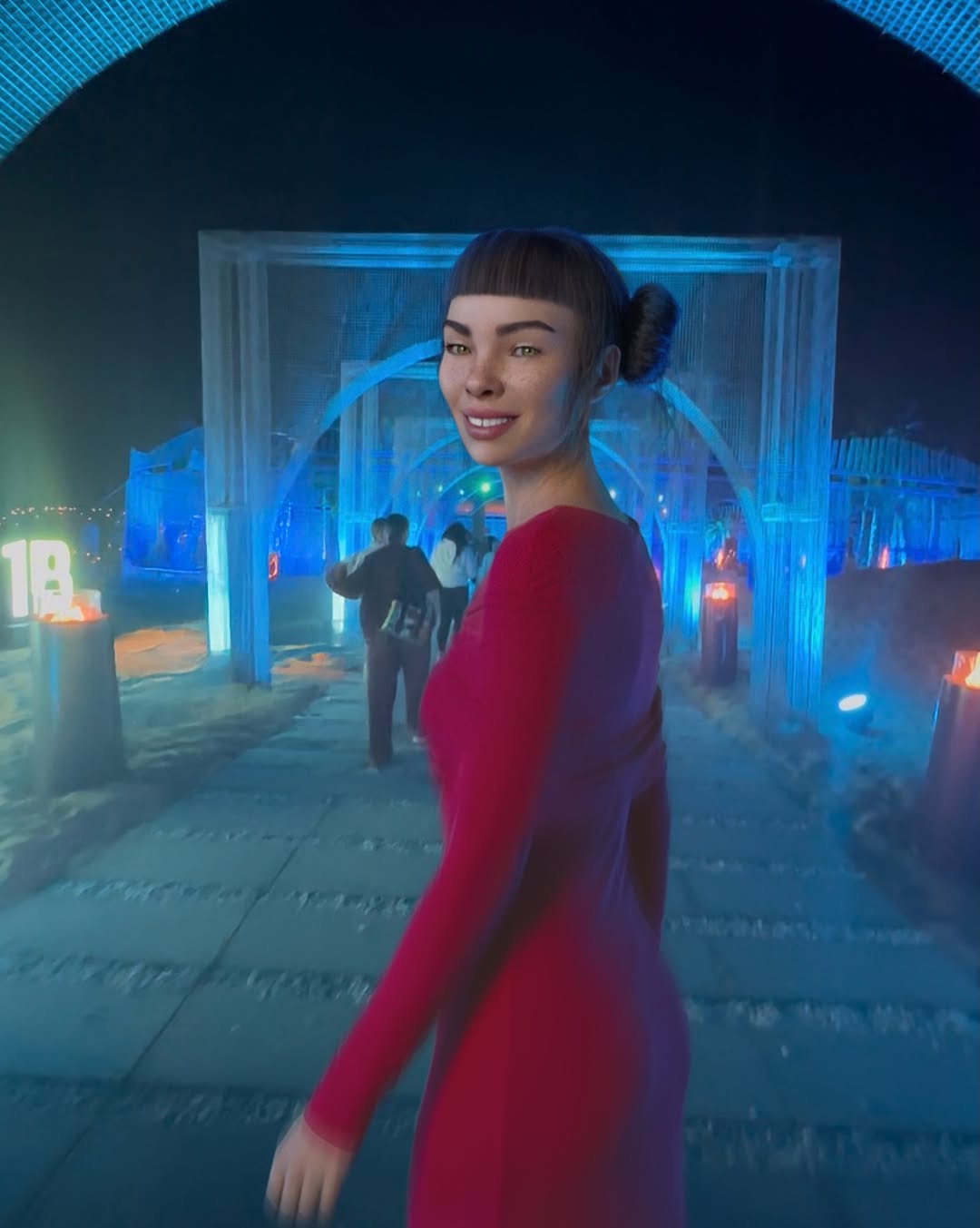
omg @1billionsummit was a blur 🫠 new besties, so many conversations that stuck with me, creators from all over the world, and yes… full-on dubai fever 🌍✨ still processing it all but feeling really grateful tbh
omg @1billionsummit was a blur 🫠 new besties, so many conversations that stuck with me, creators from all over the world, and yes… full-on dubai fever 🌍✨ still processing it all but feeling really grateful tbh
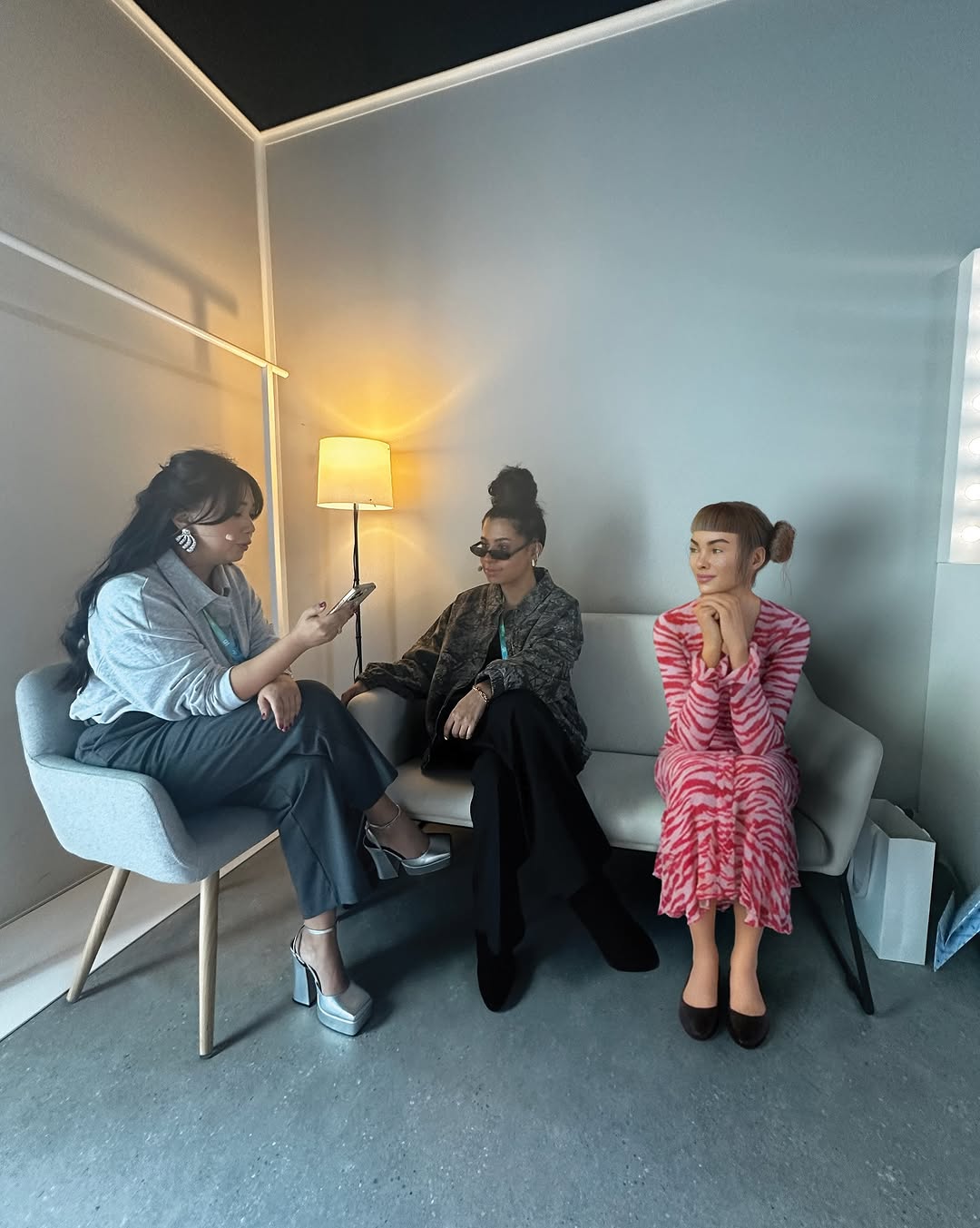
This image shows a low-key waiting moment, not a dramatic performance. Yet that quietness is exactly what gives it value: it feels real, relational, and socially legible in one glance.
The first viral mechanism is role diversity inside one frame. Each person is doing something different: checking a phone, sitting in cool detachment, and watching attentively. That behavioral contrast creates micro-storytelling without any text. Viewers naturally infer relationships and context, which increases dwell time.
The second mechanism is visual pacing. Most of the room is neutral and calm, then one bright pink striped outfit acts as a focal anchor. This controlled contrast keeps the image readable while still memorable. For creator feeds, this is powerful because it avoids visual noise yet preserves distinct identity.
The third mechanism is backstage intimacy. Audiences are often more interested in in-between moments than polished final outputs. Waiting-room frames humanize creators and collaborators, making the account feel accessible. This can improve long-term audience loyalty, especially when combined with more polished hero posts in a balanced content mix.
| Signal | Evidence (from this image) | Mechanism | Replication Action |
|---|---|---|---|
| Behavioral contrast | Three subjects each display different micro-actions | Creates implicit narrative and boosts watch time | Capture group candids where each person has a distinct gesture/task |
| Accent-color anchor | Pink striped dress stands out against muted room palette | Single color accent improves visual memory | Design one intentional wardrobe focal point in group shots |
| Process transparency | Waiting-room context implies pre/post-production downtime | Backstage realism strengthens trust | Share one "between moments" post per campaign cycle |
| Balanced ambient lighting | Warm lamp + cool window light mix | Natural atmosphere feels candid, not staged | Use practical room lights plus available daylight instead of hard flash |
{three collaborators} {distinct micro-actions} {neutral room} {single accent color}{team downtime scene} {practical lamp + daylight} {candid interactions} {clean negative space}{small group debrief} {minimal interior} {behavioral contrast} {documentary lifestyle tone}The image relies on quiet composition rather than dramatic action. The neutral wall creates breathing room, the furniture sets a stable horizontal base, and the three seated figures deliver emotional variation. This makes the frame feel observational and honest.
Lighting contributes to realism: warm lamp glow adds intimacy while cool window light keeps skin tones natural. The result is a calm, editorial-candid hybrid. For creators, this is a useful template when you want to show team presence and personality without overproducing the moment.
| Prompt chunk | What it controls | Swap ideas (EN, 2-3 options) |
|---|---|---|
| "three-person candid lineup" | Group narrative complexity | "two-person dialogue" / "four-person prep team" / "triangular seating arrangement" |
| "distinct micro-actions" | Story richness without text | "note-taking + listening + resting" / "phone + mirror + laptop" / "chat + observe + prep" |
| "minimal waiting-room interior" | Focus and mood restraint | "dressing-room corner" / "studio lounge" / "gallery green room" |
| "single bright wardrobe accent" | Visual anchor | "electric blue jacket" / "lime skirt" / "red scarf accent" |
| "warm lamp + cool window mix" | Natural cinematic realism | "all window light" / "all practical lamp light" / "soft overhead + side fill" |
Baseline lock: lock three-role structure, lock minimal space, lock one color-accent outfit.
One-change rule: adjust one scene variable per post.
This sequence creates consistent backstage storytelling with measurable variation.