How millasofiafin Made This Words Dont Come Easy Performance AI Portrait - and How to Recreate It
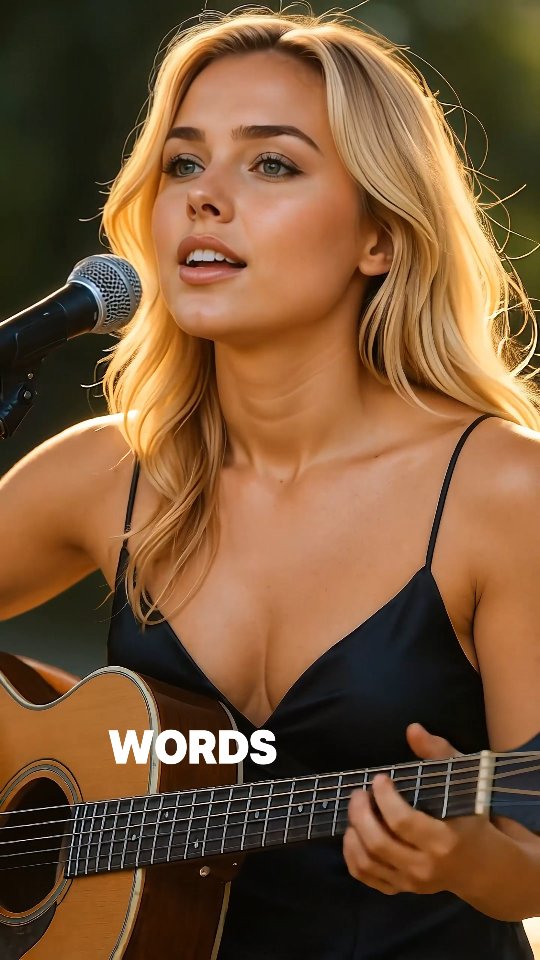
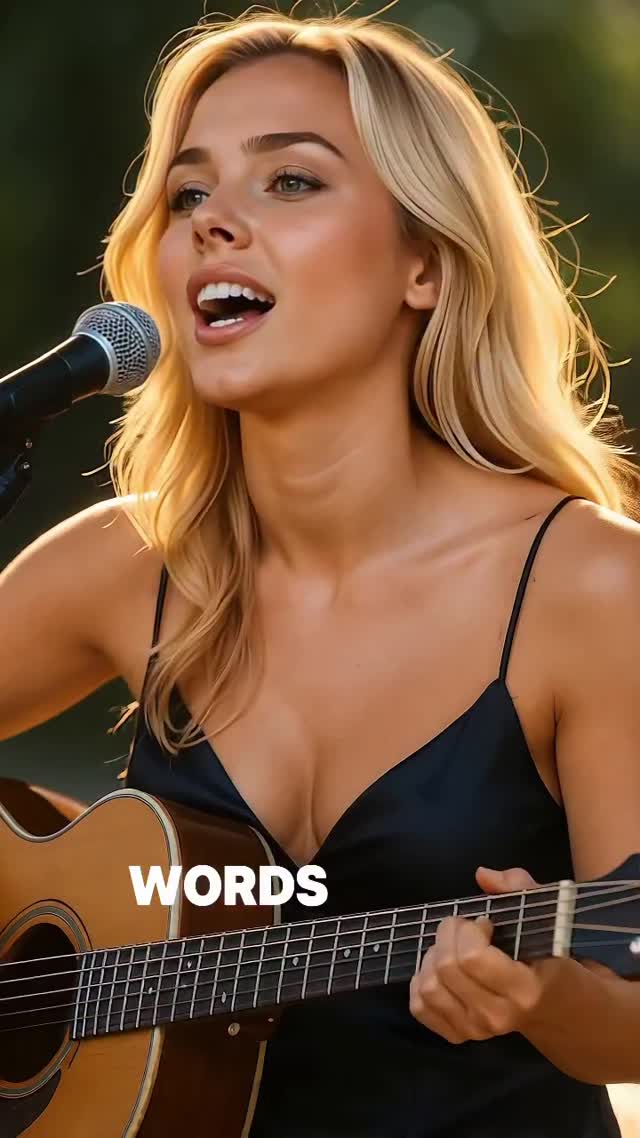
This image succeeds by combining live authenticity and text clarity. The guitar and microphone establish a real performance moment, while the single-word overlay (“WORDS”) acts as a quick narrative trigger for scroll behavior. It is simple, but strategically layered.
For creators, this format is efficient: one outdoor setup, one clean vocal frame, and one short overlay keyword that aligns with the lyric or theme. That structure is easy to repeat across a song rollout.
Signal Table
| Signal | Evidence (from this image) | Mechanism | Replication Action |
|---|
| Authentic acoustic cue | Visible guitar + microphone + active vocal posture | Real performance signals increase trust and watch intent | Keep at least two clear music tools in frame |
| Keyword overlay hook | Bold white “WORDS” subtitle in lower frame | Text captures attention before audio is interpreted | Use one high-contrast keyword tied to lyric meaning |
| Natural light relatability | Outdoor warm daylight and greenery backdrop | Casual realism broadens audience accessibility | Shoot acoustic takes in soft daylight windows |
| Focused composition | Face, mic, guitar, and text all readable | Complete visual story in one frame improves saves | Frame to keep all anchors visible in 9:16 |
Use Cases and Transfers
- Lyric teaser reels: Great for pre-release snippets.
- Acoustic challenge campaigns: Works for duet and cover invitations.
- Songwriting process posts: Ideal for thematic single-word hooks.
- Live mini-session series: Easy to repeat with changing keywords.
- Not ideal for instrumental tutorials: Text-centric framing can reduce technique visibility.
- Not ideal for complex brand messages: Single-word overlays favor simplicity over detail.
Three Transfer Recipes
- Beach Acoustic Variant
Keep: vocal + guitar + one-word text hook.
Change: green background to coastal blur.
Slot template: {outdoor acoustic frame} + {keyword overlay} + {natural light} + {9:16 anchor composition} - Street Corner Variant
Keep: microphone visibility and lyric keyword style.
Change: nature background to city bokeh.
Slot template: {urban unplugged setup} + {single-word subtitle} + {warm skin tones} + {face-first crop} - Studio Garden Variant
Keep: text placement and performance authenticity.
Change: live outdoor scene to controlled plant studio.
Slot template: {green backdrop} + {acoustic singer close-up} + {keyword emphasis} + {clean tonal grade}
Aesthetic Read
The frame works through layered clarity. The face carries emotion, the guitar carries context, and the keyword carries message. Nothing competes for attention, which is why the image reads fast on mobile.
The warm-light + green-background combination is also effective for music creators because it feels organic and approachable. It softens the promotional feel while still delivering a clear hook.
Prompt Technique Breakdown
| Prompt chunk | What it controls | Swap ideas (EN, 2-3 options) |
|---|
| outdoor acoustic singer with mic | Authenticity and genre context | “park unplugged session”, “sunset porch performance”, “garden live take” |
| single-word bold subtitle | Hook speed and message focus | “HEART”, “ECHO”, “HOME” |
| black outfit against natural background | Subject separation and tonal balance | “white outfit contrast”, “denim acoustic look”, “neutral earth-tone styling” |
| warm daylight portrait lighting | Mood and skin rendering | “late-afternoon glow”, “soft morning light”, “golden-hour edge light” |
| 9:16 medium-close layout | Reels/TikTok readability | “tight face+guitar crop”, “mid-torso music frame”, “mic-forward portrait” |
Remix Steps
- Baseline Lock: Lock face-mic-guitar composition, lock keyword font style, lock natural light warmth.
- Step 1: Change only keyword text per clip.
- Step 2: Keep keyword style; test background type (green, urban, beach).
- Step 3: Keep background; vary expression timing (verse, chorus, ad-lib).
- Step 4: Keep best visual setup; test caption CTA (pre-save, lyric prompt, duet invite).
This approach quickly reveals whether performance gains come from wording, location, or expression timing.