A short moment from Faded by Alan Walker. This song always pulls me into its atmosphere and emotion. Let me know if you feel it too 🤍 This video is a lipsync using the original song.
A short moment from Faded by Alan Walker. This song always pulls me into its atmosphere and emotion. Let me know if you feel it too 🤍 This video is a lipsync using the original song.
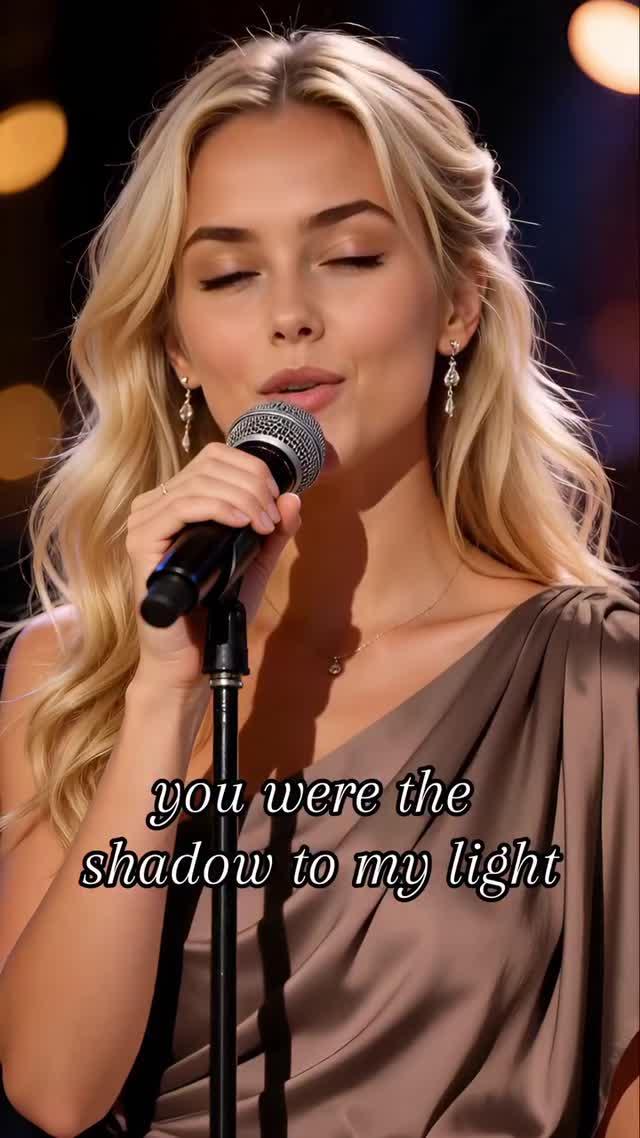
This image works because it captures a precise emotional micro-moment: eyes closed, breath active, lyric line on screen. Instead of trying to communicate an entire performance, it communicates one feeling clearly. In music content, that specificity is often what turns passive viewers into rewatchers.
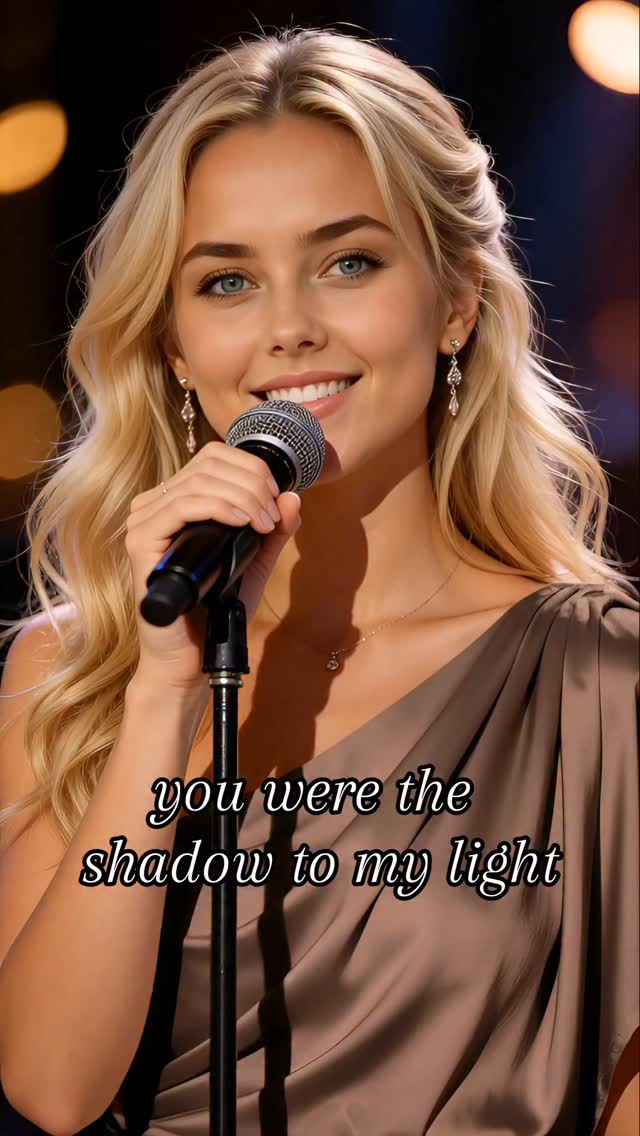
The second success factor is framing discipline. The crop is tight enough that the singer’s face, microphone, and subtitle become a single visual unit. There is no competing stage clutter. Users can process the scene instantly, then stay because the lyric text creates a memory hook.
The warm stage bokeh is the third lever. It gives premium concert atmosphere without distracting detail. Combined with satin wardrobe texture, the post feels polished and aspirational while still intimate. That balance is ideal for reels, cover snippets, and short lyric clips.
| Signal | Evidence (from this image) | Mechanism | Replication Action |
|---|---|---|---|
| Emotion-first facial cue | Closed eyes and soft mouth shape mid-vocal phrase | Invites empathetic listening behavior | Select frame at emotional peak, not neutral between lines |
| Lyric anchoring | Readable subtitle in lower third | Turns image into a quote card + performance hybrid | Place one short lyric line on-screen, high contrast, 5-8 words |
| Intimate composition | Chest-up portrait with microphone near lips | Increases personal connection and watch intent | Use tight portrait crop and keep mic clearly visible |
| Premium atmosphere | Warm bokeh circles and satin wardrobe sheen | Adds perceived production quality | Use shallow depth + warm practical lights in background |
{female vocalist close-up} {one lyric line} {warm bokeh stage} {emotional micro-expression}{portrait singer} {mic near mouth} {single focal expression} {shallow depth}{vertical vocal portrait} {minimal subtitle} {controlled background lights} {clean skin realism}The aesthetic strength here is emotional compression. The frame reduces performance into three core symbols: face, mic, line of text. Satin fabric adds light response and elegance without visual chaos. Warm bokeh lights create depth while keeping all attention on the singer’s expression. The eyes-closed moment reads as sincerity, which pairs naturally with reflective lyric copy. The portrait lens feel softens perspective and keeps facial proportions flattering. Overall, the image feels cinematic but accessible, polished but still human.
| Observed | Recreate | Evidence cue |
|---|---|---|
| Chest-up close framing | Crop from chest to above head with minimal side clutter | Face and microphone dominate visual hierarchy |
| Warm practical bokeh | Use distant amber lights with shallow focus | Circular light orbs behind subject |
| Subtle luxury texture | Select satin or silk-like garment with controlled sheen | Soft highlights on draped folds |
| Single lyric overlay | Add one readable line in lower third | Text supports mood, does not overcrowd frame |
| Prompt chunk | What it controls | Swap ideas (EN, 2-3 options) |
|---|---|---|
| adult blonde singer, eyes closed, emotional vocal expression | Identity and mood signal | "soft smile expression", "intense open-eye chorus", "whisper-like intimate look" |
| black handheld microphone on stand near lips | Performance context clarity | "vintage silver mic", "wireless handheld", "studio condenser mic" |
| taupe satin one-shoulder draped dress | Wardrobe elegance and light response | "deep red satin gown", "black velvet dress", "champagne silk slip" |
| warm amber bokeh stage background | Atmosphere and depth | "blue hour stage bokeh", "soft gold studio practicals", "dark theater haze lights" |
| vertical 9:16 tight portrait with lower-third lyric text | Platform-native readability | "4:5 album-cover crop", "16:9 live-screen crop", "square profile-thumbnail variant" |
Iterate one variable at a time and observe save rate and completion rate separately. Lyric content and facial expression should never be changed simultaneously in early tests.