0:00 / 0:00
▶
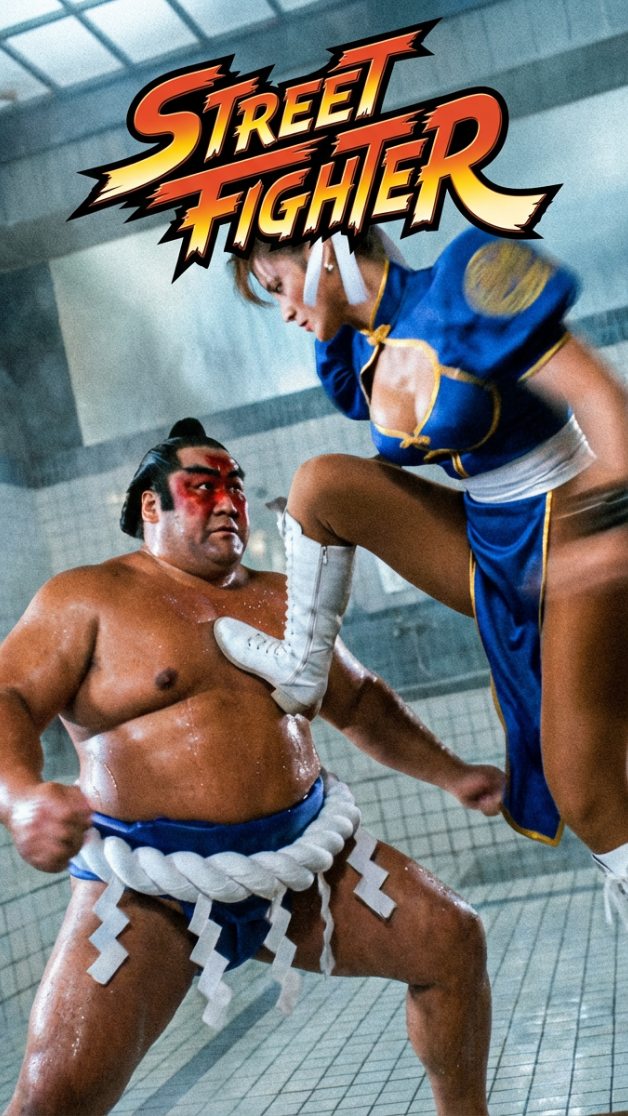
This case study analyzes a high-fidelity AI recreation of a cinematic fight scene between Chun-Li and E. Honda, styled after the 1994 Street Fighter live-action movie. The video captures a gritty, 90s action-film aesthetic characterized by warm wooden bathhouse interiors, diffused steam, and high-contrast lighting. The visual fidelity is remarkably high, maintaining character consistency for both the petite, agile Chun-Li (in her iconic blue qipao and white boots) and the massive, stoic E. Honda (with his traditional sumo mawashi and red face paint). The scene is set in a traditional Japanese sento, utilizing practical-looking effects like bursting steam pipes and heavy water splashes to ground the AI-generated motion in reality. With over 26,000 likes, this video demonstrates the power of nostalgia-driven IP reimagining, proving that creators can leverage "what if" scenarios to capture massive audience attention by improving upon the visual quality of cult classics.
The video is a masterclass in choreographed AI motion. It begins with a classic "hero reveal" as Chun-Li bursts through a wooden screen, immediately transitioning into a high-speed combat sequence. The environment is a detailed Japanese bathhouse with cedar wood walls, stone-tiled floors, and a central steaming pool. The lighting is motivated by overhead practicals, creating soft shadows and a slightly hazy, humid atmosphere. The color palette is dominated by the warm browns of the wood, the vibrant blue of Chun-Li’s dress, and the stark white of the steam and her boots.
| Time Range | Visual Content | Shot Language | Lighting & Tone | Viewer Intent |
|---|---|---|---|---|
| 00:00–00:02 | Honda in bath; Chun-Li bursts through screen. | Medium shot, static. | Warm, hazy, high contrast. | Hook: Immediate action and IP recognition. |
| 00:02–00:07 | Chun-Li's rapid kicks; water splashing. | Close-up to Medium, shaky cam. | Bright highlights on water. | Reinforce persona: Showcasing Chun-Li's speed. |
| 00:07–00:13 | Honda grabs leg; steam pipes burst. | Dynamic tracking shot. | Diffused by white steam. | Escalation: Adding environmental stakes. |
| 00:13–00:20 | Handstand split kick vs. Sumo block. | Wide shot, low angle. | Cinematic 35mm film look. | Aesthetic value: Iconic move recreation. |
| 00:20–00:28 | Honda's counter-throw and floor pin. | Close-up, intense focus. | Shadowy, gritty texture. | Climax: Emotional weight and power dynamic. |
This video taps into a deep-seated psychological trigger: corrective nostalgia. The 1994 Street Fighter movie is famously "so bad it's good," but fans always wondered what a high-budget, visually accurate version would look like. By using AI to create a scene that looks better than the original film while maintaining the 90s film stock aesthetic, the creator satisfies a long-standing fan desire. The choice of Chun-Li and E. Honda is strategic; it moves away from the overused Ryu/Ken dynamic into a more visually interesting "speed vs. power" matchup. The biological instinct to watch high-stakes physical conflict (the "fight" response) keeps viewers glued to the screen, while the specific IP triggers the collector/fanatic community.
From a platform perspective, the 0–3 second hook is flawless. It doesn't start with a logo or a face; it starts with a wooden wall exploding and a character reveal. This maximizes "Watch Time" from the first frame. The high density of "micro-events"—water splashes, steam bursts, and rapid kicks—ensures that the "Re-watch Rate" is high, as viewers try to catch the details they missed. The aesthetic value is so high that it encourages "Saves" for reference, and the "mild controversy" of seeing a beloved character in a losing position (Chun-Li pinned at the end) sparks "Comments" and debate among fans.
The Nostalgia Play:
Remember the 1994 Street Fighter movie? 🥋 I used AI to reimagine what a high-budget bathhouse fight would look like today. The detail on the steam is insane. Which fight should I 'fix' next? 👇 #StreetFighter #AIArt #ChunLi
The Tech Showcase:
Character consistency in AI video is getting scary. 🤖 Look at how Chun-Li’s outfit stays perfect even through the water splashes. This was made using [Tool Name]. Thoughts on the 90s film vibe? #AIFilm #VFX #StreetFighterFans
Kling AI or Luma Dream Machine are currently best for high-motion physical combat and water physics.
"35mm film grain," "character consistency," and "environmental interaction."
You likely aren't using a strong enough image reference; try using a "Face Swap" tool like InsightFace in post-production.
Add real film grain, motion blur, and high-quality sound effects to ground the visuals.
Instagram favors high-aesthetic "cinematic" content, while TikTok favors the "how-to" or "reaction" aspect of this video.