🙌🏻🖤 . . . #model #influencerdigital #influencer
🙌🏻🖤 . . . #model #influencerdigital #influencer
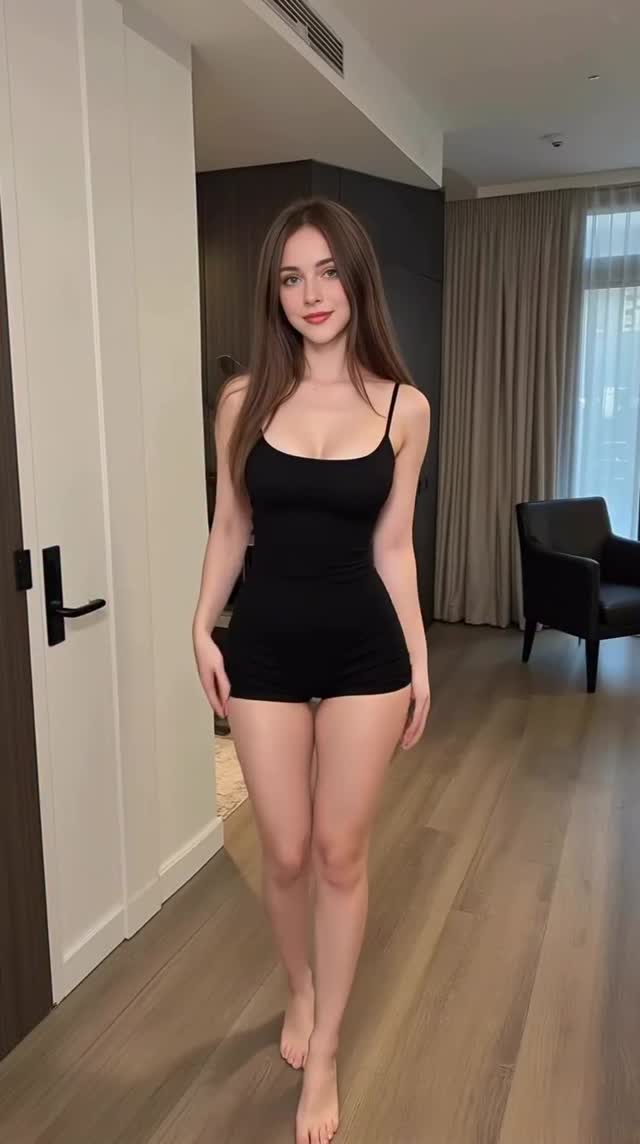
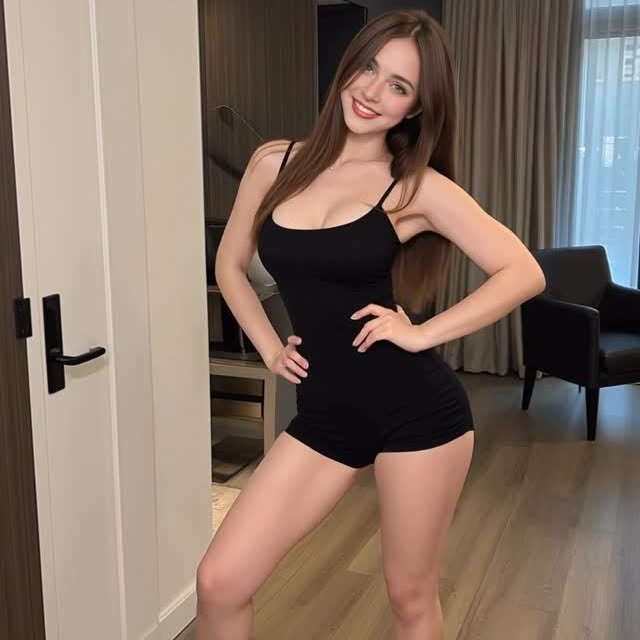
This is one of those images that feels almost “too simple” at first glance—one subject, one outfit, a quiet room—yet it keeps attention. That’s not an accident. The simplicity is the strategy: fewer elements means the viewer’s brain resolves the scene instantly, and then spends its time on what you want them to feel.
The hook isn’t a gimmick. It’s clarity. A single subject against a clean interior gives you immediate legibility on a crowded feed. The black dress functions like a visual anchor: it creates contrast against pale walls and warm wood, so the silhouette reads even at thumbnail size.
There’s also a subtle “real-life” credibility here. The setting looks like a hotel room or a minimalist apartment—familiar, aspirational, and unthreatening. It signals lifestyle without needing props. Add soft window light and a calm expression, and you get an image that feels both intimate and polished, which is a strong combination for short captions and low-context scroll environments.
| Signal | Evidence (from this image) | Mechanism | Replication Action |
|---|---|---|---|
| Thumbnail legibility | Black outfit against off‑white walls and warm wood floor | High-contrast silhouette reads fast, even small | Lock a 2–3 color palette; make the outfit the darkest value in frame |
| “Real place” trust | Door hardware, curtains, chair, and window feel like a real room | Authenticity cues reduce “staged” fatigue | Prompt specific room objects (door + curtains + chair) and keep clutter at zero |
| Soft confidence | Relaxed pose, direct gaze, subtle smile | Invites attention without demanding it | Use a calm expression prompt; avoid extreme poses and exaggerated styling |
Keep: soft window light from the right, clean room blocks, full‑body framing.
Change: wardrobe color + one “texture note” (silk, ribbed knit, leather jacket).
Slot template (EN): “full‑body {subject} in a {wardrobe_color} {wardrobe_item}, minimalist hotel room, soft right‑side window light, warm wood floor”
Keep: silhouette contrast (darkest object = outfit), calm expression, uncluttered background.
Change: scene type (studio apartment, hallway, modern lobby) while keeping “real place” cues.
Slot template (EN): “{scene} interior with door and curtains, {outfit} as the darkest value, natural skin texture, quiet editorial mood”
Keep: 35mm lens feel, shallow‑to‑moderate depth of field, straight‑on perspective.
Change: prop accent (chair style, plant, lamp) but only one.
Slot template (EN): “35mm full‑body portrait, {prop_accent} in background, soft daylight, minimal palette, crisp subject focus”
The aesthetic here is built on calm geometry. Vertical lines (door frame, curtains) and the clean floor planks give the image structure. The subject sits slightly left of center, while the window on the right balances the frame—so it feels composed without looking overly arranged.
Soft daylight is doing the flattering work: it shapes the face and body with gentle falloff, avoiding harsh shadow edges. The palette is intentionally restrained—black, beige, off‑white, warm wood—which creates an “editorial minimalism” vibe that reads premium even if the scene itself is ordinary.
| Observed | Recreate | Avoid |
|---|---|---|
| Soft key light from the window side | “diffused window light from the right, no flash, neutral daylight WB” | Hard on-camera flash, dramatic colored lights |
| Minimal 2–3 color palette | Lock black outfit + beige curtains + warm wood floor | Busy patterns, bright multi-color props |
| Clean, real interior cues | Prompt door hardware + curtains + one chair | Blank studio backdrops or cluttered rooms |
| Full-body readability | Vertical 9:16, straight-on, 35mm feel | Ultra-wide distortion, extreme angles |
| Prompt chunk | What it controls | Swap ideas (EN, 2–3 options) |
|---|---|---|
| “full‑body portrait, straight‑on, 35mm” | Perspective, proportions, how “real” it feels | “50mm natural portrait”, “28mm subtle wide”, “eye‑level camera” |
| “minimalist hotel room, door left, curtains right” | Scene believability + background structure | “modern studio apartment”, “clean hallway”, “minimalist lobby” |
| “soft diffused window light from the right” | Flattery, mood, shadow softness | “overcast daylight”, “sheer-curtain light”, “gentle rim light” |
| “black spaghetti‑strap mini dress, matte fabric” | Silhouette + value contrast (thumbnail power) | “white slip dress”, “tailored blazer dress”, “ribbed knit dress” |
| “natural skin texture, editorial smartphone look” | Realism and the ‘not overly AI’ finish | “subtle film grain”, “soft color grade”, “clean high-res detail” |
full-body portrait of {subject}, wearing a {outfit} as the darkest value in frame,
minimalist hotel room interior with door on the left and beige curtains on the right,
soft diffused window light from the right, 35mm lens feel, eye-level camera,
photorealistic, natural skin texture, clean editorial smartphone lookChange only 1–2 knobs per run. If you change wardrobe and lighting and background, you won’t know what actually improved the result.