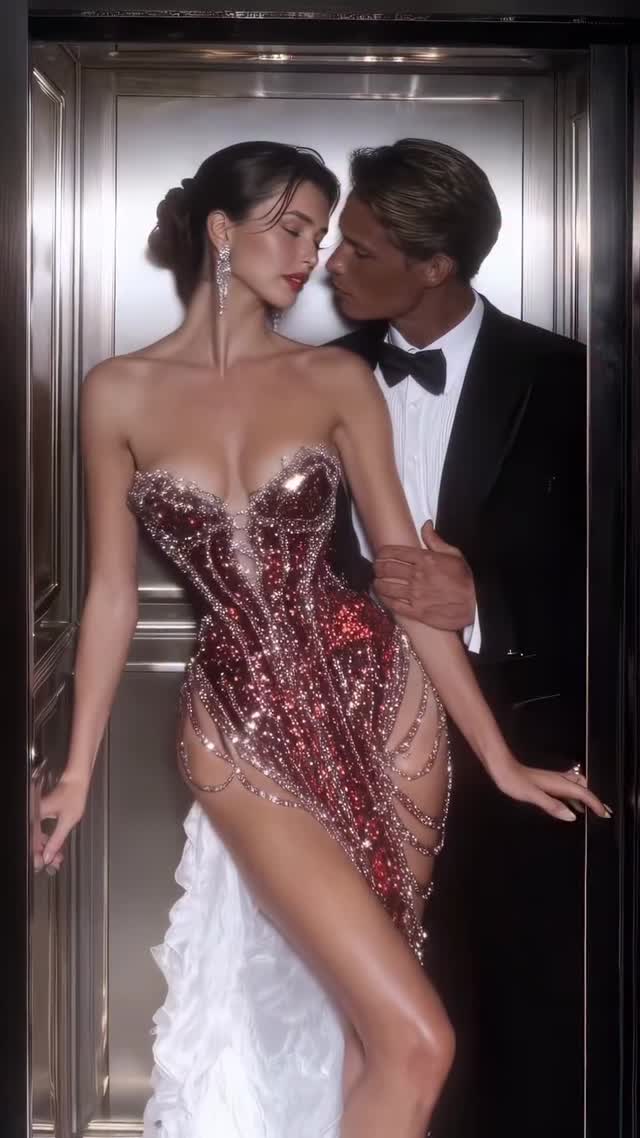
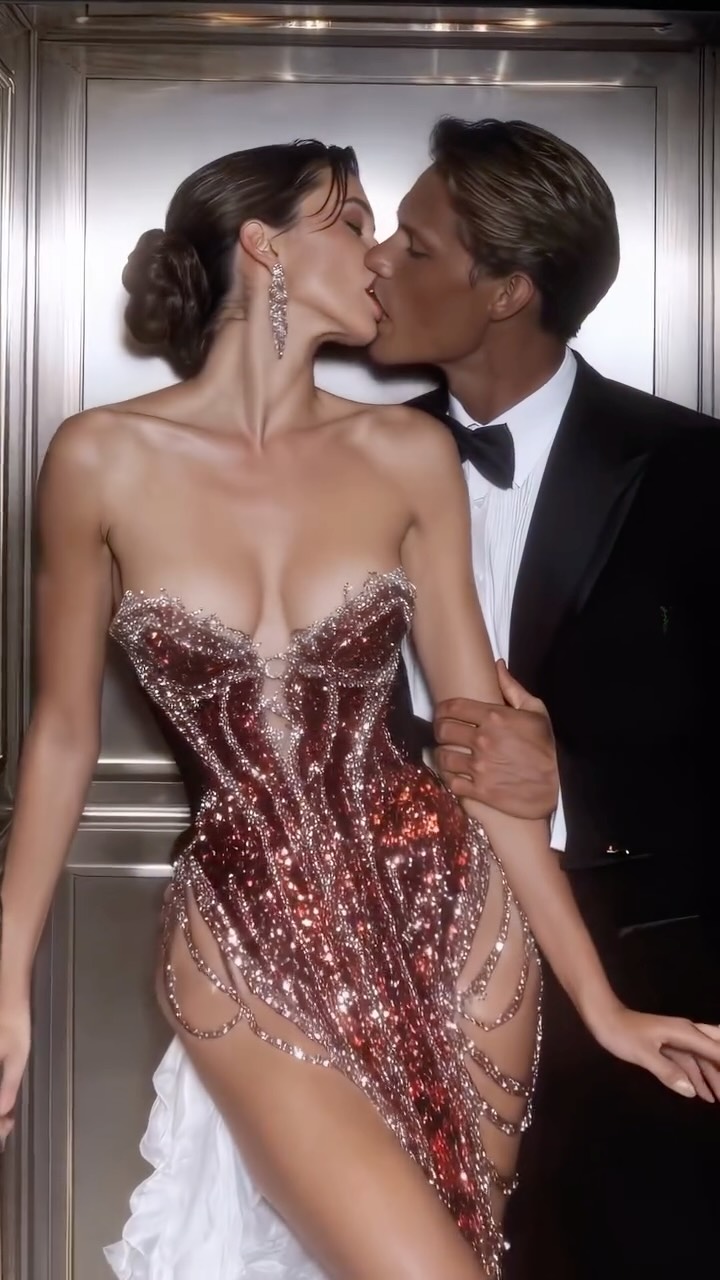
Elevator temptation✨
Animated with @klingai_official
Are you serious about learning how to create AI visuals at a professional level? In my course, I teach everything I use in my own process:
• How I build concepts and visual storytelling
• The exact tools, prompts, and workflows I use
• How to refine, edit, and create a portfolio that gets noticed
This is the full system I used to grow Dreamfall Art and work with brands.
• Personal feedback, guidance, and access to my private community
If you want access —
Comment “COURSE” below and I’ll send you the link directly.
#ai #midjourney #aiart #aiartcommunity #midjourneyart #aidesign #luxury #luxurylifestyle
Why dreamfall.art's Elevator Temptation Went Viral
This is a classic short-form fantasy shot: two people, a tight enclosed space, and a dress that catches every highlight. You don’t need a plot. The elevator does the storytelling for you—private, enclosed, a little dangerous—and the pose finishes the sentence.
Whether you love or hate this genre, it performs because it’s readable: you understand the situation in one second.
Why it went viral
Romance visuals go viral when they’re built from clear signals: proximity, lighting, and a single “hero” material. Here, proximity is extreme (near-kiss), the lighting is motivated (elevator overhead), and the hero material is obvious (burgundy sequins). The elevator’s metal panels amplify everything by reflection, making the scene feel bigger than it is.
There’s also a composition trick: the white tulle element adds contrast and makes the frame feel like a red-carpet moment, not just a random hallway photo. Contrast is what turns “spicy” into “luxury.”
Signal Table: replicate the mechanics
Signal
Evidence (from this image)
Mechanism
Replication Action
Enclosed private setting
Elevator walls and tight framing
Instant “forbidden moment” tension
Use small spaces (elevator, doorway, backseat) and keep the frame tight
Hero sparkle
Burgundy sequined corset dress
Luxury cue + visual magnet under light
Pick one highlight-friendly material (sequins/crystals) and protect its detail
Readable relationship cue
Tuxedo companion leaning in close
Story implication without text
Add one secondary figure as context; keep them simple (tux/suit silhouette)
Contrast for “premium”
White tulle against black and metal
Stops the scene from feeling monotone
Introduce one bright contrasting fabric element (tulle, silk, white shirt)
Use cases & transfers
Best-fit scenarios
Luxury romance edits: “moment before the party” vibe.
Fashion storytelling: use proximity as narrative, not text overlays.
Series collections: elevator / hallway / balcony / afterparty car—same couple, new set.
Short-form reels: this as the “hook frame” in the first second.
Aesthetic read: reflections make small sets feel expensive
Elevators are basically ready-made film sets: clean lines, reflective panels, and motivated overhead light. If you want luxury without complex worldbuilding, choose environments that already look designed. Then add one hero material (sequins) and one contrast element (white tulle). That’s enough.
Prompt technique breakdown
Control knobs for elevator editorials
Prompt chunk
What it controls
Swap ideas (EN, 2–3 options)
Environment
Luxury believability
“brushed metal elevator” / “mirror-lined hallway” / “hotel suite doorway”