

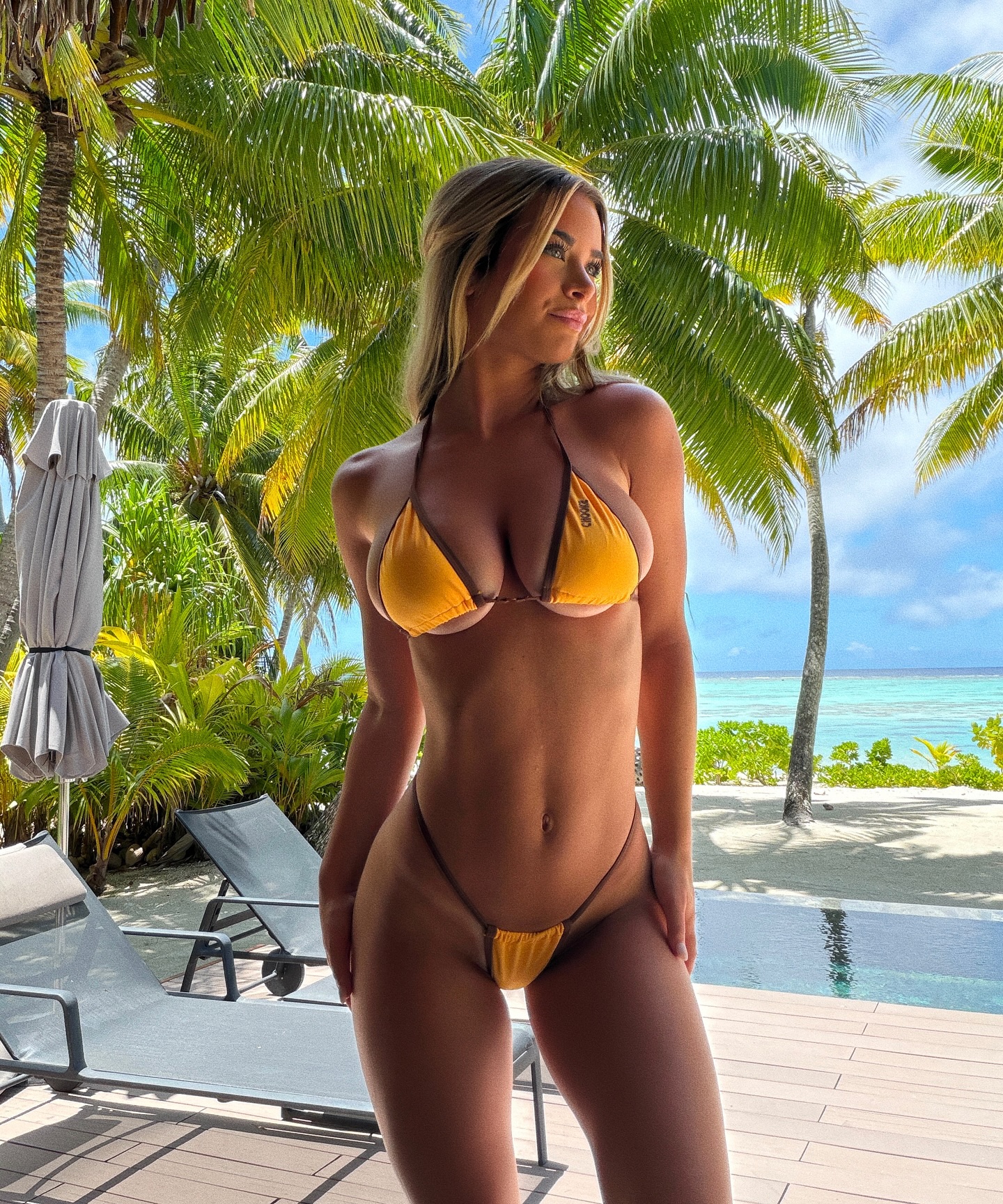

Bora Bora dump 🏝️🌺🐠
Bora Bora dump 🏝️🌺🐠
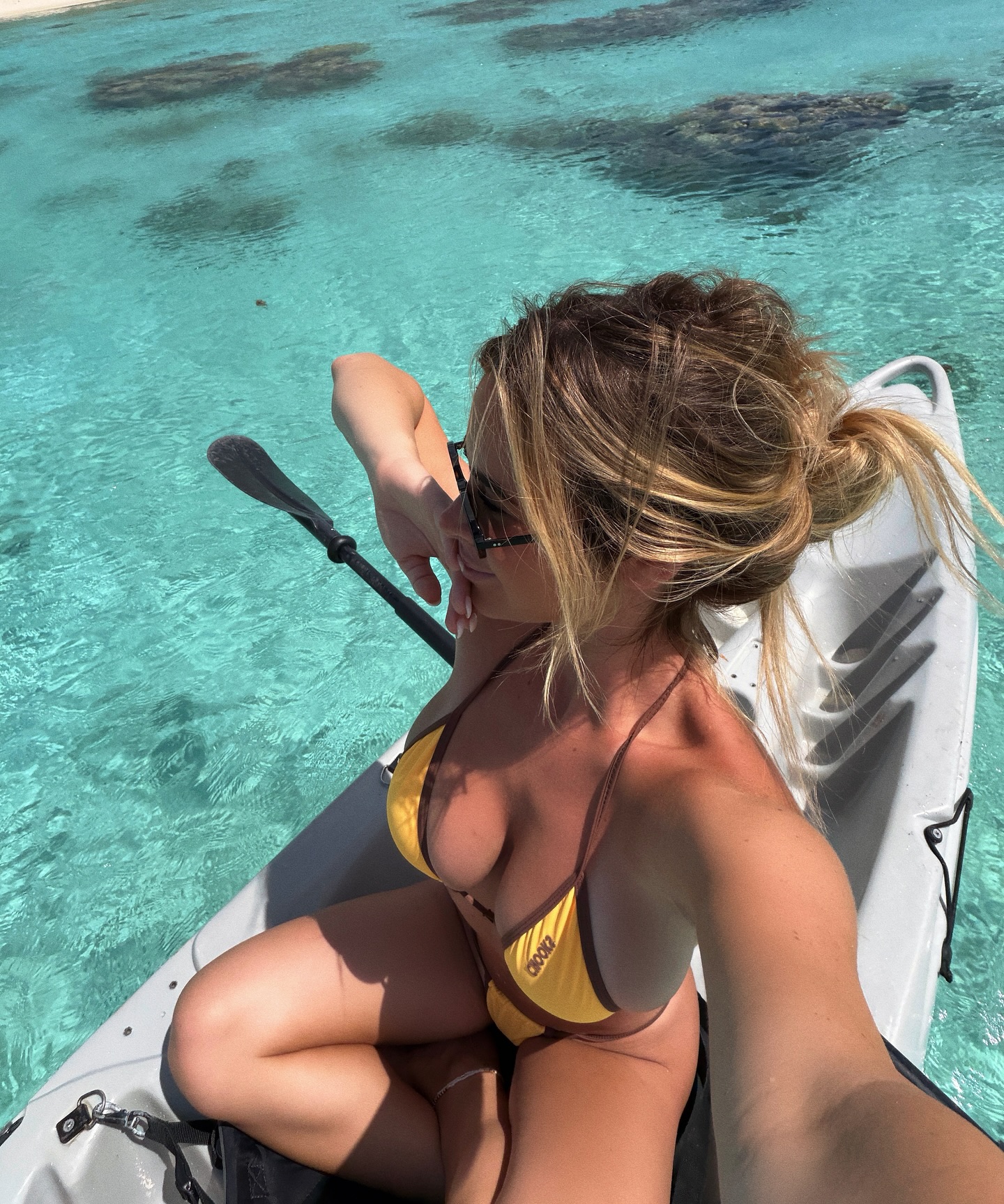
The strongest element in this frame is not the swimsuit or even the selfie angle. It is the water. The clarity, the color variation, and the visible reef patches below the surface make the location instantly aspirational. That is why the image feels more powerful than a typical boat selfie. The craft itself almost disappears into the experience of floating over transparent tropical water.
For creators, this is an important distinction. Travel content becomes more memorable when the environment is not just a backdrop but an active part of the visual hook. Here, the kayak is really just a platform that allows the water to perform. The selfie works because it places the viewer inside that experience rather than outside it.
| Signal | Evidence (from this image) | Mechanism | Replication Action |
|---|---|---|---|
| Environment-first hook | Transparent turquoise water with visible darker reef patches fills the frame | The destination reads instantly and feels premium without additional context | Let the location occupy most of the image when the environment itself is extraordinary |
| Immersive selfie angle | The extended arm and kayak edge place the viewer in the seat | The image feels lived rather than observed | Use first-person angles when you want travel scenes to feel participatory |
| Minimal object set | Only the subject, one paddle, and the boat remain visible | Clarity stays high and the water keeps center stage | Remove extra gear when one environmental feature already carries the whole image |
This format works for tropical resort content, honeymoon travel, island diaries, water-sport lifestyle posts, and destination campaigns built around sea color and clarity. It also transfers to paddleboards, transparent boats, floating docks, or lagoon swings. The deeper rule is to give the viewer a seat inside the environment instead of showing the environment from a distance.
It is less effective for city travel or culturally dense destinations where place needs more architectural or social context. Here, the environment is the attraction, and simplicity helps.
The frame works through color dominance and angle. The water provides one huge field of saturated aqua, while the mustard bikini and tan skin create warm counterpoints. The black paddle is a useful anchor because it adds one dark graphic line through the otherwise fluid surface. The selfie perspective also keeps the image personal, which stops the water from turning into a generic scenic shot.
| Prompt chunk | What it controls | Swap ideas (EN, 2-3 options) |
|---|---|---|
| overhead kayak selfie | Immersion and personal presence | paddleboard selfie; dock-edge selfie; transparent canoe selfie |
| crystal-clear turquoise water | Destination luxury and visual hook | deep blue lagoon; emerald cenote water; pale sandbar water |
| yellow-brown bikini and sunglasses | Warm palette contrast and vacation styling | white bikini; black bikini; rust swim set |
| single paddle as graphic accent | Structure and activity cue | snorkel fins; floating rope; life ring edge |
Lock three anchors first: the water clarity, the overhead selfie angle, and the visible kayak edge. Then change one variable at a time. First pass should refine how much of the boat stays visible. Second pass should tune reef visibility beneath the surface. Third pass should adjust skin exposure so the subject remains bright without flattening the water. Fourth pass can change only the swimsuit color or the paddle position to test whether the image’s pull comes more from personal styling or from the extraordinary environment.