tokyo hide away 🍽️✨
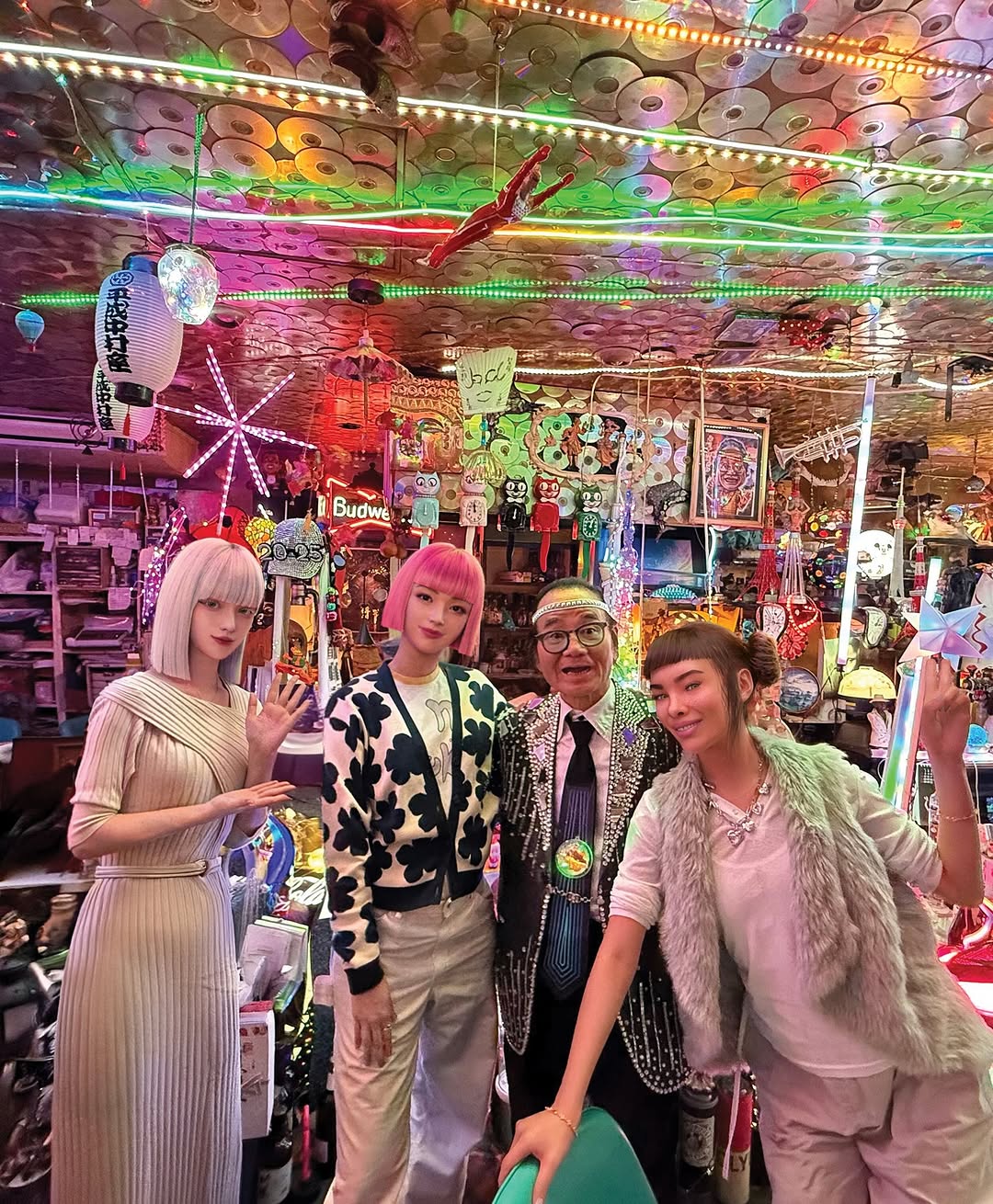
last night in tokyo with my besties 💔🥂
still here mentally…
How Imma Captured This Tokyo Hideaway Night Scene — and How to Recreate It
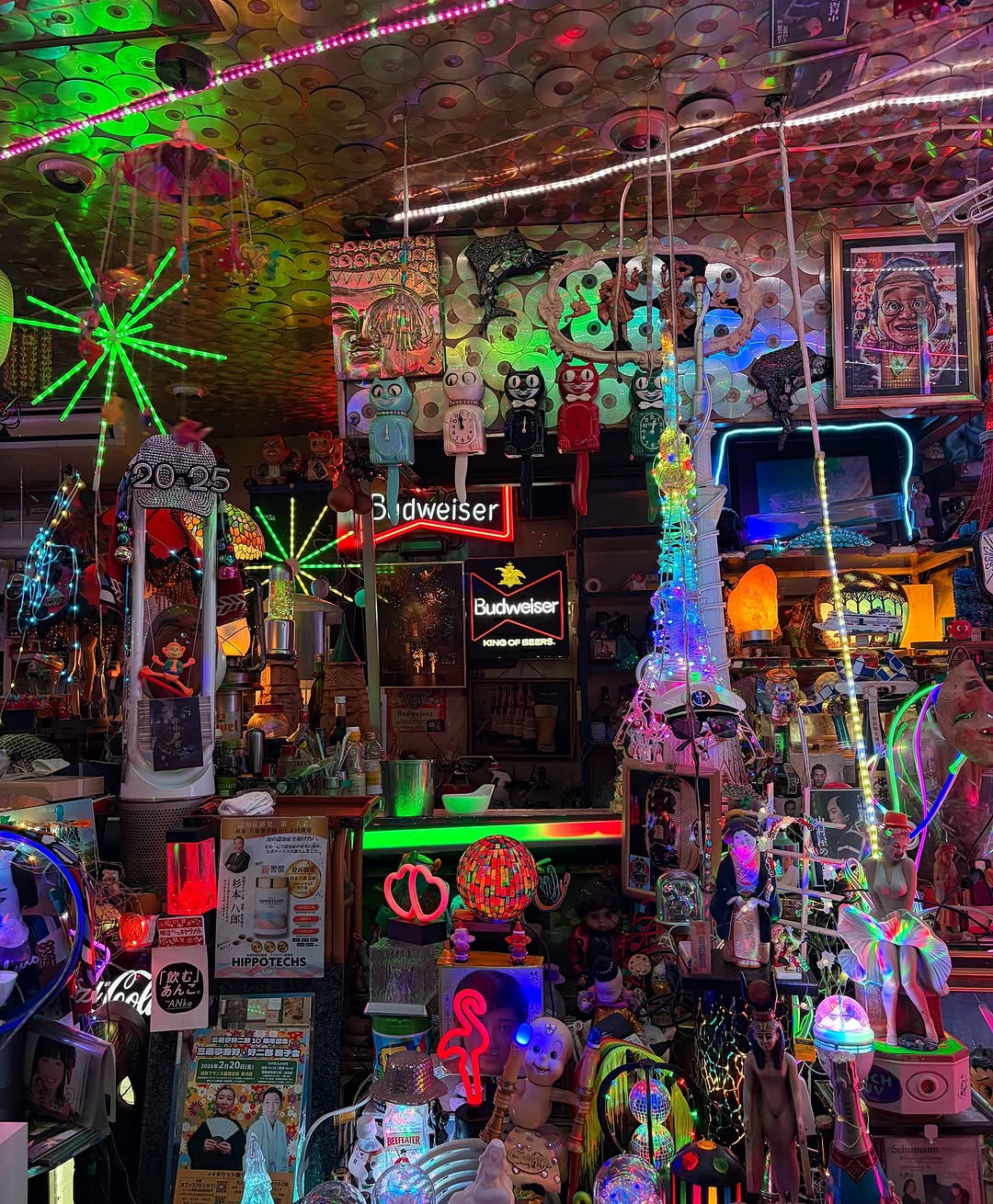
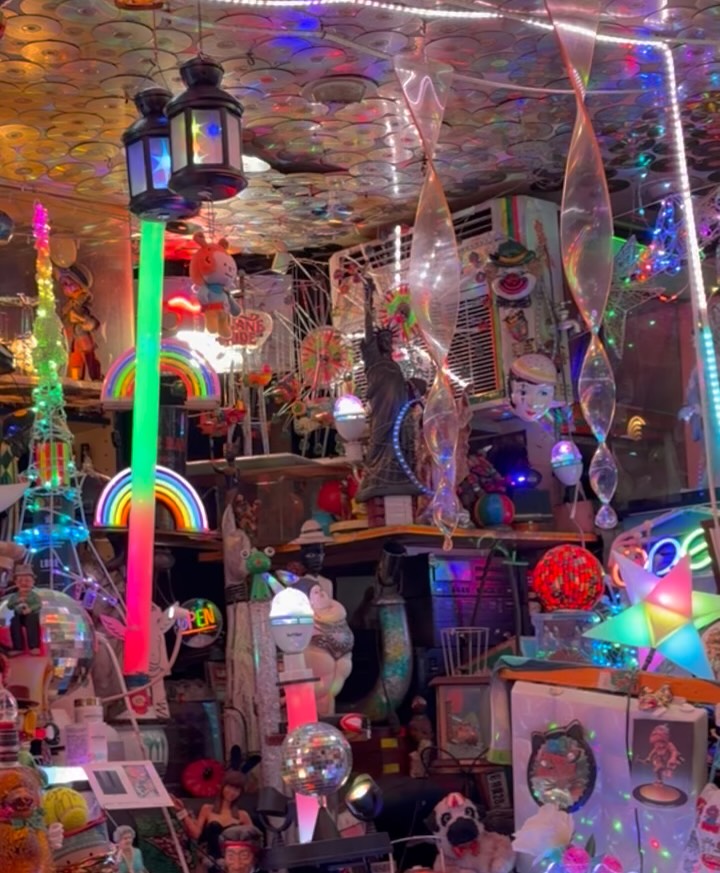
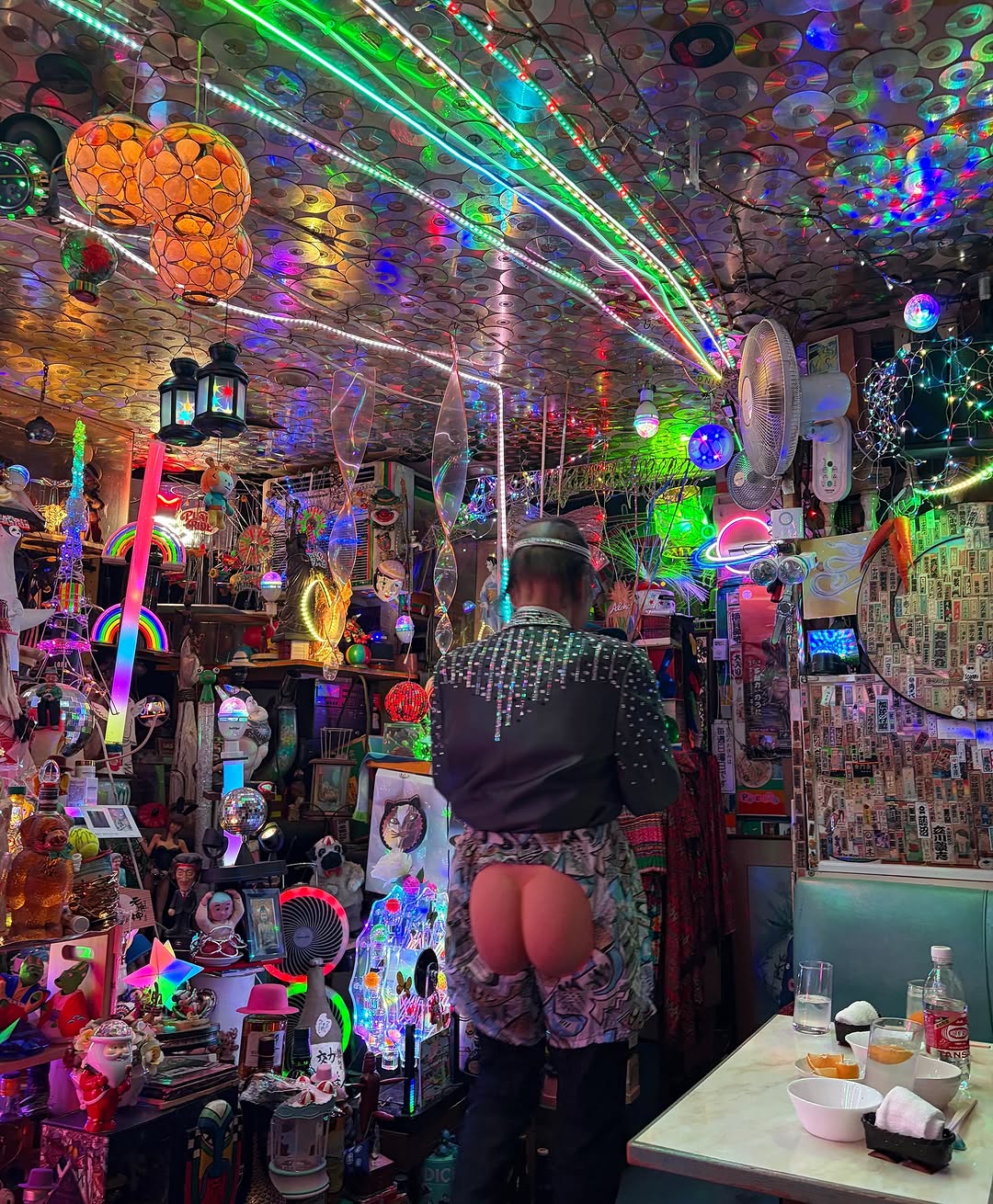
This frame is overloaded with objects, yet it still works. The reason is not randomness. It is curated chaos with strong light anchors and cultural texture at every depth layer.
Why this maximalist scene spreads
The first mechanism is discovery density. Every part of the frame contains a new object, light source, or visual reference. This encourages repeat viewing because users keep finding details they missed on the first pass.
The second mechanism is subculture authenticity. This is not a staged "aesthetic set"; it feels like a real place built over time. Layered signs, figurines, old objects, and mixed references create the sense of a lived creative ecosystem.
The third mechanism is emotional contrast with caption. A "last night in Tokyo" line paired with this sensory overload creates a memory-rich farewell feeling. It communicates that the place is unforgettable, not just photogenic.
Signal
Evidence (from this image)
Mechanism
Replication Action
Layered novelty
Dozens of figurines, signs, and decor items at different depths.
High object density increases rewatch and save behavior.
Compose with at least 3 depth layers and multiple focal clusters.
Neon mood architecture
Multicolor practical lights shape the whole scene.
Color immersion makes the image emotionally sticky.
Use practical colored lights as structural elements, not just accents.
Place-specific personality
Vintage bar signage and curated object references.
Signals real-world cultural texture and story depth.
Keep recognizable local and venue-specific artifacts visible.
Farewell-memory effect
Dense interior scene paired with "still here mentally" caption mood.
Visual overload mirrors emotional afterimage of a final night.
Use high-detail final-night shots as emotional closure assets in travel arcs.
Use Cases and Transfer Paths
Best-fit scenarios
City-night recaps where atmosphere and memory are the primary message.
Subculture venue documentation for creators who collect unique spaces.
End-of-trip carousel closing slides that need emotional density.
Brand storytelling around "hidden gem" experiences.
Not ideal
Minimal brand systems that require strict clean compositions.
Product-first ads where a single SKU must remain dominant.
Educational posts needing simple visual hierarchy and clear labels.
Three transfer recipes
Arcade Basement Transfer
Keep: dense object layering and colored practical light anchors.
Change: bar signs to retro arcade signage and figurines to game memorabilia.
Slot template (EN): {maximalist_interior} {multi_color_practical_lights} {layered_collectibles} {memory_heavy_mood}
Vinyl Listening Room Transfer
Keep: edge-to-edge detail saturation and environment-first framing.
Change: toy objects to records, speakers, and cover art stacks.
Slot template (EN): {dense_room_ecosystem} {cultural_artifacts} {warm_neon_mix} {immersive_clutter_balance}
Pop-Up Lab Transfer
Keep: visual chaos with structured light pathways.
Change: vintage kitsch elements to experimental fashion/tech prototypes.
Slot template (EN): {curated_chaos_scene} {identity_signage} {foreground_midground_background_density} {farewell_or_recap_caption_fit}
Aesthetic Read
The image's strongest quality is controlled overload. Although there are many objects, the eye still travels through repeated light motifs: neon stars, signs, glowing figurines. These repeated luminous nodes create visual rhythm inside the clutter.
Color strategy is intentionally non-neutral. Saturated green, red, blue, and pink coexist, but dark base shadows keep the frame grounded. Without those dark anchors, the scene would collapse into visual noise.
For creators, the lesson is simple: maximalism works when you provide repeatable structure, light anchors, depth layering, and thematic coherence.
Observed
Why it matters
How to recreate
Multiple focal clusters
Keeps attention moving
Build at least 4 visual islands across frame
Neon practical lights at varied heights
Adds rhythm and depth
Distribute light sources in foreground, midground, and background
Vintage signage and toys together
Creates cultural specificity
Mix objects from multiple eras but keep one coherent mood
Dark base shadows under saturation
Prevents color chaos collapse
Protect shadow zones when grading high-saturation interiors
Prompt Technique Breakdown
Prompt chunk
What it controls
Swap ideas (EN, 2-3 options)
"maximalist hidden-bar interior packed with collectibles"