The Nada Hafez Olympics Moment: How lilmiquela Built This AI Art
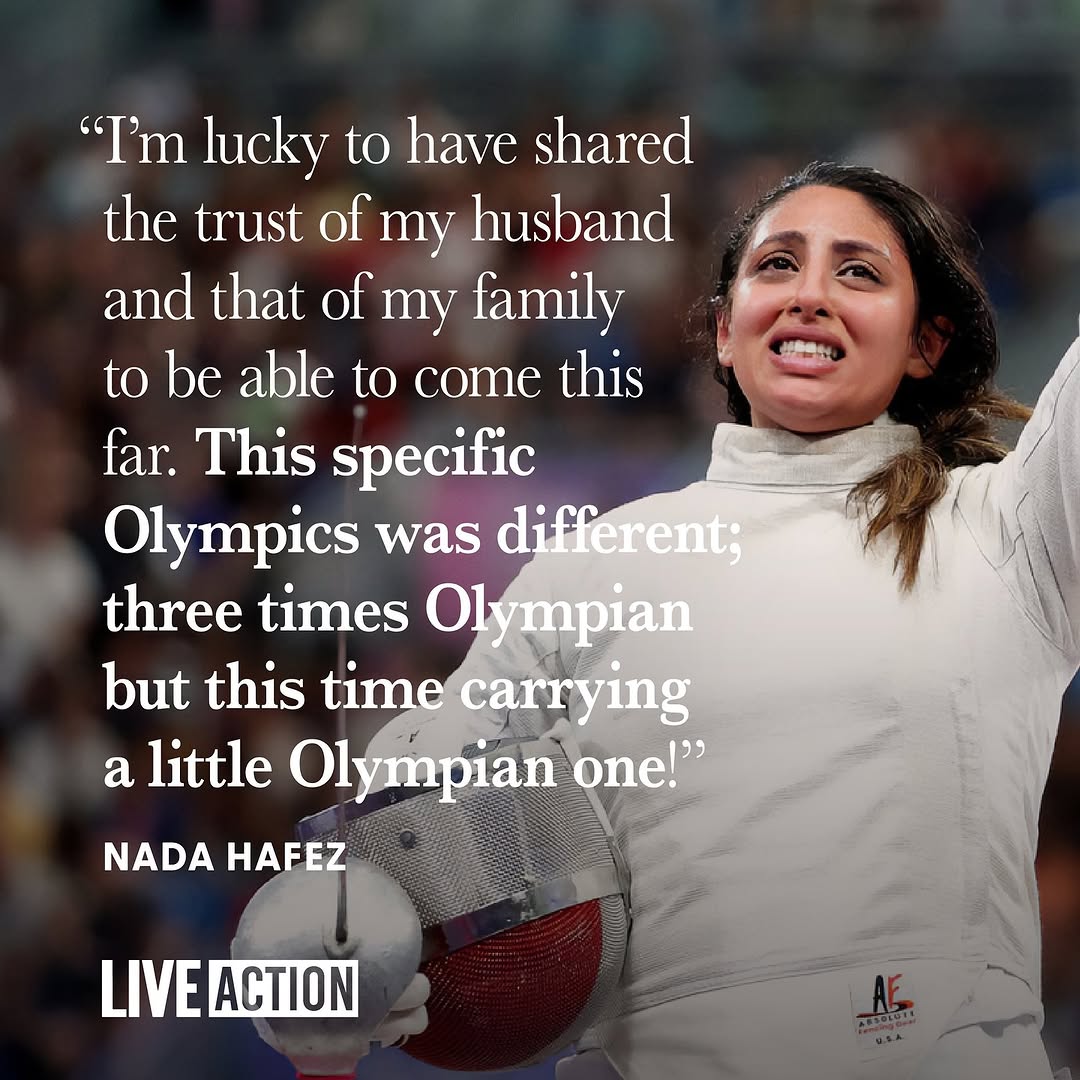
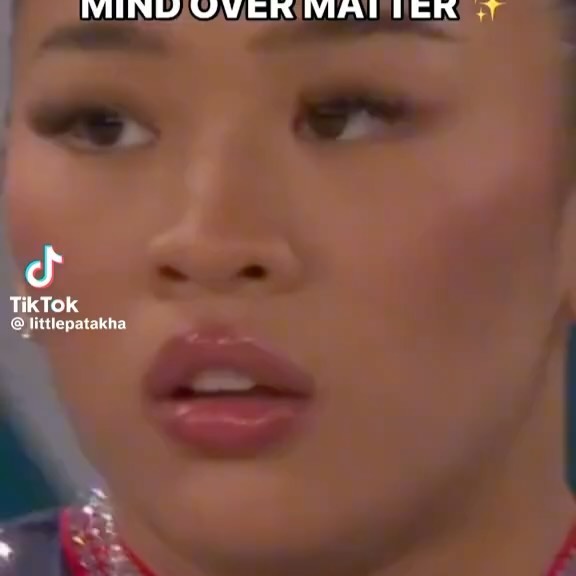
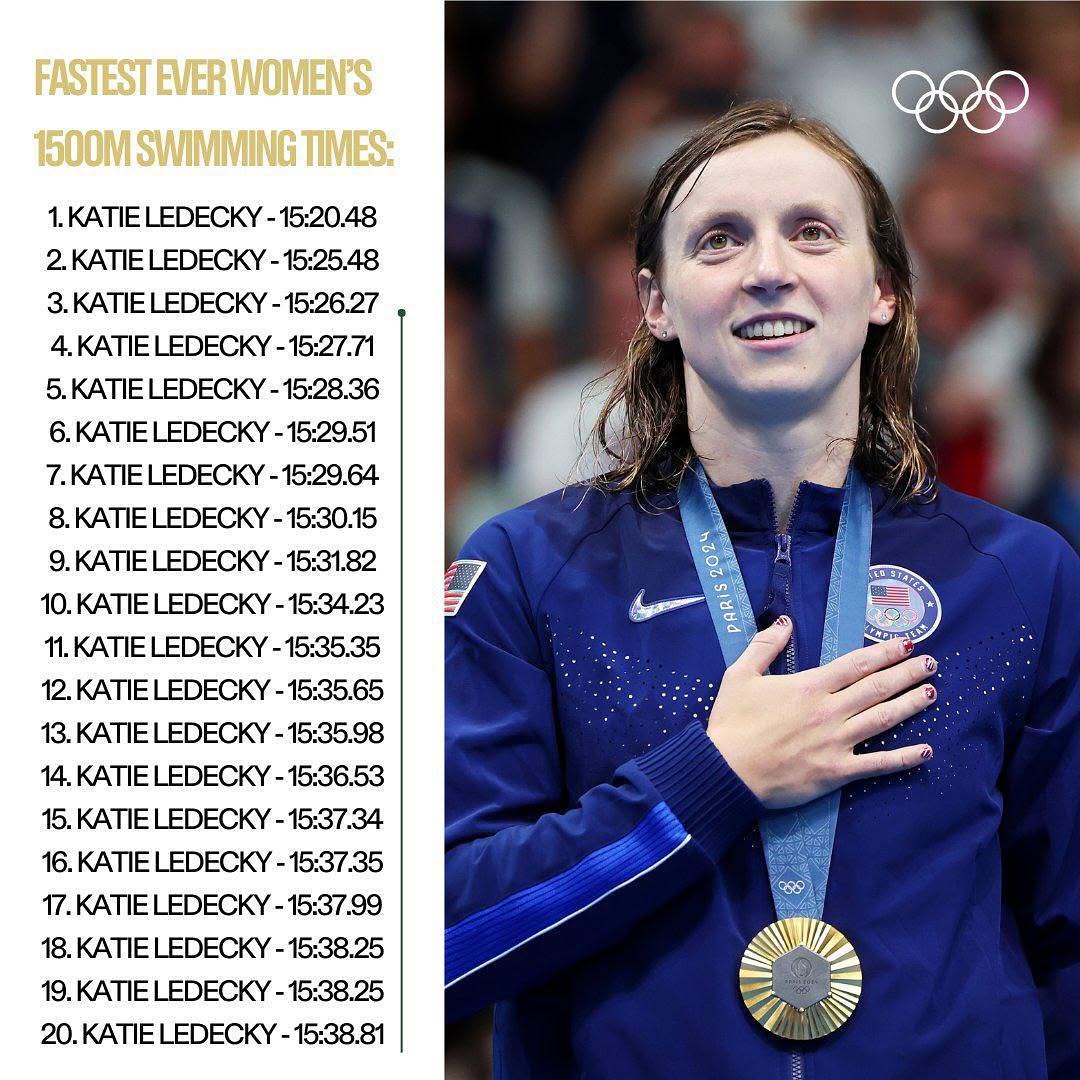
This image works beyond sports because it combines three powerful layers in one frame: visible effort, emotional release, and a direct first-person quote. The audience does not need background context to understand the stakes. That is exactly why quote-over-photo posts can outperform polished campaign content: they compress emotion and meaning into one scroll stop.
For creators, the key lesson is not “add text on top of any photo.” The lesson is alignment. The quote, facial expression, and scene must all point to the same narrative tension. Here, the athlete’s expression, uniform details, and arena backdrop all confirm authenticity, so the text lands as truth instead of decoration.
Signal Table
| Signal | Evidence (from this image) | Mechanism | Replication Action |
|---|
| Emotion-first face | Tense, triumphant expression at competition moment | Humans pause for raw emotion faster than for polished posing | Capture frame at peak reaction, not neutral posture |
| Credibility cues | Real sports gear, uniform texture, blurred arena crowd | Concrete context increases trust and share intent | Keep at least 2-3 unmistakable context objects visible |
| Quote hierarchy | Large serif quote with bolded key sentence fragments | Readable narrative creates screenshot-worthy information value | Design text in short stacked lines and bold only the emotional pivot |
| Attribution clarity | Name line and publication mark present | Source clarity reduces skepticism and boosts repost confidence | Always include speaker name and source credit in fixed positions |
Use Cases and Adaptation
- Athlete stories and milestones: Best when image evidence and quote meaning are tightly linked.
- Founder journey posts: Works with candid work scenes plus one specific sentence of context.
- Cause-based awareness content: Effective for mobilizing comments and shares through personal testimony.
- Behind-the-scenes documentary recaps: Great for turning moments into evergreen narrative cards.
- Not ideal for pure product ads: Heavy quote framing can weaken direct purchase intent.
- Not ideal for abstract motivation quotes: Without concrete scene evidence, trust drops quickly.
Three Transfer Recipes
- Creator Burnout Recovery Post
Keep: emotional close-up + context-rich environment + quote overlay.
Change: sports setting to desk/studio setting and personal reflection line.
Slot template: {peak emotional frame} + {real context objects} + {first-person quote} + {name/source} - Nonprofit Story Card
Keep: documentary realism and attribution block.
Change: hero subject and mission-specific language.
Slot template: {field photo} + {impact quote} + {bold pivot sentence} + {verified source tag} - Team Win Announcement
Keep: right-side subject, left-side readable quote layout.
Change: competitive scene and team voice line.
Slot template: {win moment portrait} + {left quote stack} + {team name} + {event label}
Aesthetic Read
The composition is strategically split between feeling and language. The subject on the right provides emotional proof; the text on the left provides cognitive framing. That left-right structure is highly efficient for social feeds because users can decode the image in two quick passes: first emotion, then message.
Typography choice matters too. Serif text with selective bolding signals gravity and editorial authority, while the photo remains raw and immediate. This contrast between “human chaos” and “structured message” is what gives the post its gravity and replay value.
Prompt Technique Breakdown
| Prompt chunk | What it controls | Swap ideas (EN, 2-3 options) |
|---|
| emotional athlete portrait in competition gear | Authenticity and subject credibility | “post-match close-up”, “mid-race reaction”, “sideline victory moment” |
| right-subject left-quote split layout | Reading flow and retention | “left quote right portrait”, “top quote bottom portrait”, “center quote with side profile” |
| white serif multiline quote with bold pivot | Narrative emphasis and screenshot value | “serif editorial quote”, “newsroom pull-quote”, “documentary title card” |
| blurred arena background | Context without clutter | “stadium bokeh”, “conference hall blur”, “street crowd defocus” |
| source attribution block | Trust signal and repost safety | “name + role”, “name + event”, “name + media credit” |
Remix Steps
- Baseline Lock: Lock emotional frame, lock context object visibility, lock quote readability contrast.
- Step 1: Keep photo fixed; test 2 quote line-break styles.
- Step 2: Keep line breaks; test bold emphasis on different sentence segments.
- Step 3: Keep typography; test attribution placement (lower-left vs lower-right).
- Step 4: Keep best layout; swap only color grade warmth and compare share/save ratio.
By changing one variable at a time, you can identify whether performance comes from wording, hierarchy, or emotional timing.