Sitting in front of my TV in complete AWE!! watching these amazing performances at this years Olympics, blows my mind to see what people are capable of achieving and how they keep pushing themselves ❤️
Some of my absolute favorite moments this Olympics (so far) -
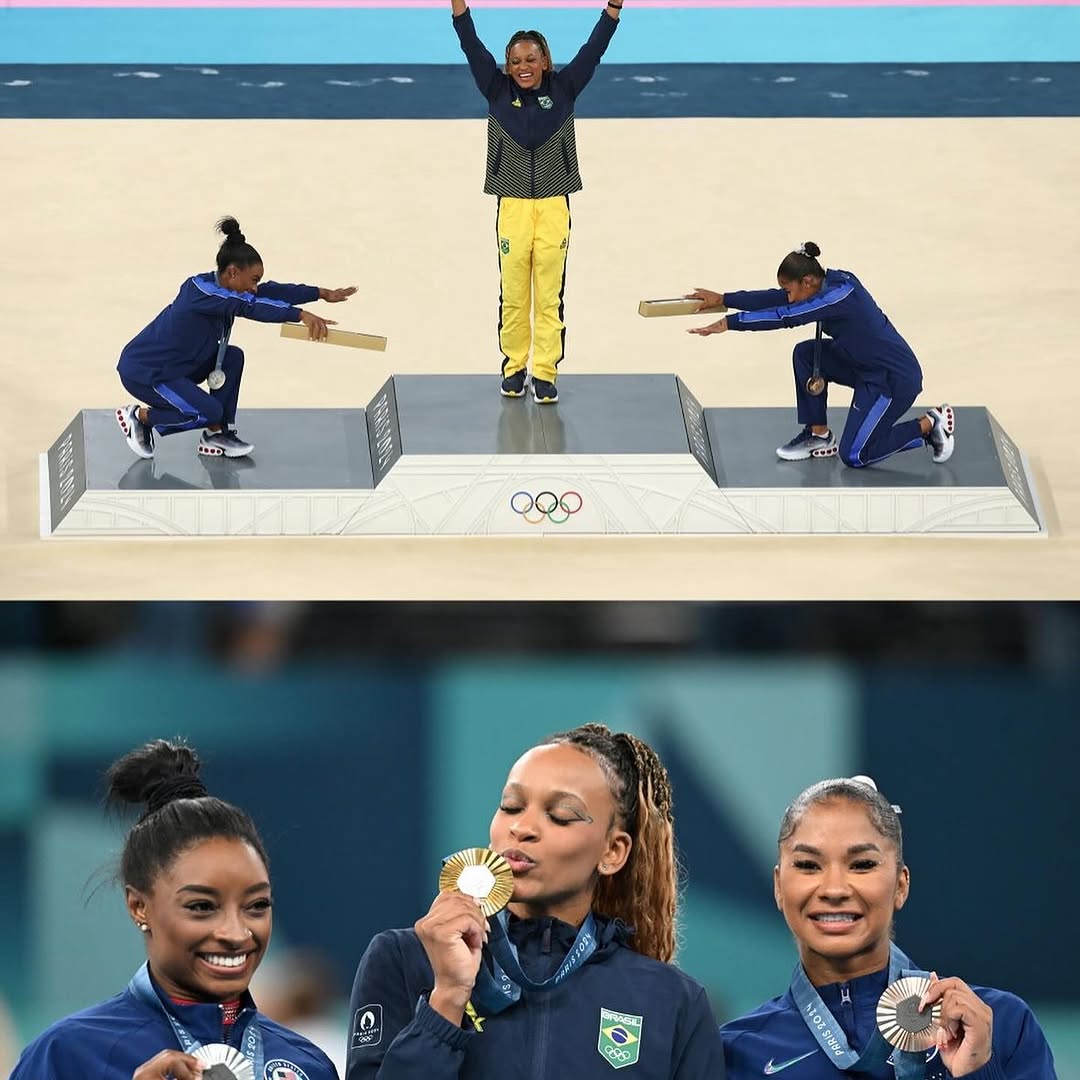
2. Rebecca Andrade, Simone Biles & Jordan Chiles <3 Giving us the first all-Black podium! This new-gen cuties teaching us humility, support, and love!! #winningright
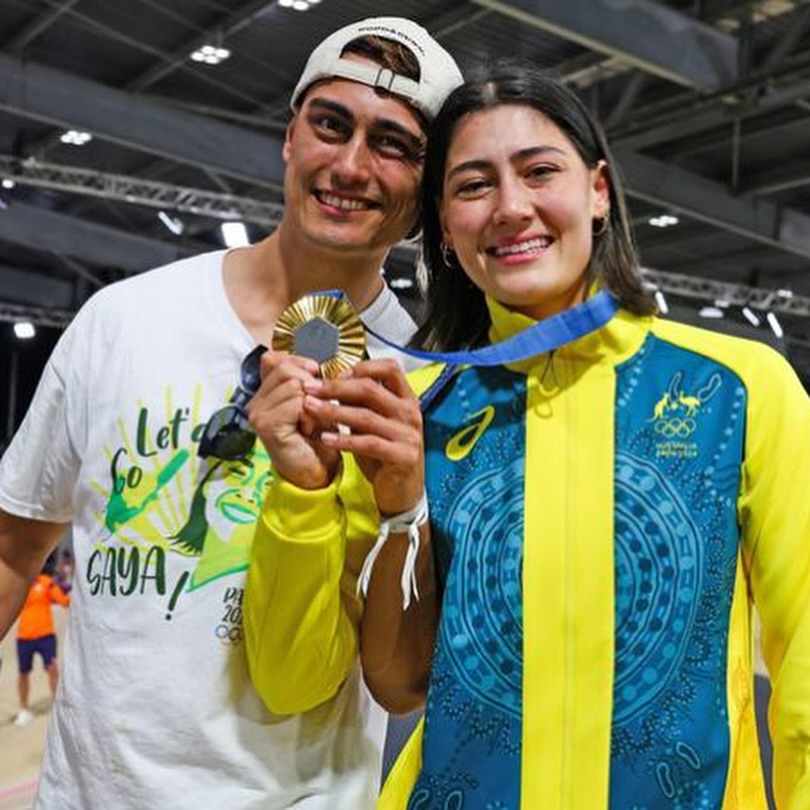
3. Saya Sakakibara winning BMX Gold for Australia and for her brother 😍
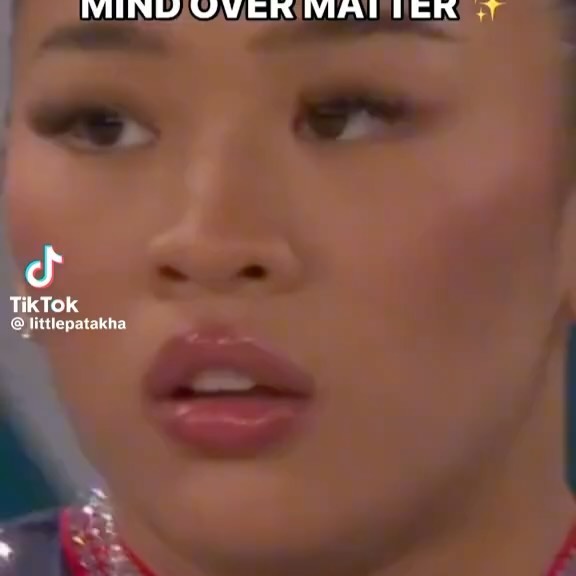
4. Young queen Sunisa Lee teaching me how one should talk to oneself! 👏🏼👏🏼👏🏼
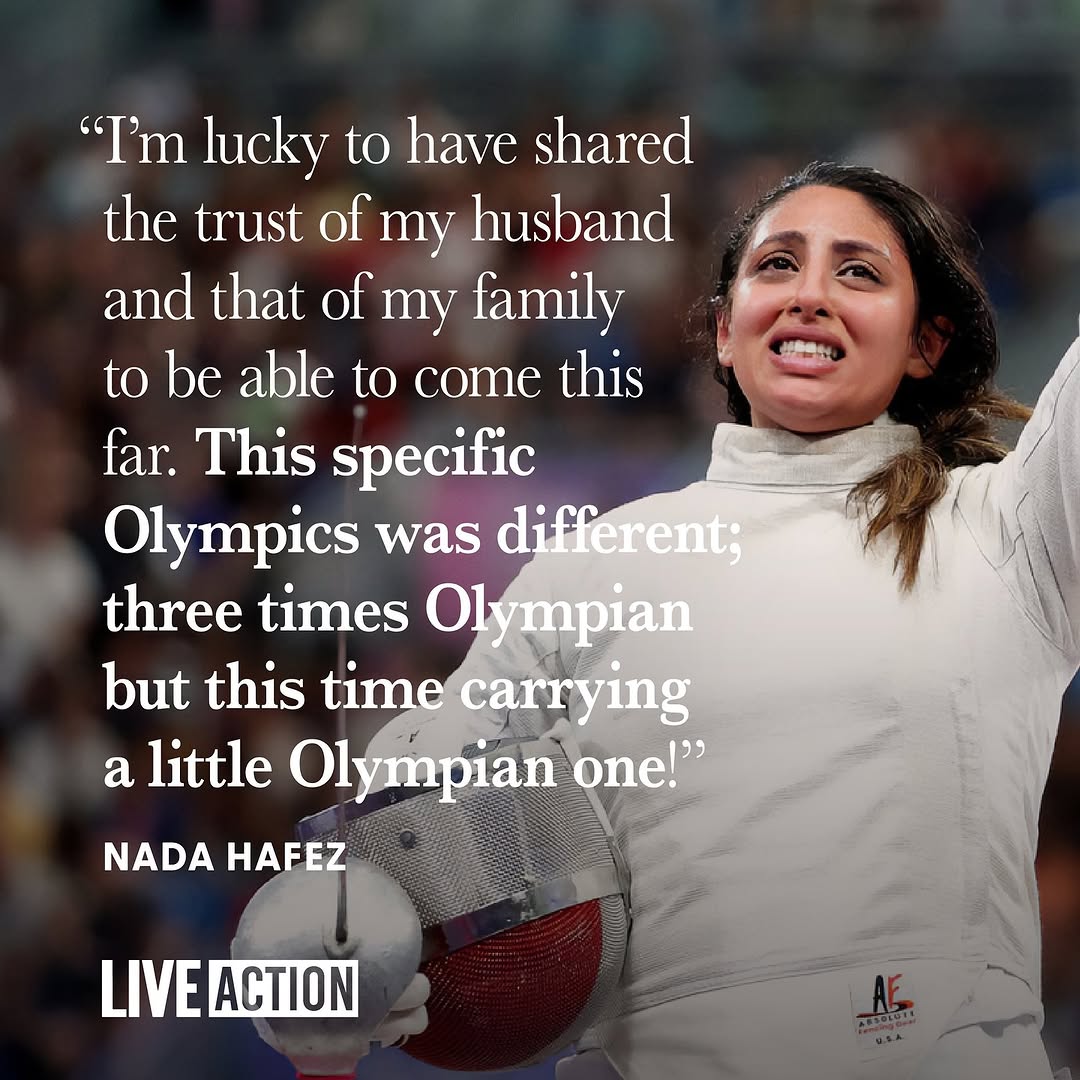
5. Nada Hafez winning Gold for fencing while 7 months pregnant!!! What a queen 👑
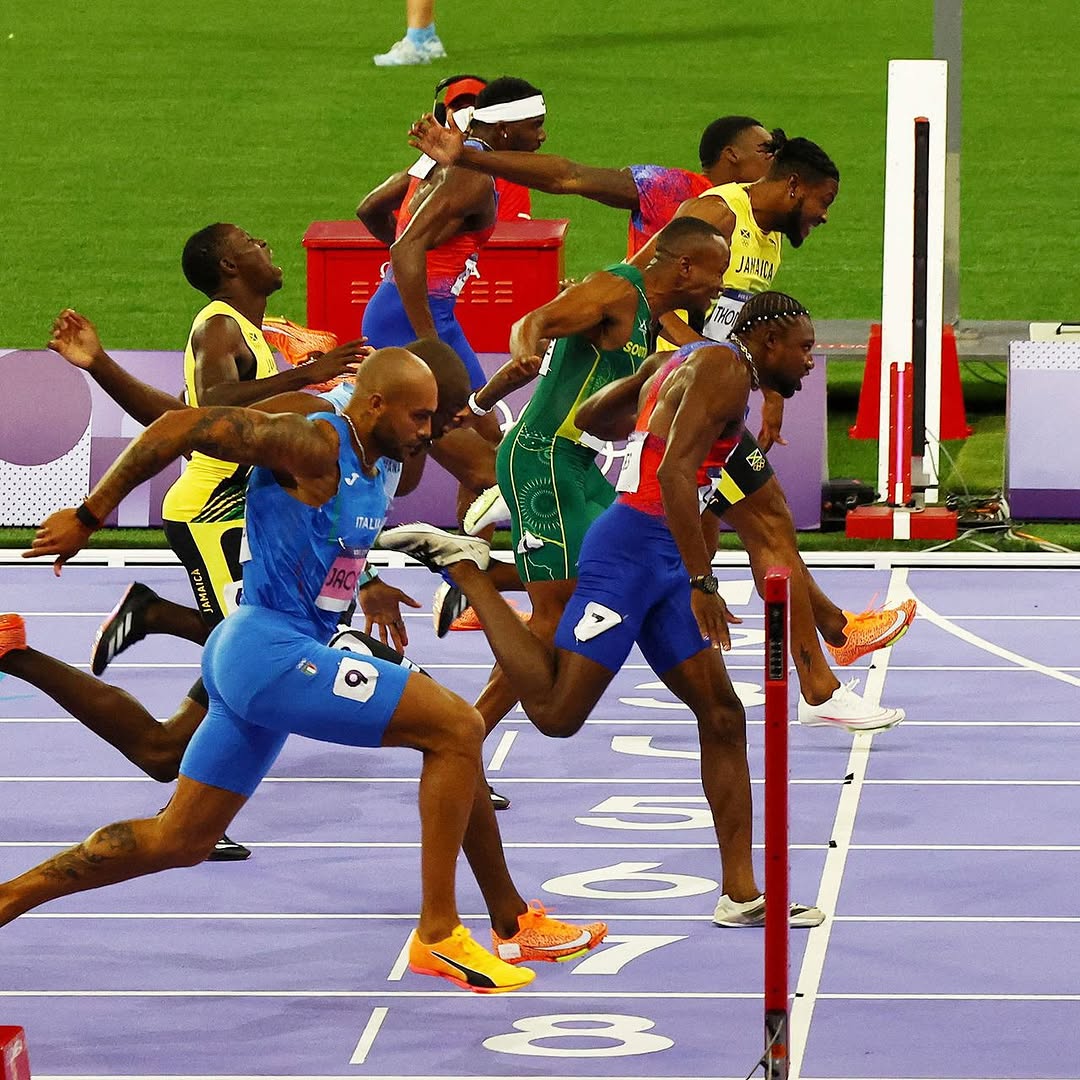
6.Noah Lyles winning by a blink of an eye! 👁️👁️
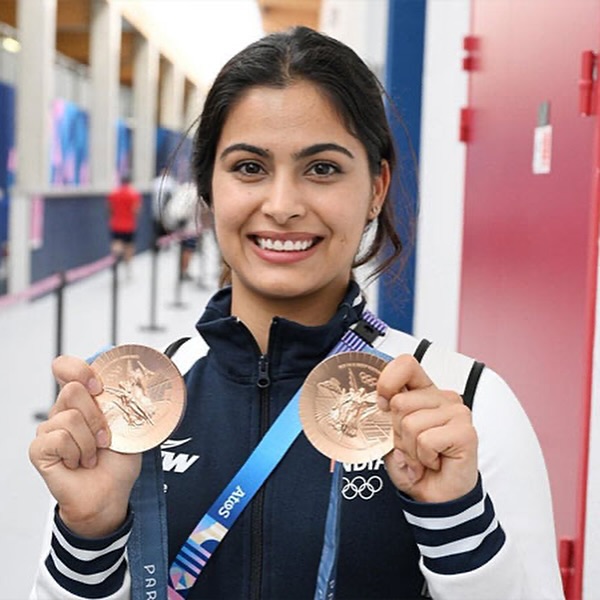
7. Manu Bhaker, becoming the first female shooter from India to win a medal at the Olympics 🇮🇳
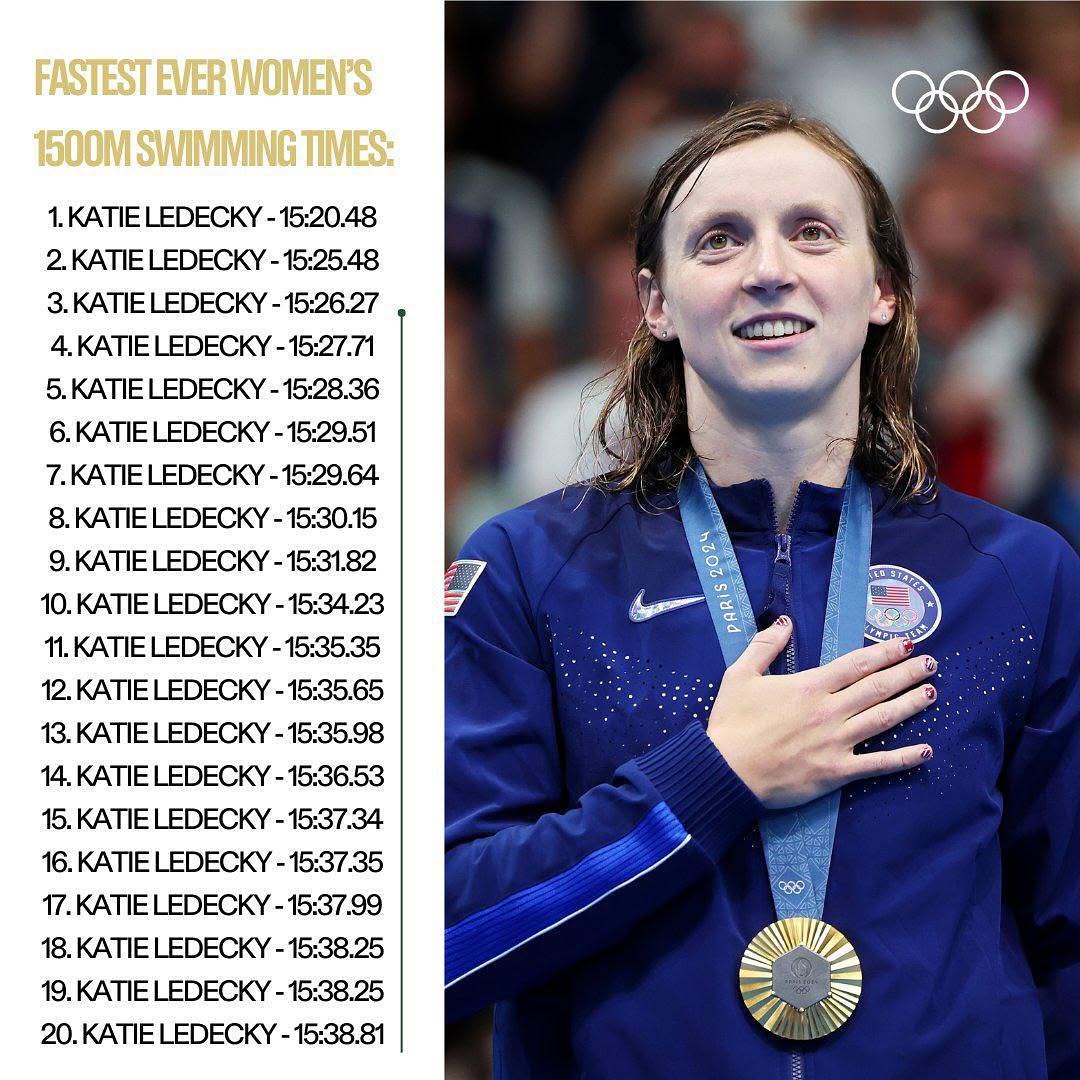
8. Katie Ledecky, continuing to make history! #legend
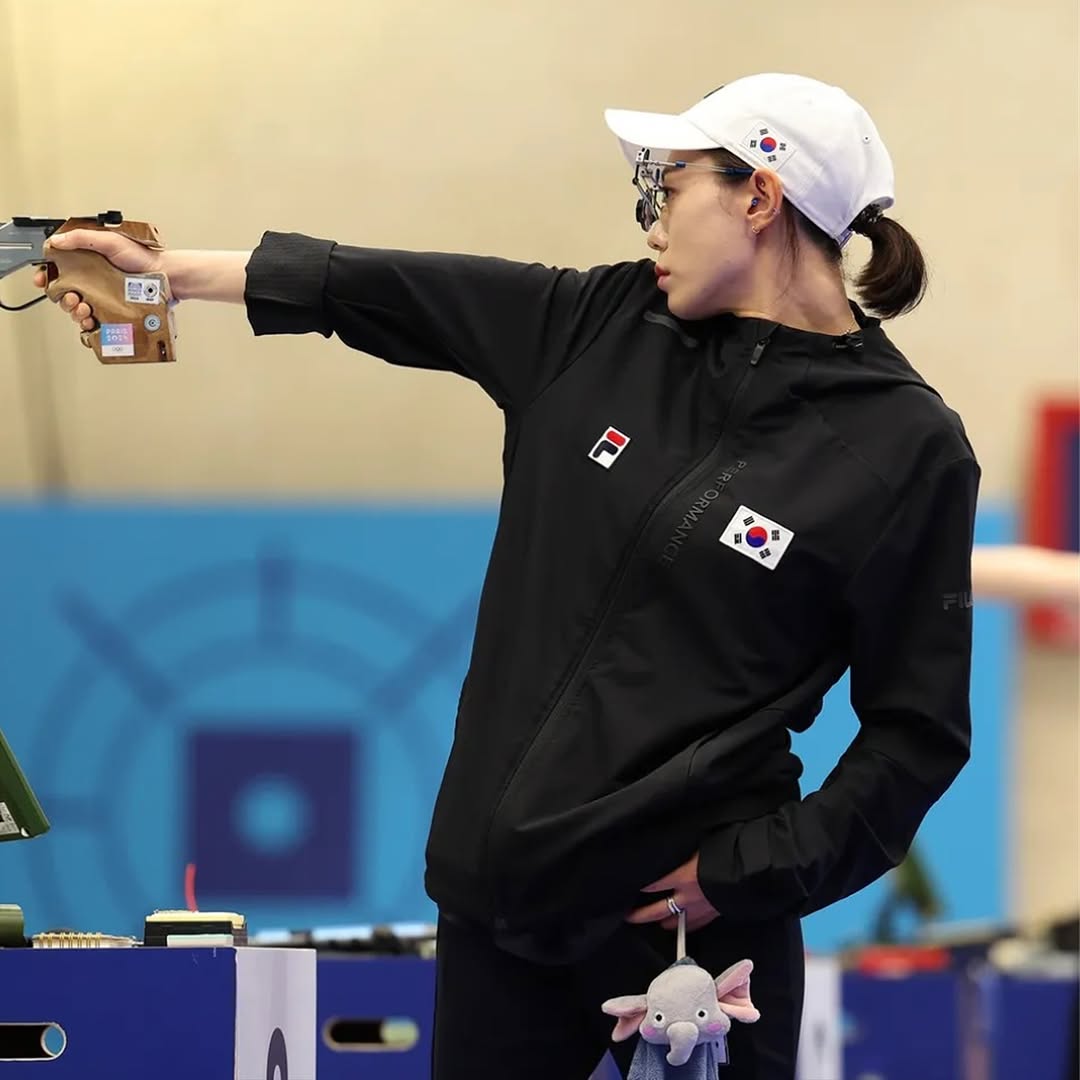
9. Kim Yeji, not only the coolest Olympic athlete but, also an even cooler mom! 🥹
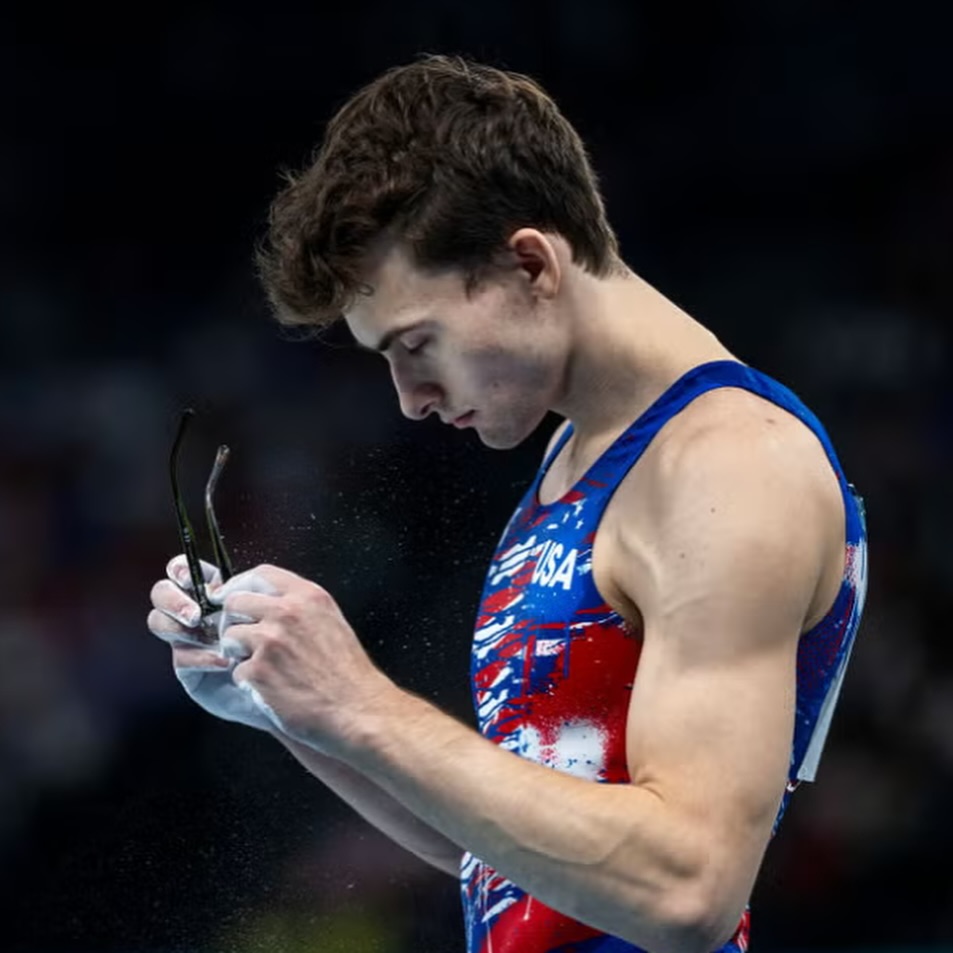
10. Stephen Nedoroscik giving us a Clark Kent moment 🤓
Why lilmiquela's Olympic Sprint Finish Went Viral
This is a textbook high-retention sports frame: peak effort, multiple contenders, and a visible finish-line decision point. For creators, it is a strong case of visual storytelling through timing.
Why This Sports Frame Spreads
The image captures the exact uncertainty zone of competition. Nobody has fully cleared the finish line yet, so viewers instinctively try to predict the winner. That split-second ambiguity creates pause time and replay behavior, both of which are powerful distribution signals.
Another driver is kinetic geometry. Every body in frame is angled forward with stretched limbs, making the whole image feel like motion even though it is a still. Motion-rich silhouettes often outperform static trophy shots because they preserve adrenaline.
The third factor is legibility under compression. Lane numbers, finish-line hardware, and bright uniform blocks remain readable at small sizes. This means the post can survive a crowded feed without losing context.
Signal
Evidence (from this image)
Mechanism
Replication Action
Outcome suspense
Multiple runners lunging at line simultaneously
Viewer pauses to resolve who wins
Capture before completion, not after celebration.
Kinetic overload
Forward leans, extended strides, arm drive
Still image feels dynamic and urgent
Select frames with diagonal body lines and peak extension.
Context clarity
Visible lane numbers and finish apparatus
Instantly read as pro race moment
Keep one or two rule-defining elements (line, lane, timer) in frame.
Color segmentation
Distinct national kits against purple track
Subjects remain separable at thumbnail size
Prioritize contrasting uniform colors and clean background planes.
Best Uses and Transfer Paths
Best-fit scenarios
Sports recap carousels: ideal for opening slide tension.
Performance mindset content: body language visualizes effort instantly.
Brand campaigns about speed/competition: strong metaphor frame.
Athlete storytelling posts: works as a "deciding moment" hero image.
The image works because every compositional layer supports urgency. Foreground runner limbs create strong diagonals, mid-layer athletes reinforce crowd pressure, and vertical finish-line elements lock the endpoint. The eye is forced to travel left-to-right at race speed.
Color also supports hierarchy. The purple track is a stable base plane, while bright uniforms become moving visual markers. This prevents subject blending and keeps each athlete legible.
Importantly, the frame avoids celebration. No winner pose, no raised hands, no post-race calm. That restraint preserves the emotional peak where effort is still unresolved. For growth-oriented sports content, this is usually the highest-retention zone.
Observed detail
Why it matters
Recreate move
Multiple runners crossing together
Increases uncertainty and engagement
Capture pack finish, not isolated leader.
Visible line and lane numbers
Fast context decoding
Keep regulatory race markings fully readable.
Peak body extension
Maximizes perceived speed
Select the frame with strongest limb spread and torso lean.