Sitting in front of my TV in complete AWE!! watching these amazing performances at this years Olympics, blows my mind to see what people are capable of achieving and how they keep pushing themselves ❤️
Some of my absolute favorite moments this Olympics (so far) -
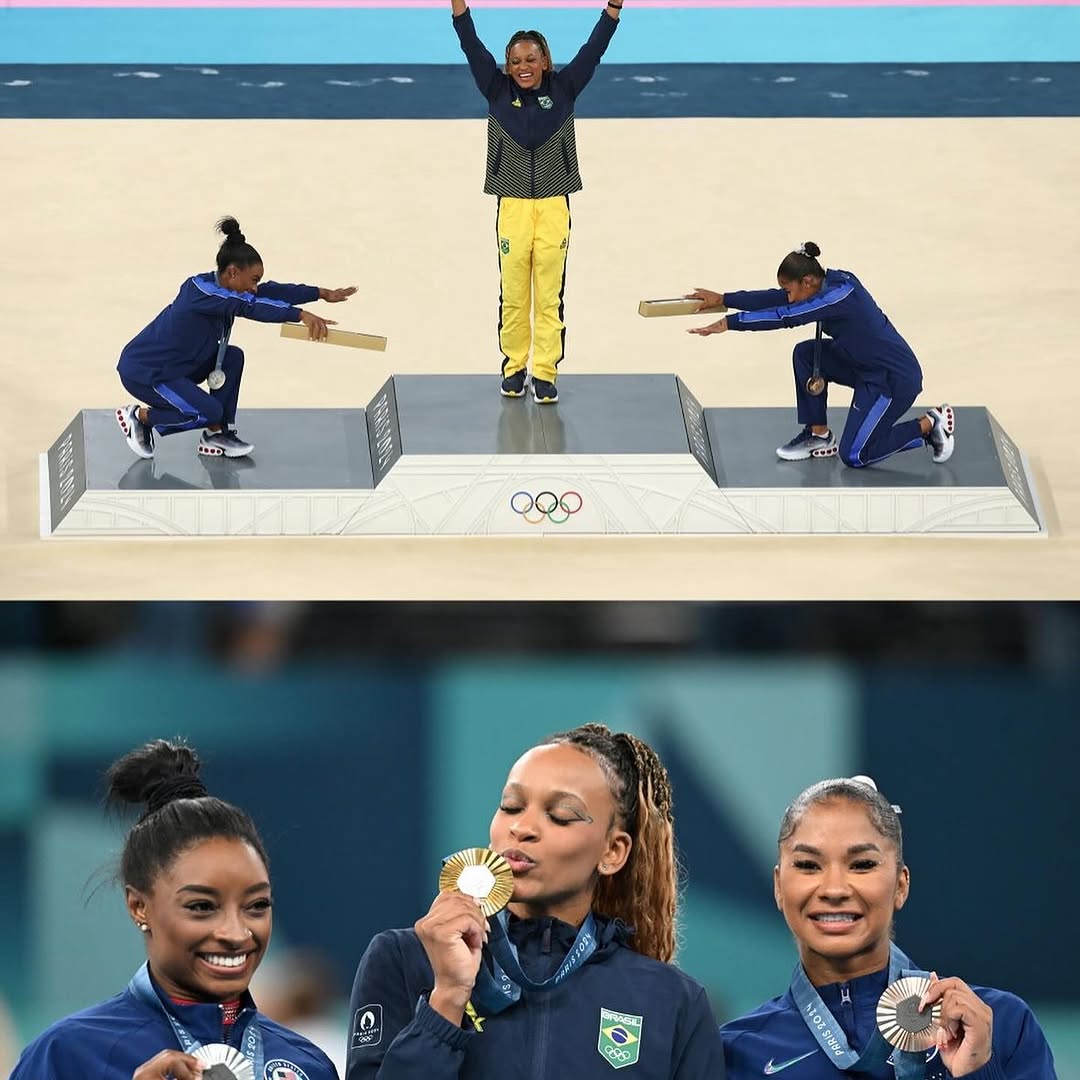
2. Rebecca Andrade, Simone Biles & Jordan Chiles <3 Giving us the first all-Black podium! This new-gen cuties teaching us humility, support, and love!! #winningright
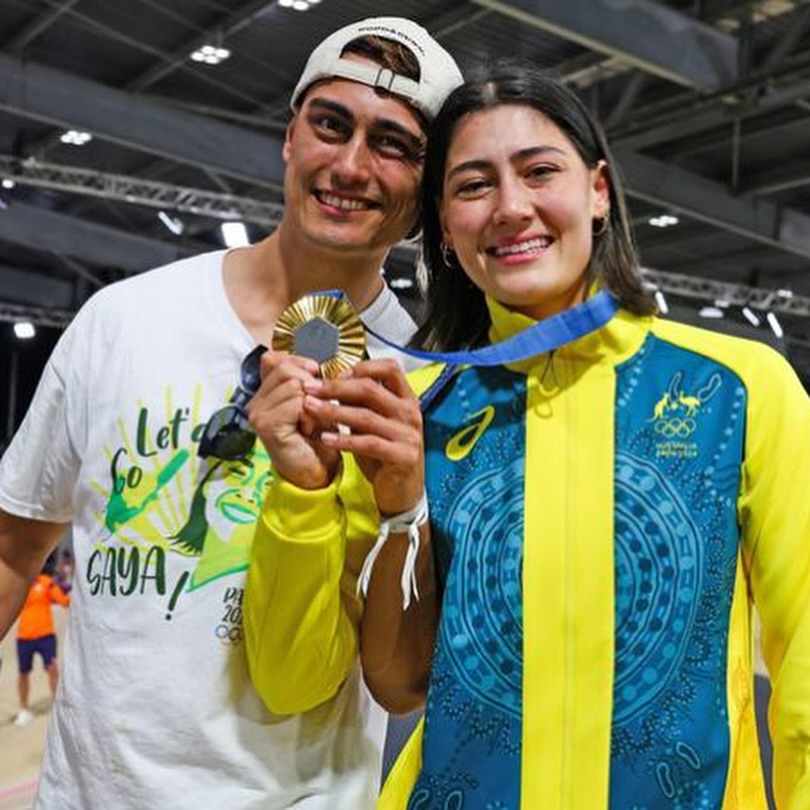
3. Saya Sakakibara winning BMX Gold for Australia and for her brother 😍
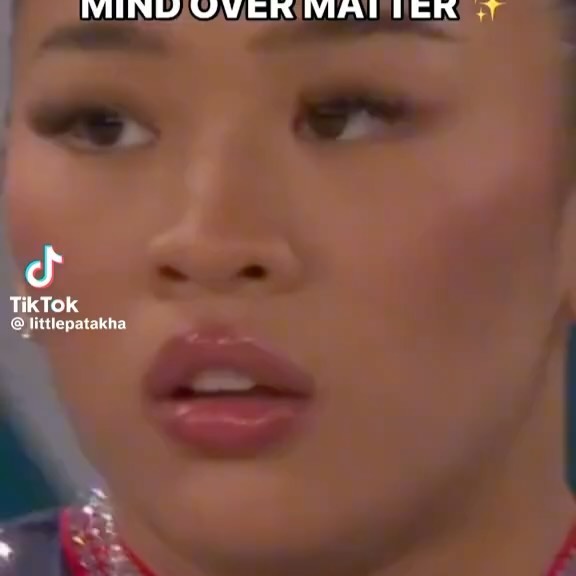
4. Young queen Sunisa Lee teaching me how one should talk to oneself! 👏🏼👏🏼👏🏼
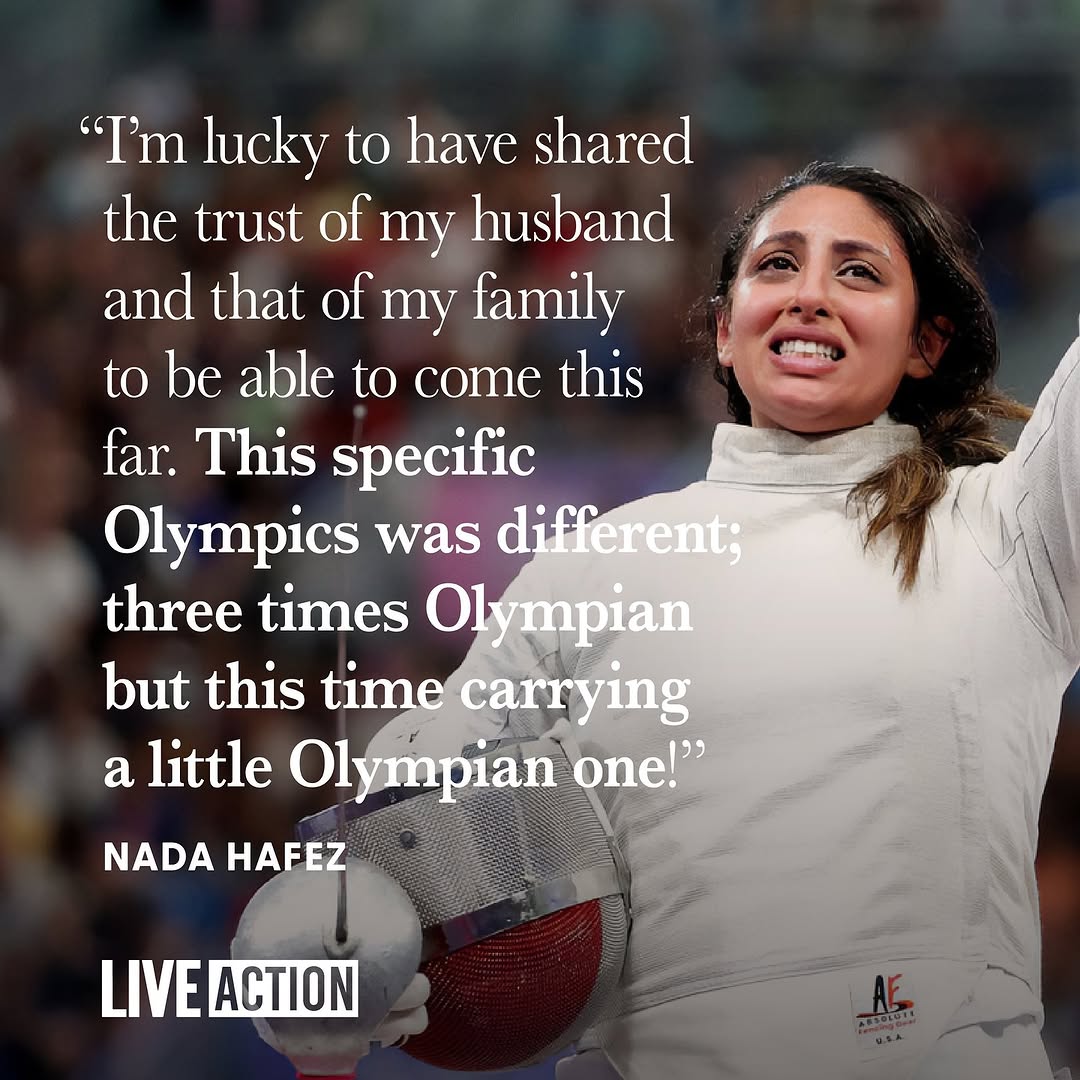
5. Nada Hafez winning Gold for fencing while 7 months pregnant!!! What a queen 👑
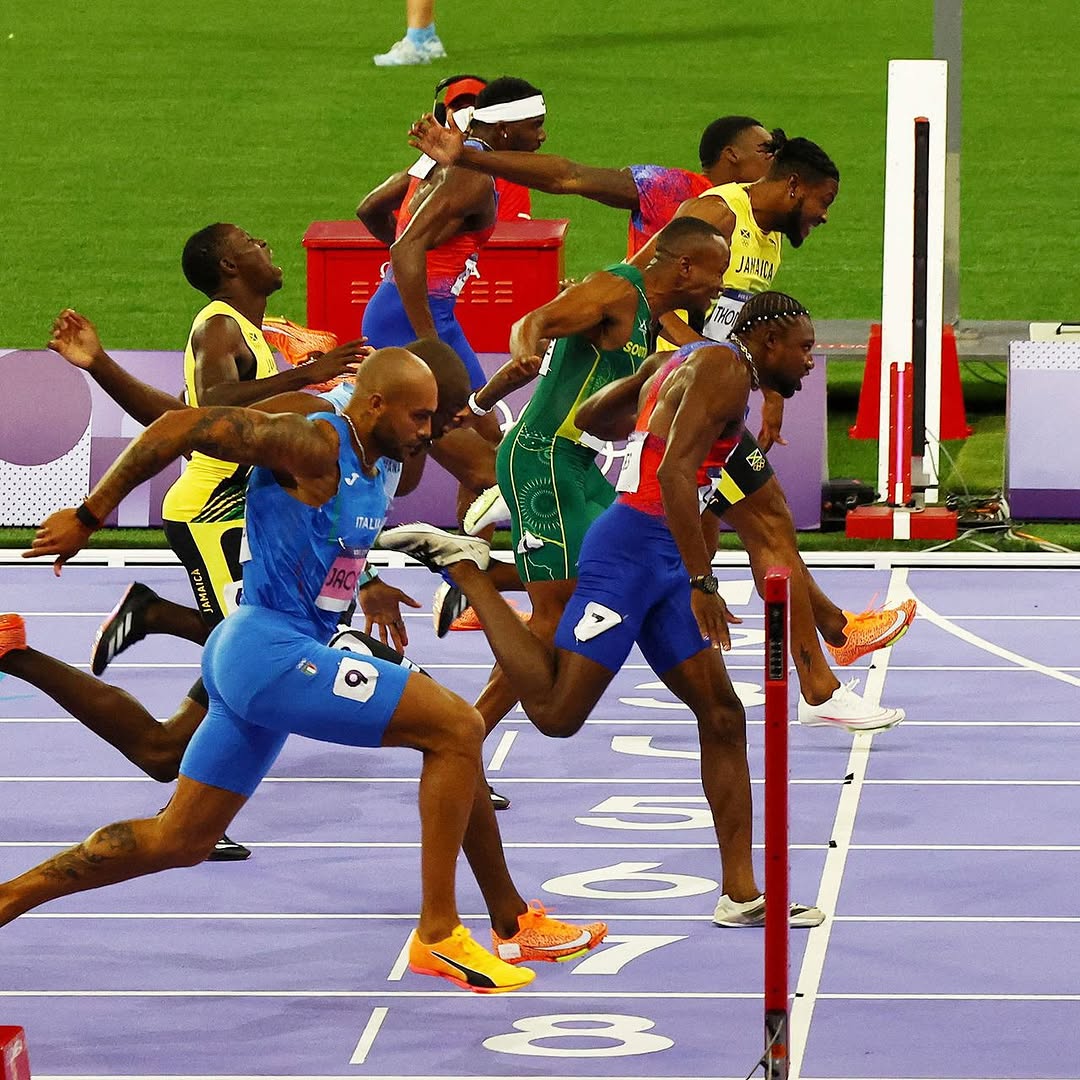
6.Noah Lyles winning by a blink of an eye! 👁️👁️
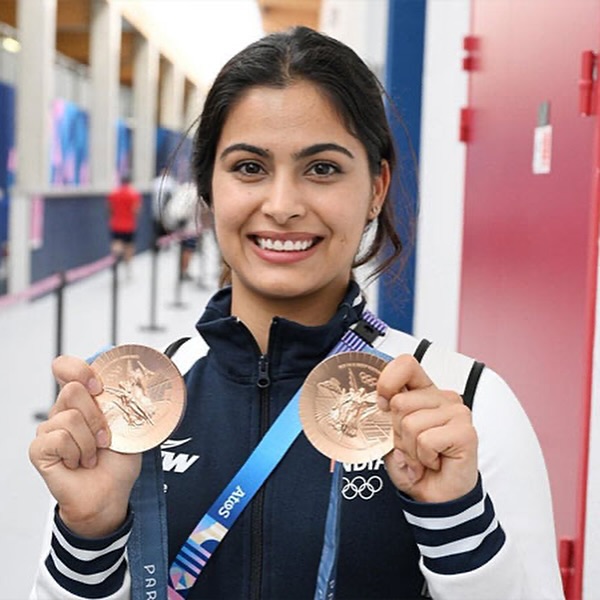
7. Manu Bhaker, becoming the first female shooter from India to win a medal at the Olympics 🇮🇳
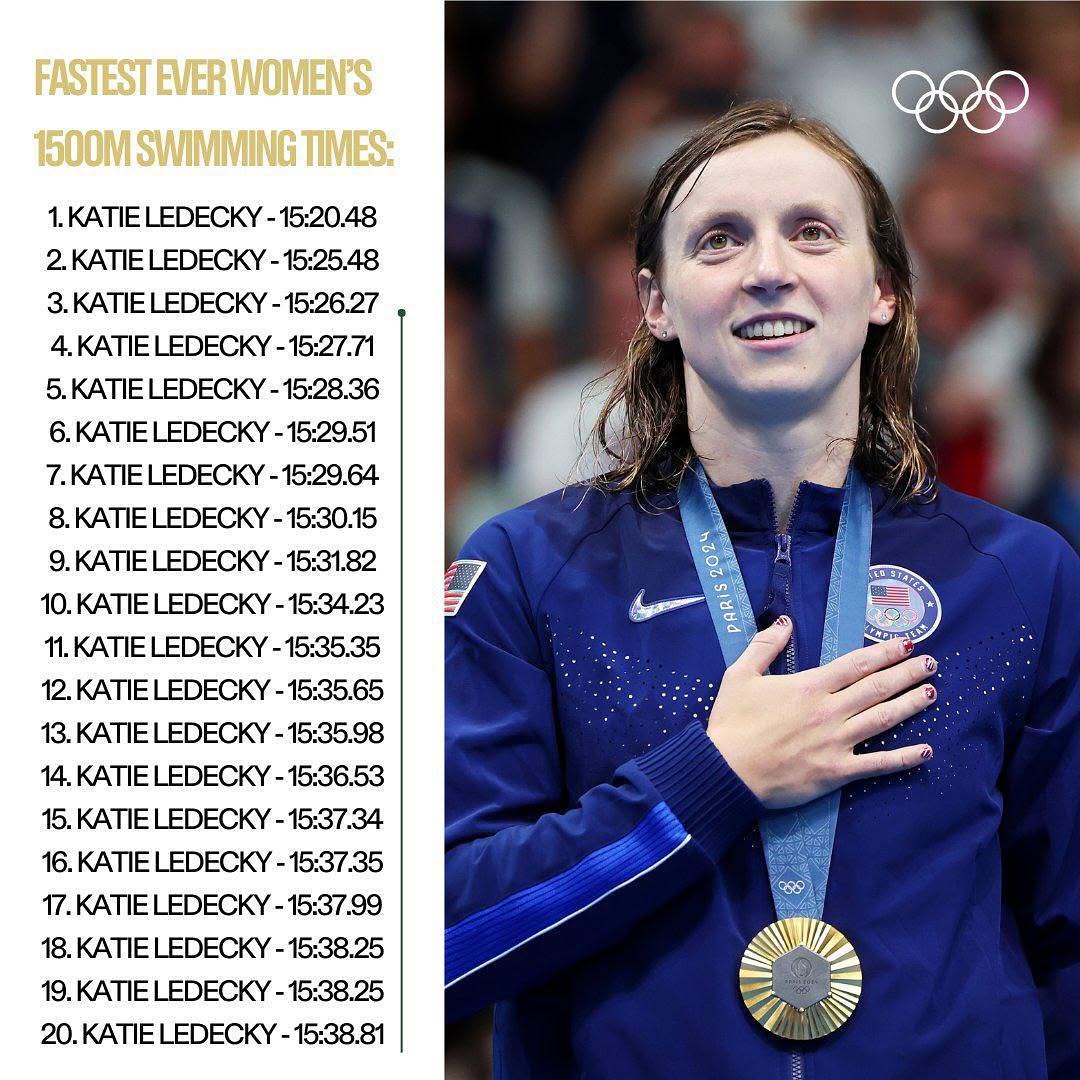
8. Katie Ledecky, continuing to make history! #legend
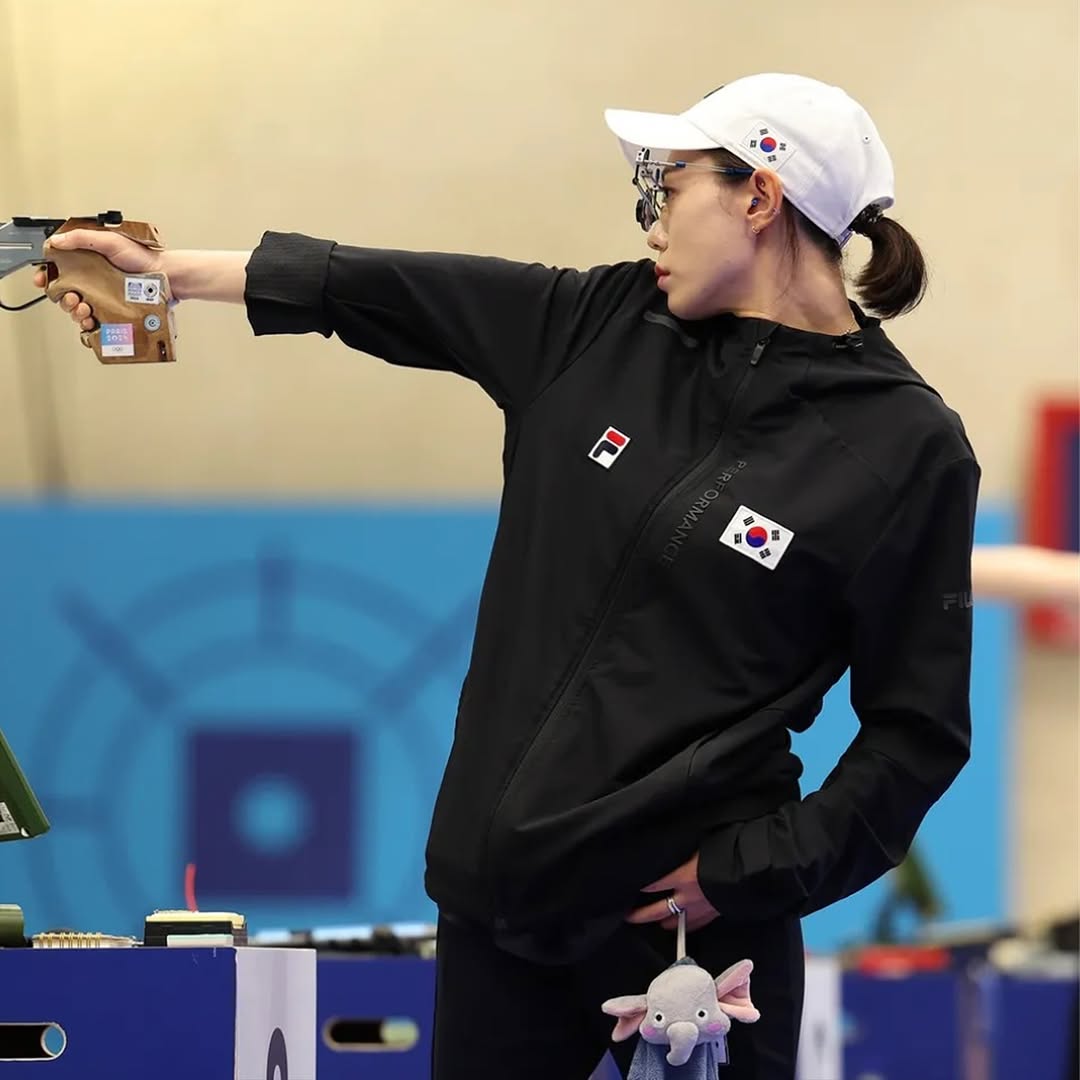
9. Kim Yeji, not only the coolest Olympic athlete but, also an even cooler mom! 🥹
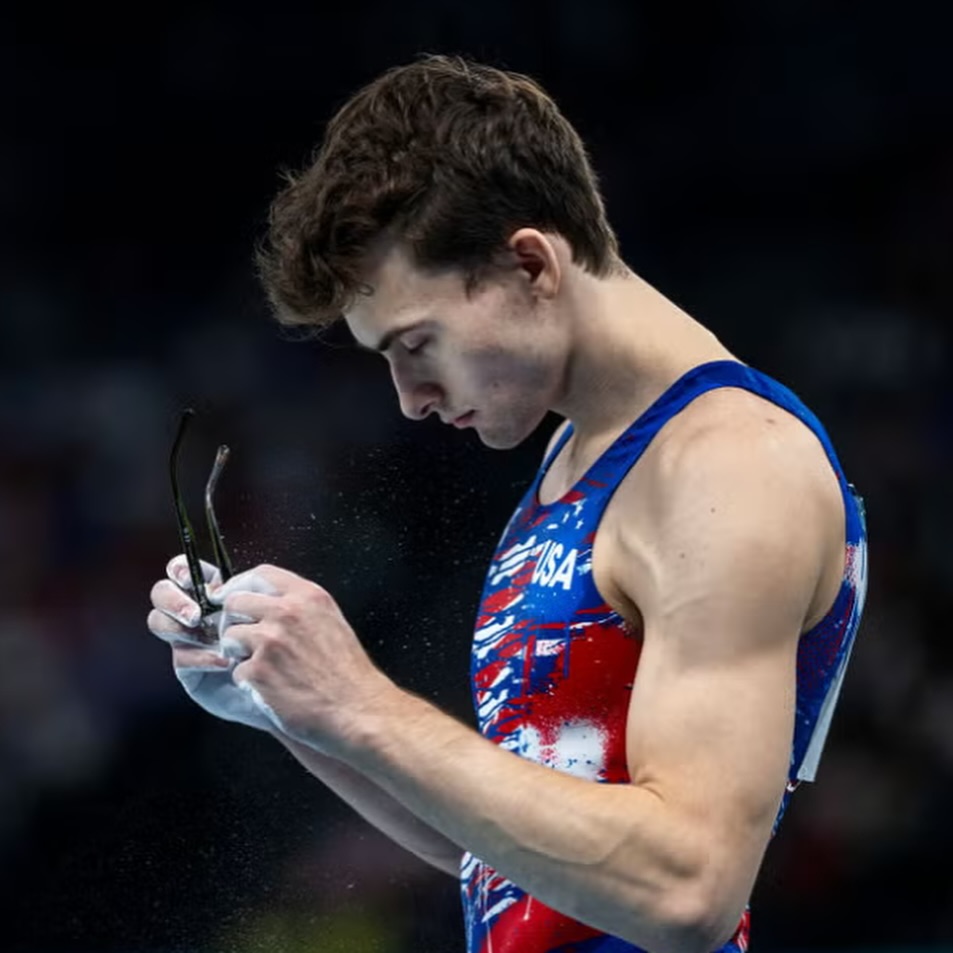
10. Stephen Nedoroscik giving us a Clark Kent moment 🤓
How lilmiquela Framed This Rebecca Andrade Olympics AI Portrait — and How to Recreate It
This image is powerful because it is a complete story in one second. You do not need to read anything to understand the headline: achievement, pride, and a real milestone. Two medals held up near the face is a universal visual language. It reads instantly on a phone screen, which is why these kinds of frames travel so well.
It also feels human. The smile is not “posed perfection,” it is relief and joy. The background looks like a real corridor at a real event, not a studio. That realism matters: audiences trust proof more than polish. When your audience believes the moment, they are more likely to share it as inspiration.
Why it went viral
There are two mechanics working together here: proof and readability. Proof is the medals. Readability is the composition. The subject is centered, the medals are symmetrical, and the background stays secondary. That reduces cognitive load and increases scroll-stop rate.
The second mechanic is emotional permission. People want to celebrate excellence. A medal frame is “safe to share” because it is positive and aspirational, and it does not require the viewer to take a controversial stance. That makes it high-spread content, especially when the caption reinforces admiration and awe.
Creators can replicate this even without medals. You just need a strong “receipt” object that symbolizes the win: a diploma, a finished product, a backstage pass, a before/after result, a screenshot of a milestone. The structure is what matters.
Signal
Evidence (from this image)
Mechanism
Replication Action
Instant Proof
Two medals clearly visible, held near the face
Receipts build credibility and share intent
Hold the “proof object” high and close to the face for readability
The aesthetic strength is not “cinema.” It is clarity. Soft indoor light keeps shadows gentle, which makes the face and the medals easy to read. The jacket colors are restrained, which prevents the outfit from competing with the medals. The background is present enough to feel real, but blurred enough to stay quiet. This balance is why the frame feels credible and shareable.
Notice the geometry: face in the center, medals on both sides, ribbons falling downward. That symmetry gives the image a poster-like structure, which makes it feel like a definitive moment. If you want this look, focus on composition first and lighting second. Styling is third.
Observed
Recreate
Why it matters
Two proof objects near the face
Place proof objects at cheek/shoulder height
Keeps the message readable in thumbnails
Centered, symmetrical framing
Center the subject and mirror hand positions
Creates a “definitive moment” poster feel
Soft indoor lighting
Use diffuse light and avoid hard shadows
Makes faces and metal surfaces easy to read
Real corridor background
Choose a believable location and blur it softly
Boosts trust and authenticity
Prompt technique breakdown
Prompt chunk
What it controls
Swap ideas (EN, 2-3 options)
proof object placement
Readability and credibility
"holding two medals" / "holding a certificate" / "holding a product box"