
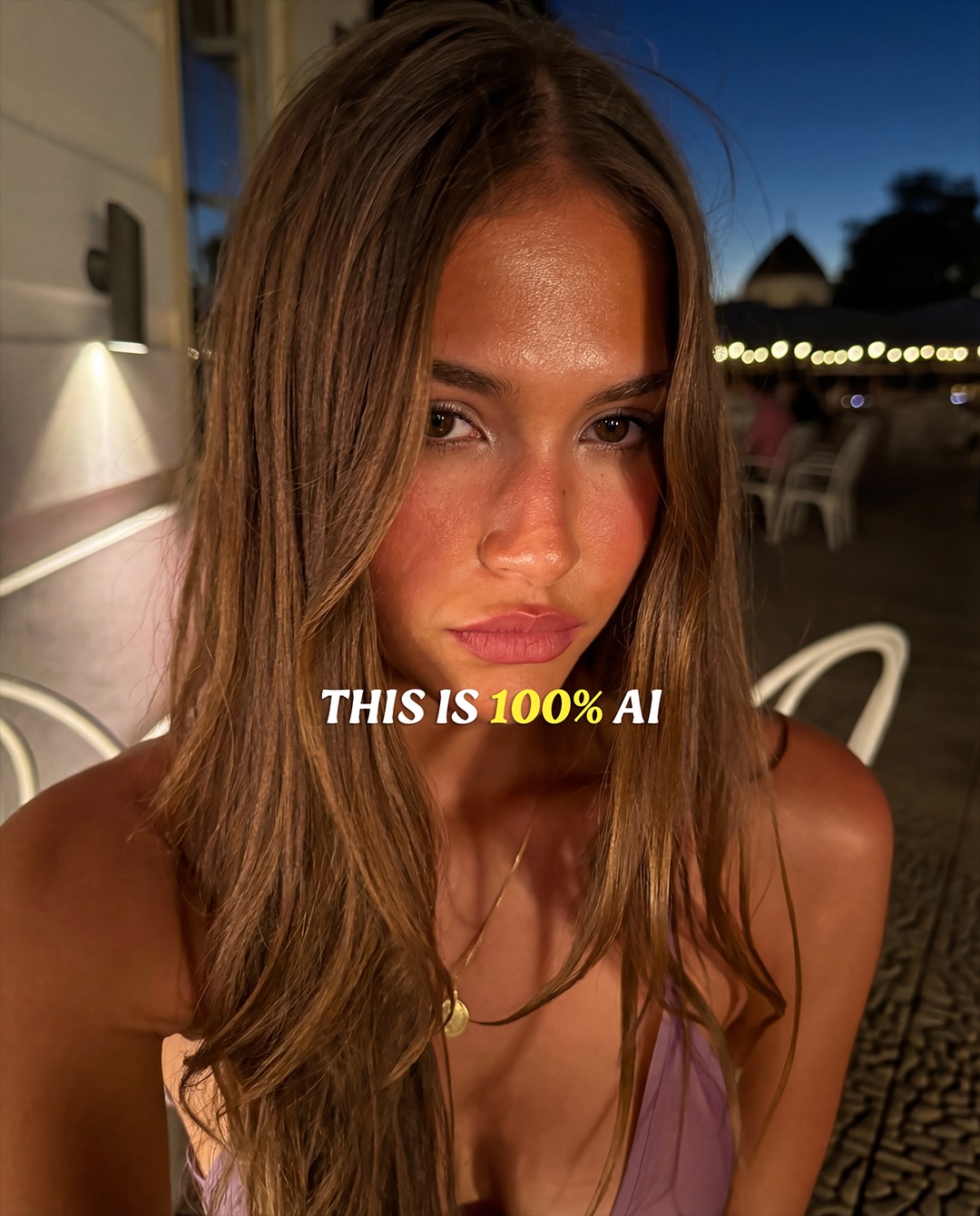
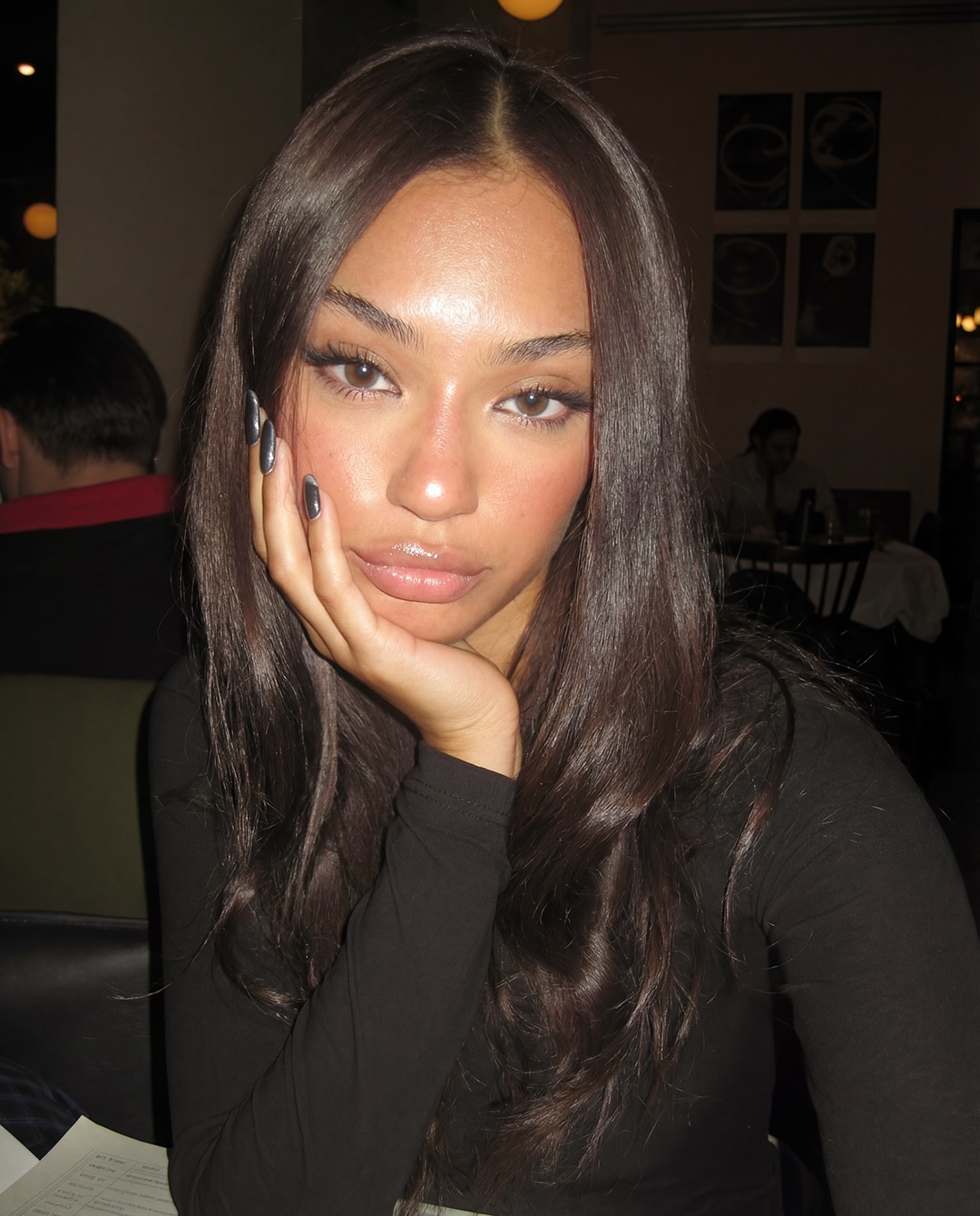


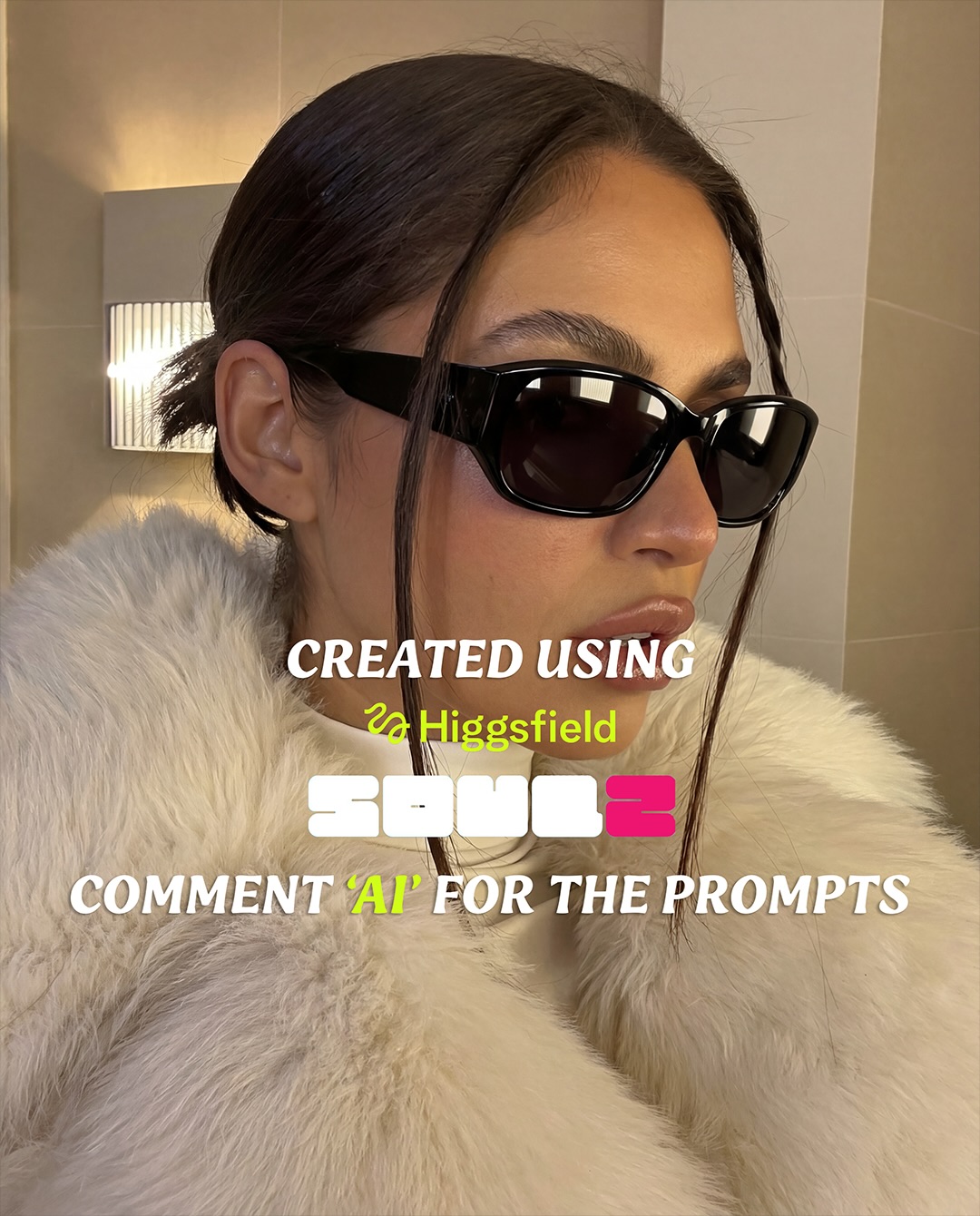
Comment ‘AI’ to get the prompts in your DM’s 👀 Soul 2 by @higgsfield.ai just made AI UGC a whole lot easier. - #aitools #aicommunity #aiugc #higgsfieldai #ai
Comment ‘AI’ to get the prompts in your DM’s 👀 Soul 2 by @higgsfield.ai just made AI UGC a whole lot easier. - #aitools #aicommunity #aiugc #higgsfieldai #ai
This image works because it does not pretend to be more complicated than it needs to be. It is a car-night selfie, and it fully embraces the strengths of that format instead of fighting them. The close distance, direct flash, relaxed expression, and simple black shirt all contribute to an atmosphere that feels casual but intentional. The portrait is not trying to perform luxury, fantasy, or excessive styling. It is presenting a believable social moment with enough polish to feel visually satisfying.
That balance is what makes the selfie effective. Many casual selfies fail because they either feel too careless or too staged. This one lands in the middle. The viewer sees a real person in a real car interior at night, but the image still has clear focal structure, strong eye contact, and enough contrast to feel composed. That combination of authenticity and control is exactly what makes modern lifestyle selfies work across social platforms.
The camera is close enough that the face becomes the main event. That kind of proximity increases immediacy. The viewer does not feel like they are watching someone from across a room. They feel as though they are in the same small private space. In social imagery, this closeness often translates into trust and engagement. The portrait feels like a direct communication rather than a distant display.
At the same time, the framing avoids the awkwardness that can happen when a phone is pushed too near the subject. There is still enough room to read the shoulders, shirt neckline, lifted arm, and a hint of the car interior. That extra context prevents the image from becoming claustrophobic. The balance between intimacy and breathing room is one of the strongest things about the composition.
The expression is easygoing without becoming empty. A slight smile, relaxed eyes, and comfortable facial posture make the subject feel approachable. This matters because selfies often rise or fall on emotional tone. If the expression is too blank, the frame can feel disconnected. If it is too exaggerated, it can feel forced. Here, the portrait settles into a grounded, believable confidence that matches the casual environment.
That emotional clarity makes the image useful for everyday social communication. It feels like something that could accompany a simple caption, a life update, or a low-pressure personal post. The subject is not performing a fantasy version of himself. He is presenting a socially readable, self-assured version of himself. That makes the image more usable and more relatable.
Direct phone flash is often criticized, but in this kind of image it is doing exactly the right job. It lifts the face out of a dark environment and creates a clear separation between subject and background. The highlights across the forehead, cheeks, and nose give the portrait brightness and energy. In a car at night, available light alone would likely make the image muddy, grainy, or visually flat. The flash solves that problem instantly.
The key is that the flash is not being used to imitate studio lighting. It retains the familiar bluntness of a phone-based image, which keeps the portrait honest. The result feels contemporary because it accepts the visual language of social photography rather than trying to disguise it. The flash says this is a real night moment captured directly, and that honesty becomes part of the charm.
The car setting provides just enough environmental context to deepen the portrait without overwhelming it. The dark headrest, the dim side windows, and the faint city lights outside establish a believable nighttime space. These elements tell the viewer where the subject is, but they stay quiet enough that the face remains dominant. This is exactly how environmental context should behave in a strong selfie.
Cars are especially interesting portrait environments because they are private but mobile. A car selfie often feels transitional, like a moment between destinations, plans, or events. That transitional feeling gives the image emotional texture. The portrait is not only about appearance. It is also about being in a certain time and place. The night setting outside the windows suggests movement, city life, and everyday rhythm without requiring any dramatic visual event.
The plain black crew-neck shirt is a quiet but effective styling choice. It keeps the lower half of the image visually stable and prevents the outfit from competing with the face. In portraits like this, simple clothing is often a strength because it reduces noise. A loud pattern, logo, or saturated color would have introduced another focal point. The black shirt instead acts like a visual anchor, helping the skin tone and facial expression remain the clear center of attention.
Black also works especially well in low-light environments. It belongs naturally to the nighttime mood of the image. The subject looks integrated into the scene rather than pasted into it. At the same time, the clean neckline helps define the body clearly against the seat and interior shadows. This shows how useful understated wardrobe can be in casual portraiture. Simplicity often creates stronger focus than overstyling.
The raised arm entering the frame adds an informal, lived-in quality that helps the portrait feel unforced. It introduces a small asymmetry and makes the image feel more like a real moment than a perfectly arranged headshot. This matters because selfies often benefit from tiny signs of physical casualness. A frame that is too symmetrical can feel stiff. A small irregularity gives it personality.
The arm also subtly supports the idea of self-capture. It reminds the viewer that this is a front-facing portrait made by the subject in a familiar social format. That reinforces the authenticity of the image. Instead of being a distraction, the arm becomes a structural hint about how the picture was made, which fits naturally with the overall candid tone.
The portrait feels current because it understands the aesthetics of believable digital intimacy. It is sharp enough to feel clean, but not so overprocessed that it becomes artificial. The skin keeps natural texture. The background stays dark. The composition is centered but not rigid. The visual message is immediate: this is a real person in a familiar nighttime situation, captured in a way that still feels flattering and visually aware.
This is important because modern social portraiture often performs best when it looks effortless while still showing quiet control. Overedited selfies can feel dated quickly. Overly casual ones may not hold attention. This image sits in the productive middle. It is clear, direct, and aesthetically aware without feeling overbuilt. That balance is one reason the frame feels socially fluent.
Relatability comes from the absence of unnecessary barriers. The viewer does not have to decode a concept, recognize a location, or understand a fashion reference. They see a person, a smile, a car interior, and a night setting. These are common, readable elements. That familiarity makes the image easy to connect with. It feels like something one might send to a friend, post after a late outing, or save as a personal record of a calm moment.
At the same time, the portrait is not dull. The flash, the eye contact, and the framing give it enough shape to rise above a random snapshot. This is exactly why relatable images often perform strongly: they offer the viewer emotional access without sacrificing visual appeal. The frame is ordinary in content, but thoughtful in execution.
There are several useful lessons here. First, a good casual portrait does not need a complex background if the face is strong and the light is clear. Second, direct flash can be an advantage in dark settings if the rest of the frame is kept simple. Third, wardrobe should support the face rather than compete with it. Fourth, natural expression often works better than exaggerated posing in intimate mobile formats. Fifth, small irregularities, like an arm entering frame, can help the image feel more alive and honest.
Creators often think that stronger social portraits require more production, but this image shows the opposite. Strong portraits come from clarity, not complication. A simple environment, readable expression, and controlled flash can create something visually successful without large setups or expensive staging.
The portrait holds attention because the emotional message is immediate. The viewer sees a relaxed face, direct eye contact, and a clean night atmosphere. There is no confusion about what matters. The face is the focal point, the smile softens the mood, and the flash keeps the subject prominent against the darker car interior. That directness helps the frame work quickly on small screens.
It also rewards a slightly longer look. The viewer notices the gloss of the flash, the quiet city lights through the window, the smooth transition from lit skin to dark interior, and the ease of the body posture. These details make the image feel fuller than a basic headshot. It is still simple, but it is not empty.
Images like this remain useful because they are flexible. They can support personal updates, casual branding, everyday storytelling, or community-facing posts without feeling out of place. That flexibility is valuable in creator and lifestyle content. Not every portrait needs to be cinematic or highly conceptual. Sometimes the strongest visual communication comes from a frame that feels honest, immediate, and friendly.
Ultimately, this selfie succeeds because it understands its own scale. It does not try to become something grander than a night portrait in a car. Instead, it does that small job extremely well. The close framing, clear flash, relaxed smile, simple styling, and dim contextual background all work together to create a portrait that feels current, natural, and socially effective.