


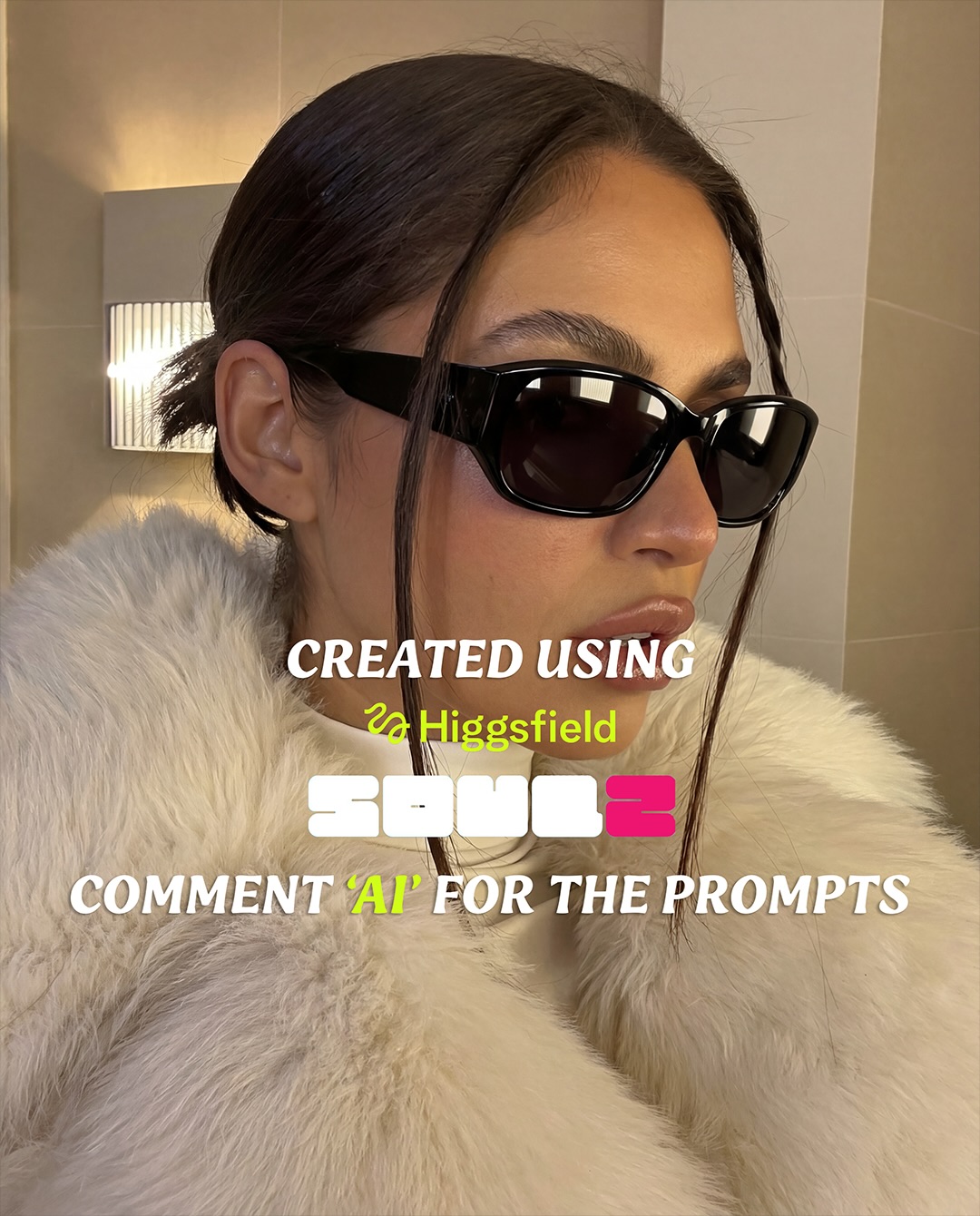
Comment ‘AI’ to get the prompts in your DM’s 👀 Soul 2 by @higgsfield.ai just made AI UGC a whole lot easier. - #aitools #aicommunity #aiugc #higgsfieldai #ai
Comment ‘AI’ to get the prompts in your DM’s 👀 Soul 2 by @higgsfield.ai just made AI UGC a whole lot easier. - #aitools #aicommunity #aiugc #higgsfieldai #ai
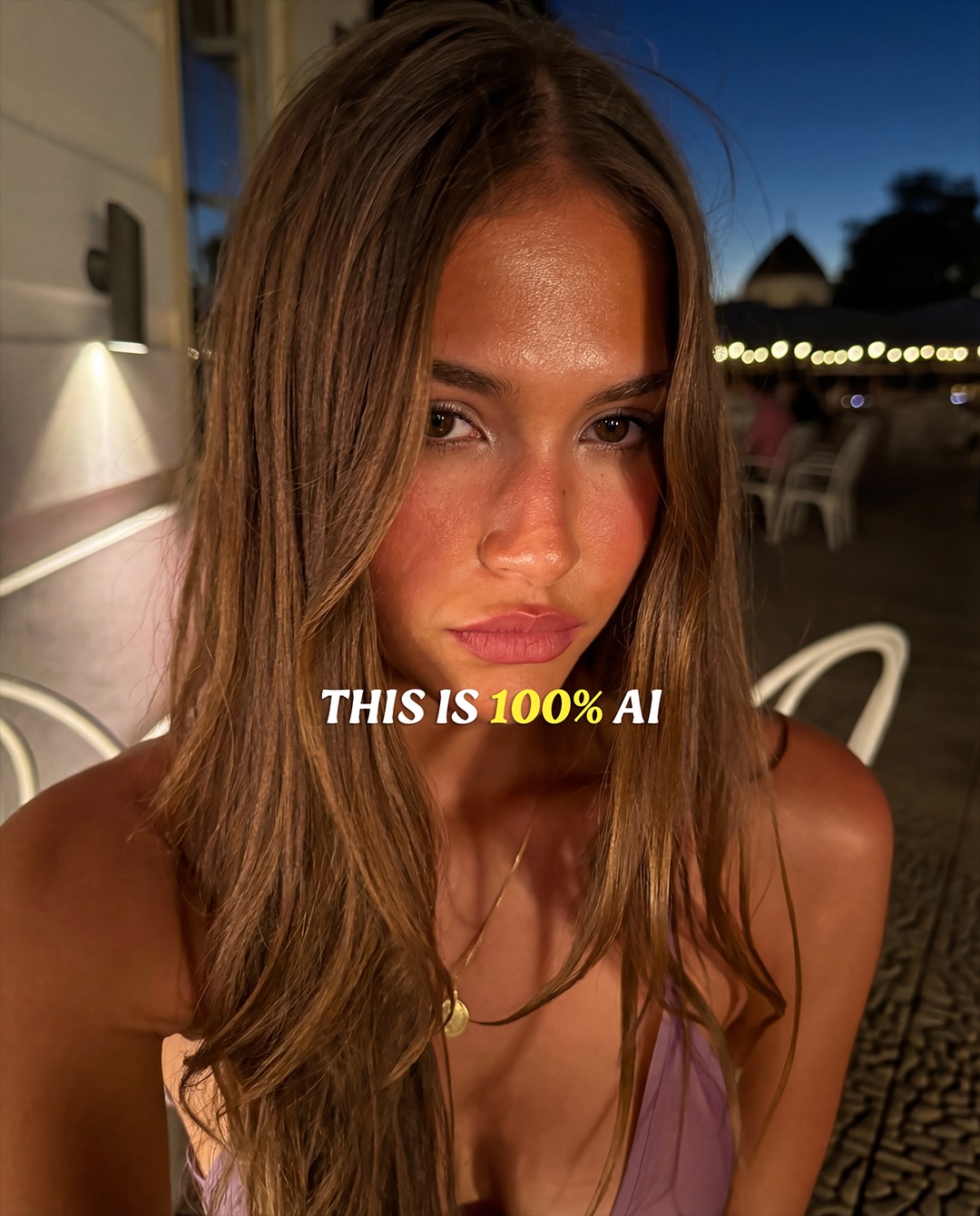
This portrait succeeds because it makes a simple nightlife moment feel vivid, polished, and emotionally direct. At first glance, the image appears uncomplicated: a young woman leaning slightly toward the camera on an outdoor terrace at dusk, lit by a strong frontal flash, with restaurant chairs and warm string lights fading softly behind her. But the actual appeal of the image comes from how carefully that simplicity is organized. The picture understands what makes nightlife portraiture compelling on modern social platforms. It combines directness, intimacy, clean styling, and environmental context without overcomplicating the frame.
The result is an image that feels both casual and intentional. It does not read like a studio beauty campaign, and it does not read like an accidental snapshot either. Instead, it occupies the sweet spot that many contemporary lifestyle portraits aim for: visually elevated but emotionally accessible. The viewer can imagine the moment happening in real life, yet the image still has enough polish to feel aspirational. That tension between realism and refinement is one of the key reasons the portrait holds attention.
The chest-up framing immediately shapes the way the viewer encounters the portrait. Because the subject fills most of the vertical composition, there is almost no visual competition. The face, shoulders, hair, and neckline dominate the image. This makes the emotional message very clear. The viewer is not asked to interpret a busy scene or decode multiple actions at once. They are asked to engage with a single person and a single mood. That clarity is powerful in feed-based environments where images often need to communicate within a second or two.
Tight framing also increases the sense of intimacy. The subject appears close enough that the interaction feels personal rather than observational. Instead of looking at someone from across the room, the viewer feels positioned inside the same small space. This closeness helps the image feel immediate and lived-in. The subject is not staged at a dramatic distance for spectacle. She is presented at a conversational distance, which makes the portrait feel social, direct, and emotionally available.
The direct gaze is central to the portrait's impact. Without it, the image would still be attractive, but it would become less engaging. Eye contact changes the frame from a passive record into a visual exchange. The subject is not simply being looked at. She is looking back. That mutuality is what gives the portrait confidence. The calm but slightly intense expression avoids exaggerated performance and instead invites the viewer into a more controlled, self-possessed mood.
There is also a practical advantage to this choice. Direct gaze organizes the composition emotionally. Even when the background contains lights, chairs, and architectural details, the eyes remain the obvious focal point. This helps the viewer settle quickly into the portrait. In social imagery, strong focal certainty matters. When the viewer instantly knows where to look, the portrait feels more assured and more memorable.
The frontal flash is one of the most important ingredients in the image. Instead of trying to hide the artificial light, the portrait embraces it. The flash creates crisp highlights across the forehead, nose, cheeks, collarbone, and shoulders. These reflective points add surface energy and presence. They give the skin a luminous nightlife quality that feels contemporary and highly compatible with fashion and beauty-oriented portraiture.
Strong flash also helps separate the subject from the dim background. Because the environment is naturally darker and cooler, the illuminated face reads with immediate clarity. This contrast does more than improve visibility. It creates a mood. The subject looks like the emotional center of a late-evening scene, while the terrace around her becomes a softly glowing stage. That relationship between a bright subject and a receding environment is one of the most effective ways to produce a glamorous but believable evening portrait.
Another reason the image feels effective is the color balance between the subject and the setting. The direct flash introduces warmth and presence into the skin, while the surrounding environment keeps traces of cool dusk blue. At the same time, the practical lights in the background add amber warmth. This creates a layered color structure instead of a flat one. The viewer experiences the frame as warm in the foreground, cool in the atmosphere, and softly golden in the distance.
That mix of tones gives the portrait emotional richness. A purely warm frame might feel flat or overly processed. A purely cool frame might feel distant or austere. Here, the portrait uses both. The subject feels alive and near, while the evening environment feels atmospheric and slightly cinematic. This is exactly the kind of color tension that gives lifestyle portraits a more expensive visual impression without requiring elaborate production design.
The background is blurred, but it still contributes essential meaning. The white chairs, the terrace layout, the wall light, the cobblestone ground, and the distant string lights all establish a believable social environment. These cues tell the viewer that the portrait belongs to a real evening outing rather than an undefined dark backdrop. That difference matters because environmental context helps the image feel story-driven. The subject is not floating in abstraction. She is inhabiting a place.
Terrace settings are especially effective for this kind of portrait because they combine openness and intimacy. The outdoor space introduces air, atmosphere, and evening color, while the restaurant-like details suggest comfort, leisure, and social life. These signals quietly frame the image as part of a desirable lifestyle moment. The portrait is not only about appearance. It is also about mood, timing, and the experience of being beautifully present in a night setting.
The styling is restrained, and that restraint is one of the portrait's strengths. The lilac spaghetti-strap top is delicate and visually light, which prevents the outfit from overpowering the face. The small gold necklace adds a subtle point of interest without distracting from the overall mood. Together, these details make the subject feel dressed for a real evening rather than costumed for a concept shoot. The styling supports the portrait instead of competing with it.
Hair also plays a major role. The long, loose brown hair frames the face naturally and softens the sharper clarity produced by the flash. Strands around the cheeks and shoulders create texture and a sense of movement, even in a still image. This balance between polished beauty and natural looseness is key. It keeps the portrait from feeling rigid. The subject looks composed, but not frozen.
The expression avoids the two most common problems in social portraiture: overperformance and emotional emptiness. The subject is not smiling broadly for easy friendliness, but she is not emotionally blank either. Instead, the face carries a controlled seriousness with a hint of intensity. That gives the portrait a more mature emotional tone. It suggests self-awareness, presence, and confidence without forcing drama.
This matters because expression determines whether a portrait feels disposable or enduring. Highly exaggerated expressions often make a frame feel tied to a quick trend. Controlled expressions tend to age better because they allow the viewer to project more nuance into the image. In this portrait, the subject's face supports the visual language of dusk, flash, and intimacy. Everything works toward the same emotional key.
The soft blur in the background is doing quiet but important compositional work. By keeping the environmental details legible but out of focus, the portrait preserves atmosphere without sacrificing priority. The viewer understands that there is a terrace, furniture, and evening lighting in the background, but none of those elements can challenge the subject for attention. This is exactly what shallow depth of field is supposed to accomplish in a lifestyle portrait.
Blur also contributes to mood. Hard, fully detailed backgrounds often make nightlife portraits feel documentarian. A softened background makes the world feel slightly more dreamlike and cinematic. It suggests that the viewer is not simply recording a place; they are experiencing a moment. In this image, the blur turns small practical lights into gentle points of glow, which reinforces the atmosphere of evening leisure.
From a platform perspective, the image is highly effective because it reads immediately at small size. There is one clear face, one clear gaze, one clean lighting concept, and one coherent emotional mood. Nothing in the frame creates confusion. That is important because social images are rarely encountered under ideal viewing conditions. They are seen quickly, often on mobile screens, among many competing visuals. A portrait like this performs well because it is visually decisive from the first glance.
It also has replay value. Once the viewer sees the overall image, they can return to smaller details: the necklace, the shoulder highlight, the terrace lamp, the string lights, the hair texture, the contrast between flash and dusk. These secondary observations reward a longer look. That combination of instant readability and delayed detail is one of the best indicators of a strong social portrait.
Luxury in portraiture does not always come from expensive clothing or elaborate sets. Often it comes from control: control of light, color, composition, and emotional tone. This image feels luxurious because those elements are disciplined. The viewer senses intentionality. The portrait knows what it wants to emphasize and what it wants to leave soft. That kind of visual confidence creates a premium impression.
At the same time, the image never becomes cold or inaccessible. The terrace setting, the direct flash, and the closeness of the frame keep it grounded in recognizable experience. It feels like a moment someone might actually live, not just admire from a distance. That balance between aspiration and relatability is one of the hardest things to achieve in lifestyle portraiture, and this image handles it well.
There are several useful takeaways here for creators making nightlife or evening lifestyle content. First, commit to a clear lighting idea. In this case, the strong frontal flash is not hidden; it is embraced. Second, keep the frame tight enough that the face remains the central emotional anchor. Third, use real environments, but let depth of field keep them supportive rather than distracting. Fourth, aim for styling that feels intentional but wearable. And fifth, prioritize expression as much as technical polish, because mood is what transforms a pretty image into a memorable one.
This portrait demonstrates that strong image-making does not always require complicated staging. A terrace, dusk ambience, direct flash, balanced styling, and an emotionally focused subject can be enough to create something compelling. The key is clarity. Every major choice in the frame supports the same story: an intimate, polished, nightlife portrait that feels present, modern, and alive.