0:00 / 0:00
▶
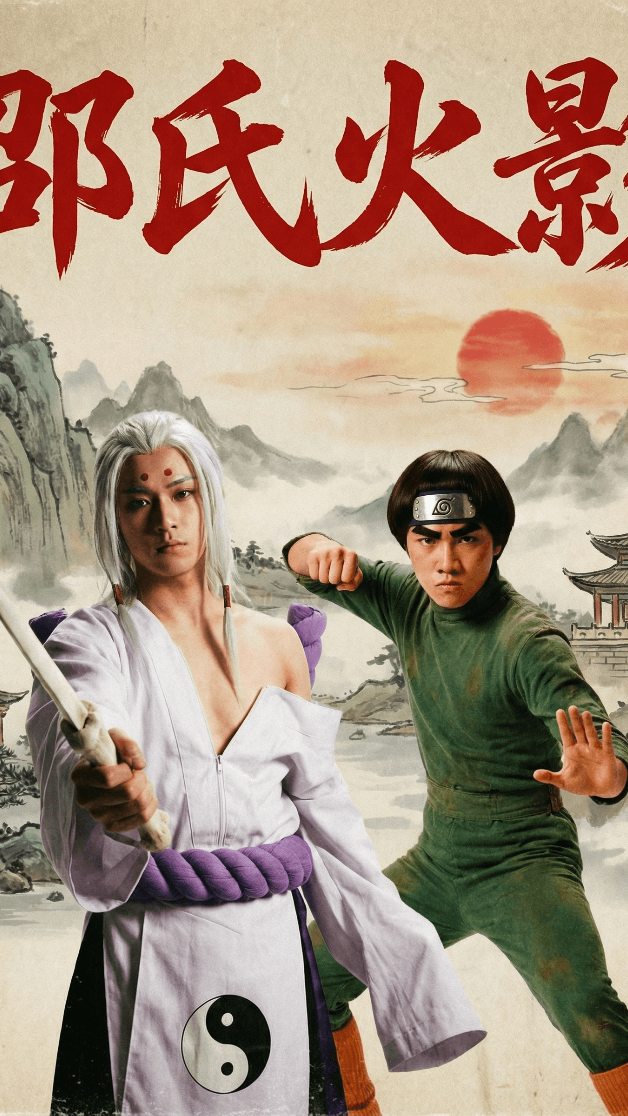
This viral sensation is a masterclass in "Aesthetic Fusion," blending the iconic characters of the Naruto anime universe with the gritty, high-energy cinematography of 1970s Shaw Brothers Kung Fu cinema. Set against a backlit sunset in a sprawling grassy field, the video features a high-stakes duel between Rock Lee and a stylized Sage Mode Naruto (bearing visual traits of Kimimaro). The aesthetic is defined by 35mm film grain, dramatic snap-zooms, and practical-looking VFX like glowing red auras and exploding earth. By leveraging the "What if X was a 70s movie?" trend, the creator tapped into two massive fanbases—anime enthusiasts and retro cinema buffs—resulting in high engagement and shareability. The core appeal lies in the uncanny realism of the character designs combined with the nostalgic, low-fi charm of vintage martial arts films.
The video presents a live-action martial arts sequence characterized by its retro film texture. The lighting is dominated by a strong golden hour backlight, creating a natural rim light on the characters and lens flares that feel authentic to vintage lenses. Rock Lee is depicted in his classic green jumpsuit with a bowl cut, while the Naruto/Kimimaro hybrid sports long white hair and bone-like protrusions. The movement is fast-paced, utilizing "speed ramps" and "impact frames" where the action pauses briefly on a hit. The color palette is warm, with saturated greens in the grass and deep oranges in the sky, occasionally interrupted by a stylized red tint during Rock Lee's "Inner Gates" power-up. The sound design is crucial, featuring the classic "whoosh" and "thwack" foley typical of Hong Kong action cinema.
| Time Range | Visual Content | Shot Language | Lighting & Color | Viewer Intent |
|---|---|---|---|---|
| 00:00–00:01 | Wide shot of characters facing off in a field. | Extreme Wide Shot (EWS) | Golden hour, heavy backlight. | Establish the epic scale and setting. |
| 00:01–00:02 | Rock Lee throws a punch toward the camera. | Close-up (CU) with snap zoom. | Natural daylight, high contrast. | Immediate hook; high-energy start. |
| 00:03–00:05 | Rock Lee kicks; Naruto blocks with a staff. | Medium Shot (MS) | Warm tones, lens flare. | Establish the combat dynamic. |
| 00:05–00:06 | Rock Lee screams; screen turns red. | Extreme Close-up (ECU) | Monochromatic red tint. | Signal a "power-up" moment (Inner Gates). |
| 00:07–00:11 | Naruto is kicked, flips, and crashes into a crater. | Tracking shot to Wide. | Dust and debris VFX. | Showcase high-budget "practical" effects. |
| 00:15–00:18 | Bone spikes emerge from Naruto's back. | Medium Long Shot (MLS) | Backlit, silhouette-heavy. | Reveal the supernatural element/transformation. |
| 00:19–00:27 | Rapid exchange of blows with glowing fist effects. | Fast cuts, handheld feel. | High saturation, orange glows. | Climax; maximize retention through pacing. |
This video succeeds by taking a modern, globally recognized IP (Naruto) and "downgrading" it into a prestigious historical aesthetic (Shaw Brothers). This creates a cognitive dissonance that is highly engaging. Fans of Naruto are used to clean, digital animation; seeing these characters in a grainy, 35mm live-action format feels like discovering a "lost film" from the 70s. This "Aesthetic Arbitrage" exploits the gap between what we expect and what we see.
The use of intense facial expressions and vocalizations (Kiai) triggers a primal response. In martial arts cinema, these moments are designed to emphasize power. By perfectly replicating the over-acting style of 70s cinema, the creator makes the AI-generated characters feel more "human" and "alive" than a standard photorealistic render would. It’s not just about looking real; it’s about feeling cinematically real.
From a platform perspective (Instagram/TikTok), this video is a retention monster. The 0–3 second hook uses a classic "snap zoom" on a punch, which is a proven technique to stop the scroll. The "loop effect" is achieved through the continuous, high-intensity combat rhythm, making users want to watch it multiple times to catch the details of the VFX (like the bone spikes or the crater). Furthermore, the "mild controversy" of the character design (Is it Naruto? Is it Kimimaro?) drives users to the comments section to debate, which signals high engagement to the algorithm.
Choose a popular modern IP (e.g., One Piece, Star Wars, or even a modern celebrity) and pair it with a distinct, "dated" cinematic style (e.g., 1950s Sci-Fi, 1980s Dark Fantasy, or 1970s Kung Fu).
Use Midjourney to create a "Character Sheet." For Rock Lee, use prompts like: "1970s Hong Kong actor as Rock Lee, green jumpsuit, bowl cut, thick eyebrows, 35mm film still." Save the seed or use the image as a reference for video generation.
Keep the background simple but atmospheric. A grassy field at sunset is perfect because it allows the AI to focus on the characters while providing "free" cinematic lighting (backlight).
Generate 4-5 key moments: The Face-off, The First Punch, The Power-up, and The Final Blow. Ensure the lighting remains consistent (Golden Hour) across all images.
Upload your keyframes to an AI video tool. Use the "End Frame" feature to dictate the motion. Pro Tip: Use prompts like "dramatic snap zoom" or "high speed martial arts exchange" to guide the motion.
In post-production (CapCut or Premiere), add a "Film Grain" overlay, a slight "Chromatic Aberration," and a "Halation" effect to mimic the look of old film stock.
This is 50% of the work. Source "70s Kung Fu Sound Effects" packs. Layer "whooshes" for every limb movement and "impact thuds" for every hit. Add a slightly muffled, low-bitrate filter to the audio.
Use a "Poster Style" thumbnail with Chinese calligraphy and a "Shao Shi" (Shaw Brothers) logo. Title it: "The Naruto Movie We Never Got (1978)."
Use Midjourney for the base images and Luma Dream Machine or Kling AI for the motion, as they handle human physics best.
"35mm film grain," "snap zoom," and "backlit golden hour."
Use the same "Character Reference" (cref) image in Midjourney and keep the "Motion" setting low (3-5) in video tools.
The "retro" filter is your best friend; film grain and low-fi textures hide common AI warping artifacts.
Instagram Reels favors this high-aesthetic, cinematic content, while TikTok favors the "behind the scenes" process of making it.