Why VHS treatment works best when the scene is already scary
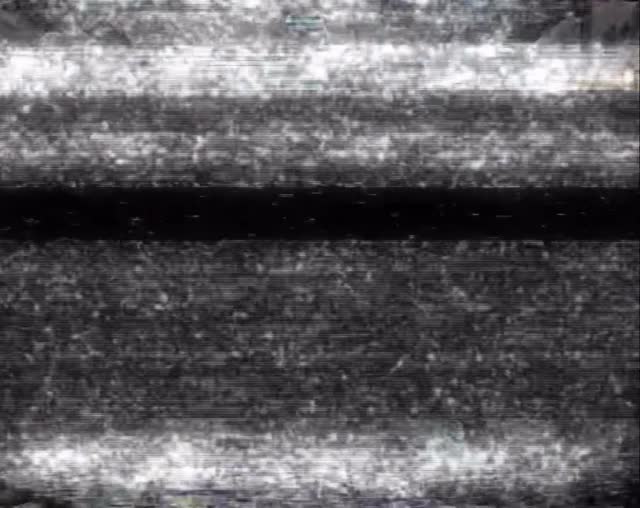
If you''re building an analog horror VHS effect, the tape damage should not be the whole idea. The strongest clips usually start with a scene that already feels unstable: a hallway that is too empty, a face that lingers too long, or a frame that feels recorded by someone who should have left sooner. Once that base mood is there, scanlines, timecode overlays, tracking errors, and color drift make the footage feel more believable.
The common mistake is turning every part of the image noisy at once. Too much glitch, too much blur, and too much distortion make the subject unreadable. Analog horror lands harder when the viewer can still tell what they are looking at. The VHS layer should feel like evidence of age and damage, not a wall between the scene and the audience.
That is why this page matters. It keeps the focus on AI-native horror styling and fast workflows instead of reducing the whole look to a manual editing tutorial. Once the composition is clear, the VHS treatment can do what it does best: suggest found footage, failed recordings, and a timeline you should not fully trust.
Key Insight: Analog horror VHS effects feel stronger when the scene stays readable under the damage, because scanlines and tape noise amplify dread better than they create it on their own.
Takeaway: Build the fear first, then add only enough tracking drift, timecode, and tape wear to make the clip feel recovered instead of overprocessed.
FAQ
What is an analog horror VHS effect?
It is a horror look built from tape-era visual damage such as scanlines, tracking errors, timestamp overlays, chromatic drift, and image decay. This page collects examples and workflows that show how to apply those choices without losing the scene underneath.
Which details make the look read fastest?
Scanlines, slight blur, timecode overlays, muted color separation, and restrained tape noise usually do the most work. When all of them are pushed too far, the effect stops feeling like recovered footage and starts looking generic. The examples here help you judge that balance.
Can I use this style without editing everything by hand?
Yes. Many creators generate the scene first and add the VHS treatment as a finishing pass rather than building every artifact manually from scratch. That is why this page keeps the workflow tied to AI scene creation and quick overlays instead of slow post-only editing.
Why do some VHS horror clips feel fake?
Usually because the distortion is louder than the scene. If the viewer cannot read the subject, the effect loses tension. The clips on this page work better when the footage stays legible and the tape damage feels like proof, not decoration.