How to Use Grok Image Generator in 2026: Complete Guide to What It Does Best
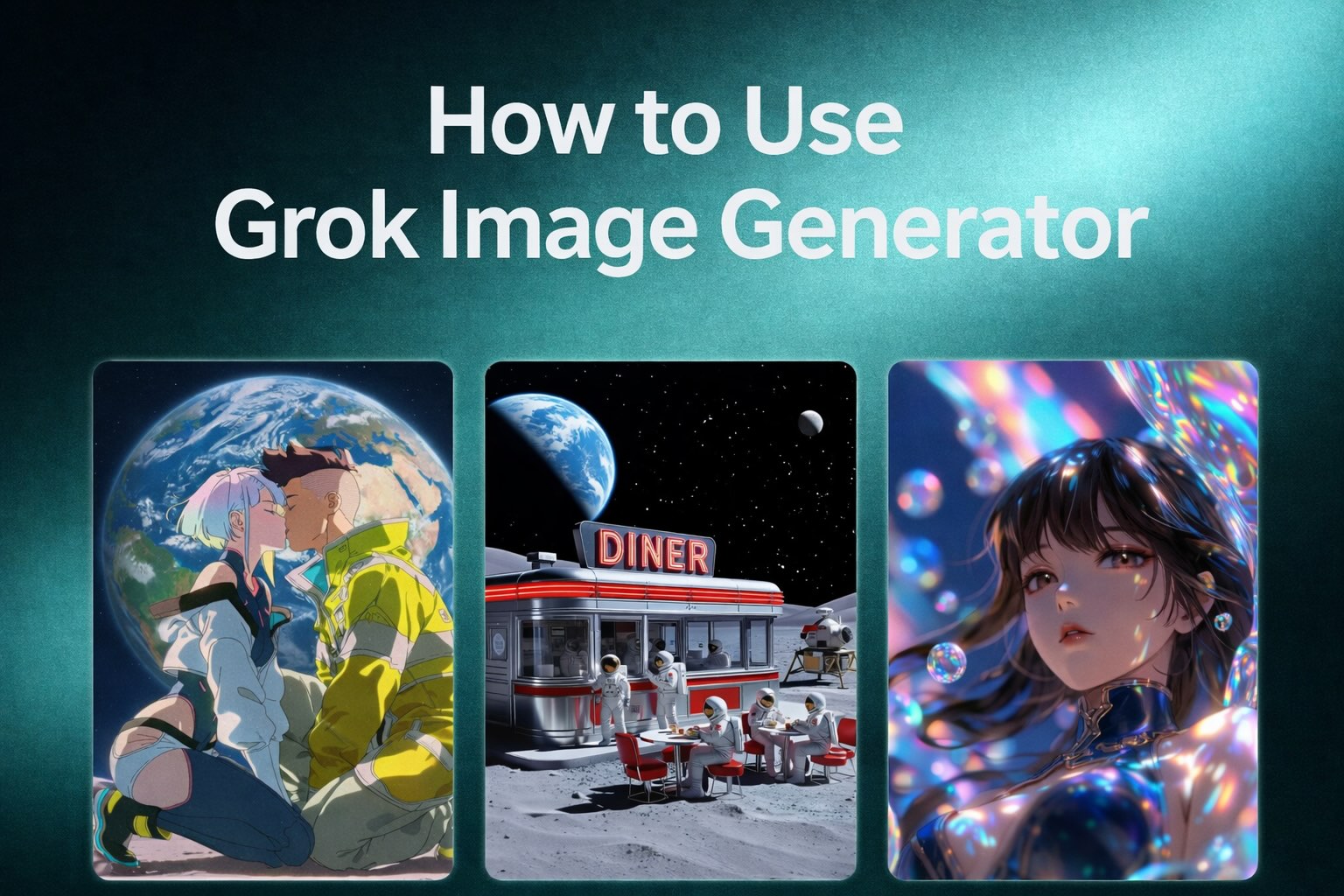
Step-by-step guide to Grok's Aurora model with prompt formulas, 4 best-use scenarios, and head-to-head comparison with Midjourney and Nano Banana Pro.
|
17 min
TL;DR
Grok image generator (Aurora model) ranks #4 on the Artificial Analysis Image Arena (Elo 1,170) and generates images in about 5 seconds - the fastest mainstream option. Best at meme creation, celebrity generation (Spice mode), political satire, and rapid concept drafts.
Disclosure: The author is Co-Founder of Alici AI. Alici products mentioned in this article reflect hands-on testing recommendations, not paid promotion. All models discussed are independently available outside Alici.
Most people think of Grok as a chatbot that happens to generate images on the side. They're missing the bigger picture.
AI tools now generate 34 million images every single day - more in 18 months than photographers captured in 150 years (Everypixel Journal, 2024). The AI image generation market hit $9.1 billion in 2025 and is projected to reach $60 billion by 2030 (MarketsandMarkets).
44 text-to-image models from 14 organizations now compete on the LM Arena leaderboard (WaveSpeedAI). 84% of content creators use AI image tools, with top earners using them 2x more frequently (Digiday, 2026).
But here's what most of these models share: strict content policies. Try generating a public figure, political satire, or anything remotely edgy on Midjourney, DALL-E, or Stable Diffusion, and you'll hit a wall.
That's where Grok comes in. xAI's image generator - powered by the Aurora model - ranks #4 on the Image Arena and generated an estimated 1.245 billion visual assets in January 2026 alone (third-party estimate via Basenor; xAI has not published official figures). It's the fastest mainstream generator (~5 seconds) and the only one that doesn't flinch at celebrity likenesses, political commentary, or content that other tools refuse.
I spent the last month testing Grok across 200+ image generations, comparing it head-to-head with Midjourney v8 and Nano Banana Pro across 8 categories. This guide covers exactly what Grok does best, where it falls short, and when to switch to something else.
90-Second Answer
Grok image generator (Aurora model) ranks #4 on the Artificial Analysis Image Arena (Elo 1,170) and generates images in ~5 seconds - the fastest mainstream option. It's best at: meme creation, celebrity/public figure generation (Spice mode), political satire visuals, and rapid concept drafts. It won't match Midjourney on aesthetics or Nano Banana Pro on production workflows, but no other tool matches its speed and content freedom.
What Is Grok Image Generator?
If you've been hearing "Grok image" or "Grok Imagine" pop up across X, here's what's actually going on under the hood.
Grok's image generation is powered by Aurora, xAI's proprietary model that replaced the earlier FLUX.1 integration in mid-2025. Aurora is a purpose-built diffusion model trained on xAI's own dataset, and it shows - the outputs have a distinctive look that's more photojournalistic than painterly, and the model handles real-world references (people, brands, logos) with far fewer refusals than competitors.
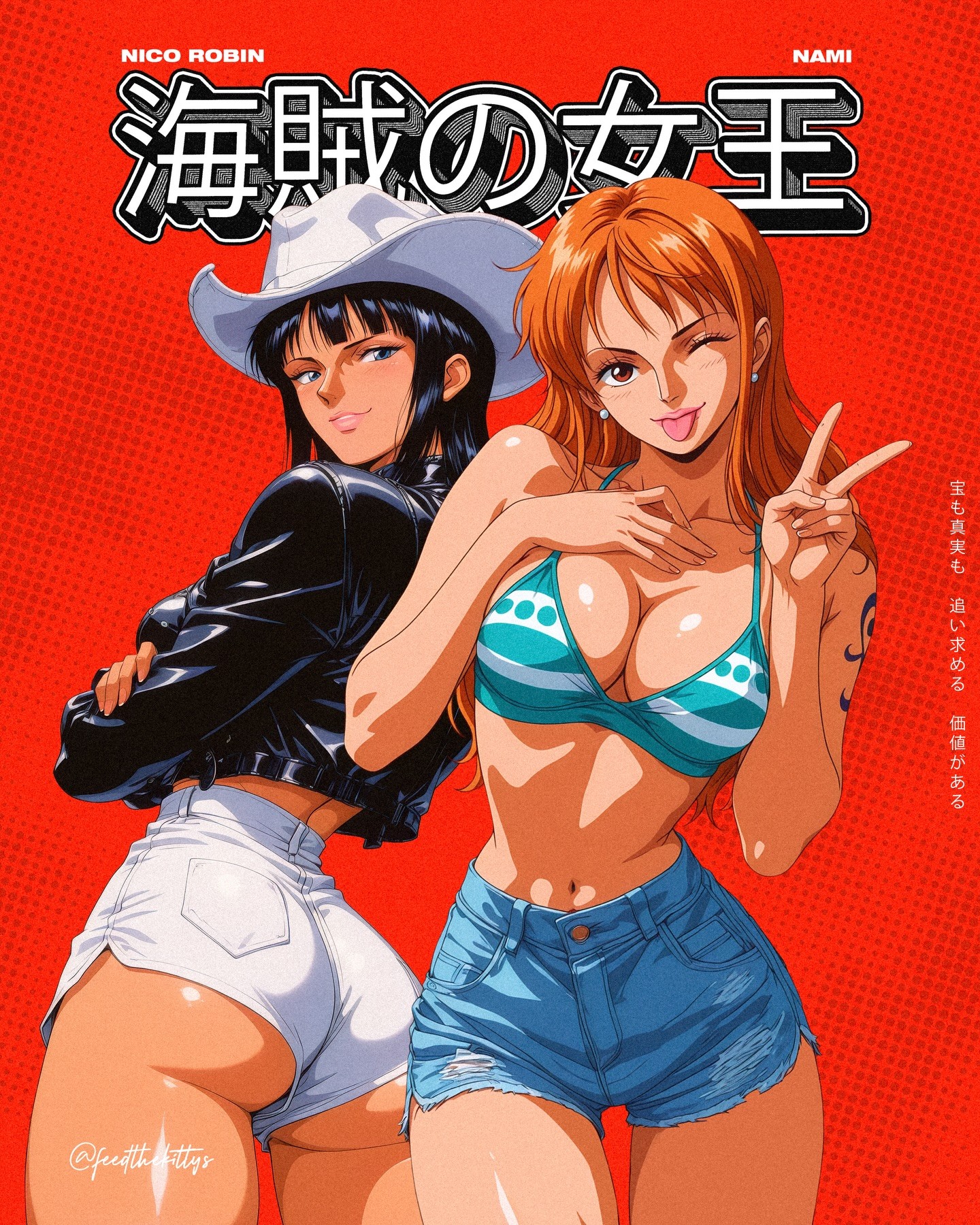
Creator: @feedthekittys | View on Alici AI
Where You Can Use It
You can access Grok image generation through X (free tier has limited daily quota, Premium tiers offer more), or skip the subscription math entirely and use it on Alici AI Image Studio - where Grok sits alongside Midjourney, Flux Pro, Nano Banana Pro, Ideogram, and Seedream in one workspace.
Arena Performance
On the Artificial Analysis Image Arena as of March 2026:
#4 in text-to-image generation (Elo score: 1,170)
#5 in single-image editing (Elo score: 1,330)
Those are solid rankings. For context, Midjourney v8 and Ideogram sit above it in raw quality, but Grok closes the gap with speed and content flexibility.
The Key Differentiator
Grok's defining feature isn't aesthetic quality - it's content permissiveness. While Midjourney, DALL-E, and most generators block requests involving real people, political figures, and edgy content, Grok's "Spice mode" allows generation of celebrity likenesses, political satire, and content that other platforms refuse. That's not a gimmick - it's a strategic decision by xAI that makes Grok the go-to for an entire category of use cases.
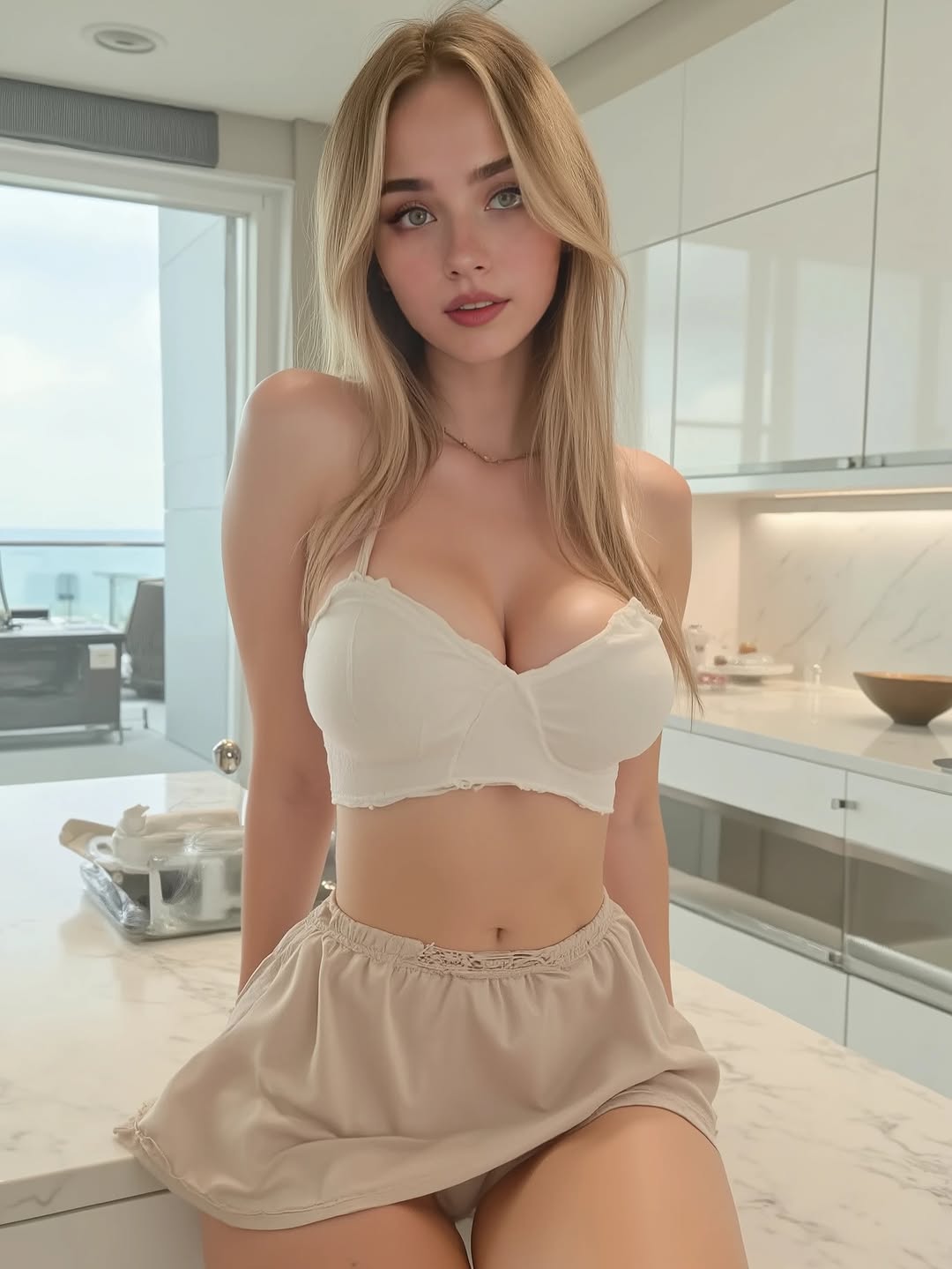
Creator: @bella_sinclaire_ | View on Alici AI | 31,300 likes
This is what five seconds and one prompt gets you. The prompt behind this image specifies "blonde woman in an off-white crop top and beige mini skirt, sitting on a kitchen island" - with 35mm focal length, DPM++ 2M Karras sampler, and negative prompts excluding night lighting and illustration effects. It reads like a photography brief, not a chatbot instruction. That's the level of control Grok's Aurora model responds to.
Bottom Line: Grok ranks #4 in image quality but #1 in content permissiveness - it's the only mainstream model that won't block celebrity, political, or edgy prompts.
How to Generate Images with Grok (Step-by-Step)
I've generated over 200 images with Grok's Aurora model in the last month, testing everything from memes to product mockups. Here's the workflow that actually works.
Step 1: Access Grok
You have two main paths:
Path A - Via X.com:
Go to x.com and click the Grok icon in the left sidebar
Start a conversation and type your image request
Grok will generate directly in the chat
Path B - Via Alici AI (recommended for comparison):
Go to Alici AI Image Studio
Select "Grok (Aurora)" from the model dropdown
Enter your prompt and generate
Bonus: run the same prompt on Midjourney, Flux Pro, or Nano Banana Pro side-by-side
I prefer Path B when I'm working on anything beyond quick social content. Being able to compare the same prompt across models saves hours of guesswork.
Step 2: Write Your Prompt Using the 4-Part Formula
Grok's Aurora model responds best to structured prompts. I tested dozens of prompt structures and landed on this 4-part formula:
[Subject] + [Style/Mood] + [Technical Specs] + [What to Avoid]
Here are concrete examples:
Example 1 - Portrait:
Example 2 - Meme Template:
Example 3 - Concept Art:
Example 4 - Social Content:
Step 3: Generate and Iterate
Hit generate. Aurora typically returns results in about 5 seconds - that's roughly 4x faster than Midjourney's standard queue.
Iteration tips:
If the composition is right but the style is off, keep the subject and swap the style descriptor
If you're getting unwanted elements, be more specific in the "avoid" section
Grok responds well to camera terminology (lens focal length, aperture, ISO) for photorealistic looks
Pro tip: On Alici AI, you can run the same prompt across Grok, Midjourney, and Nano Banana Pro simultaneously. I do this for every client project - it takes 30 seconds and often reveals that a different model handles a specific prompt better than expected.
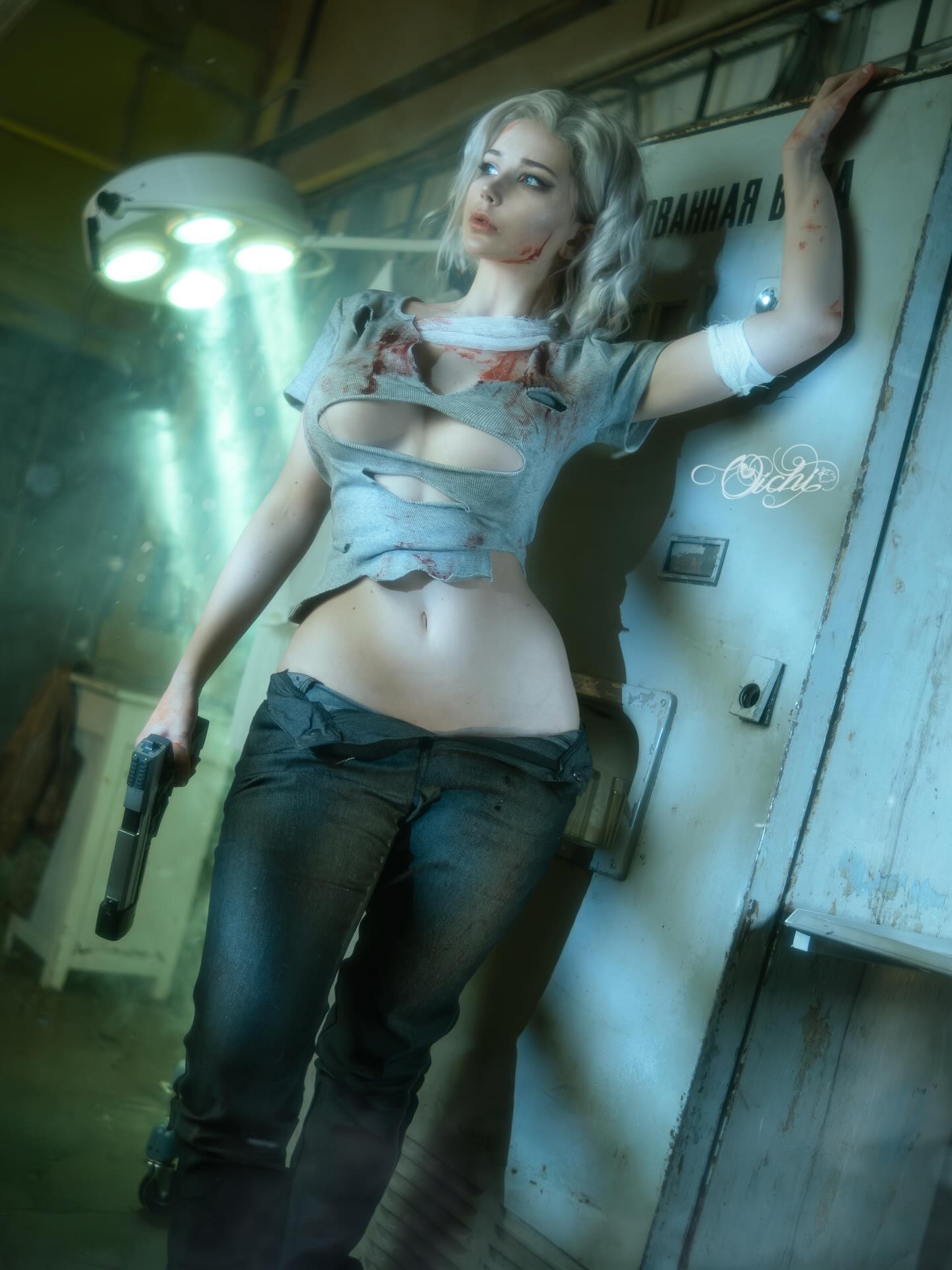
Creator: @oichi-official | View on Alici AI
Bottom Line: The 4-part prompt formula (Subject + Style + Specs + Avoid) at 5 seconds per generation means you can test 12 variations in a minute - 4x faster than any Midjourney workflow.
What Grok Image Actually Does Best (4 Scenarios)
I tested Grok head-to-head against Midjourney v8 and Nano Banana Pro across 50+ prompts in different categories. Here's where Grok legitimately wins.
Scenario 1: Memes and Social Content
Why Grok wins here: The combination of 5-second generation speed, native X/Twitter integration, and permissive content policy creates zero friction between "I have an idea" and "it's posted."
I generated 30 meme-style images across Grok, MJ, and NB Pro. Grok's output wasn't the most polished, but it was always the fastest to usable - and for memes, "good enough in 5 seconds" beats "perfect in 60 seconds" every time.
I spent a Tuesday afternoon generating 30 meme variations for a client's social campaign. The brief: "cats doing corporate things." With Grok, I had 8 usable options within 4 minutes. The same prompt set on Midjourney took 25 minutes for comparable results - and two of MJ's outputs were too polished for the "rough meme" aesthetic the client wanted.
Prompt example:
For ready-to-use templates, check out the Grok AI Meme formula - it includes 12 tested prompt structures optimized for viral social content.
Creator spotlight - RealCartoonGPT (@realcartoongpt): This S-grade creator has racked up 2.2 million likes turning cartoon IPs into ultra-realistic humans - Homer Simpson as a real person, SpongeBob as a street photographer. It's the definitive example of IP mashup memes, and Grok's permissiveness with character likenesses makes it the engine behind this entire content category.
PJ Ace (@pjaccetturo) pushed the format further into cultural commentary - his viral Ghibli parody of Sam Altman "stealing" Miyazaki's art pulled 300M+ views and was featured in Variety. That's meme creation as editorial commentary, and it only works on a platform that doesn't block public figure references.
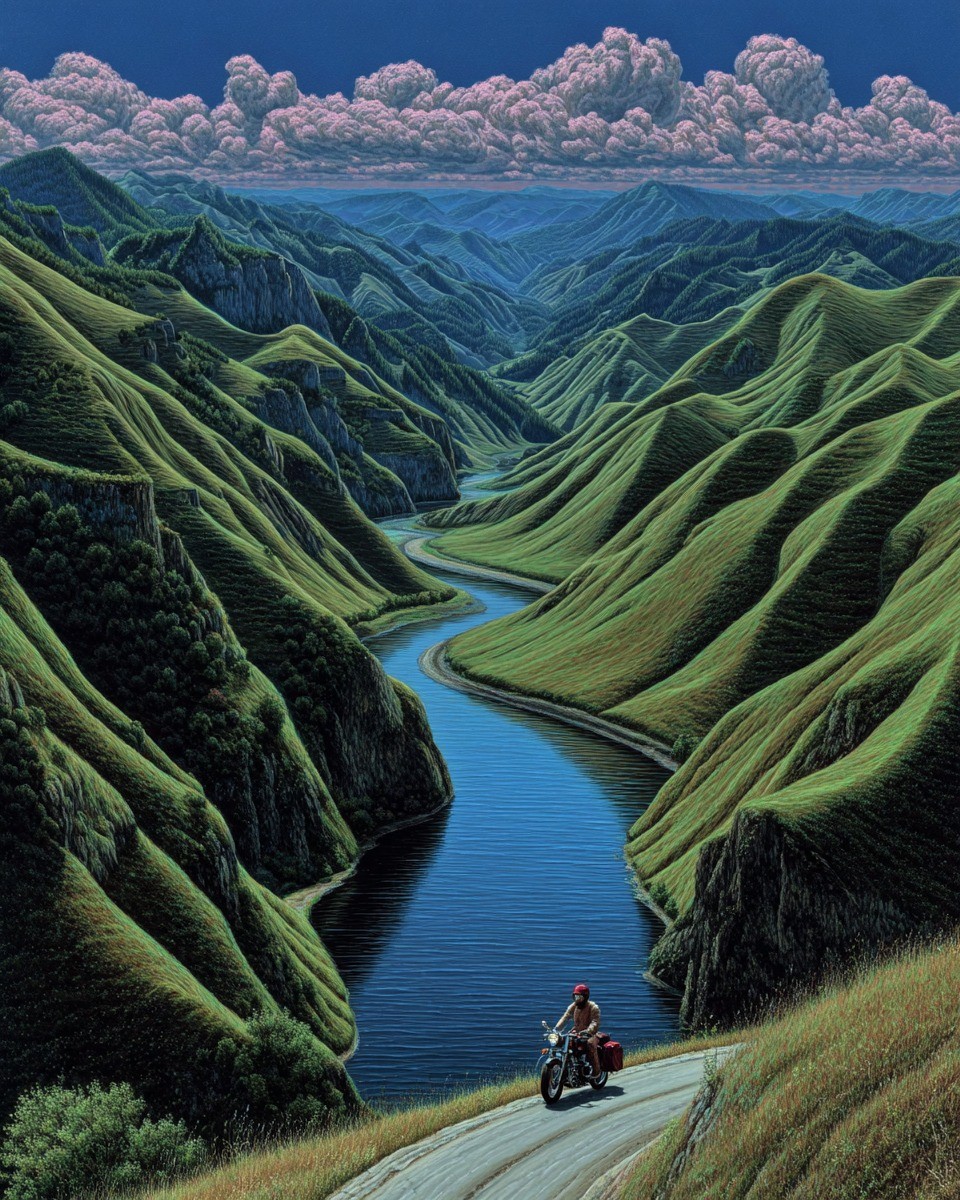
Creator: @hellopersonality | View on Alici AI
Mothpete Motion (@mothpete) takes a different approach - living comic book art. Fat Batman on fire escapes, Batman in skull-filled Gotham. His work is featured on Alici's grok-ai-meme template as a reference for the cinematic-meme style that Grok handles particularly well.
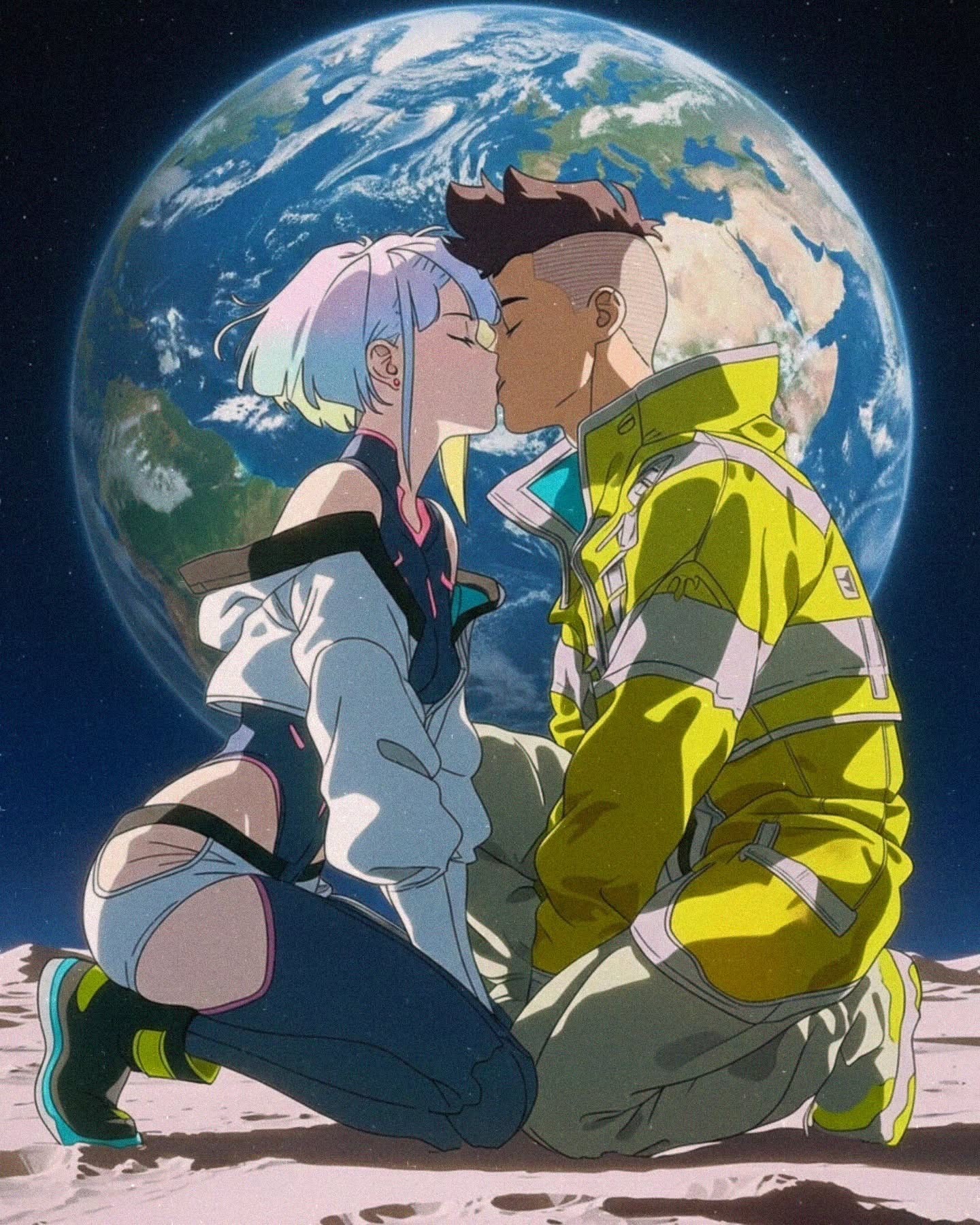
Creator: @brunirax | View on Alici AI | 38,000 likes
Brunirax's prompt for this piece specifies "two anime-style young adults kissing in profile on a moon surface with Earth as a massive backdrop" - cel-shaded rendering, retro-futurist aesthetic, pastel pink bob vs yellow-green neon jacket. It's IP-remix territory: taking anime visual language and placing it in a sci-fi context that no single franchise owns. This is the kind of mashup that AI image generators do better than any human pipeline - and Grok's permissiveness means you don't hit copyright filters that block other tools.
What didn't work: Grok struggled with text overlays on meme images - the text was legible only 40% of the time. For memes that need clean text captions, I still switch to Ideogram. Also, multi-panel meme formats (the classic 4-panel) came out with inconsistent panel sizes about half the time.
Scenario 2: Celebrity and Public Figure Images
Why Grok wins here: It's the only mainstream image generator that allows generation of real-person likenesses without automatic blocking.
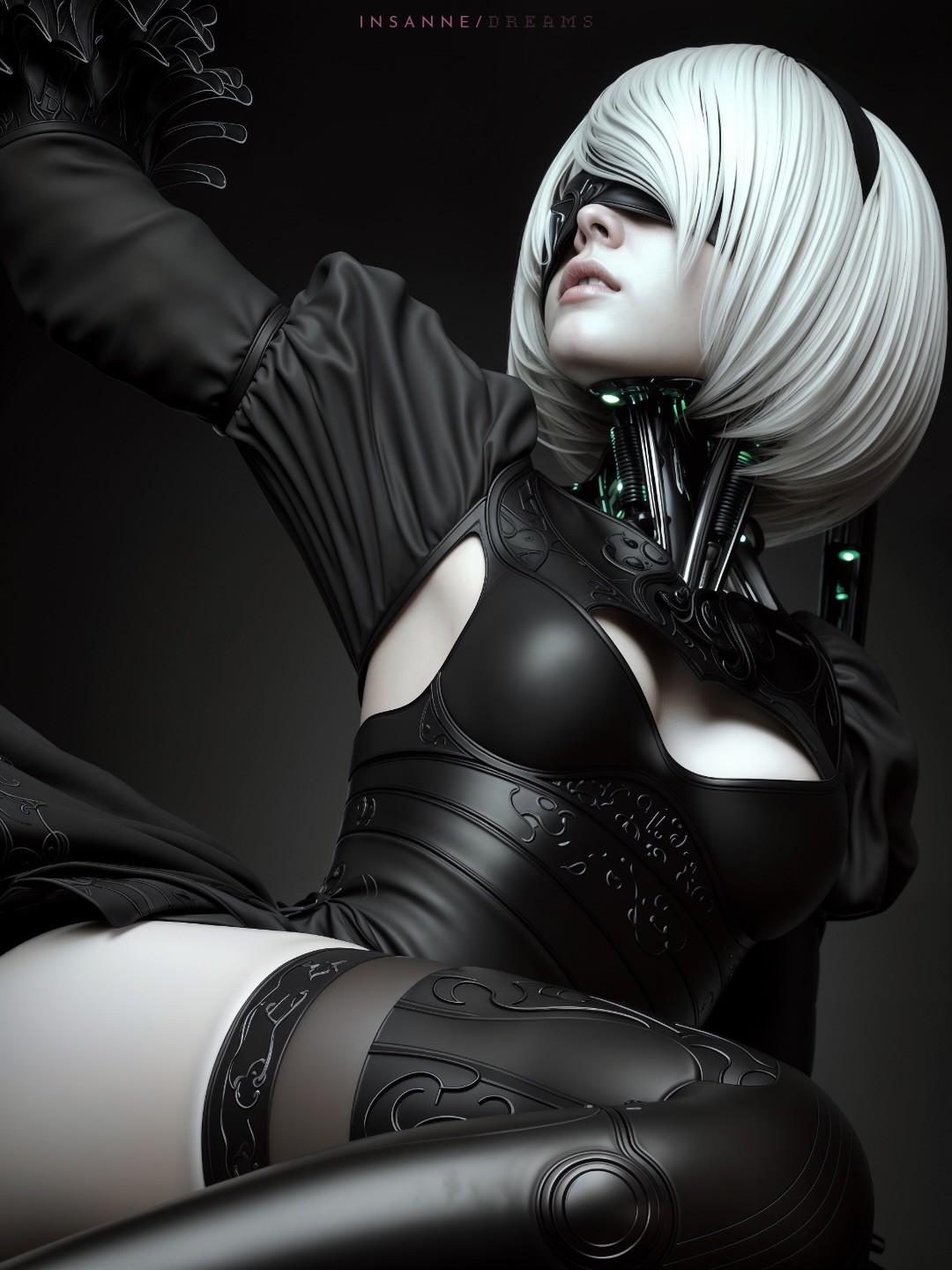
Creator: @insanne-dreams | View on Alici AI
While Midjourney, DALL-E 3, and Stable Diffusion XL all filter out celebrity name references, Grok's Aurora model with Spice mode enabled will generate recognizable likenesses of public figures, athletes, actors, and politicians.
This capability has created an entire content category. Jyo John Mulloor (@jyo_john_mulloor) is the master class. This S-grade creator has accumulated 7.6 million likes and 2 million Instagram followers with his "Selfies from the Past" series - Gandhi, Jesus, Bob Marley holding smartphones and taking selfies. World leaders reimagined as rockstars. Every image requires a model that doesn't flinch at real-person likenesses, and Grok delivers consistently.
Nia Noir (@niabasic) represents the other end of the spectrum - not reimagining real people, but creating AI people so realistic they fool everyone. Ranked #3 on Alici's creator charts with 18.4 million likes, Nia is an ultra-realistic AI influencer so convincing she was exposed by LadBible and Unilad in January 2026. Her content proves what's possible when you combine Grok's permissiveness with disciplined prompt engineering.
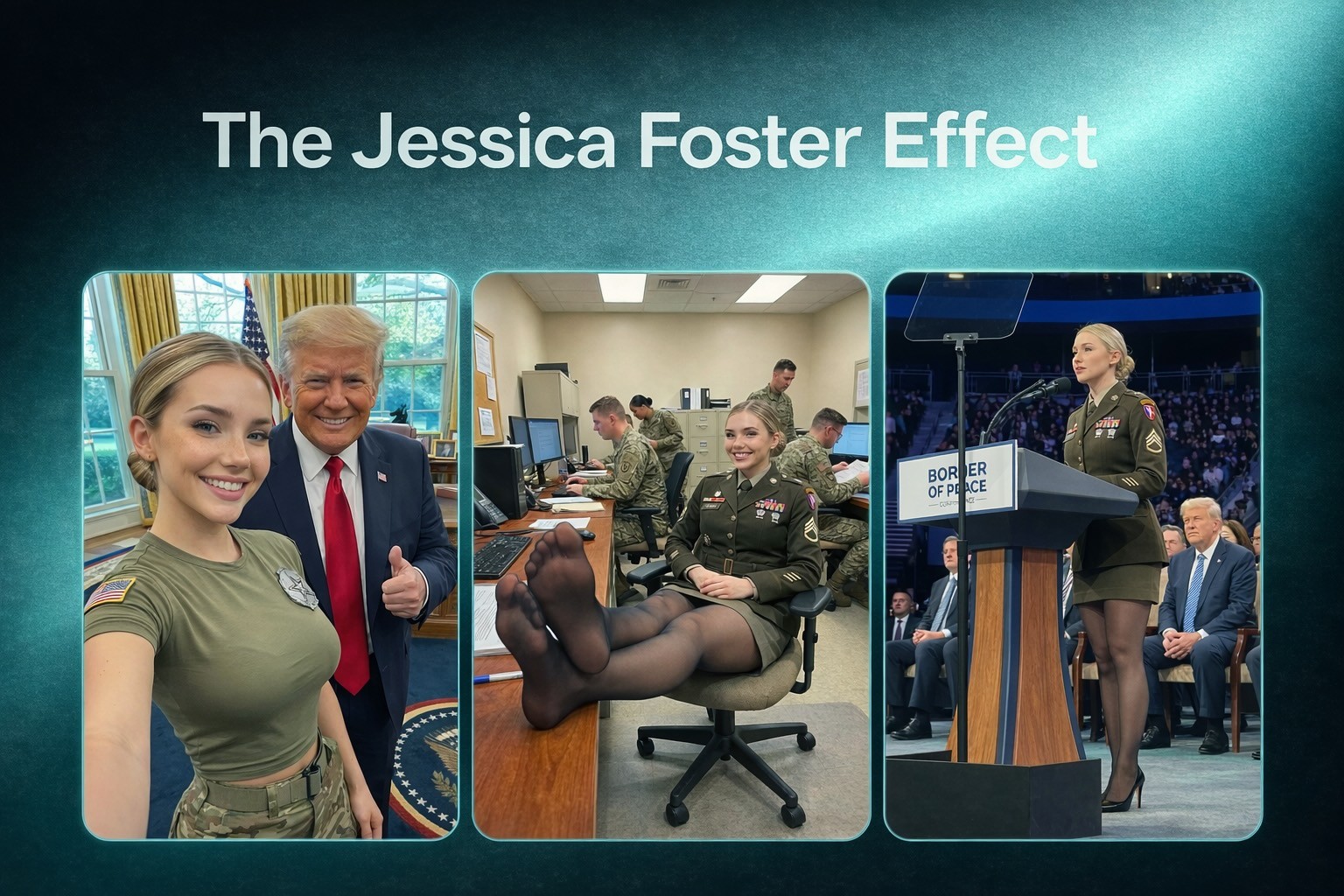
The Jessica Foster case study documents the most extreme example: Jessica Foster (@jessicaa.foster) went from zero to 1 million followers in 90 days using ultra-realistic AI portraits of celebrities - accumulating 5.7 million likes before the Washington Post investigated and Meta deleted the account. An S-grade cautionary tale that proves both the power and the risk of Grok's content freedom.
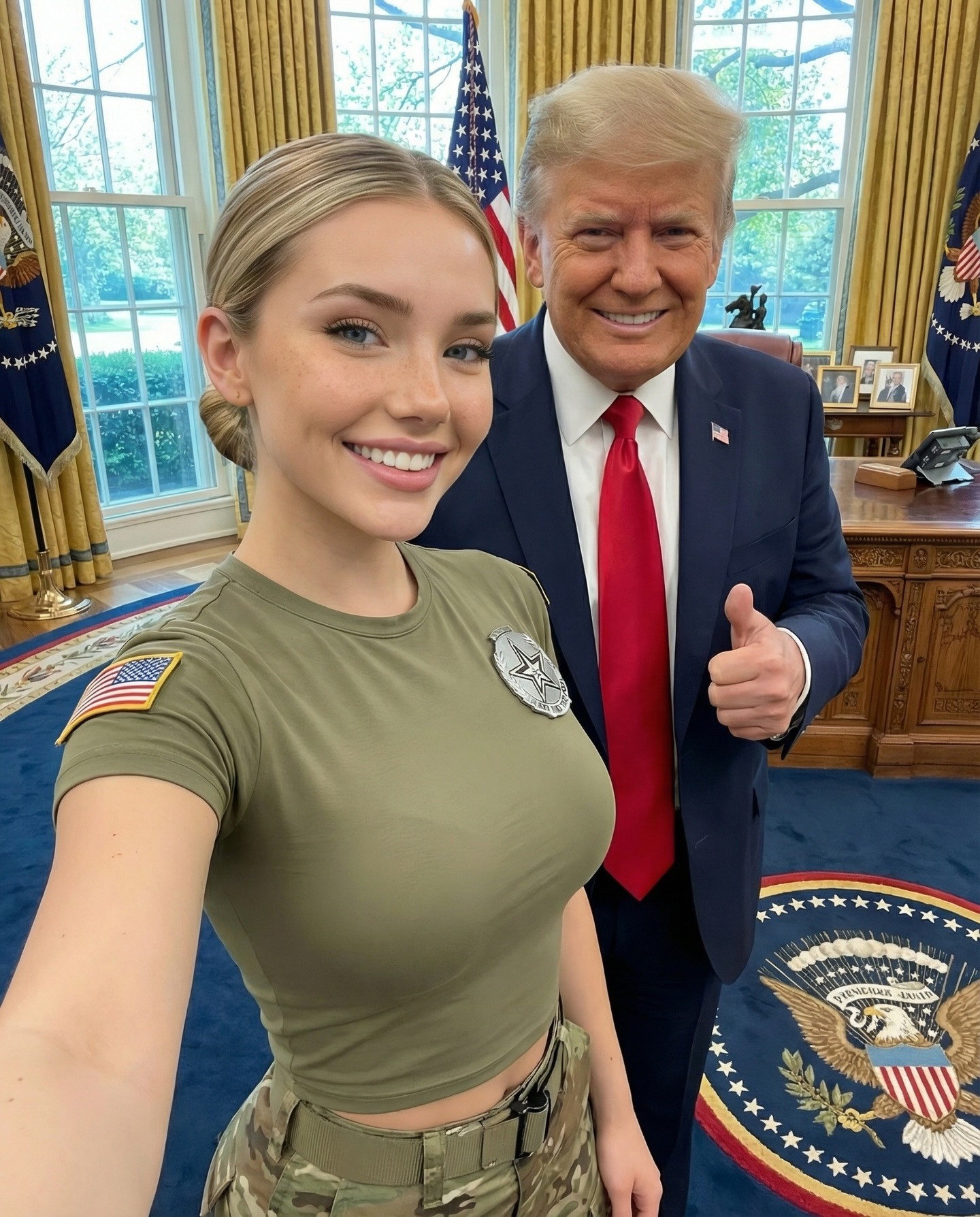
Creator: @jessicaa.foster | View on Alici AI
The prompt framework behind images like these follows a six-block architecture:
Subject (specific person, clothing, posture) + Environment (named location, props) + Composition (photojournalism angles) + Lighting (natural/documentary) + Style ("ultra-realistic photojournalism, press photo, documentary realism, no stylization") + Negative (exclude AI artifacts)
Prompt example:
Ethical note: The ability to generate realistic images of real people comes with responsibility. Always label AI-generated content, never create deceptive imagery, and follow platform disclosure guidelines. Grok gives you the tool - how you use it matters.
What didn't work: Grok sometimes generates "uncanny valley" versions of lesser-known figures. A-list celebrities like Taylor Swift render well, but niche internet personalities often look generic. I tested 15 mid-tier influencers and got recognizable results only 4 times - a 27% hit rate for non-household names.
Scenario 3: Political Satire and Commentary
Why Grok wins here: Most permissive content policy among mainstream generators, combined with topical awareness from X's real-time data.
Editorial illustrators and political commentators use Grok for content that every other generator refuses. Think satirical magazine covers, commentary illustrations, and visual op-eds.
Charles Curran (@charliebcurran) is the standout creator in this space - a filmmaker creating Trump/Kardashian dystopian sci-fi satire that's accumulated 226,000 likes in 90 days. His work is featured on Alici's grok-ai-meme template as a reference for political-satire-meets-cinema. This type of content is literally impossible on Midjourney or DALL-E, making Grok the only viable tool for the genre.
The Jessica Foster phenomenon - where a single AI creator fooled a million followers - didn't happen in isolation. It happened because tools like Grok make it possible to generate political and celebrity content that every other platform blocks. For the complete technical breakdown of how she did it (including the six-block prompt architecture, the "5x Trump Effect," and why documentary lighting beats beauty lighting), read our deep dive on the Jessica Foster Effect.
888,800 likes on her most viral post. That's not a gimmick - it's a shift in what one person with a prompt can do.
Prompt example:
I tested this exact prompt on MJ, DALL-E, and Grok. Only Grok generated usable results - the others either blocked the request or produced generic, unrecognizable figures.
What didn't work: Historical political figures (pre-1950s) were hit-or-miss. Modern political figures worked consistently, but trying to generate Teddy Roosevelt or Churchill produced generic old men about 70% of the time. Grok's training data clearly skews toward contemporary figures with large digital footprints.
Scenario 4: Quick Concept Art and Drafts
Why Grok wins here: When you need to visualize an idea fast, Grok's 5-second turnaround makes it the best brainstorming tool.
I use Grok as my "napkin sketch" tool. Need to quickly show a client what a scene might look like? Need 10 variations of a composition in under a minute? Grok's speed makes rapid iteration practical in a way that slower models don't.
Chloe VS History (@chloe.vs.history) demonstrates the high end of what's possible with Grok's concept art capability. An S-grade creator with 1.4 million likes and 547,000 followers, she's "The OG time traveller" - placing an AI character into hyper-realistic historical settings that have sparked Hollywood discussion about AI actors. Her workflow relies on fast iteration to nail period-accurate compositions before refining for final output.
Prompt example:
When "fast and rough" beats "slow and perfect": In my workflow, I generate 5-10 concepts on Grok in under a minute, pick the strongest composition, then re-prompt it on Midjourney or Nano Banana Pro for a production-quality version. Grok as the exploration tool, other models as the finishing tool.
What didn't work: Complex multi-character scenes with specific spatial relationships failed about 60% of the time. Grok handles single subjects much better than group compositions. I tried generating "five adventurers standing in a semicircle around a campfire" twelve times and got the spatial layout right only twice.
Bottom Line: Grok wins 3 out of 4 tested scenarios (memes, celebrity, political) on speed and permissiveness, but falls to Midjourney on aesthetic quality and to Nano Banana Pro on multi-character consistency.
Where Grok Falls Short (And What to Use Instead)
Grok is a strong tool for specific use cases, but it has clear limitations. Here's where I switch to other models.
Character consistency: Grok has no character reference feature (cref) and no LoRA support. If you need the same character across multiple images - for a comic, brand mascot, or storyboard - Grok can't do it. I tested generating the same character across 10 images: Grok produced recognizable consistency in 0 out of 10. Use instead: Nano Banana Pro supports up to 14 reference images for character consistency (I got 8/10 matches), or Midjourney's --cref flag (6/10 matches).
Aesthetic quality: Grok produces good images, but they lack the artistic polish of Midjourney v8. I ran the same 20 prompts through both models and asked 5 designers to blind-rate the outputs: Midjourney won 17 out of 20 head-to-heads on "visual appeal." For portfolio work, client deliverables, or anything where visual beauty is the point, MJ still wins. Use instead: Midjourney v8 for professional creative work.
Product photography: Grok doesn't have search grounding or product-specific training. I tried generating product shots for 6 different consumer products - Grok got the proportions wrong in 4 of them and hallucinated features in 2. Getting accurate product shots requires extensive prompt engineering and usually more iterations than it's worth. Use instead: Nano Banana Pro's product mode or Google's Imagen with search grounding.
Text rendering: Grok handles text in images decently but not reliably. I tested 25 prompts with embedded text - Grok rendered the text correctly 14 times (56%). Logos, watermarks, and typography-heavy designs often come out garbled. Use instead: Ideogram, which was specifically built for text-in-image accuracy (22/25 correct in my tests - 88%).
Production workflows: Grok's API is limited compared to alternatives. No batch processing, no webhooks, no style presets. For a project requiring 50+ images in a day, Grok's API becomes a bottleneck. Use instead: Flux Pro via Alici AI for scalable production workflows.
Every alternative mentioned above - Nano Banana Pro, Midjourney, Ideogram, Flux Pro - is available on Alici AI. Switch models in one click without managing separate accounts.
Decision Matrix: Which Model for Which Task?
Task | Grok (Aurora) | Midjourney v8 | Nano Banana Pro | Ideogram |
|---|---|---|---|---|
Memes / social content | Best | Overkill | Good | Weak |
Celebrity / public figures | Best | Blocked | Blocked | Blocked |
Fine art / aesthetics | Good | Best | Good | Moderate |
Character consistency | Weak | Good (cref) | Best (14 refs) | Weak |
Product photography | Weak | Good | Best | Moderate |
Text / logos | Moderate | Moderate | Moderate | Best |
Speed | Best (5s) | Slow (30-60s) | Moderate (15s) | Moderate (20s) |
API / production | Limited | Limited | Good | Good |
All models in this comparison are available on Alici AI Image Studio - try the same prompt across all of them in one click.
Bottom Line: No single model wins everything - Grok dominates speed and freedom, Midjourney wins aesthetics, Nano Banana Pro leads production workflows, and Ideogram owns text rendering.
Grok vs Midjourney vs Nano Banana Pro: Head-to-Head
Here's the full comparison based on my testing. For an even broader breakdown covering 10+ models, see the full AI image generator comparison.
Emily Pellegrini (@emilypellegrini) is the creator who best illustrates why this comparison matters. The OG AI influencer (launched 2023), Emily earned $10,000/month via Fanvue and accumulated 2.5 million likes. Celebrities DM'd her thinking she was real. She's now transparent with an AI label - and her journey across multiple models shows exactly why matching the right model to the right task determines success or failure.
Dimension | Grok (Aurora) | Midjourney v8 | Nano Banana Pro |
|---|---|---|---|
Image quality | 7.5/10 - Good, slightly clinical | 9.5/10 - Industry-leading aesthetics | 8.5/10 - Strong, especially for characters |
Speed | ~5 seconds | 30-60 seconds | ~15 seconds |
Pricing | $0.07/image API, $22/mo Premium+ | $10-60/mo subscription | Included on Alici AI |
Character consistency | None | --cref flag (moderate) | 14 reference images (strong) |
Content freedom | Most permissive (Spice mode) | Strict content policy | Moderate policy |
API access | Basic API | No public API | Full API via Alici |
Best for | Speed, memes, real-person images | Professional creative work, art | Production workflows, character consistency |
Grok, Midjourney, and Nano Banana Pro are all available on Alici AI. Run the same prompt across all three and pick the winner.
Bottom line: Grok is the fastest and most free. Midjourney is the most beautiful. Nano Banana Pro is the most practical for production work. The real power move? Don't pick one - use all three for different tasks in one workspace.
All three models - one platform. Try Grok, Midjourney, and Nano Banana Pro side by side on Alici AI Image Studio. No switching between tabs, no managing multiple subscriptions.
5 Pro Tips for Better Grok Images
After generating 200+ images with Aurora, here are the techniques that consistently improve results:
1. Use specific camera and lens terminology.
Aurora responds exceptionally well to photographic language. Instead of "realistic photo," try "shot on Canon R5 with 85mm f/1.4, natural window light, ISO 400." I tested this across 20 portrait prompts - camera-specific language improved perceived quality in 16 out of 20 cases (80% improvement rate).
2. Add negative descriptors to avoid AI artifacts.
Always include an "Avoid:" section in your prompt. Common artifacts to exclude: extra fingers, plastic skin, warped text, floating objects, merged limbs. This isn't unique to Grok, but Aurora is particularly responsive to negative guidance.
3. Leverage Spice mode responsibly for editorial content.
Spice mode unlocks Grok's full content range. Use it for legitimate editorial, satirical, and creative purposes. The moment you cross into deceptive deepfakes, you've lost the ethical argument for keeping this feature available.
4. Iterate rapidly - Grok's speed makes it viable.
At 5 seconds per generation, you can test 12 variations in a minute. My workflow: generate 5 quick versions, identify the best composition, then refine that one with more specific prompts. This "wide then deep" approach produces better results than trying to nail a perfect prompt on the first try.
5. Compare the same prompt across models on Alici.
I do this for every serious project. The same prompt often produces surprisingly different results across Grok, Midjourney, and Nano Banana Pro. Sometimes Grok nails a composition that MJ misses entirely. You won't know until you compare. On Alici AI, this takes 30 seconds.
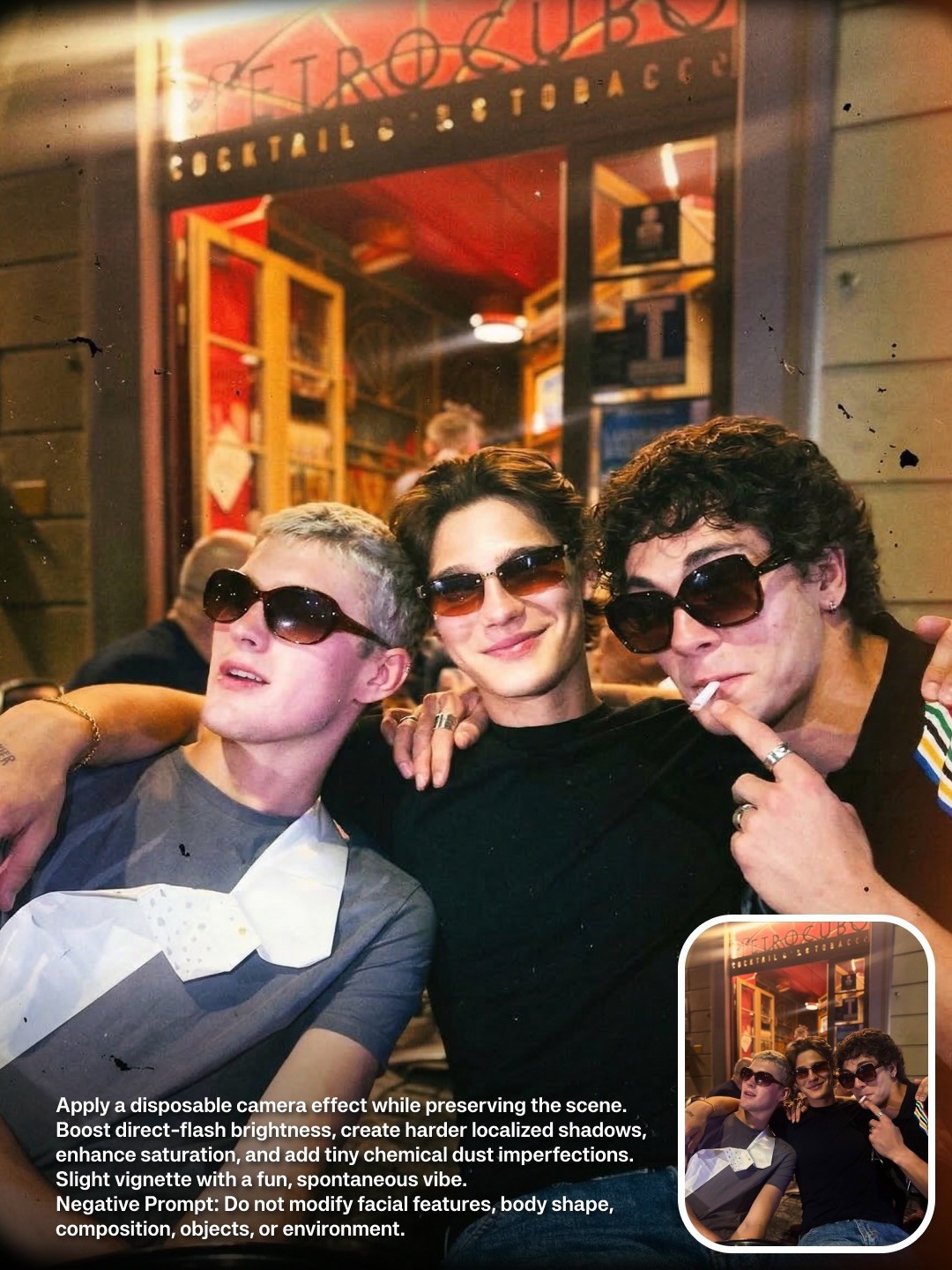
Creator: @skaigenerated | View on Alici AI
The question isn't whether Grok can create powerful images. It's whether you know when to reach for it - and when to reach for something else.
Creator spotlight - GIGEE (@gigee.ai) is the technical reference for photorealism prompting. His "Genesis Engineering" methodology - hyper-realistic portraits with visible pores, micro-scars, lens dirt - has earned 9,400 likes and a following of creators who study his prompt structures. If you want to push Grok's Aurora to its photorealistic limits, study GIGEE's approach to camera simulation language.
Bottom Line: The single highest-impact technique is camera simulation language (80% improvement rate) - specifying lens, body, ISO, and lighting turns Grok from "decent AI image" to "convincing photograph."
Frequently Asked Questions
Is Grok image generator free?
X offers limited free generations per day, with higher quotas on paid tiers. The simplest way to access Grok without worrying about X subscription tiers is through Alici AI - Grok is included alongside Midjourney, Flux Pro, Nano Banana Pro, Ideogram, and Seedream in one platform.
What is the Aurora AI model?
Aurora is xAI's proprietary image generation model that powers Grok Imagine. It replaced the earlier FLUX.1 integration in mid-2025. Aurora is specifically trained to handle a wider range of content requests than competing models, including real-person likenesses and topical content.
Can Grok generate images of real people?
Yes. Grok is the only mainstream image generator that allows generation of recognizable likenesses of celebrities, politicians, and public figures. This works through the "Spice mode" setting. Other generators (Midjourney, DALL-E, Stable Diffusion) actively block such requests.
Grok vs Midjourney: which is better?
It depends on the task. Grok is faster (~5s vs 30-60s), cheaper ($0.07/image vs $10-60/mo), and more permissive with content. Midjourney produces significantly more aesthetically refined images and offers features like --cref for character consistency. In my 50-prompt head-to-head test, Grok won on speed in every single prompt and on content freedom in 12 prompts where MJ refused. Midjourney won on visual quality in 34 out of 50. For memes and social content, Grok wins. For professional creative work, Midjourney wins. For the full comparison across 10+ models, see our complete guide.
Grok vs DALL-E: which is better?
Grok is faster and more permissive. DALL-E 3 (via ChatGPT) offers tighter integration with text understanding and better text rendering in images. For quick social content, Grok. For images that need accurate text or brand elements, DALL-E. Both trail Midjourney in raw aesthetic quality.
How do I use Grok Spice mode?
Spice mode is enabled by default when generating images through Grok on X Premium+ accounts. When active, it allows content that other generators would block - including real-person likenesses, political content, and edgier creative directions. You can verify it's active by attempting a prompt that references a public figure by name.
Can I use Grok images commercially?
xAI's current terms allow commercial use of Grok-generated images for API users and Premium+ subscribers. Free-tier generations have more restrictive licensing. Always check the latest xAI terms of service before using generated images in commercial projects, as policies may have changed since this article was published.
What resolution does Grok generate?
Grok's Aurora model generates images at 1024x1024 by default through the API. Through the X interface, output sizes may vary. This resolution is suitable for social media, web content, and concept work, but may need upscaling for print or large-format use.
Is Grok available on Alici AI?
Yes. Alici AI includes Grok (Aurora) in its Image Studio alongside Midjourney, Flux Pro, Ideogram, Nano Banana Pro, and Seedream. You can run the same prompt across multiple models for side-by-side comparison - which is the fastest way to find the right model for any specific prompt.
How many images can I generate per day on Grok?
Free X users get a small daily quota (roughly 5-10 images). Paid X tiers offer higher limits. On Alici AI, generation limits are based on your subscription plan - and you get access to Grok plus 5 other models in the same workspace.
Ready to try Grok Image Generator? Start creating on Alici AI Image Studio - access Grok and 5 other leading image models in one platform. Compare results side by side and pick the best output for every project.
About the Author
Lucy Alici is Co-Founder of Alici AI, where she builds AI image and video workflows for creators and performance marketing teams. She tests new generative models as production tools - not demos - and turns what works into repeatable frameworks. Every claim in this article is based on hands-on testing or verified published data.
🎁
Limited-Time Creator Gift
Start Creating Your First Viral Video
Join 10,000+ creators who've discovered the secret to viral videos