make love not war ✨💌 💝💘
make love not war ✨💌 💝💘
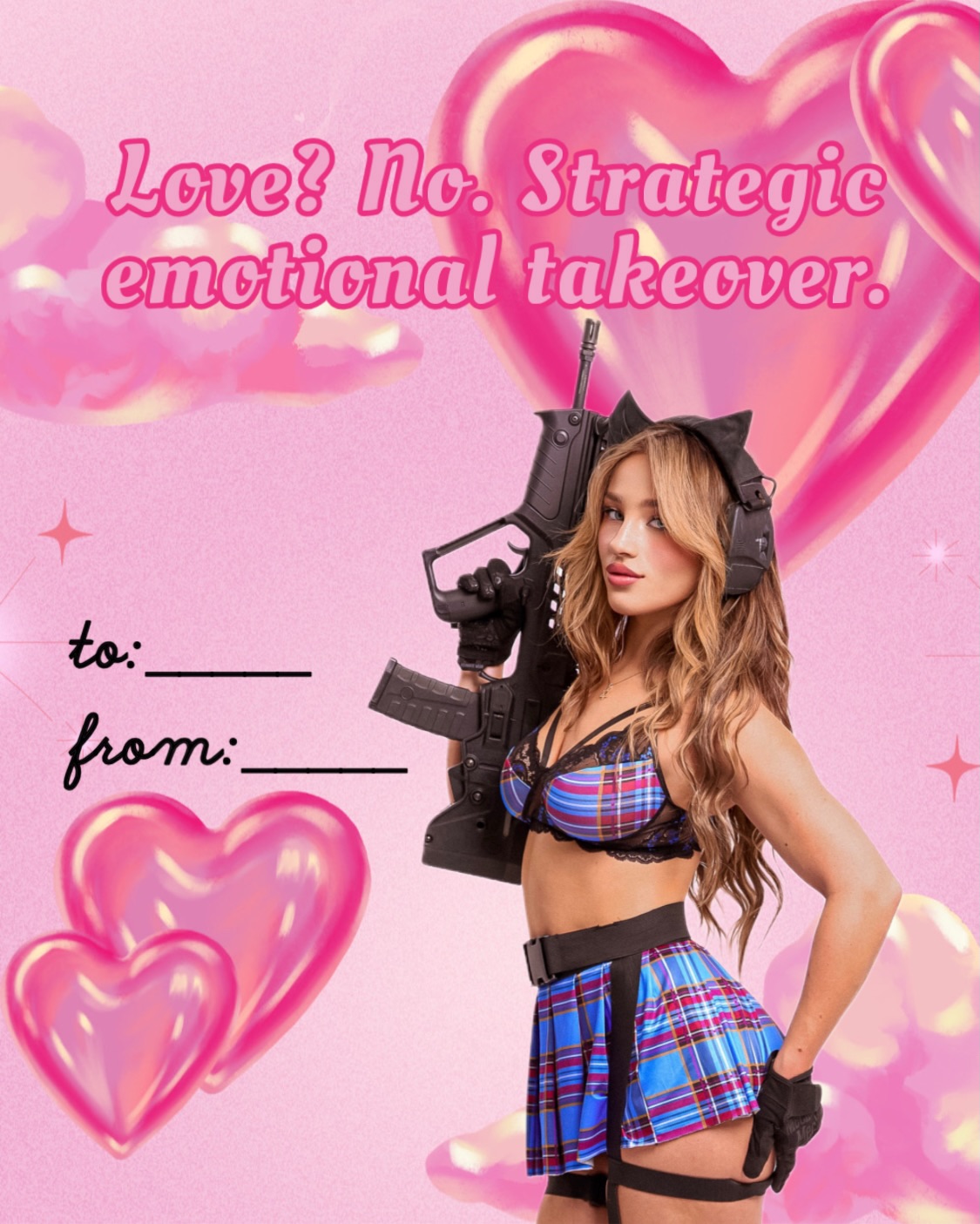
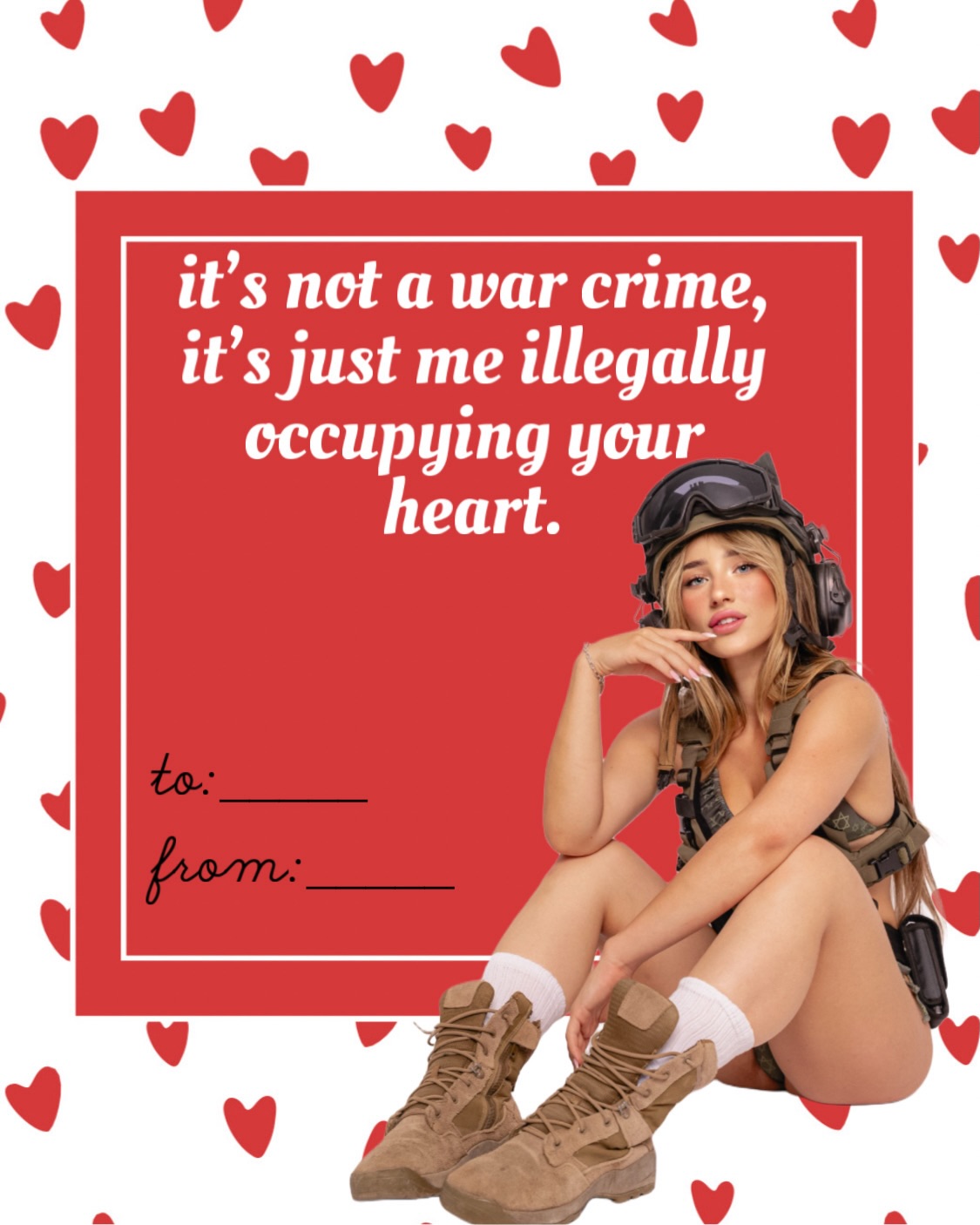
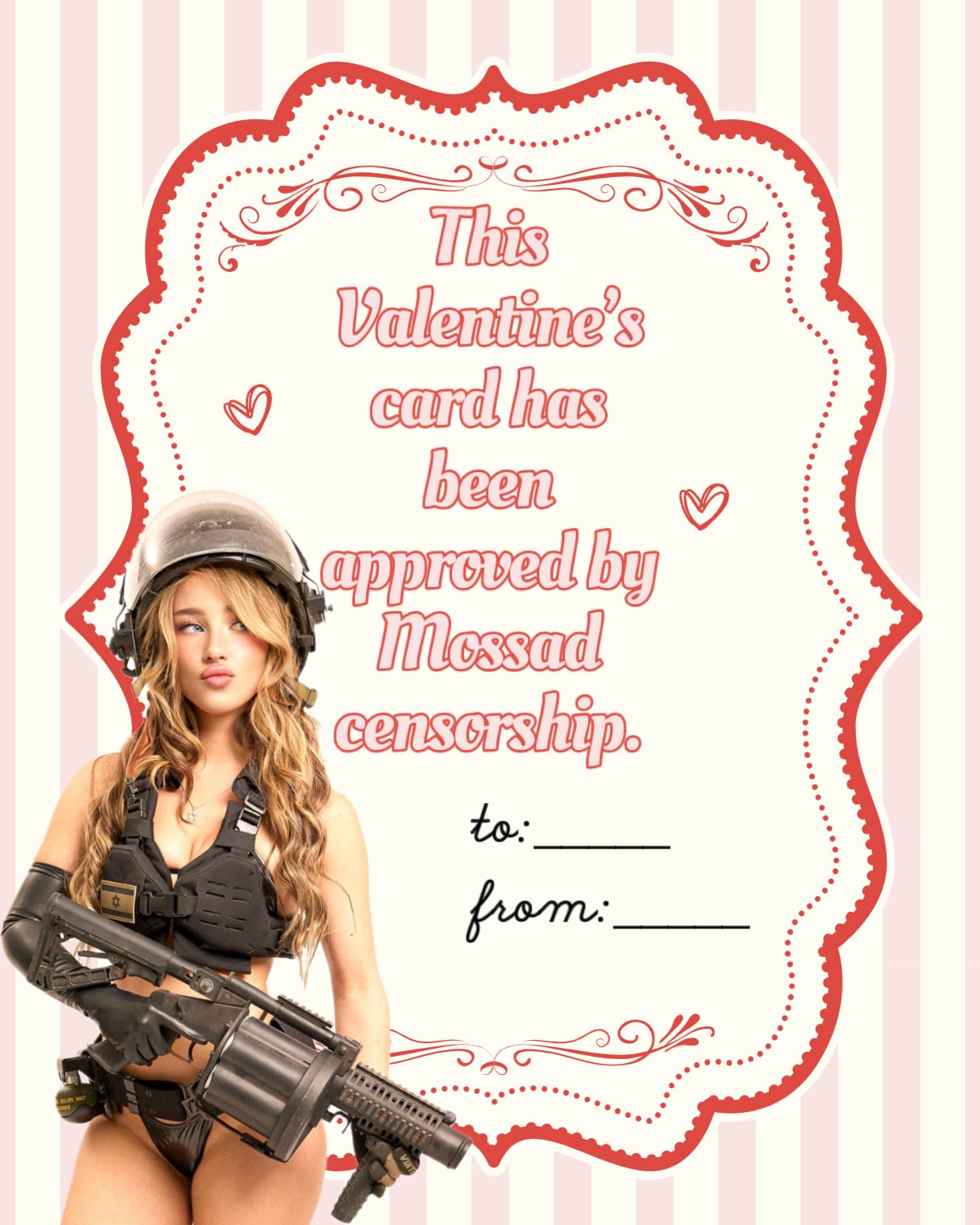
The smartest part of this post is not the outfit or the prop on its own. It is the decision to borrow the language of a cute Valentine card and then twist it. Pink background, glossy heart balloons, playful lettering, and “to/from” lines all signal sweetness. Then the headline and the weapon turn the whole thing into satire. That reversal is what makes the image sticky. Viewers recognize the template first, then enjoy the disruption.
For creators, this is a strong reminder that one of the easiest ways to make an image feel fresh is not to invent a new visual system, but to hijack an existing one. The more instantly recognizable the base format is, greeting card, movie poster, cosmetics ad, school photo, the easier it is for one disruptive change to create scroll-stopping energy.
| Signal | Evidence (from this image) | Mechanism | Replication Action |
|---|---|---|---|
| Format subversion | Classic Valentine graphics mixed with a tactical weapon and ironic headline | The audience first reads “cute card,” then gets the joke on the second beat | Start from a familiar visual template and change only one or two key signals |
| Clear text hook | The top headline carries the attitude in a single readable line | The image remains shareable even before viewers inspect the character styling | Use one short high-contrast headline that reframes the whole visual |
| Strong icon system | Hearts, sparkles, pink field, plaid set, black bow, black gun | Opposing symbols create tension without clutter | Build around 3-5 highly legible icons instead of adding detailed scene props |
This approach works especially well for holiday content, meme-able campaign art, edgy greeting-card concepts, or personality brands that thrive on irony. It can also be adapted beyond romance. You could build the same structure around back-to-school posters, birthday cards, graduation templates, or office motivational layouts. The transferable lesson is simple: use a conventional format as the stage, then let a contradictory persona step into it.
It is less suitable for brands that rely on sincerity or understated elegance. Here, excess is part of the point. The visual needs bold text, immediate symbolism, and enough pop contrast to feel like something people would screenshot and send to friends.
The image works because the pinks stay bright and broad while the darker elements stay concentrated. The black bow, gloves, and gun create sharp visual anchors against the candy-colored field. The plaid outfit is also important because it bridges cute and confrontational energy. If the clothing were too tactical, the joke would collapse into aggression. If it were too soft, the subversion would be weaker. This outfit lives right in the middle, which is why the poster holds together.
| Prompt chunk | What it controls | Swap ideas (EN, 2-3 options) |
|---|---|---|
| pink valentine card background with heart balloons | Immediate format recognition | birthday card theme; prom flyer theme; beauty ad theme |
| ironic headline text | Humor and shareability | shorter punchline; faux-love quote; mock motivational slogan |
| blue plaid set with black bow | Cute-versus-edgy wardrobe balance | red plaid set; satin bow dress; school-uniform remix |
| weapon as shoulder prop | Subversion and attitude | baseball bat; sword; lacrosse stick |
Lock three anchors first: the Valentine card layout, the headline, and the subject’s silhouette with the shoulder-held prop. Then change one variable per run. First pass should fix text readability and layout spacing. Second pass should tune how glossy and dimensional the heart balloons feel. Third pass should balance the subject cutout so the compositing looks intentional rather than pasted. Fourth pass can experiment with how hard the joke lands by changing only the headline while keeping the exact same card design.