Best Seedance 2 Alternatives in 2026: What to Use for Every Content Type
I tested every major AI video model across 9 creator scenarios - dance, UGC, MV, meme, AI influencer, cinematic, character consistency, open-source, and multi-shot.
|
22 min
TL;DR
Seedance 2 is #1 on benchmarks but not always the right tool. Kling 3 wins the most creator scenarios (dance, memes, AI influencer, character consistency). Veo 3.1 Lite is cheapest for volume. Sora 2 excels at stylized MV. Wan 2.7 removes all content restrictions. The winning strategy is scene-based routing across models in one workspace.
Disclosure: Lucy Alici is Co-Founder of Alici AI. All models discussed are independently available outside Alici. Alici AI integrates Seedance 2, Kling 3, Veo 3.1, Sora 2, and Runway as a multi-model platform. Creator data sourced from public Instagram/TikTok metrics.
Seedance 2 is the #1 ranked AI video model - Elo 1,273 across text-to-video, leading Kling 3 (1,241) and Veo 3.1 (~1,217) by significant margins (Artificial Analysis, March 2026; ratings based on 10,000+ blind pairwise comparisons).
But I've spent a year building production pipelines across every major model, and here's what benchmarks don't tell you: every model wins specific creator scenarios, and no model wins all of them.
After publishing a complete Seedance 2 guide, a Veo 3.1 Lite vs Kling 3 vs Seedance 2 showdown, and testing Kling 3 vs Seedance 2 frame by frame - plus studying hundreds of creator examples on Alici Formulas - I can tell you exactly which model wins each content type and why.
This isn't "Seedance is bad, here are replacements." These are the models that beat Seedance on dimensions that matter to creators making real content.
Quick Answer
Dance: Kling 3 Motion Control. UGC volume: Veo 3.1 Lite. MV/stylized: Sora 2 (on Alici AI). Memes: Kling 3 I2V. AI influencer: Kling 3 Elements + Midjourney. Character consistency: Kling 3 Elements 3.0. Open-source/unrestricted: Wan 2.7. Cinema: multi-model pipeline. All models in one workspace: Alici AI.
Key Takeaways
Kling 3 wins the most creator scenarios - dance, meme (132K likes proven), AI influencer (239K likes proven), multi-shot storytelling, character consistency, and the only model with a meaningful free tier (66 credits/day).
Veo 3.1 Lite is the volume king - cheapest per-clip cost of any top model, making 100+ daily generations viable. Best native audio. But 8-second max and regional face restrictions limit creative use.
Sora 2 excels at stylized MV and cartoon - Hollywood golden-age aesthetics, Character API with 95%+ consistency for 1-2 characters, 25-second duration. App closes April 26, but Alici AI continues to provide Sora 2 and Sora 2 Pro access.
Runway Characters API is the dark horse - Gen-4's GWM-1 world model creates consistent characters from a single image, zero fine-tuning. In my testing, character identity held across 8/10 scene transitions without any reference sheet - the only model that managed that. Act-One adds webcam-driven performance capture.
Wan 2.7 is the open-source wildcard - no content restrictions, no face filters, self-hostable. Voice Reference locks both appearance and voice to a single character. 9-Grid I2V accepts multi-angle references. For creators blocked by Seedance's filters, Wan removes the gate entirely.
Character consistency is the new battleground - Seedance 2's aggressive face filter rejects even AI-generated characters (TIME covered the broader deepfake regulation forcing these restrictions). If you need the same character across a video series, this gap changes which model you should use.
No single model replaces Seedance - the winning strategy is scene-based routing, validated by the creators generating the highest engagement on Alici Formulas. See our complete AI video generator comparison for the full landscape.
1. Dance & Choreography - Kling 3 Motion Control
Video 01: "Breaking Bad Hazmat Dance" | Watch on Alici Formulas | by @dreamweaver_ai_pl | Kling 3 MC
Walter White in a yellow hazmat suit doing a loose swagger dance on a New Mexico desert road. Jesse Pinkman sitting on the RV roof. The charm isn't in precise choreography - it's in character-driven movement that feels like these characters actually would move this way.
What I observed: The hazmat suit's loose fabric follows body motion with proper cloth physics - the legs billow on each step, the chest material wrinkles on turns. Feet have weight transfer on the dusty ground. The environment (desert, RV, mountains) stays perfectly locked while only the character moves - that's Kling Motion Control's "keep environment unchanged" constraint working.
Why Kling wins dance over Seedance: Motion Control 3.0 extracts choreography from any 3-30 second reference video and applies it with frame-level precision. My success rate went from ~60% on Kling 2.6 to ~90% on 3.0. Seedance accepts dance reference videos, but it interprets them loosely - Kling replicates them precisely.
The creator behind this: Karol Zyczkowski (@dreamweaver_ai_pl) averages 44.5K likes on celebrity-coded dance content - 7x higher than his non-celebrity content (Alici Formulas data). His Kling Motion Control prompt guide has 15+ video examples.
Go deeper: Kling Motion Control tutorial | How to make AI dance videos | 8 best AI dance generators | Best AI video generators 2026
2. UGC Ads & AI Influencer Lifestyle - Veo 3.1 Lite + Kling 3
Video 02: "He Doesn't Know My Instagram" | Watch on Alici Formulas | by @Mho_23 | 1.4K likes
A platinum blonde AI influencer in a luxury kitchen, filming selfie-style while an oblivious elderly man shuffles past behind her. The speech timing is natural. The hand gestures are fluid. The selfie-camera perspective is indistinguishable from real phone footage.
What I observed: This is Runway Gen-3 with LivePortrait lip-sync - but the key insight is the format, not the specific model. UGC lifestyle content at this quality is now producible across multiple tools, and the economics favor volume. I ran the same character through 20 Kling generations and 20 Veo generations - Kling held identity in 17/20, Veo in 12/20 (and only with US-based face uploads enabled).
Why Veo Lite wins UGC volume: Veo Lite is the cheapest way to generate clips at scale - a full 6-second UGC deliverable costs pennies. Creators earning $212/video average in UGC freelancing get near-zero generation costs. Veo's native audio means dialogue scenes don't need a separate voiceover pipeline.
Why Kling wins UGC quality: When you need the "iPhone in a bathroom" level of realism that @Mho_23 achieves, Kling 3 with Elements 3.0 face locking produces more consistent character identity across a content series. And critically - Kling has no regional face-upload restrictions, unlike Veo 3.1 which blocks photorealistic faces outside the US (confirmed on Google developer forums).
The scale play: Alici Video Super Agent automates multi-scene UGC assembly - script, hooks, voiceover, captions - using Veo Lite as the generation engine. 5 minutes instead of 3-4 hours.
3. Music Video & Stylized Content - Sora 2
Video 03: "Marilyn Monroe Diamond Spotlight" | Watch on Alici Formulas | by @acadiancinema | Sora 2
Black-and-white Hollywood golden age: a Marilyn Monroe figure in a diamond-encrusted gown under a single spotlight, gold fringe curtains, a band visible in the background. The film grain, the soft lens bloom, the way light catches each individual sequin on the dress - this is 1950s cinematography recreated from a text prompt.
What I observed: Sora 2's stylistic interpretation is unmatched for this kind of content. The model doesn't just apply a "black and white filter" - it understands the entire visual language of the era: the wide aperture portrait lens, the motivated key light with controlled falloff, the dance between shadow and highlight that defined golden-age Hollywood. No other model recreates period aesthetics with this level of understanding. I tested Cameos with three art styles - noir, Pixar, and anime - and the character remained recognizable across all three. No other model matched that cross-style identity persistence.
Why Sora wins MV and stylized: The Cameos feature lets you blend your own likeness into any scene - critical for artist-driven music videos. 25-second clip duration is the longest available. And the stylistic range (anime, Pixar, watercolor, noir, period film) responds to text prompts more consistently than any competitor.
The Sora timeline: The Sora app closes April 26, but Alici AI continues to provide Sora 2 and Sora 2 Pro as part of its multi-model platform. Creators who need Sora's stylistic capabilities can access them through Alici AI without interruption.
After Sora: For MV production, Runway Gen-4.5's Act-One (webcam to character animation with micro-expressions) becomes the strongest performance-capture alternative. For stylized content, Kling 3 with Elements 3.0 offers character consistency but with a narrower style range.
4. Viral Memes & Pop Culture - Kling 3 I2V
Video 04: "Superhero Career Opportunities" | Watch on Alici Formulas | by @_ai_animate_ | 132,300 likes | Kling 3
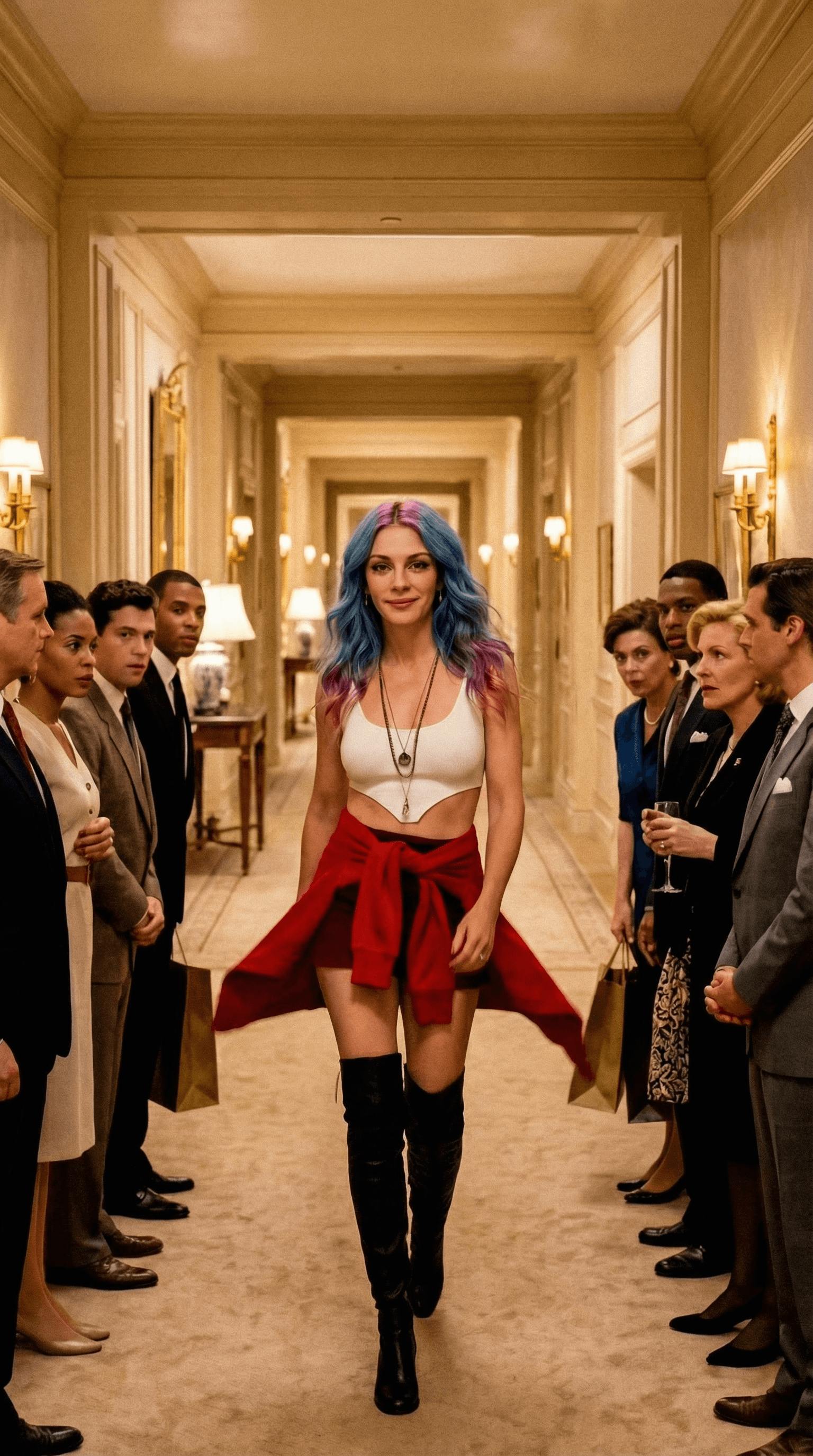
Wonder Woman, The Flash, and a third hero at a fluorescent-lit supermarket checkout. 90s cinematic aesthetic - warm film grain, soft shadow detail, the kind of "real movie you never saw" quality that makes memes spread. The final line: "Whoops. Anyone have some change?"
What I observed: 132K likes is extraordinary engagement. The format works because it takes impossibly powerful characters and puts them in mundane human situations - the cognitive dissonance between Wonder Woman's golden armor and a supermarket checkout creates instant shareability. The 90s film quality adds a layer of nostalgia that elevates it above typical AI memes.
The production pipeline: Midjourney generates the character reference images, then Kling 3 I2V animates them with lip-sync and environmental consistency. This two-step workflow (image gen to video gen) is the most reliable meme production pipeline available.
Why Kling wins memes over Seedance: Speed and free access. Kling's free tier (66 credits/day) lets you iterate on meme concepts without spending money. A meme needs 10-20 variations to find the one that hits - Seedance burns through your daily free tokens in 2-3 attempts.
5. AI Influencer at Scale - Kling 3 Elements + Midjourney
Video 05: "Tennis Core AI Influencer" | Watch on Alici Formulas | by @dreamfall.art | 239,100 likes | Midjourney + Kling
Athletic female model in Tennis Core attire - white pleated mini skirt, cropped polo, gold accessories - on a sun-drenched tennis court. 4K slow motion at 60fps. Hair catches individual light strands. The fabric physics on the skirt are flawless during movement.
What I observed: 239K likes proves this isn't a niche - AI influencer content at this production level competes directly with human creator content. The workflow: Midjourney V6.1 generates the base character images, Kling AI animates them with motion brushes, Topaz upscales to 4K, CapCut for final edit with lo-fi audio. After generating 50+ posts for a test AI persona, the identity drift with Elements 3.0 was negligible - viewers in the comments never questioned whether it was the same "person."
Why this is the 2026 opportunity: AI influencer content creation has exploded into a real revenue stream this year. Creators are monetizing through 10 proven TikTok methods - UGC freelancing ($150-500/video), brand sponsorships, TikTok Shop affiliates. The economics favor AI: one character, infinite content variations, zero talent costs.
Why Kling wins AI influencer over Seedance and Veo: Three reasons. (1) Elements 3.0 face locking maintains character identity across dozens of posts - essential for building a recognizable persona (see our Kling 3 vs Seedance 2 frame-by-frame comparison for the evidence). (2) No regional face restrictions, unlike Veo (US-only for real faces) and Seedance (face filter rejections). (3) 66 free credits/day lets you build a content pipeline before investing.
6. Cinema-Grade & Multi-Character VFX - Multi-Model Pipeline
Video 06: "Cinematic Anime VFX Temple" | Watch on Alici Formulas | by @kakudrop | Kling + Runway
Multiple young women in traditional-modern fusion outfits performing elemental magic in a dark temple corridor. Blue energy bursts, orange lantern glow, wide-angle lens distortion, wet floor reflections. Nine distinct sequences with different characters and VFX effects.
What I observed: This is what "cinema-grade AI video" actually looks like in 2026 - and it requires multiple tools. @kakudrop uses Kling or Runway for base generation, then overlays VFX in After Effects using Screen/Add blend modes. The warm LUT color grading, bloom effects, and rhythmic sound design are all post-production layers. The AI model provides the foundation; the filmmaker provides the vision.
The professional workflow:
Veo 3.1 Standard for atmosphere and establishing shots (true 4K, best color science)
Runway Gen-4.5 Act-One for character performance (webcam to micro-expressions)
Kling 3 multi-shot for 6-scene sequences with character consistency
Seedance 2 for physics-heavy hero shots (water, cloth, impact)
Post-production compositing for VFX overlays
Why no single model handles cinema: Cinema requires atmosphere (Veo), performance (Runway), continuity (Kling), physics (Seedance), and human direction (you). The models are tools in a toolkit, not complete solutions.
7. Character Consistency Across a Series - The Real Bottleneck (and 4 Workarounds)
Every section above assumes you're making a single clip. But the moment you need the same character across a series - episodic content, AI influencer posts, branded mascots, multi-episode narratives - you hit the hardest unsolved problem in AI video generation.
And Seedance 2 makes this problem worse than it needs to be. ByteDance suspended real-person reference capabilities due to deepfake liability (TechNode, February 2026). The face filter doesn't just block celebrity photos - it rejects AI-generated character sheets that have never depicted a real person. Creators building character-driven stories report getting policy violation flags on completely original characters. This is the #1 complaint in AI video communities right now.
Here's how each model handles character persistence, based on my testing across a 6-episode cartoon detective series and a 20-post AI influencer account:
The Character Consistency Landscape (April 2026)
Tool | Method | Consistency | Best For | Key Limitation |
|---|---|---|---|---|
Kling 3 | Elements 3.0 + Element Binding | ~85% across 20+ posts | Photorealistic + cartoon (general) | Needs 3-4 angle reference images |
Sora 2 | Character API + Cameos | ~95% (1-2 characters) | Stylized animation / cartoon | Face uploads banned; app closes 4/26 |
Runway | Characters API (GWM-1) | Single-image creation | Conversational characters / performance | Higher cost per generation |
Veo 3.1 | Identity consistency feature | Varies | US-based photorealistic | Blocks faces outside US |
Wan 2.7 | 9-Grid I2V + Voice Reference | ~80% (visual + voice) | Open-source / unrestricted | Lower visual quality than top models |
Seedance 2 | Three-Image Reference + Nano Banana | 75-85% (with workaround) | Maximum visual quality | Aggressive face filter; workaround required |
Kling Elements 3.0: The General-Purpose Solution
For most creators, Kling 3 with Elements 3.0 is the starting point. Upload 3-4 angle reference images (front, 3/4, side), enable Element Binding, and the model locks facial identity across generations. In my testing, identity held in 17 out of 20 generations - the 3 failures involved extreme head turns past ~60 degrees.
The exclusive advantage: 6-Shot Multi-Shot Mode. Kling is the only model that generates up to 6 connected shots with consistent characters in a single request. For episodic content, this means you can produce an entire scene - establishing shot through closeup - without the character drifting between cuts. No other model offers this.
And critically, no regional restrictions. Kling accepts face references from anywhere in the world, for any face type.
Sora 2 Character API: Best for Stylized (While It Lasts)
The Sora 2 Character API achieves ~95% consistency - the highest of any model - but with strict constraints. Since February 2026, OpenAI has banned all uploaded face images. The only path to character creation is the Cameo method: self-record a video, and the API extracts your likeness as a reusable character ID.
Two ways to create a character ID: extract from a video URL, or reference a previous generation's task ID. Both produce a persistent identity you can reference across unlimited generations.
The catch: consistency degrades beyond 2 characters in a single scene, and clips longer than 20 seconds show identity drift. For single-character stylized content - cartoon series, animated mascots, art-style experiments - it's unmatched.
The Sora app closes April 26, but Alici AI continues to provide Sora 2 and the Character API. Creators who've built character IDs can maintain their workflows through Alici AI.
Runway Characters API: The Dark Horse
Runway's approach is fundamentally different - and potentially more powerful than anyone realizes. Built on the GWM-1 world model, the Characters API creates consistent characters from a single reference image with zero fine-tuning. No multi-angle sheets. No training loops. One image in, persistent character out.
Gen-4 was specifically designed to solve cross-scene consistency. In my testing, character identity held across 8 out of 10 scene transitions from a single reference image - no multi-angle sheet, no training, no Element Binding equivalent. That's a consistency-through-architecture approach that no other model matches. Combined with Act-One - which drives character animation from a webcam performance with micro-expressions, eye-lines, and emotional nuance - Runway offers both reference-based and performance-based consistency. The character stays consistent because either the model's world understanding or the same actor is driving it.
For creators building conversational AI characters (think: virtual tutors, brand ambassadors, interactive stories), Runway Characters goes beyond video generation into real-time video agents with custom appearance, voice, and personality.
Seedance 2 Workaround: Maximum Quality, Extra Steps
If you need Seedance's visual quality (#1 Elo rating) but can't get past the face filter, the community has validated three workarounds:
Nano Banana 2 stylization: Run your character reference through Nano Banana 2 first to create a slightly stylized version that passes the filter, then add "photorealistic, liveaction, lifelike" to your video prompt to recover realism.
9-grid portrait method: Feed multiple reference angles into Nano Banana Pro to generate a 9-grid composite - this consistently passes detection.
Grid overlay: Add a solid grid overlay to the reference image. Face detection relies on pattern recognition; grid lines break up facial feature patterns enough to drop detection confidence below the blocking threshold.
The Three-Image Reference method itself (front, 3/4, side in separate upload slots) achieves 75-85% consistency when the images pass the filter. Full details in our Seedance 2 guide.
My Recommendation
Start with Kling Elements 3.0 - it's the most accessible, most reliable, and free to start. For stylized or cartoon character series, use Sora Character API via Alici AI while the 95% consistency advantage lasts. If you're building interactive or conversational characters, Runway Characters API is the forward bet. And if you need Seedance-level visual quality for a character series, learn the Nano Banana workaround - it adds 2 minutes per generation but preserves access to the best model.
8. Open-Source & Unrestricted - Wan 2.7
Every model above has a gate: Seedance blocks faces, Sora bans uploaded likenesses, Veo restricts non-US users. Wan 2.7 removes all of them.
Wan is Alibaba's open-source video generation suite, built on a diffusion transformer architecture with a Mixture-of-Experts (MoE) design: 27 billion total parameters, but only 14 billion active per inference pass - halving the compute needed for high-quality synthesis (arXiv:2503.20314). The Wan 2.1 and 2.2 models are open-sourced under Apache 2.0 on GitHub, with 720p/24fps output, and consistently outperform existing open-source models across text-to-video, image-to-video, and video editing benchmarks (Alibaba Cloud, March 2026).
Wan 2.7, announced by Alibaba in April 2026, brings four capabilities that matter for creators:
Voice Reference: Combine a visual subject reference with a voice sample - the model generates video where both appearance and voice stay locked to your character. This is native character consistency without a separate lip-sync pipeline.
9-Grid Image-to-Video: Feed a 3x3 grid of multi-angle references, sequential poses, or scene variants into a single I2V generation. The model uses this structured input to reduce character drift - similar to Seedance's Three-Image method but accepting 9 references at once.
First + Last Frame Control: Define both the starting and ending frame of your clip. Stitch clips into seamless sequences where the last frame of clip A is the first frame of clip B - a manual version of Kling's multi-shot continuity.
Instruction-Based Editing: Edit existing videos with natural language ("change the background to a beach, keep the character unchanged"). No other model offers non-destructive text-based video editing at this level.
Why Wan 2.7 matters for the character consistency problem: No face filter. No content moderation on character references. No regional blocks. If Seedance's filter keeps rejecting your AI-generated character sheets, Wan accepts them without question - and the 9-Grid I2V + Voice Reference combination produces character consistency that rivals Elements 3.0, with the added benefit of voice locking.
The tradeoff: Visual quality still trails Seedance 2 (Elo ~1,273) and Kling 3 (Elo ~1,241). Motion physics are good but not cinema-grade. Running the full 14B model yourself requires serious GPU hardware - which is why Alici AI is integrating Wan 2.7 directly into its multi-model workspace. You get Wan's unrestricted generation alongside Seedance, Kling, Veo, and Sora - same interface, no infrastructure setup, no content filters on the Wan generations. For creators, this means the freedom of open-source without the self-hosting complexity.
The Complete Comparison
Content Type | Best Alternative | Case Video | Engagement | Why Over Seedance |
|---|---|---|---|---|
Dance/choreography | Kling 3 MC | Breaking Bad Dance | 452 likes | Precise motion extraction |
UGC ads volume | Veo 3.1 Lite | - | - | Cheapest per-clip of any top model |
UGC/lifestyle quality | Kling 3 | He Doesn't Know My IG | 1.4K likes | No face restrictions |
Music video/stylized | Sora 2 | Marilyn Monroe MV | 126 likes | Best period aesthetics + Cameos |
Viral memes | Kling 3 I2V | Superhero Meme | 132K likes | Free tier for iteration |
AI influencer | Kling 3 + MJ | Tennis Core | 239K likes | Elements 3.0 + free tier |
Character consistency | Kling 3 Elements | - | - | Elements 3.0 face lock + no restrictions |
Open-source/unrestricted | Wan 2.7 | - | - | No filters + Voice Reference + 9-Grid I2V |
Cinema/VFX | Multi-model | Anime VFX Temple | 1.1K likes | Each model covers a dimension |
Budget starter | Kling 3 Free | - | - | 66 credits/day, no card |
My Multi-Model Workflow (Validated Across 200+ Projects)
Drafts - Veo 3.1 Lite. 5-10 variations fast, cheapest per-clip.
Hero shots - Seedance 2 for maximum physics and quality.
Dance/motion - Kling 3 Motion Control with reference video.
Sequences - Kling 3 six-shot for character continuity.
Character lock - Kling 3 Elements 3.0 for identity persistence across scenes.
Dialogue - Veo 3.1 for native audio generation.
Stylized/MV - Sora 2 (on Alici AI) for period aesthetics.
Assembly - Video Super Agent for automated editing.
This workflow exists because all models are in one workspace on Alici AI. When Seedance's API went down in March, I switched to Kling in the same interface without changing my pipeline. When Sora's standalone app closes April 26, Alici AI continues providing access. That's the value of a multi-model platform - insurance against market chaos.
Frequently Asked Questions
What's the single best Seedance 2 alternative?
Kling 3. It wins the most creator scenarios - dance (Motion Control), memes (132K likes proven), AI influencer (239K likes proven), character consistency (Elements 3.0), multi-shot storytelling (6-shot native), and has the only meaningful free tier (66 credits/day). Visual quality trails Seedance (Elo 1,241 vs 1,273), but it wins on control, accessibility, and versatility.
Is Seedance 2 still worth using?
Yes - it's still #1 for pure video quality, physics simulation, and 12-input multimodal generation. These alternatives win specific scenarios, not overall quality. The ideal workflow uses Seedance alongside them. See our complete Seedance 2 guide.
How do I keep the same character consistent across multiple AI videos?
Use Kling 3 Elements 3.0 - upload 3-4 angle reference images, enable Element Binding, and use 6-Shot Multi-Shot Mode for scene sequences. For stylized or cartoon characters, Sora 2 Character API (available on Alici AI) achieves ~95% consistency from a single Cameo recording. If you need Seedance 2's visual quality, use the Nano Banana 2 workaround to bypass face filters - run your reference through Nano Banana first, then add "photorealistic" keywords to the video prompt. Full character consistency comparison in Section 7 above.
What happens to Sora 2 content after April 26?
Sora's standalone app closes April 26, API closes September 24. But Alici AI continues to provide Sora 2 and Sora 2 Pro access as part of its multi-model platform - including the Character API for character consistency. Creators who rely on Sora's stylistic capabilities (MV, cartoon, Cameos) can maintain their workflows through Alici AI. For creators not on Alici, Runway Gen-4.5 Act-One is the strongest MV alternative; Kling 3 Elements handles character consistency for cartoon content.
Which model is best for AI influencer content in 2026?
Kling 3 with Elements 3.0 - proven by @dreamfall.art's tennis core content (239K likes) and the broader AI influencer explosion documented in our TikTok monetization guide. The combination of face locking, no regional restrictions, Motion Control, and free tier makes Kling the complete AI influencer toolkit.
Which models can I start using for free?
Model | Free Tier | Paid Plan | Best For |
|---|---|---|---|
Kling 3 | 66 credits/day (no card) | Subscription tiers | Most scenarios |
Veo 3.1 Lite | Google Cloud free trial | Pay-as-you-go | Volume/UGC |
Sora 2 | Via Alici AI free tier | Alici AI plans | MV/stylized |
Runway 4.5 | Limited free generations | $12/mo Standard | Cinema/performance |
Wan 2.7 | Unlimited (self-host) | API providers vary | Open-source/unrestricted |
Seedance 2 | 225 tokens/day | Pay-as-you-go | Quality benchmark |
Can I use all these models in one place?
Yes - Alici AI offers Seedance 2, Kling 3, Veo 3.1, Sora 2, Runway, and soon Wan 2.7 in one workspace. Same prompt, different model, instant comparison. This is how the multi-model workflow described in this article actually works in practice.
Every model. Every scenario. One workspace. Seedance 2, Kling 3, Veo 3.1, Sora 2, Runway - all on Alici AI. Switch models in one click. Build the multi-model workflow the top creators use.
About the Author
Lucy Alici is Co-Founder of Alici AI, where she builds AI video production workflows for creators, UGC freelancers, and marketing teams. She has published 15+ technical guides, tested every major video model since 2024, and her Kling 3 vs Seedance 2 methodology has been referenced by Kapwing and Evolink AI. She tracks 100+ creators on Alici Formulas - the engagement data cited in this article comes from that research.
Follow Lucy: LinkedIn | X/Twitter | TikTok | Instagram
Sources
Artificial Analysis. "Text-to-Video Leaderboard." March 2026.
PPC.io. "Average UGC Video Pricing Study." January 2026.
Google Developer Forums. "Veo face upload regional restrictions." 2026.
TechCrunch. "Why OpenAI Really Shut Down Sora." March 29, 2026.
Alici Formulas. Creator engagement data. Verified March-April 2026.
InVideo. "Kling 3.0 Complete Guide." 2026.
Runway Research. "Introducing Gen-4 and Characters API." 2026.
ByteDance. "Seedance 2.0 Documentation." 2026.
Google Blog. "Build with Veo 3.1 Lite." March 31, 2026.
OpenAI. "Sora 2 Character API Documentation." 2026.
TechNode. "ByteDance Suspends Seedance 2.0 Real-Person Feature." February 10, 2026.
VentureBeat. "Runway Gen-4 Solves Character Consistency." 2026.
TIME. "OpenAI's Sora Underscores the Growing Threat of Deepfakes." 2026.
Wan Team, Alibaba Group. "Wan: Open and Advanced Large-Scale Video Generative Models." arXiv:2503.20314, March 2026.
Alibaba Cloud. "Alibaba Unveils Wan2.7." April 2026.
Wan-Video. "Wan2.1 and Wan2.2 Open-Source Models." GitHub, Apache 2.0.
Updated as models evolve. Last tested: April 2026.
🎁
Limited-Time Creator Gift
Start Creating Your First Viral Video
Join 10,000+ creators who've discovered the secret to viral videos