How to Create a Premiere Night Cutout Gown Red Carpet AI Image
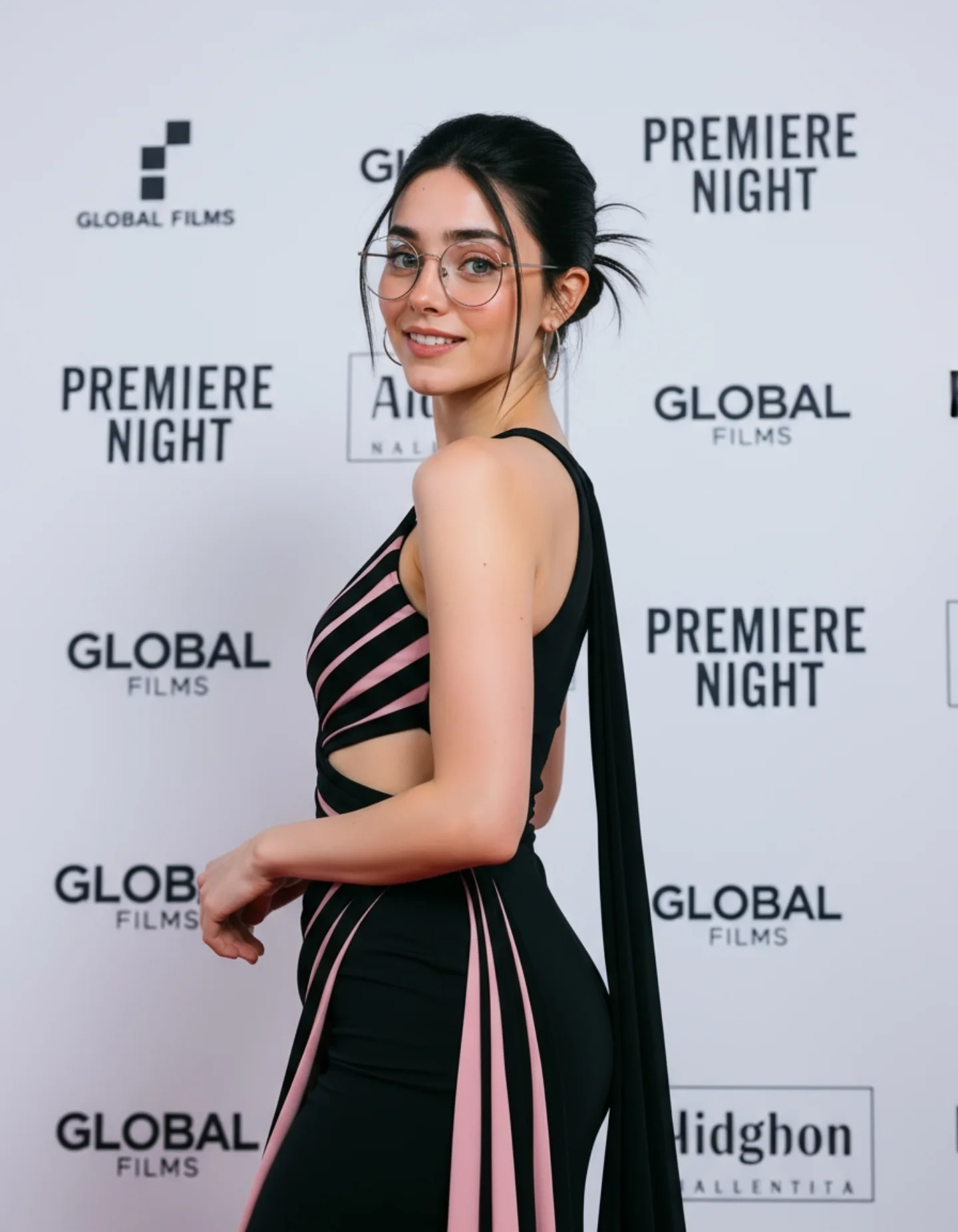
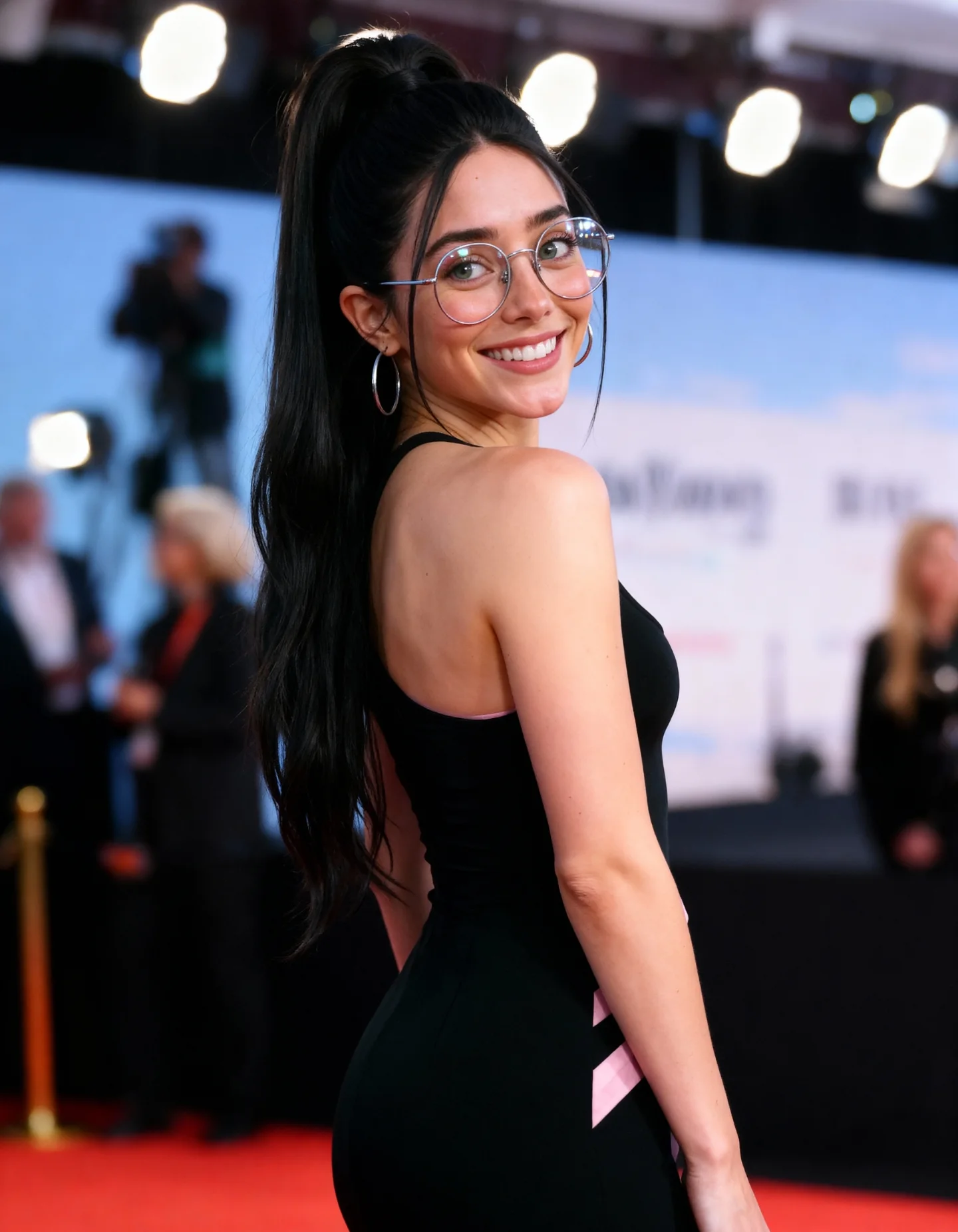
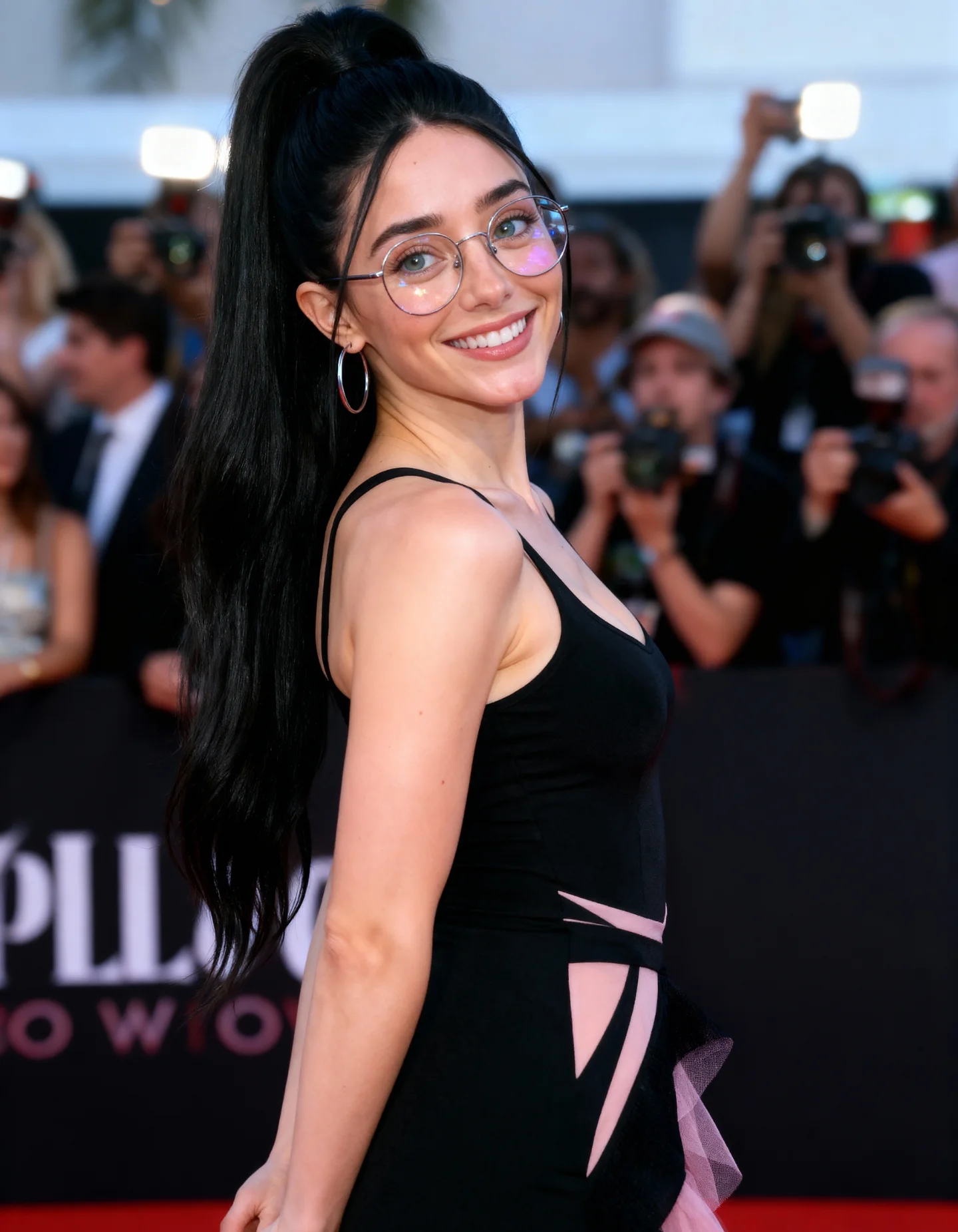
This image works because it uses restraint where many red-carpet images reach for noise. The backdrop is simple, the styling is clean, and the pose is controlled. That means the dress does not have to fight the setting for attention. The cutouts, pink lines, and trailing fabric can do their job with clarity, which gives the portrait a more expensive and composed feeling.
The glasses are also important. They make the look more specific and modern. Without them, the image could slide toward generic event glamour. With them, the portrait feels slightly more personal and memorable. For creators, that is a useful lesson: one everyday detail can keep a polished event image from feeling interchangeable.
Why This Red Carpet Frame Feels Premium
The strongest part of the image is silhouette control. The turned body angle reveals the dress structure, especially the cutout sections and vertical stripe flow, without requiring a dramatic pose. This is the kind of red-carpet image that reads as confident rather than attention-seeking. It trusts the garment’s shape instead of overperforming around it.
Another reason it works is the sponsor wall itself. The repeated text gives the frame context and legitimacy, but the neutral background does not compete with the subject. For creators, that is a useful reminder that media walls often work best when the styling is sharp enough to pop against them without needing extra visual noise.
| Signal | Evidence (from this image) | Mechanism | Replication Action |
|---|
| Clean silhouette reveal | The turned pose makes the cutouts and bodycon fit easy to read | Controlled angles help elegant garments communicate shape more clearly | Use three-quarter turns when the side structure of a dress matters |
| Neutral event context | The pale sponsor wall stays simple while still proving the premiere setting | Minimal branded backgrounds make luxury styling feel more expensive | Keep event backdrops clean if the garment already carries the visual interest |
| Specific identity cue | The glasses make the face more memorable inside a polished formal setting | One personal detail separates the image from generic glamour coverage | Preserve one everyday or signature feature even in highly formal portraits |
| Graphic dress detailing | Pink striping creates direction and contrast within a mostly black gown | Internal garment contrast improves readability at small sizes | Look for dresses with strong line logic if the image needs to travel on social |
Where This Visual Formula Fits Best
- Premiere or gala coverage: ideal when the goal is clean formal documentation with a little personality.
- Event-fashion prompt references: useful for studying silhouette-first red-carpet posing.
- Creator branding for polished public appearances: strong because it looks elevated without losing individuality.
- Prompt libraries for formalwear imagery: good example of how neutral backgrounds and garment detail can work together.
This setup is less ideal for theatrical fashion editorials, paparazzi-style candids, or highly dramatic couture imagery. Its strength comes from control, polish, and legibility. If you add too much motion or visual clutter, the elegance fades quickly.
Transfer recipe one: Keep the sponsor wall, clean pose, and one high-impact garment detail. Change the dress color or event type while preserving the same restrained glamour. Slot template: {media wall} {structured gown} {three-quarter turn} {polished event mood}.
Transfer recipe two: Keep the formal event framing and one personal identity marker. Change the styling from glasses to a signature haircut, lip color, or jewelry cue while preserving the same calm silhouette reveal. Slot template: {red carpet backdrop} {formalwear focal point} {signature detail} {quiet confidence}.
Transfer recipe three: Keep the bodycon line and side-facing angle. Change the environment from premiere wall to awards backdrop, fashion gala, or luxury-brand photo call while preserving the same visual discipline. Slot template: {formal event wall} {sleek eveningwear} {clean pose} {minimal-noise elegance}.
What Makes the Image Feel Contemporary
The portrait feels contemporary because the glamour is not overloaded. The gown has enough interest to be memorable, but the styling avoids the usual red-carpet excess of jewelry, hair volume, or dramatic posing. That modern restraint makes the image feel fresher and more believable. It is stylish without looking costume-like.
The pink detailing is especially effective because it gives the dress a visual rhythm without needing prints or embellishment everywhere. For creators, this is a practical lesson: if the silhouette is strong, a few smart line accents can do more than an overloaded gown full of competing ideas.
| Observed | Recreate |
|---|
| Three-quarter turn reveals dress architecture cleanly | Pose for garment lines, not just for face-forward beauty, when silhouette matters |
| Simple sponsor wall lets the styling stay dominant | Use low-noise event backgrounds when the look itself should lead |
| Black dress with internal pink contrast reads clearly at a glance | Choose garments with built-in directional accents for better social readability |
| Glasses keep the portrait personal inside a formal setting | Retain one recognizable personal marker to avoid generic event glamour |
Prompt Technique Breakdown
| Prompt chunk | What it controls | Swap ideas (EN, 2–3 options) |
|---|
| woman in a black cutout evening gown on a premiere-night sponsor wall | Core event-fashion concept | awards-night gown at media wall; gala black-tie look; film-festival photo-call portrait |
| pink stripe accents and trailing sash detail | Garment distinctiveness and line flow | metallic piping; jeweled trim; asymmetrical drape detail |
| three-quarter turned pose looking back at camera | Silhouette reveal and elegance | full side profile; hand-on-hip front angle; slight walk-turn pose |
| round glasses and soft updo | Face identity and modernity | sleek bun with no glasses; loose waves; statement earrings with no eyewear |
| clean pale sponsor wall with repeated logos | Event legitimacy and minimal context | brand step-and-repeat; festival wall; awards photo line |
| bright even gala lighting | Readability and polished realism | slightly flashier paparazzi light; softer luxury event glow; cooler fashion-show light |
How to Iterate Without Losing the Elegance
Lock three things first: the clean event wall, the strong garment line work, and the controlled three-quarter pose. Those are the load-bearing parts. If one weakens, the image becomes much more ordinary.
- Start with the exact formula: sponsor wall, black cutout gown with pink detailing, glasses, soft updo, and turned red-carpet pose.
- Change only the garment detailing, testing different line accents or drapes while preserving the same event framing.
- Change only the personal identity cue, such as eyewear, hair, or jewelry, without changing the calm silhouette logic.
- Change only the event subtype, moving from premiere night to festival gala or awards wall while preserving the same minimal-noise aesthetic.
The repeatable takeaway is simple: elegant event portraits become more memorable when one strong garment idea and one personal signature detail are allowed to lead.