PROMPT 💕👇🏻
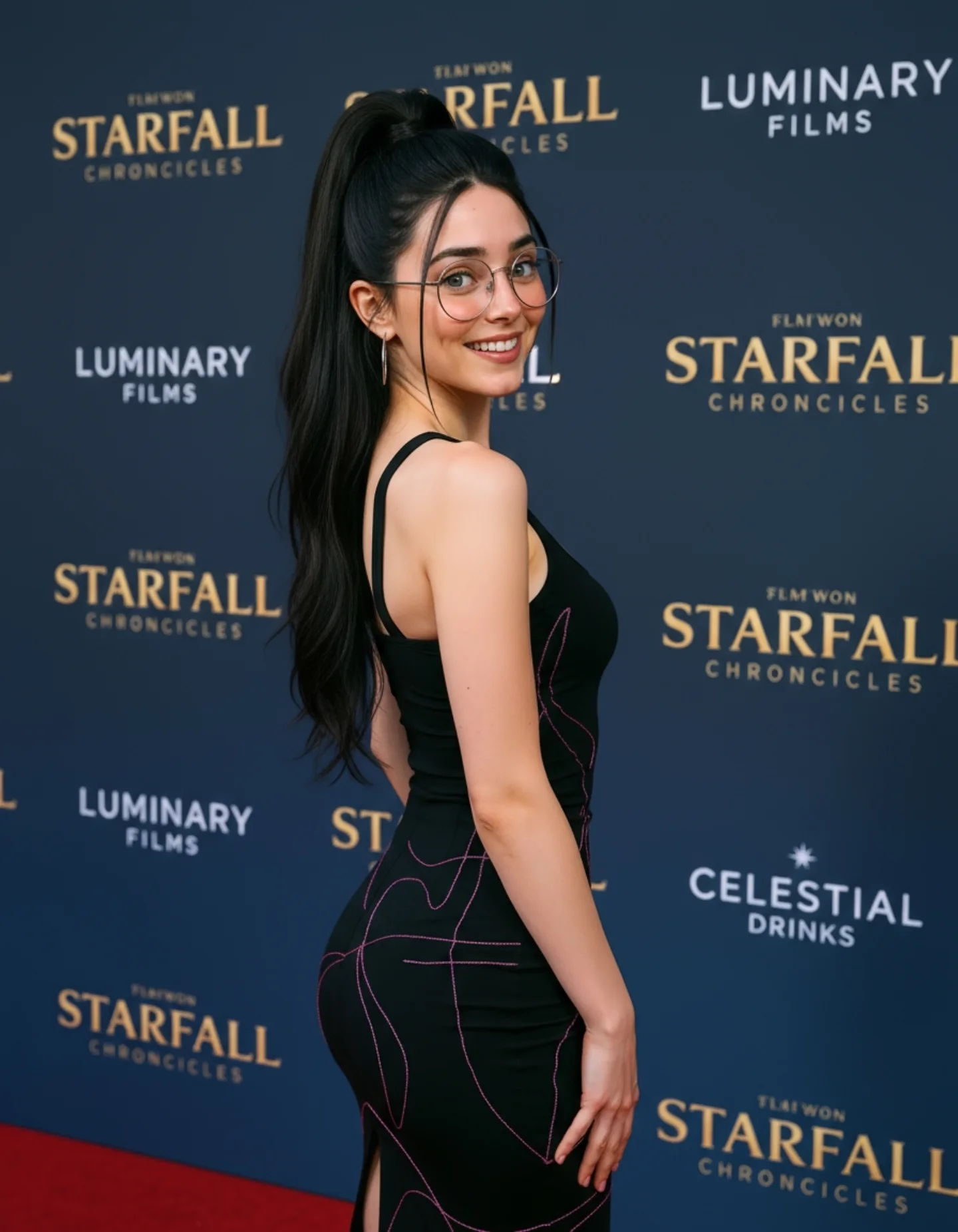
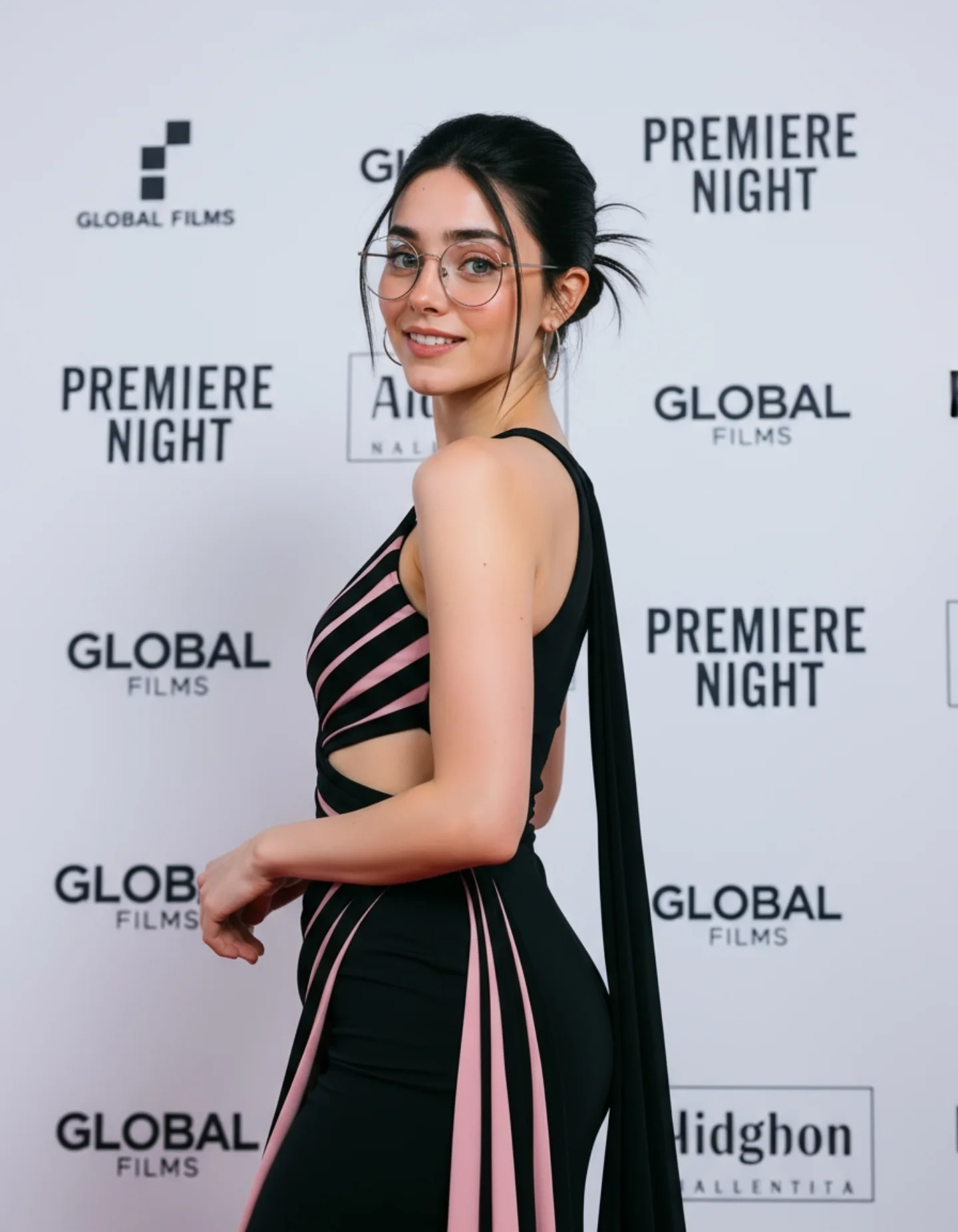
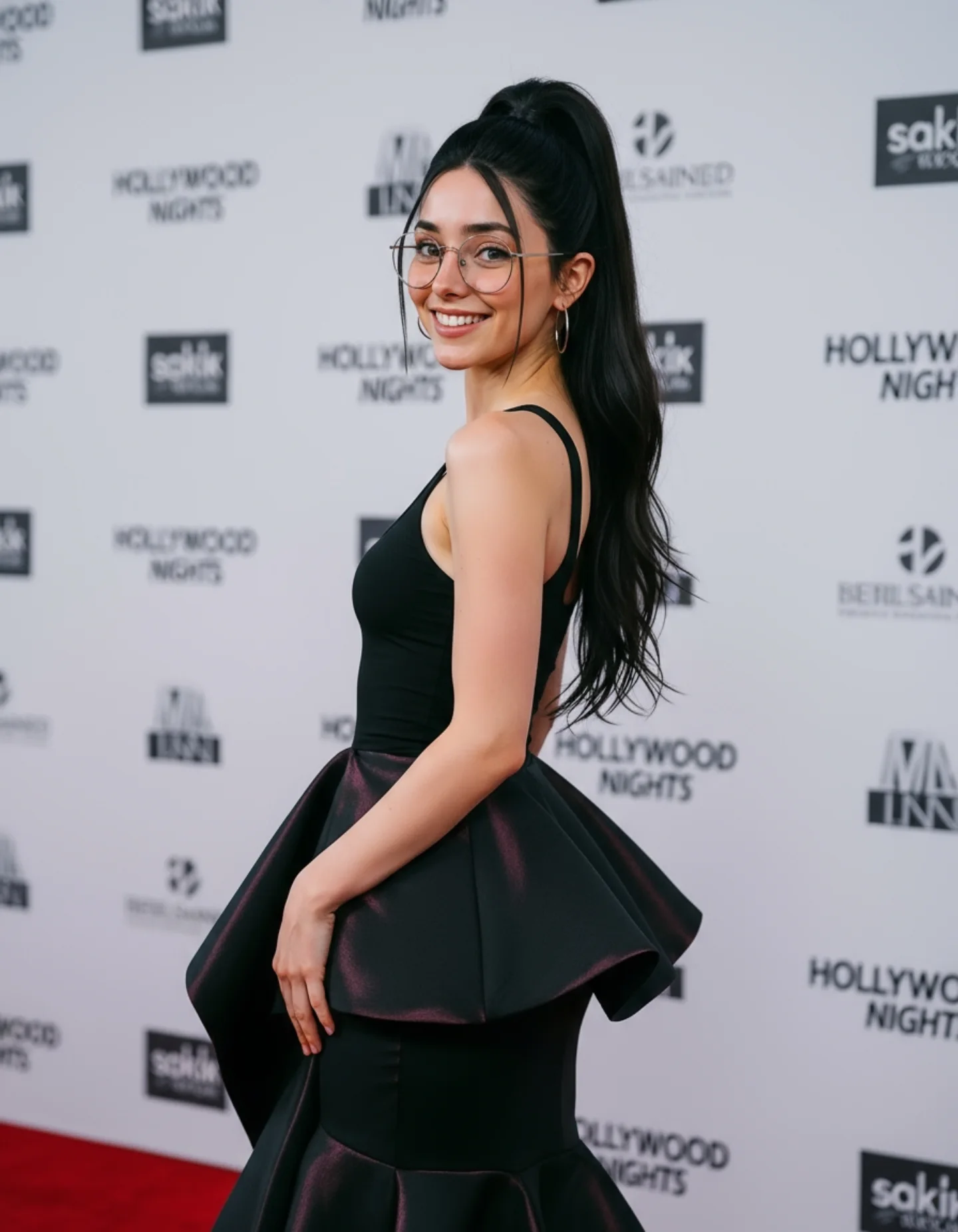
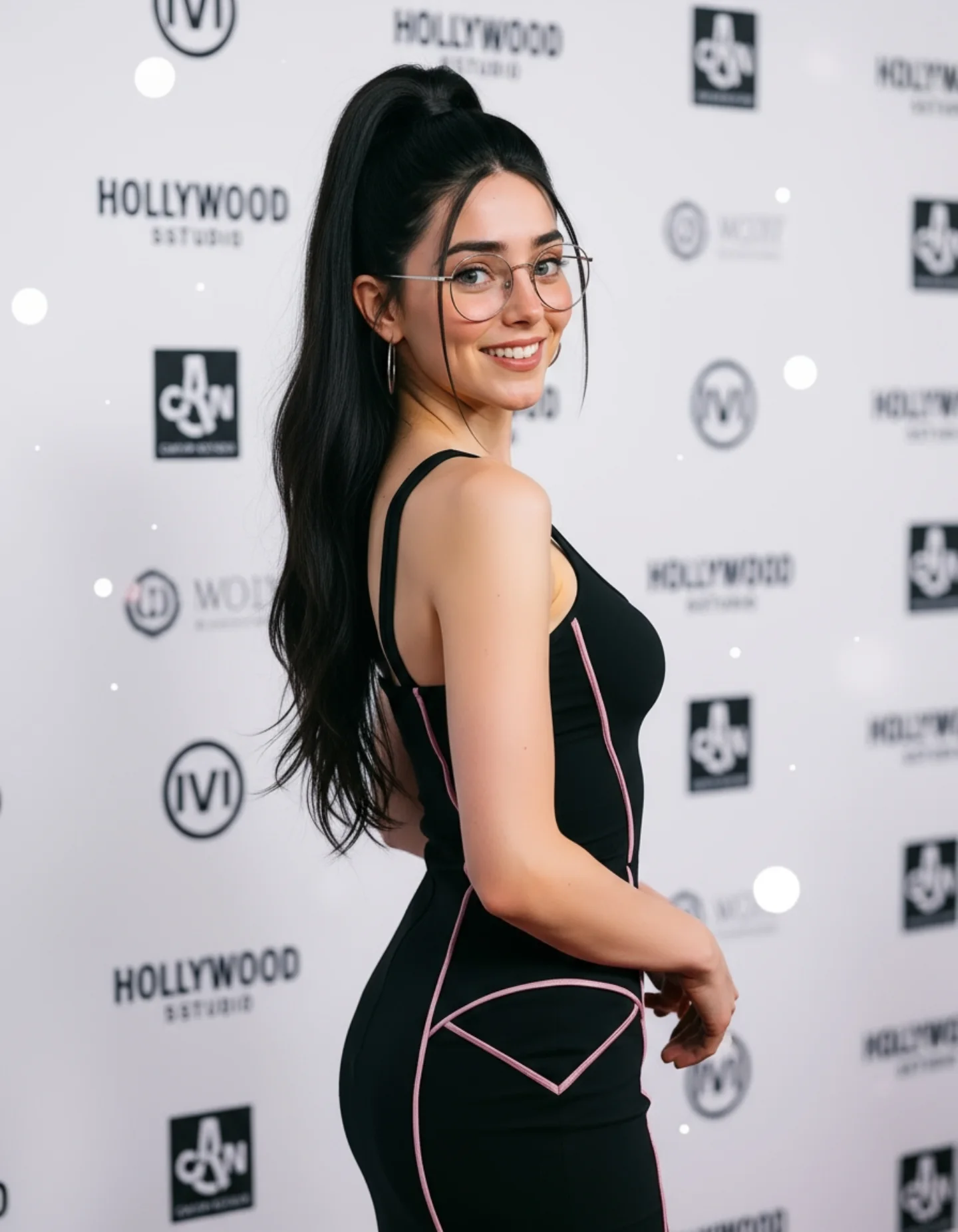
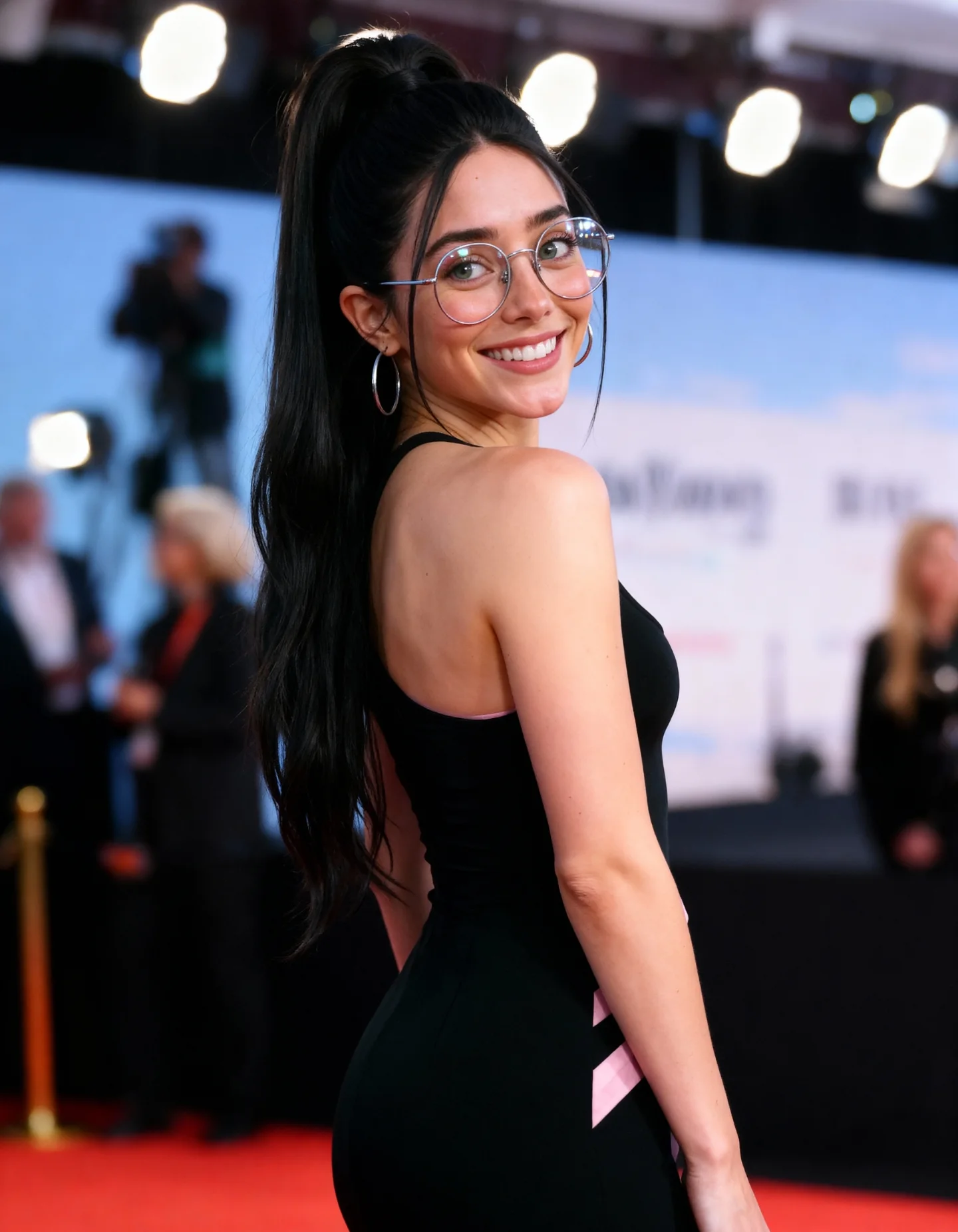
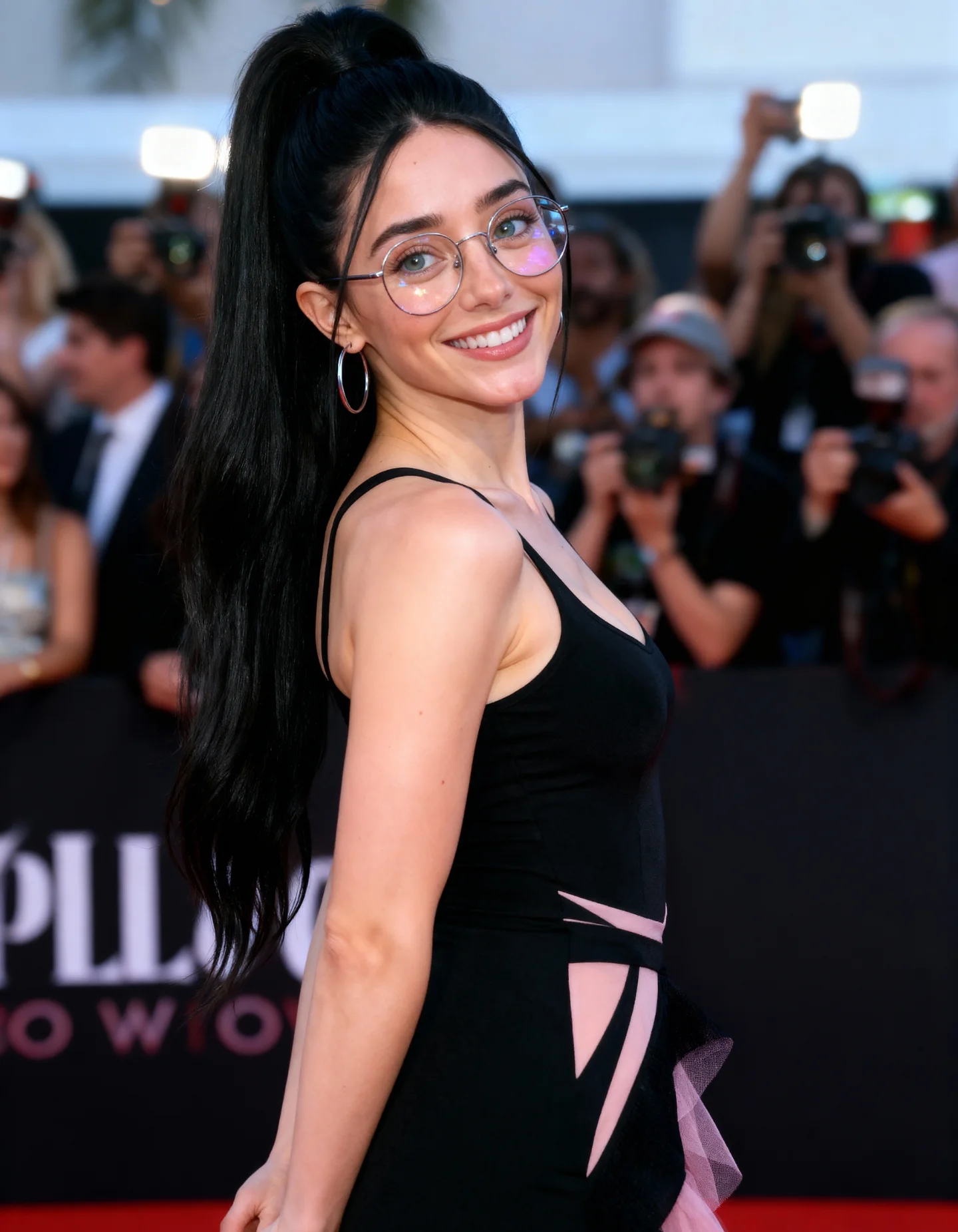
High-end smartphone photo of @soy_aria_cruz elegantly at a Hollywood premiere photocall. She wears a tight, stylish black dress with delicate pink highlights and modern couture design. Her smile is cute and confident, body posture graceful, gazing slightly over her shoulder. Her silver glasses and earrings catch soft reflections from the press lights. Clean background with sponsor logos slightly blurred. The shot is stable, bright, and realistic, with a slight glow from the camera flash
Comenta "ARIA" y te lo paso por DM 💌
Why soy_aria_cruz's Hollywood Photocall Black Dress Over Shoulder Red Carpet Went Viral — and the Formula Behind It
This image works because it captures a very specific kind of glamour: not the biggest pose, not the most dramatic dress, but the familiar confidence of a real photocall turn. The over-the-shoulder glance does most of the heavy lifting. It gives the frame movement, shows the dress shape, keeps the face visible, and instantly reads as “press wall moment.” For creators, that is important. A pose does not need to be original to perform. It needs to be legible in one second.
The event backdrop is doing smart support work too. The sponsor wall is crisp enough to signal premiere culture, but it does not overpower the subject because the palette stays restrained: navy background, gold and white logos, black dress, red carpet edge. That limited palette is a big part of why the image feels expensive. Nothing noisy is competing with the face, glasses, or silhouette.
The dress styling is also very usable from a prompt-writing perspective. It is elegant, body-skimming, and event-appropriate, but not overloaded with embellishment. That means the image can teach creators how to build a high-end premiere look without needing giant gowns, sequins everywhere, or a crowded awards set. The sophistication comes from fit, posture, and clean backdrop logic.
Signal
Evidence (from this image)
Mechanism
Replication Action
Instantly readable event pose
Over-the-shoulder smile with torso turned and face still visible
Communicates “photocall” immediately and flatters both face and outfit
Use one clean red-carpet turn pose instead of inventing complicated gestures
Controlled backdrop branding
Navy sponsor wall with repeated film and drink logos
Places the image inside a public event context without clutter
Keep branding limited to one repeated event wall rather than multiple scene elements
Minimal but sharp styling
Black fitted dress, thin straps, glasses, ponytail, hoop earrings
Lets silhouette and face carry the glamour
Build event prompts around 3 to 4 clear style markers instead of excess decoration
Where this style fits best
Premiere or awards-night prompt pages, because the event grammar is instantly recognizable.
Photocall realism tests, because sponsor walls and eveningwear are easy to compare across models.
Creator-content tutorials about public-facing glamour, because the pose is transferable and safe.
Comment-to-get-prompt social posts, because the image feels aspirational and easy to imitate.
Less ideal: editorial fashion campaigns that need more conceptual styling, paparazzi street moments, or cinematic after-party scenes. This image is about controlled arrival energy, not chaos.
To adapt it, keep the sponsor wall, the over-shoulder pose, and the clean event lighting. Then change the event shell. A music premiere can use a bolder dress. A luxury-brand launch can swap the logos and the carpet color. A festival photocall can keep the same pose but soften the dress into a more playful silhouette. Slot template: {event wall} + {over-shoulder red-carpet turn} + {clean fitted evening look} + {soft press-light reflections}.
Aesthetic read
The strongest thing about this image is how efficiently it balances public and personal signals. Publicly, it reads as a film-event arrival because of the wall, the carpet, and the pose. Personally, it still feels approachable because of the glasses, the relaxed smile, and the lack of exaggerated drama. That combination matters for creator-led content. Too much formal glamour can become distant. A few recognizable personal traits keep the image saveable and relatable.
The silhouette also matters. The ponytail lifts the frame upward, the dress line stays long and narrow, and the turn in the torso gives the image shape without making it busy. This is why the image still feels clean at thumbnail size. It has one strong body line and one strong face cue, which is often enough.
Observed
Why it matters
Over-the-shoulder smile
Combines face visibility with body-line elegance
Dark navy sponsor wall with repeating logos
Establishes event context immediately
Black fitted dress with subtle pink line detail
Adds fashion interest without visual overload
High ponytail and glasses
Give the subject a recognizable personal silhouette
Soft event lighting with mild reflections
Keeps the glamour polished and believable
Prompt technique breakdown
Prompt chunk
What it controls
Swap ideas (EN, 2–3 options)
Hollywood premiere photocall with sponsor wall
Event setting and public-glamour context
film festival press line, luxury launch backdrop, awards-night arrival wall
over-the-shoulder smile, torso turned, face looking back
Lock these three things first: the event wall, the over-shoulder pose, and the fitted evening silhouette. Those are the identity anchors. Then change only one or two variables per run.
Baseline run: keep the exact premiere-photocall setup until the image reads as a believable public event.
Second run: keep the pose but change only the dress material or color to test how styling shifts the luxury feel.
Third run: keep wardrobe and pose fixed but swap the event branding to move from film premiere to fashion launch or music awards.
Fourth run: keep the event logic and change only the camera finish, for example more paparazzi flash or a softer editorial press look.
If the image starts feeling fake, the first thing to correct is usually not the face. It is the event grammar: backdrop spacing, logo repetition, carpet edge, and the naturalness of the turn pose.