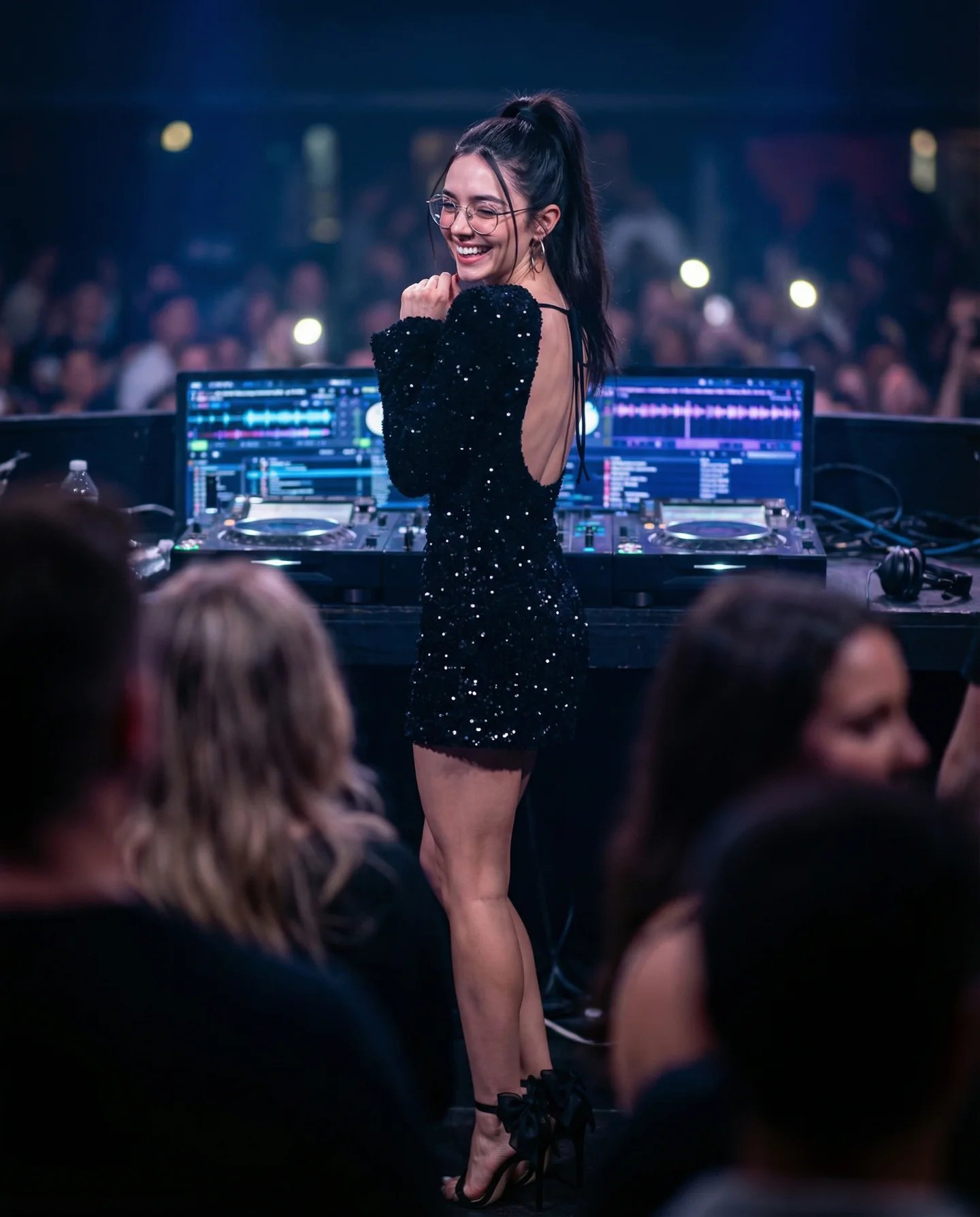
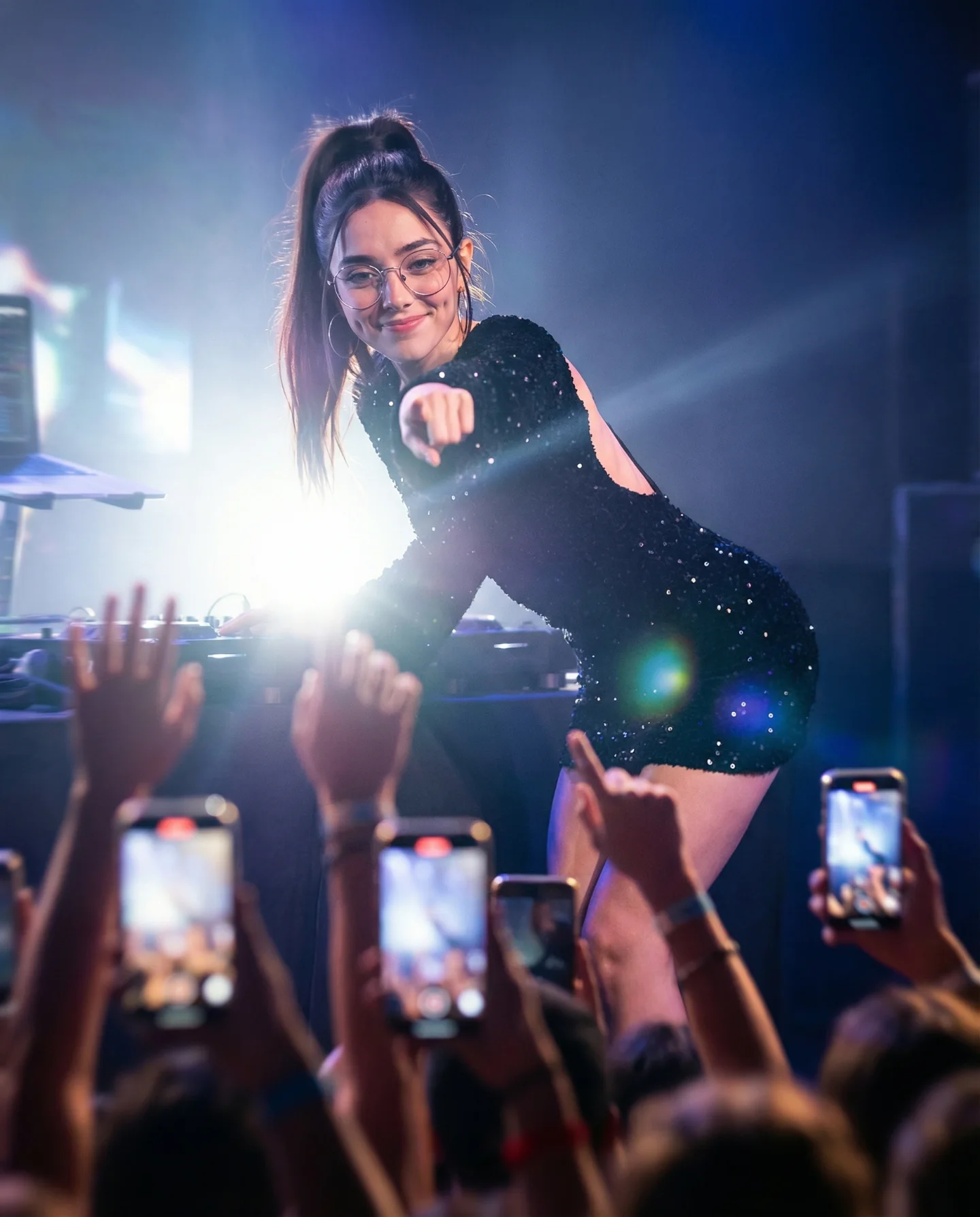
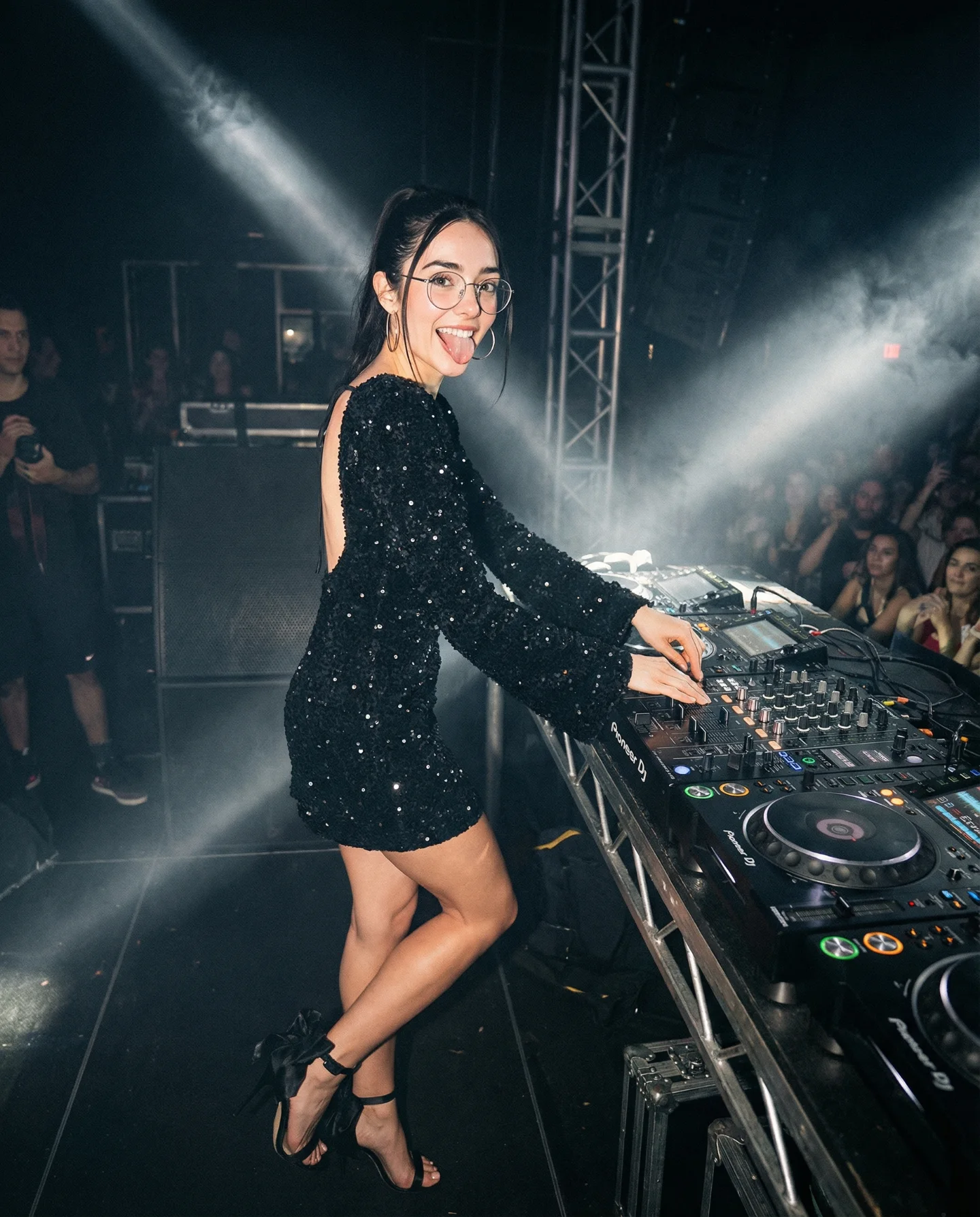
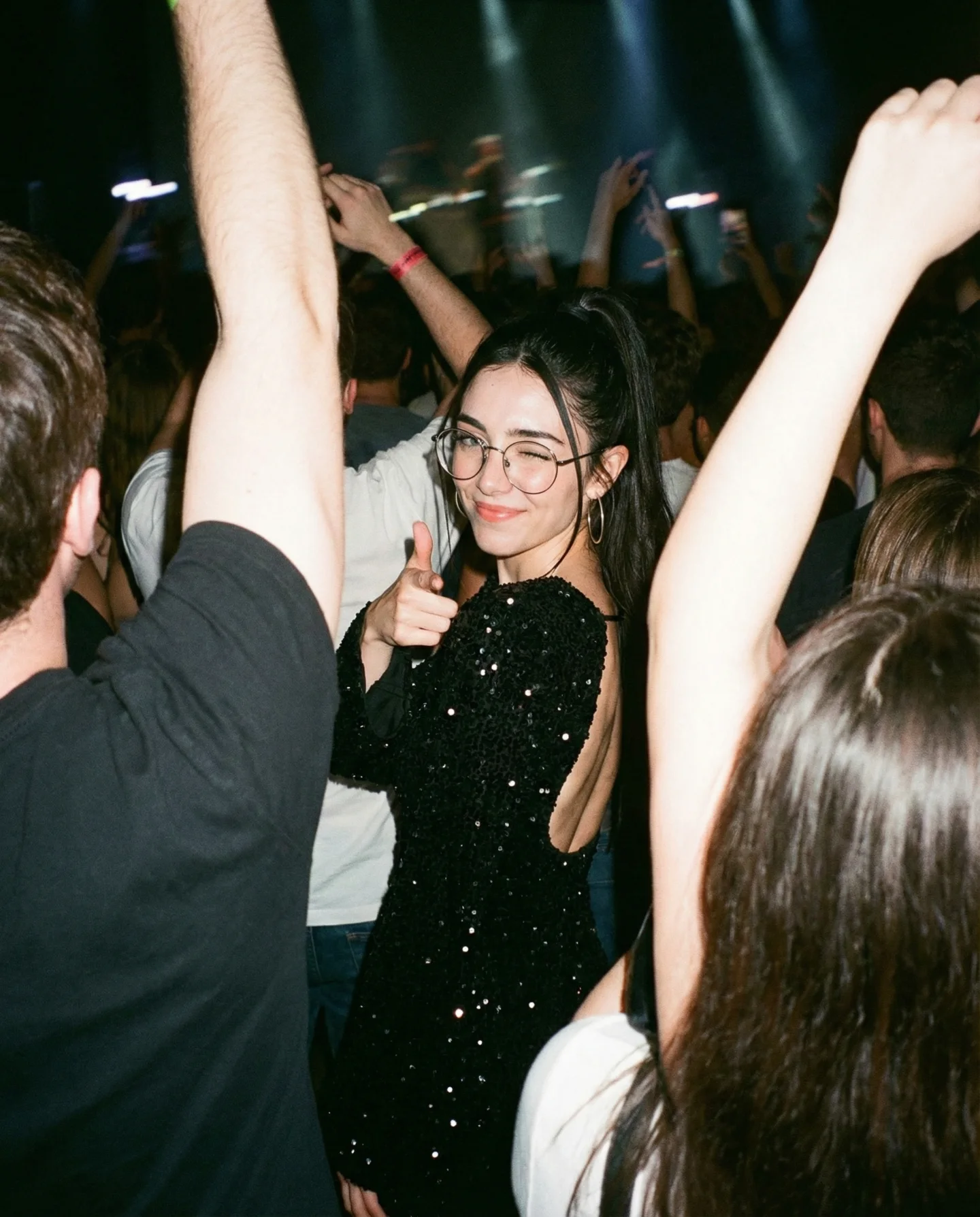
How soy_aria_cruz Made This New Year Taxi Backseat Photo — and How to Recreate It
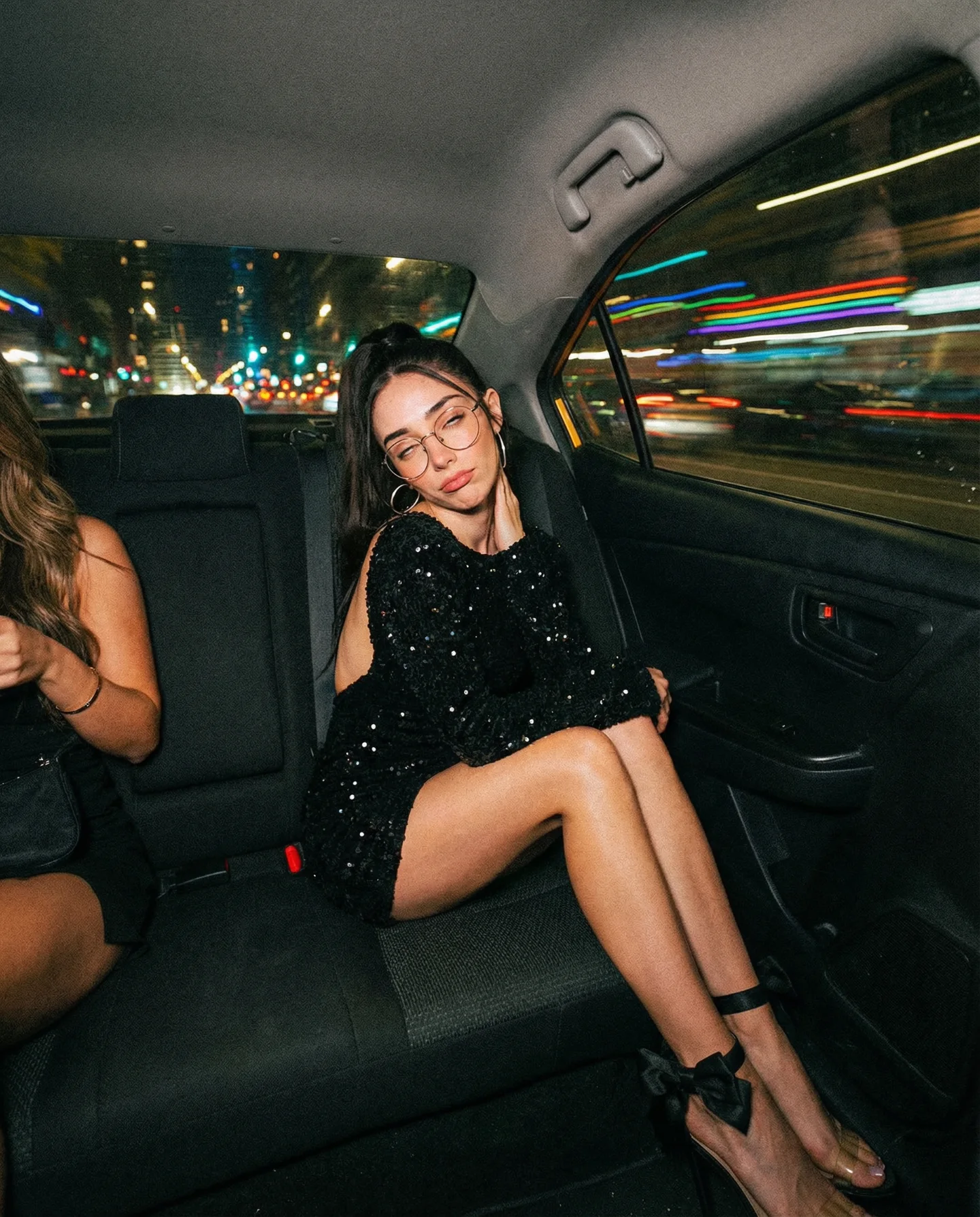
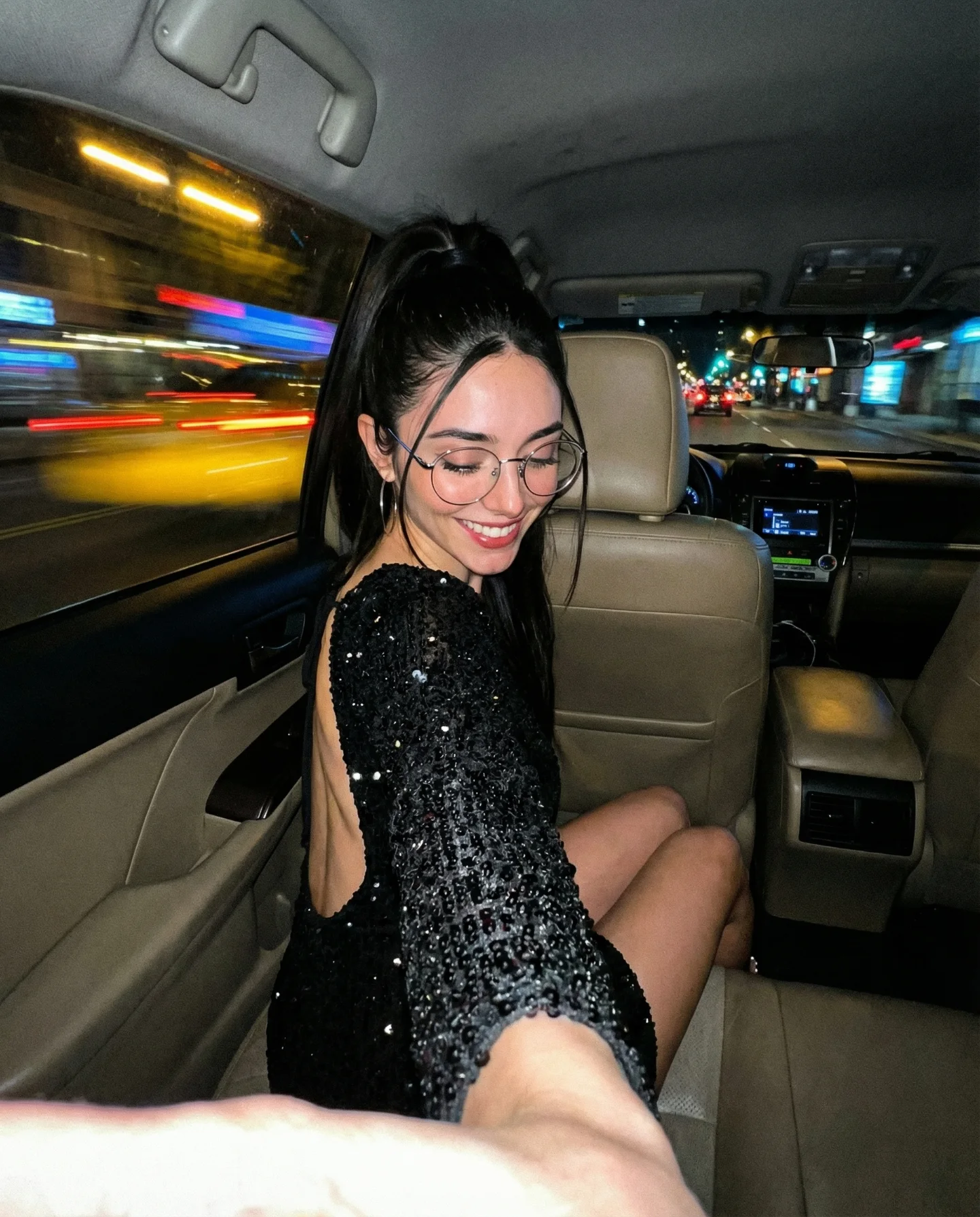
This image works because it captures the off-duty part of celebration rather than the obvious part. There are no countdown clocks, party tables, or event decorations. Instead, the frame lives in the afterglow: the back seat of a moving car, a sequined dress, city lights dragging across the windows, and a mood that feels half tired, half glamorous. That is a much more interesting emotional register than generic party imagery.
The second reason it performs is that the image feels unplanned in the right way. The pose is stylish, but not excessively polished. The flash is direct, the car is ordinary, and the city blur outside makes the whole thing feel like a real transition between moments. Social images often perform better when they suggest a night that is actually being lived instead of a scene that has been overdesigned for the camera.
Why This Nightlife Transit Image Feels Current
The strongest hook is the contrast between stillness and motion. The subject is frozen sharply by flash, but the world outside is rushing by in neon streaks. That gives the image energy without requiring action from the person herself. It turns a seated backseat portrait into a living city moment.
The second strong element is the dress. The sequins tell the viewer immediately that this is not just any ride. Something happened before this frame and will probably happen after it. That implied before-and-after story is one reason nightlife transit images hold attention. They make the viewer imagine the larger evening.
| Signal | Evidence (from this image) | Mechanism | Replication Action |
|---|
| After-party implication | The sequined dress appears inside an ordinary moving car instead of a venue. | Viewers infer a broader social night without needing explicit party props. | Use occasion-coded wardrobe in an in-between environment. |
| Motion-versus-stillness contrast | The flash freezes the subject while exterior lights streak by. | Energy comes from the environment, so the pose can remain relaxed. | Lock sharp flash exposure on the subject and blur only the world outside. |
| Casual glamour | The styling is elevated, but the car interior remains plain and real. | Grounded settings make glam wardrobe feel more relatable and usable. | Pair one glamorous element with an everyday context. |
| Emotional in-betweenness | The expression is more introspective and playful than celebratory. | The image gains narrative depth by avoiding obvious high-energy performance. | Use a quieter nightlife expression instead of a full smile or party scream. |
Best Use Cases and Transfers
This format is ideal for New Year’s Eve prompt pages, after-party aesthetics, city-night transit mood boards, and creator content that wants nightlife energy without nightclub cliché. It also transfers well to concert rides, fashion-week car moments, wedding-afterparty transit, and “night still in progress” scenes more broadly.
- Best for nightlife transition content: the frame suggests movement through the night rather than one fixed event.
- Best for elegant urban prompts: the city blur and flash create instant metropolitan energy.
- Best for creator-led celebration imagery: the subject stays central while the environment adds context.
- Best for SEO around party-night visuals: the image is specific but flexible enough to teach from.
It is less effective for luxury chauffeur fantasy, sentimental New Year family posts, or explicit club photography. The value here is the intimate ride shot and the feeling of a night in motion, not the event destination itself.
- Not ideal for formal glamour editorials: the candid flash and ordinary car are essential.
- Not ideal for maximal party scenes: the image gains elegance by staying pared down.
- Not ideal for solo portrait minimalism: the outside light streaks and cabin context are part of the storytelling.
Three Transfer Recipes
- After-party backseat portrait. Keep: dressy subject, ordinary car, and colorful motion outside. Change: outfit texture and city density. Slot template (EN):
{dressed-up subject} relaxing in the back seat of {moving city car} with {flash-lit interior} and {nightlight streaks outside} - Urban transition glamour. Keep: candid flash and in-between mood. Change: event type and pose. Slot template (EN):
{special-occasion look} captured during {night transit moment} with {suggestive not explicit celebration energy} - Quiet nightlife snapshot. Keep: subdued expression, compact interior, and motion-blurred city. Change: angle and companion visibility. Slot template (EN):
{one main subject} inside {small moving vehicle} during {late-night city ride} with {low-key glam styling}
Aesthetic Read
The image feels strong because the black sequins absorb and reflect flash at the same time. That gives the dress texture without turning it into a blown-out highlight mess. Against the dark car seat and bright window streaks, the outfit sits in a very effective middle zone.
The pose also matters. The subject is not sitting upright like a portrait subject. She is folded into the seat a little, which makes the image feel like a real body inhabiting a real ride. That kind of physical informality is often what saves nightlife images from looking too posed.
| Observed | Why it matters for recreation |
|---|
| Black sequined dress in a dark car cabin | The outfit reads as elevated while still fitting the low-light environment. |
| Neon light trails outside both rear and side windows | The city feels active and in motion without the need for extra narrative props. |
| Direct flash on skin, dress, and upholstery | The image gains the authentic party-night snapshot language it needs. |
| Tucked seated pose with bent legs across the seat | The body language feels candid, human, and intimate. |
| Possible cropped companion at the edge | A partial second presence hints at shared nightlife without distracting from the main subject. |
Prompt Technique Breakdown
To recreate this image well, begin with “woman in sequined dress in a moving car at night” instead of “party girl.” The car and the motion are the real differentiators here. Then add the tucked pose, the flash, and the colored street streaks. The subject’s quieter expression is also important; the image is nightlife, but not chaos.
| Prompt chunk | What it controls | Swap ideas (EN, 2-3 options) |
|---|
| young woman in the back seat of a moving car at night | The scene logic and transit setting | night taxi portrait; after-party ride shot; urban backseat snapshot |
| black sequined evening mini dress and heeled sandals | The celebration-coded wardrobe | party-night outfit; glamorous transit styling; special-occasion texture |
| round glasses, high ponytail, relaxed pouty expression | The identity markers and emotional tone | quiet nightlife mood; creator-specific face cues; subdued glam portrait |
| direct flash with colorful city-light streaks outside | The core visual language and energy | moving-city blur; nightlife flash realism; candid urban motion contrast |
| dark fabric car interior with visible seat and side door | The grounded setting detail | ordinary taxi cabin; compact sedan backseat; real transit environment |
| optional tiny cropped companion at the edge | Adds social context without weakening single-subject focus | shared night hint; partial friend presence; peripheral nightlife company |
Remix Steps
Baseline lock the moving-car environment, direct flash, and sequined dress first. Those are the image skeleton. Then solve the tucked pose and expression. Only after that should you tune the color streaks and any tiny secondary figure.
- Run 1: establish the woman seated in the back seat of a moving car at night with strong flash and city-light streaks outside.
- Run 2: correct the black sequined dress, heels, glasses, ponytail, and relaxed nightlife expression.
- Run 3: refine the tucked seated pose and the visual angle so the frame feels candid and intimate rather than staged.
- Run 4: add upholstery texture, dashboard hints, and multicolored exterior blur while keeping the cabin believable.
Keep the one-change rule strict. If the image stops feeling like a moving car, fix the outside blur and interior first. If it becomes too glamorous and loses candidness, strengthen the flash and the seat posture before refining anything else. This image works because it sits between elegance and ordinary life.