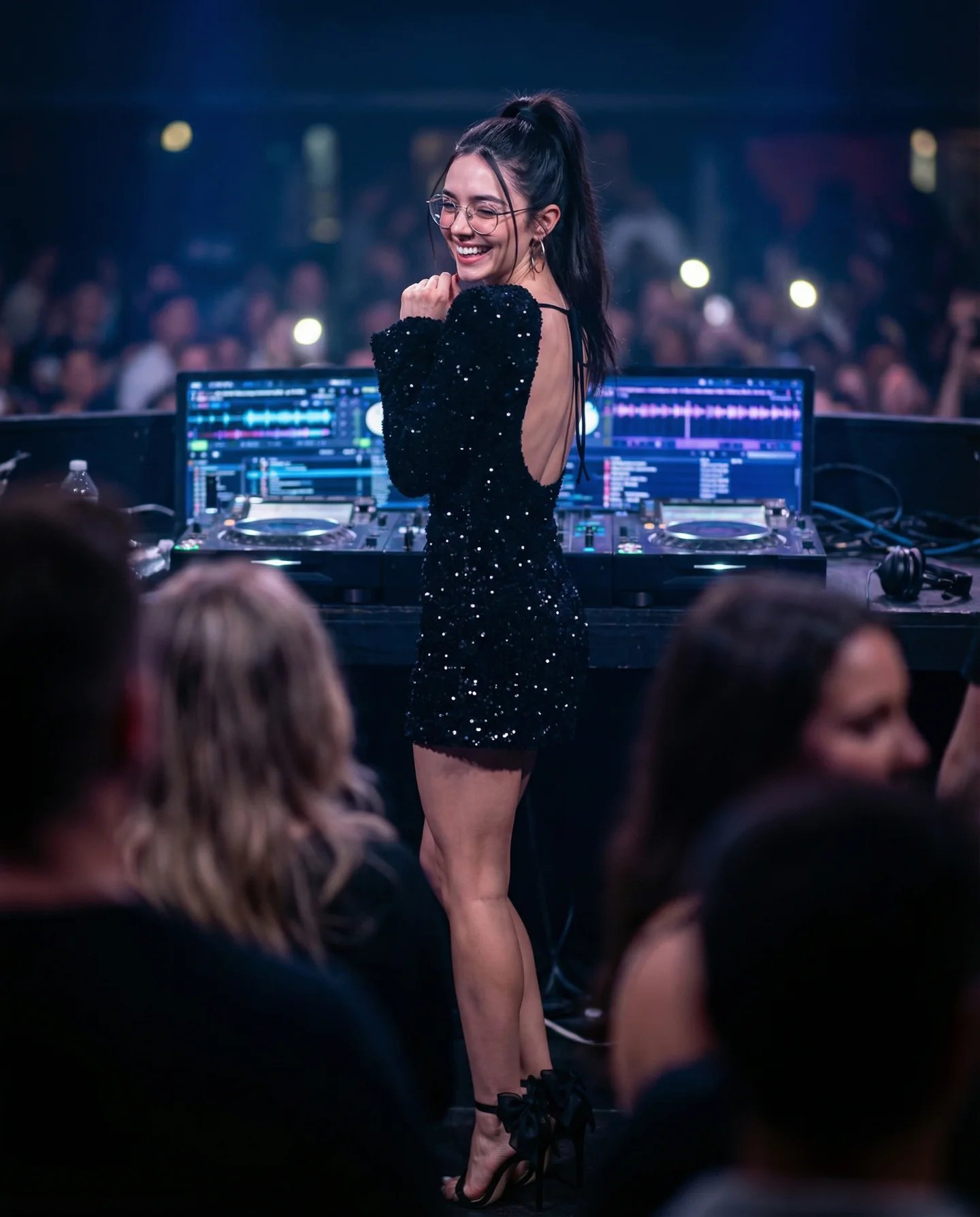
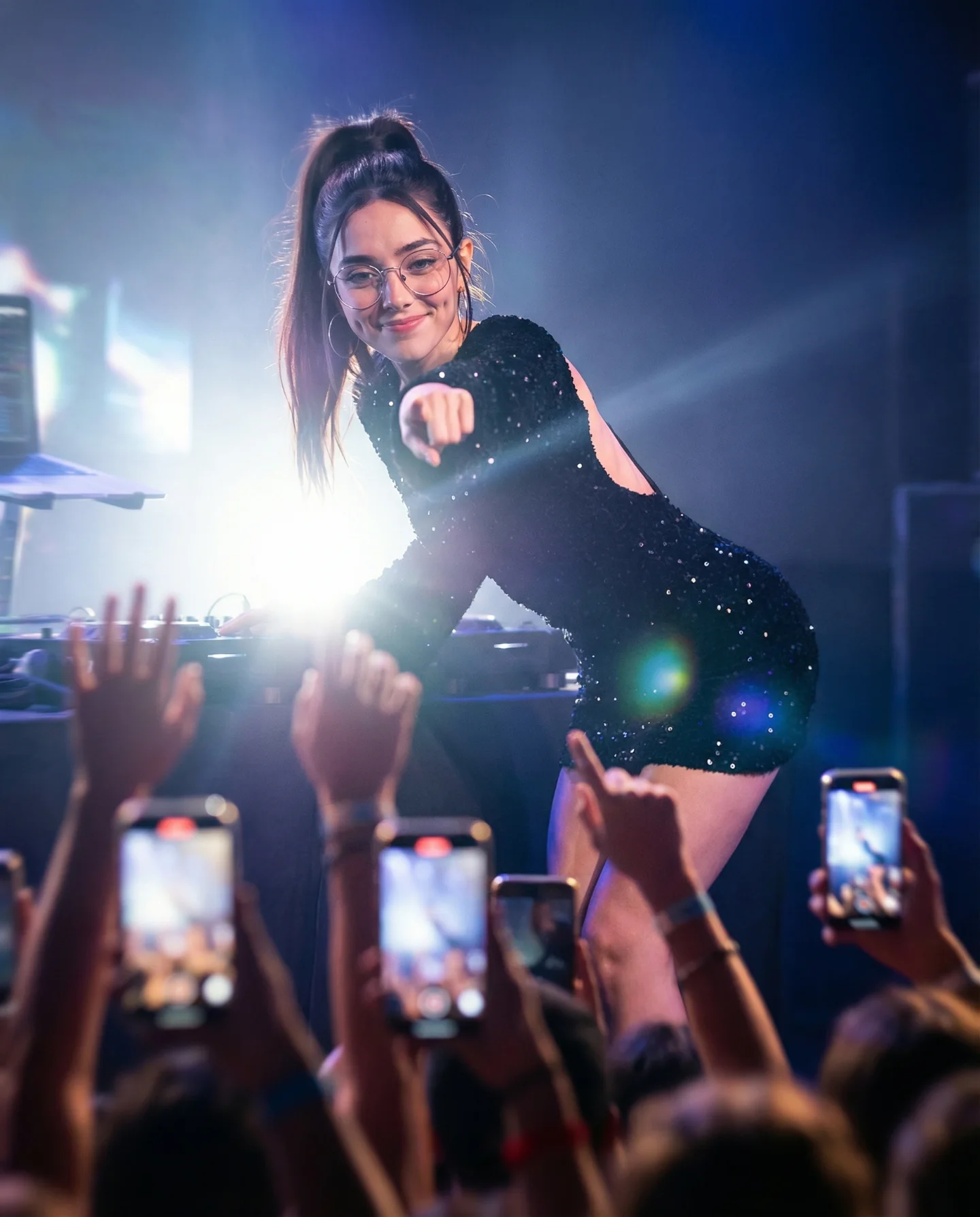
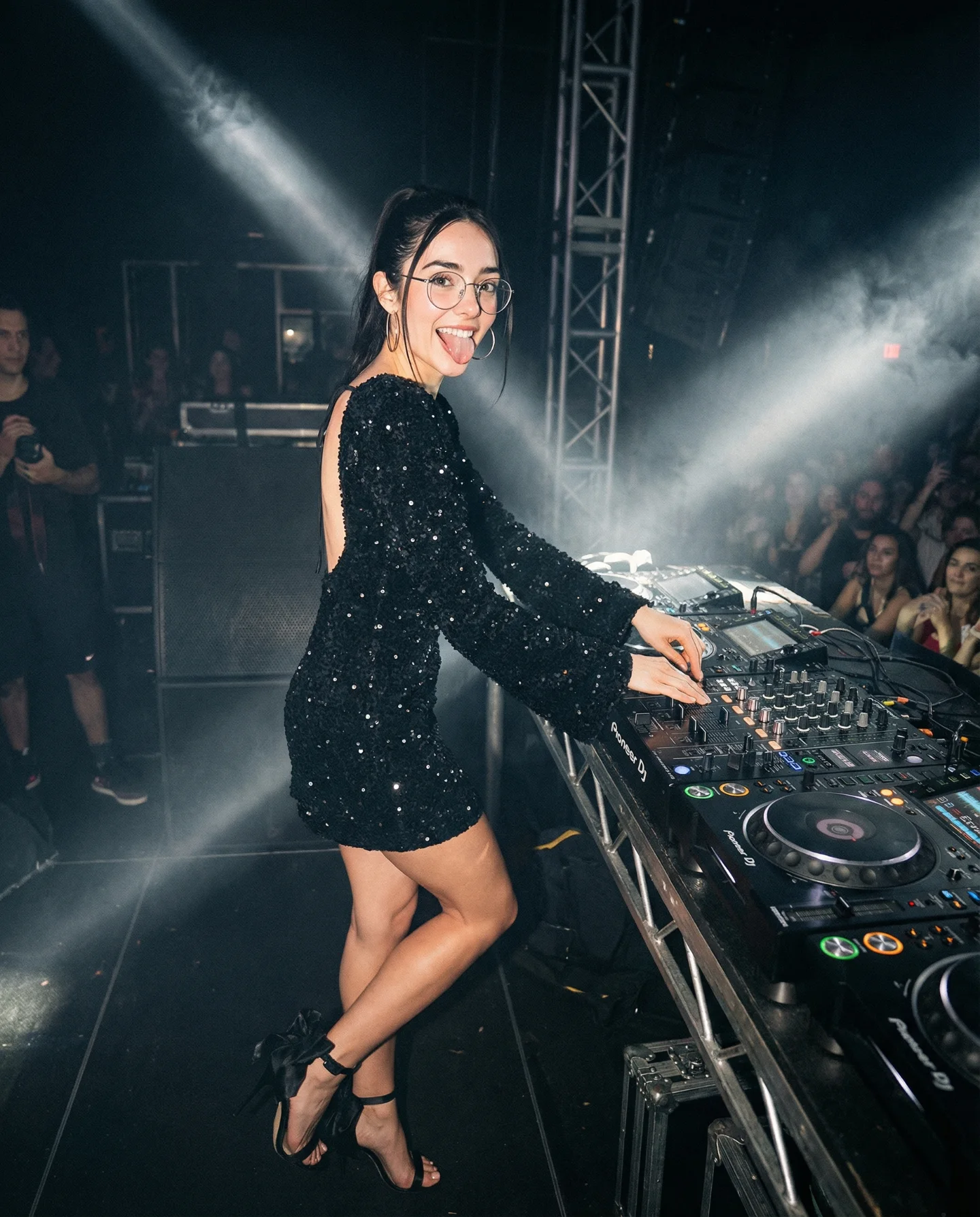
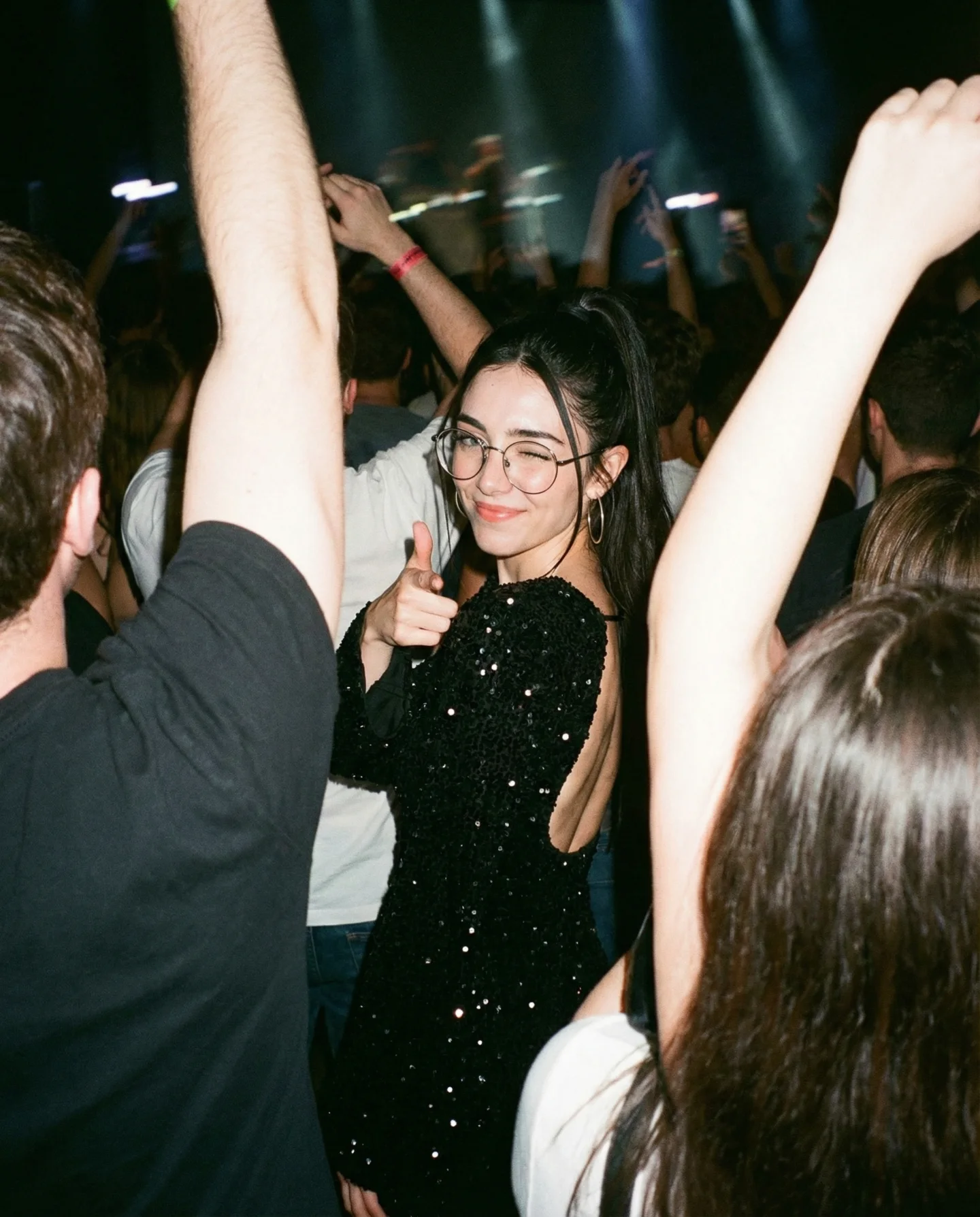
How soy_aria_cruz Made This City Window Night Portrait AI Portrait - and How to Recreate It
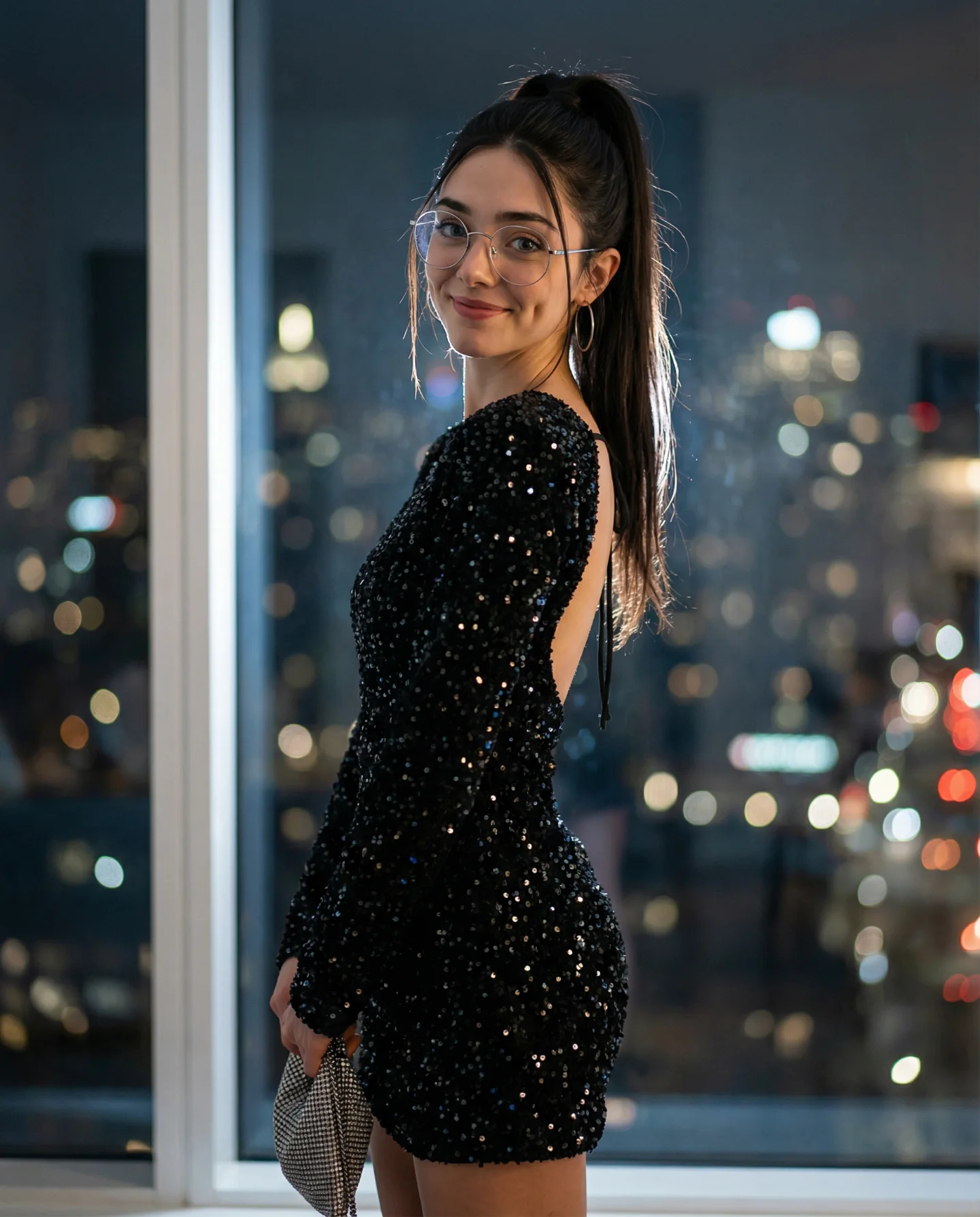
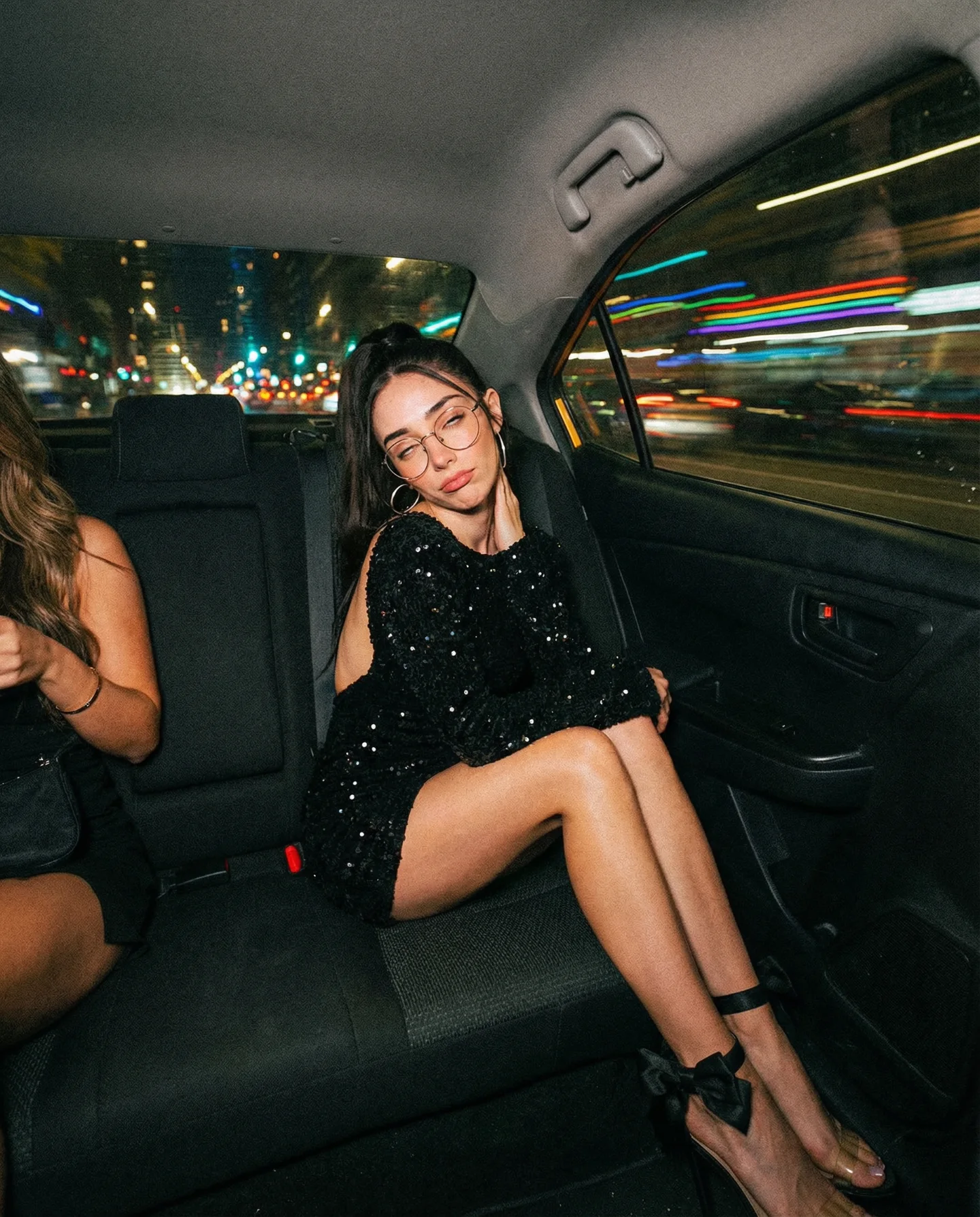
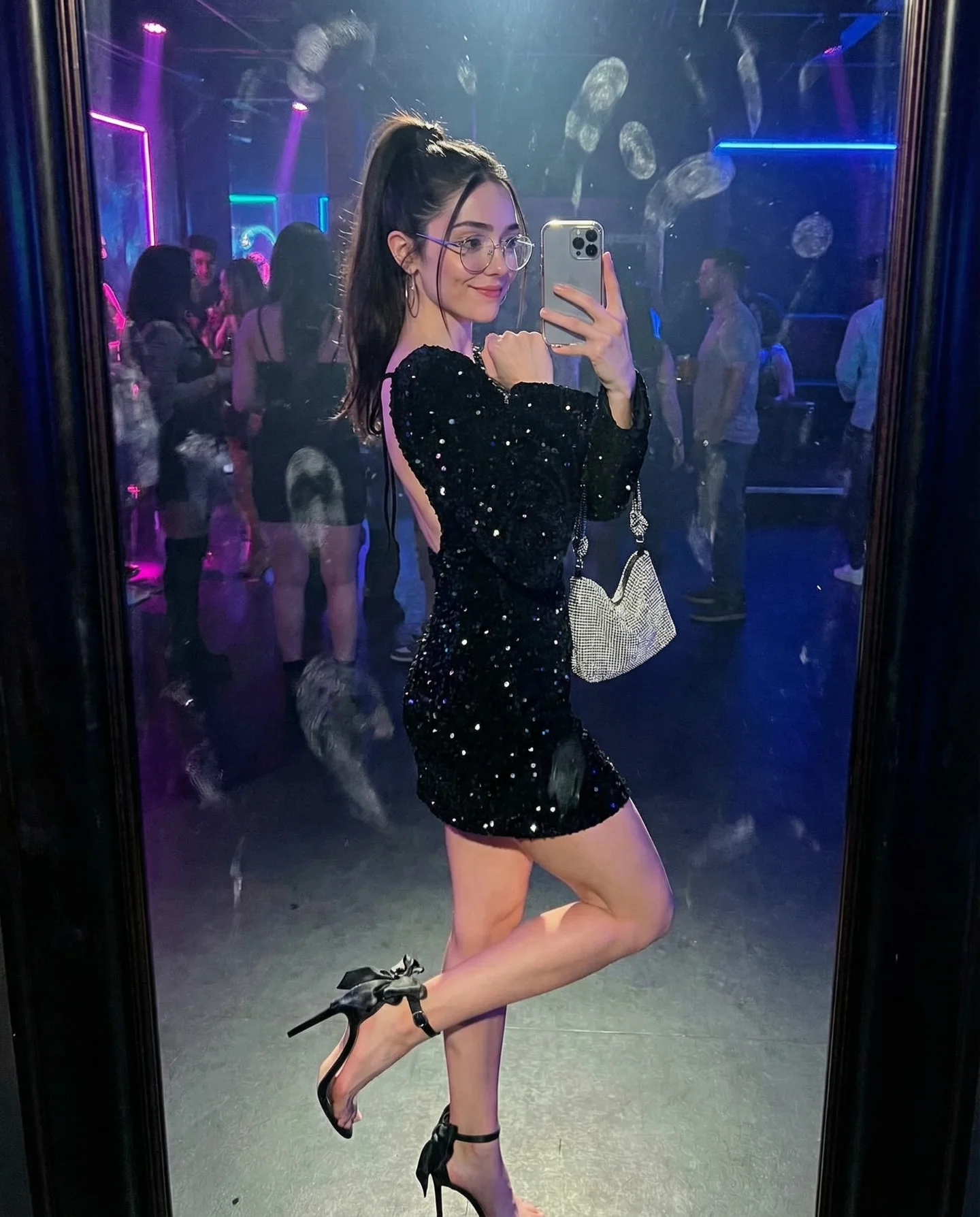
This image works because it chooses restraint over spectacle. The dress is highly reflective, the skyline is glamorous, and the styling is clearly occasion-driven, but nothing in the frame is noisy. One woman, one window, one bag, one strong silhouette. That level of control is exactly why this type of image performs well for creators who want luxury without looking overproduced. It feels aspirational and personal at the same time.
The other thing that makes it sticky is the mood split. The sequins suggest nightlife and social visibility, while the expression and pose feel gentle, almost private. That contrast gives the viewer more to hold onto than a basic fashion pose. It feels like an in-between moment, not a performance for the camera. In social feeds, that often wins because it looks polished but still emotionally reachable.
Why This Kind of Portrait Gets Saved
What really drives the image is the balance between sparkle and calm. The background gives you city status and evening atmosphere, but the shallow depth of field keeps the environment from overpowering the subject. The dress does the luxury work. The glasses and ponytail make the look feel current and specific. Even the silver bag is doing a precise job: it echoes the shine without competing with the dress.
This is also a useful reminder that glamour does not always need motion, crowds, or obvious event context. A single clean pose can travel well if the silhouette is readable and the background reinforces the fantasy. Here, the window view tells the story of place and aspiration, while the subject stays approachable. That combination is highly reusable for creators in fashion, dating, nightlife, and soft luxury niches.
| Signal | Evidence (from this image) | Mechanism | Replication Action |
|---|
| Quiet luxury framing | Minimal interior, clean window lines, no distracting props | Simple composition increases perceived polish and keeps attention on styling | Remove clutter and let one architectural element anchor the shot |
| Texture-led glamour | The sequined black dress catches small highlight points across the body | Reflective texture creates premium value without needing many accessories | Choose one main shimmer surface and keep the rest of the outfit restrained |
| Aspirational backdrop | Soft nighttime city lights fill the background through the glass | Skyline bokeh signals status, mood, and place in a single layer | Use window-view bokeh or distant practical lights instead of busy decor |
| Human warmth | Gentle smile, dimples, and over-the-shoulder eye contact | Soft expression prevents the luxury styling from becoming cold or untouchable | Prompt a relaxed micro-smile and direct eye contact rather than a hard editorial stare |
Where This Visual Language Fits Best
- Date-night or nightlife styling content: the city-at-night backdrop supports a dressed-up look without needing a full event scene.
- Influencer portrait posts: the frame feels intimate enough for personal branding while still delivering luxury cues.
- Fashion e-commerce editorials for occasionwear: easy to adapt by changing the dress texture, sleeve shape, or accessories.
- Hotel and travel luxury content: a suite window or skyline room can carry the same aspirational mood with minimal set dressing.
This setup is less ideal for energetic product campaigns, casual daytime clothing, or heavily narrative scenes that need multiple props. The strength here is simplicity and silhouette. Once the frame gets crowded, the elegance starts to dissolve.
Transfer recipe one: Keep the window-side composition, shallow bokeh, and soft glamour lighting. Change the wardrobe to satin, the bag to a champagne glass, and the mood to celebration. Slot template: {luxury interior} {evening look} {small accessory} {soft confidence}.
Transfer recipe two: Keep the over-the-shoulder pose and narrow palette. Change the city to a beach resort at dusk and swap sequins for silk or metallic knit. Slot template: {scenic window view} {occasion outfit} {accent accessory} {elevated calm}.
Transfer recipe three: Keep the clean architecture and high ponytail silhouette. Change the styling to a blazer dress or tailored jumpsuit and push the energy toward business-luxury confidence. Slot template: {modern interior} {structured wardrobe} {minimal prop} {power-glam mood}.
What Makes the Aesthetic Feel Expensive
The image is built on discipline. Black dominates the wardrobe, silver is used as a controlled accent, and the background is softened into abstract light rather than literal city detail. That means the subject stays iconic instead of documentary. The profile angle also matters. It shapes the body line, exposes the open back, and gives the skyline room to breathe.
The styling choices are specific enough to feel authored. Glasses, hoop earrings, a high ponytail, and the small clutch make the look legible at a glance. Nothing is random. For creators trying to reproduce this mood, that is the real takeaway: expensive-looking content often comes from limiting the visual vocabulary, not adding more elements.
| Observed | Recreate |
|---|
| One subject against a window with blurred skyline lights | Use a single clean architectural backdrop and push the city into soft focus |
| Body-contouring side pose with head turned back | Prompt a profile silhouette first, then bring the face back toward camera for warmth |
| Black sparkle material with one silver accessory | Anchor the look in dark fabric and repeat shine once through a bag or jewelry accent |
| Soft indoor key light rather than hard nightlife flash | Keep the face flattering and elegant, then let the sequins and skyline provide the excitement |
Prompt Technique Breakdown
| Prompt chunk | What it controls | Swap ideas (EN, 2–3 options) |
|---|
| young woman in a black sequined long-sleeve mini dress | Core wardrobe identity and luxury texture | metallic knit dress; black satin slip dress; crystal corset mini |
| standing by a floor-to-ceiling city window at night | Backdrop mood and aspirational setting | hotel suite window; penthouse balcony doors; rooftop lounge glass wall |
| high ponytail, eyeglasses, hoop earrings | Character specificity and modern styling | slick bun and drop earrings; loose waves and no glasses; half-up hairstyle and statement studs |
| soft smile with head turned toward camera | Emotional warmth and approachability | calm neutral expression; confident smirk; distant reflective gaze |
| silver clutch in lowered hand | Accessory balance and texture echo | champagne coupe; metallic phone case; jeweled mini bag |
| shallow depth of field with large city bokeh | Luxury atmosphere and background simplification | smaller sharper skyline lights; warmer golden bokeh; cool blue city blur |
How to Iterate Without Losing the Mood
Lock three things first: silhouette, window backdrop, and softness of light. Those are the foundation. If you start swapping all three at once, the image loses its quiet-luxury character and becomes a generic occasionwear portrait.
- Begin with the exact structure: side-profile body line, city window, sequined black dress, and shallow bokeh.
- Change only the accessory layer, testing a clutch, champagne glass, or statement jewelry while leaving the pose untouched.
- Change only the wardrobe texture, comparing sequins, satin, metallic knit, or velvet against the same skyline setup.
- Change only the emotional tone, moving from soft smile to detached confidence or a more dramatic editorial stare.
The repeatable lesson is simple: when the backdrop already signals aspiration, you do not need a complicated set. You need one strong silhouette, one controlled sparkle texture, and a face that still feels human.