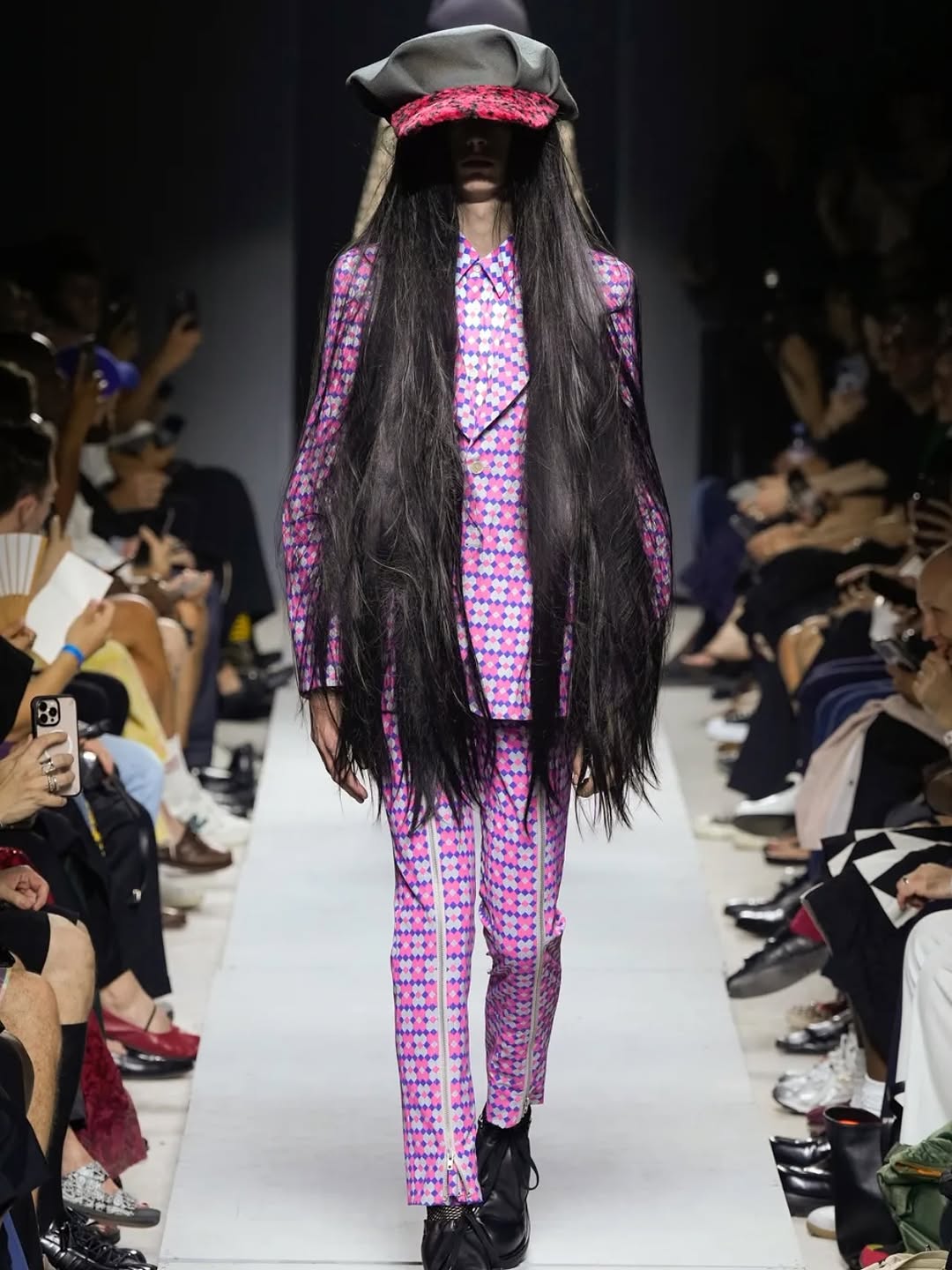
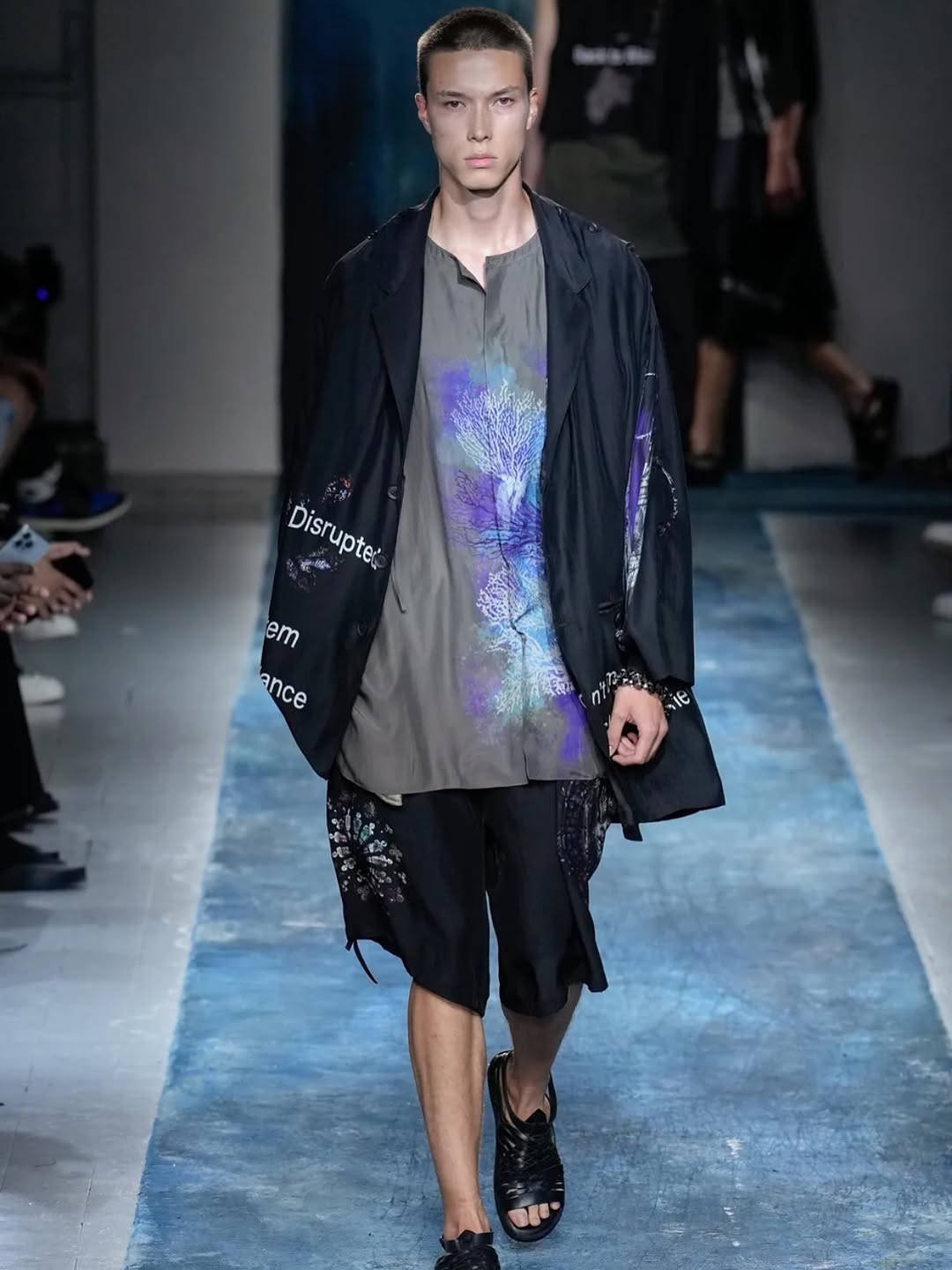
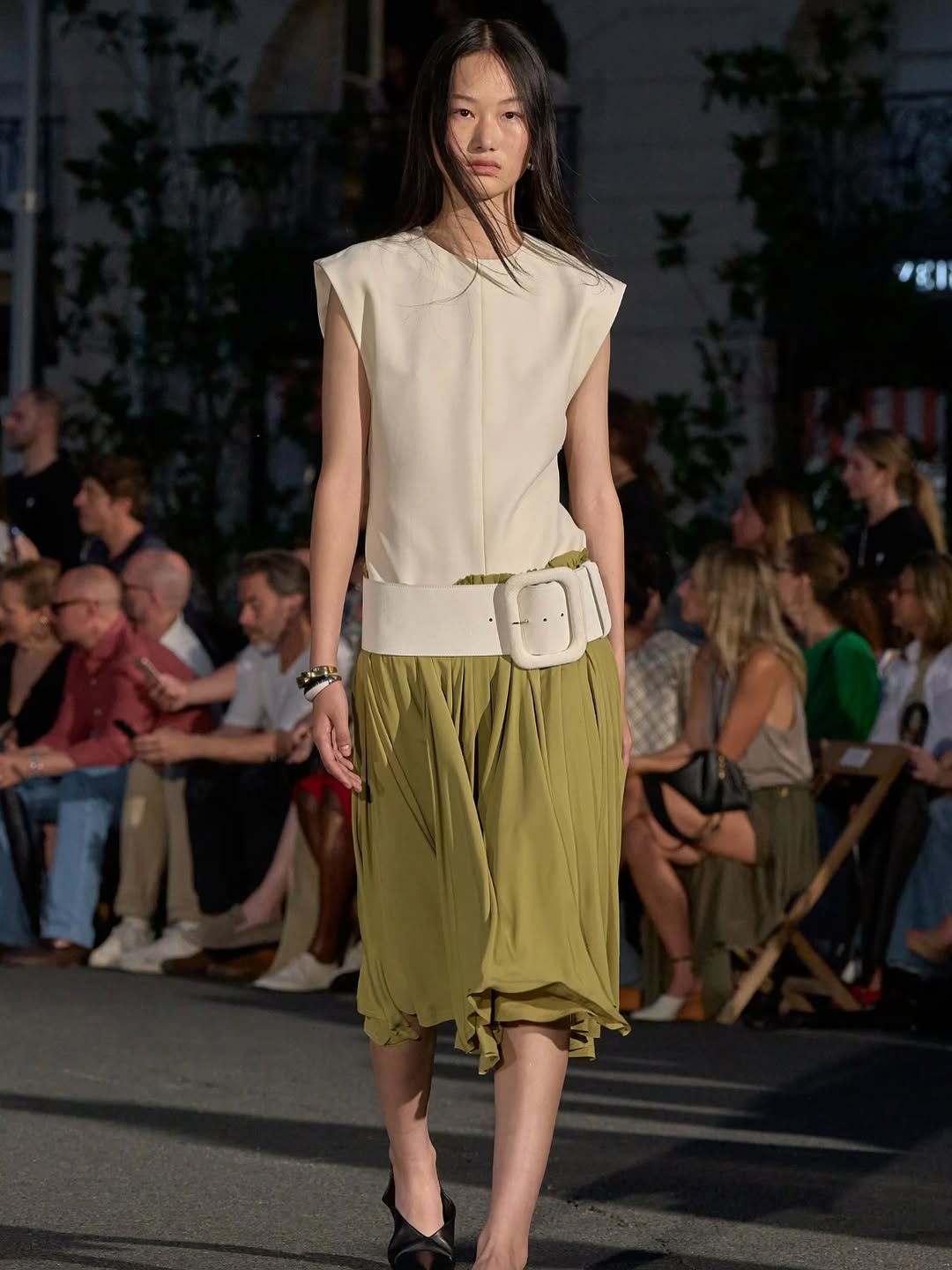
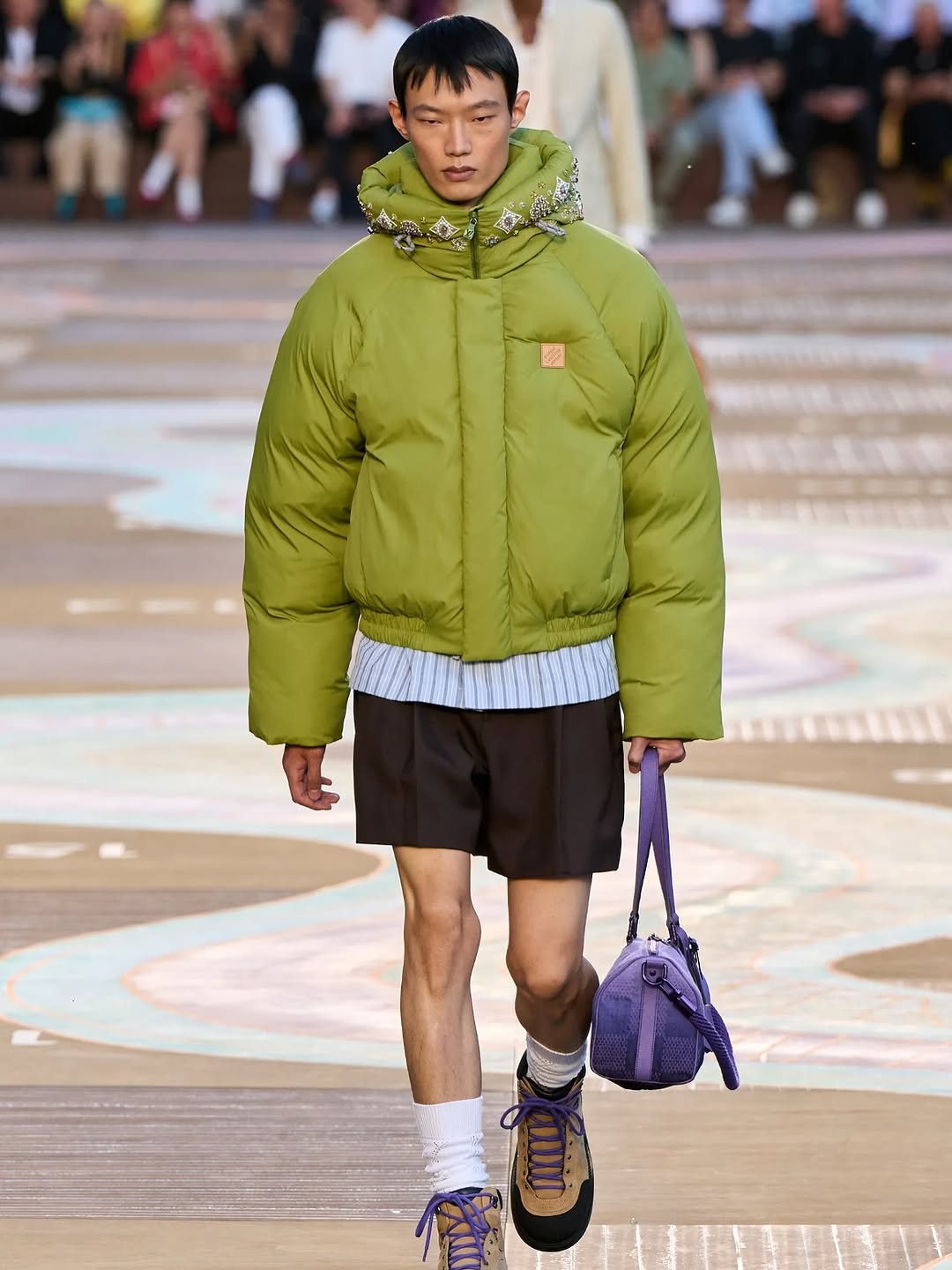
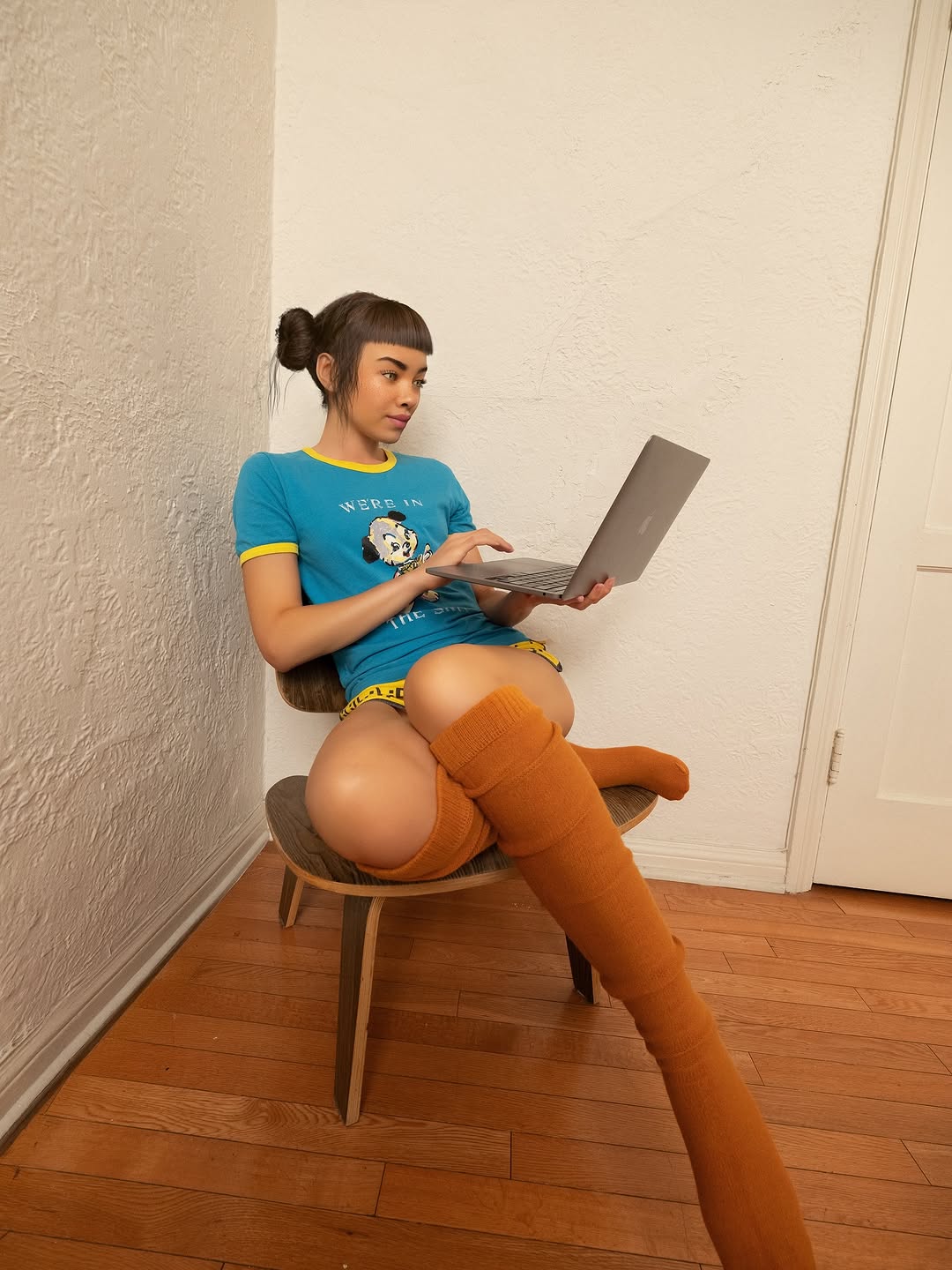
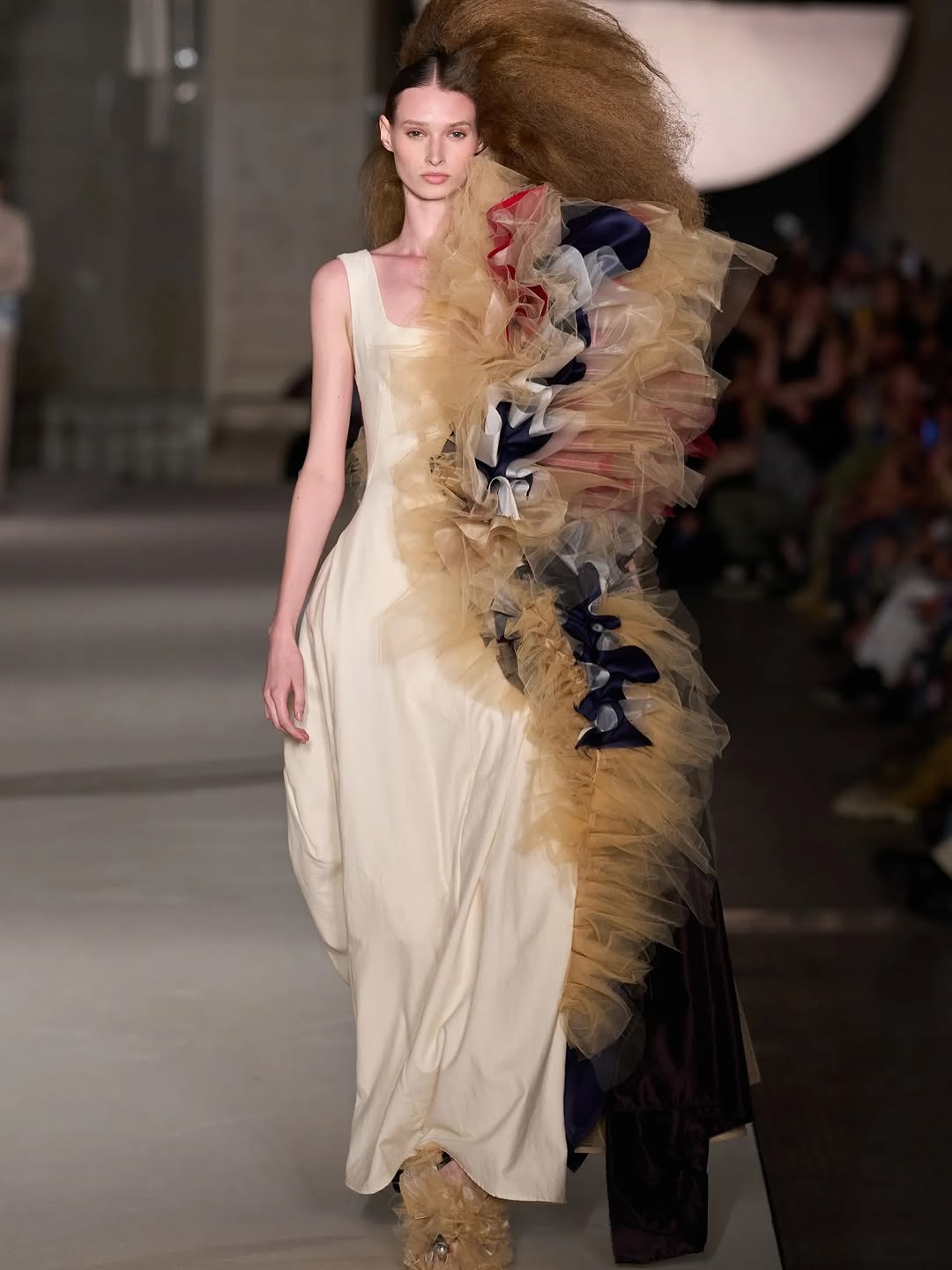
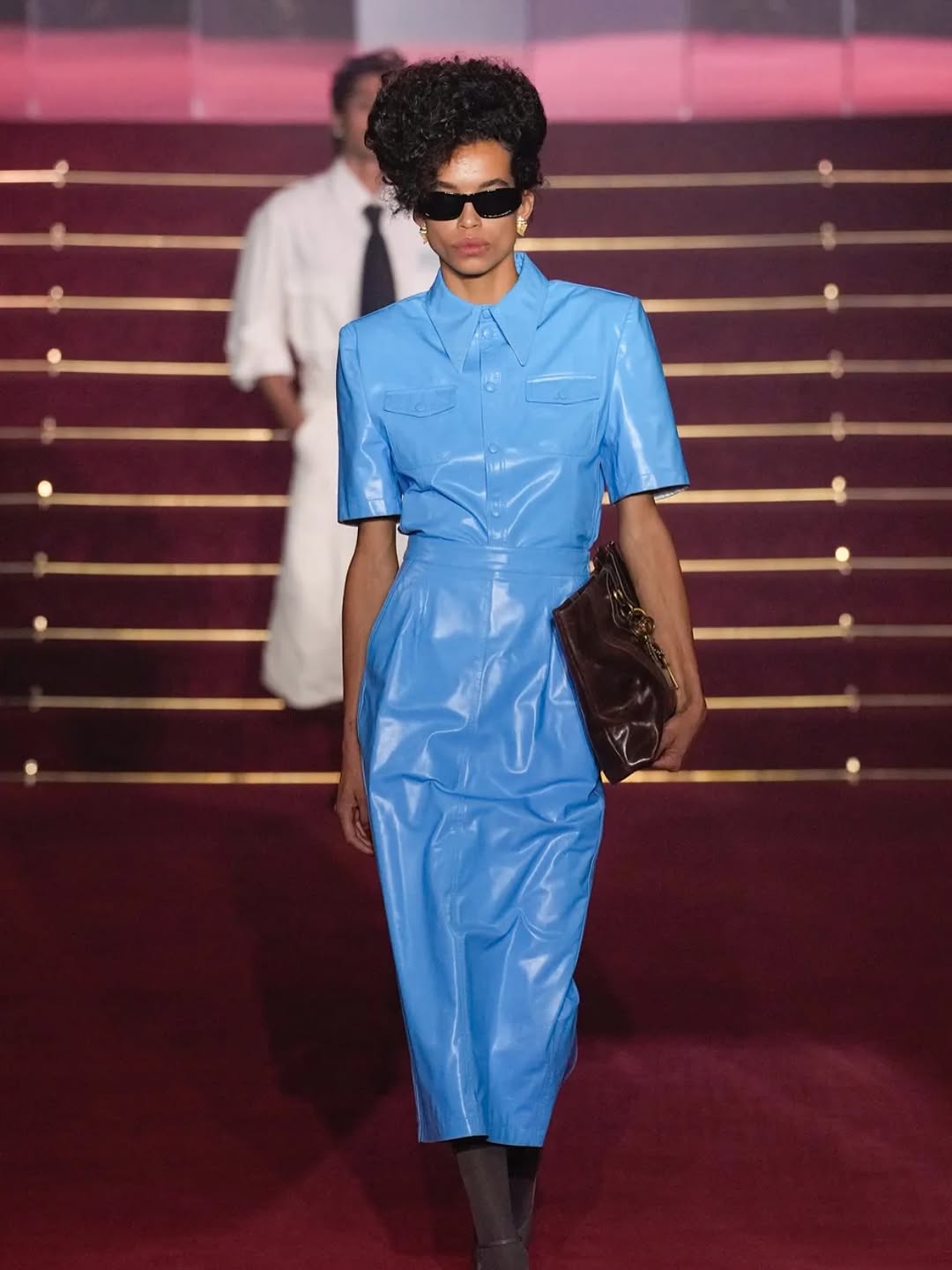
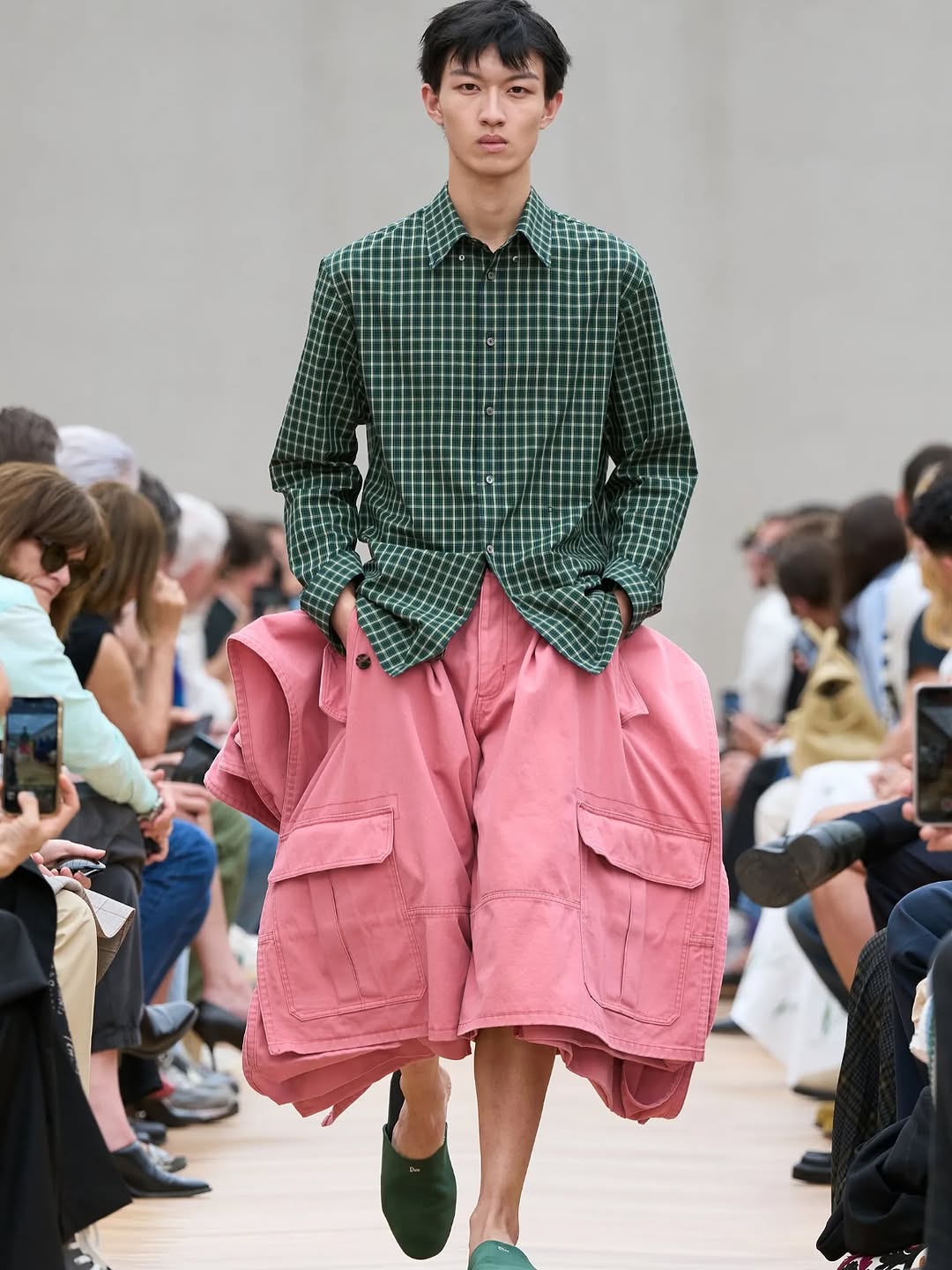
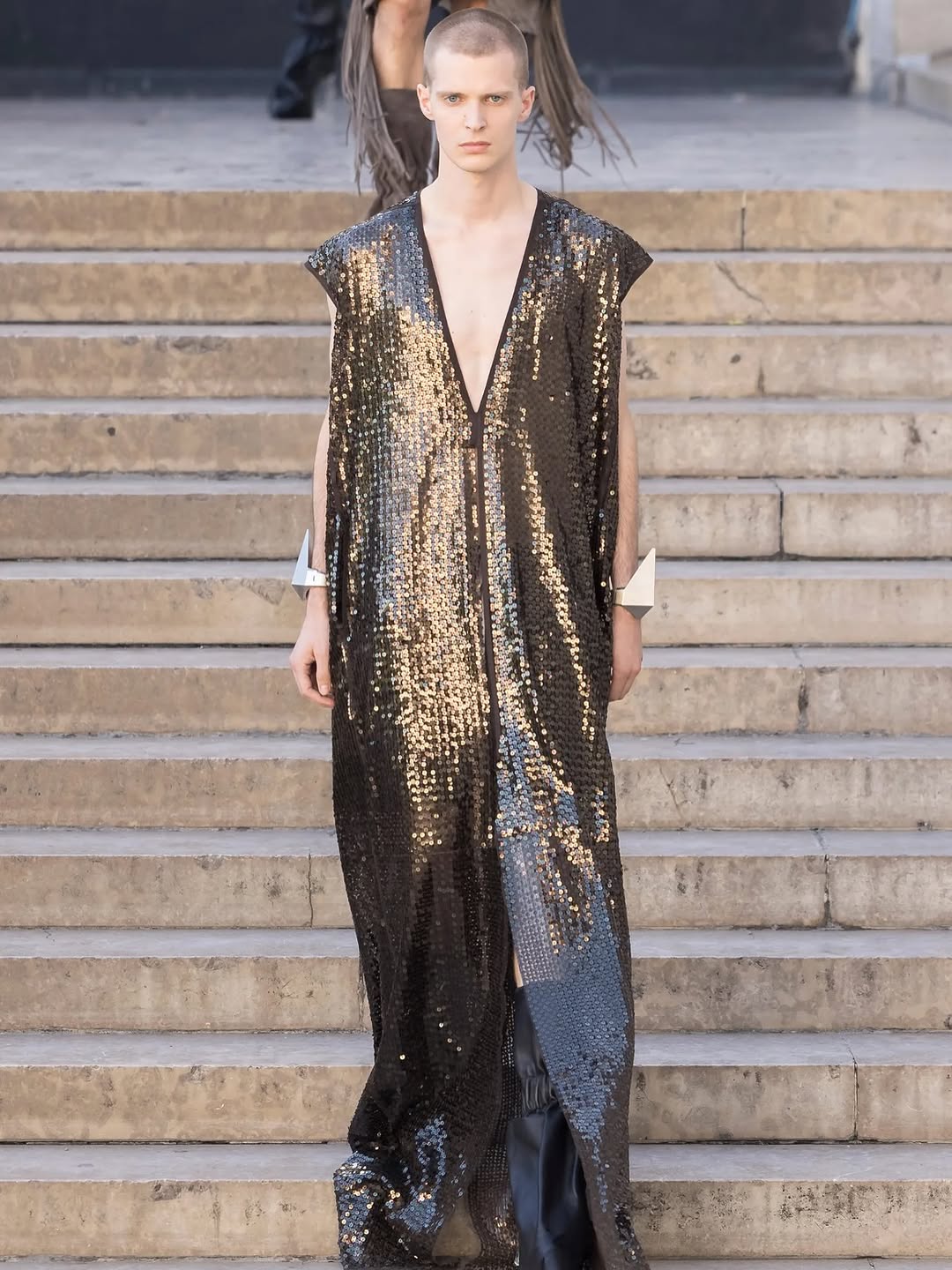
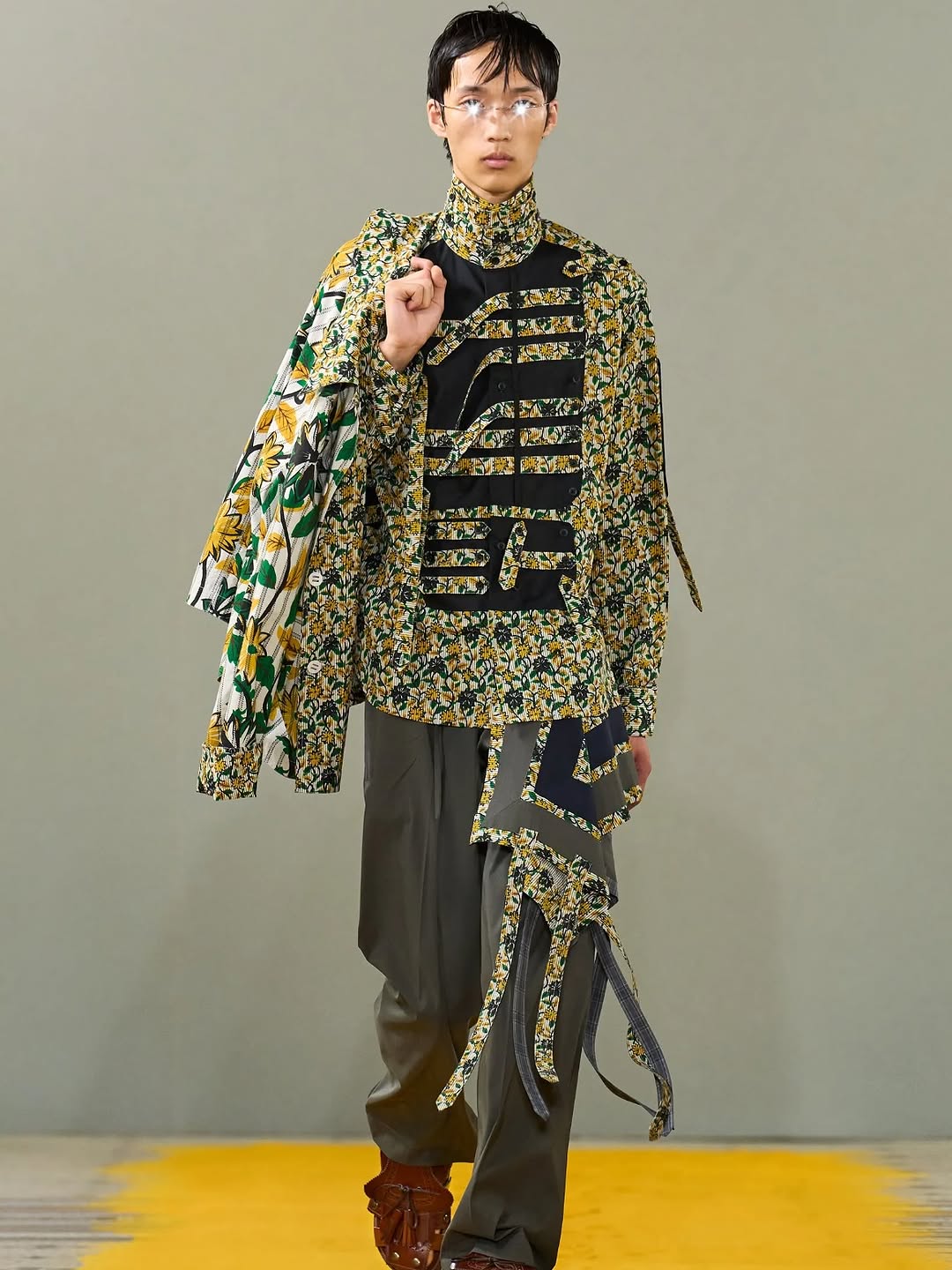
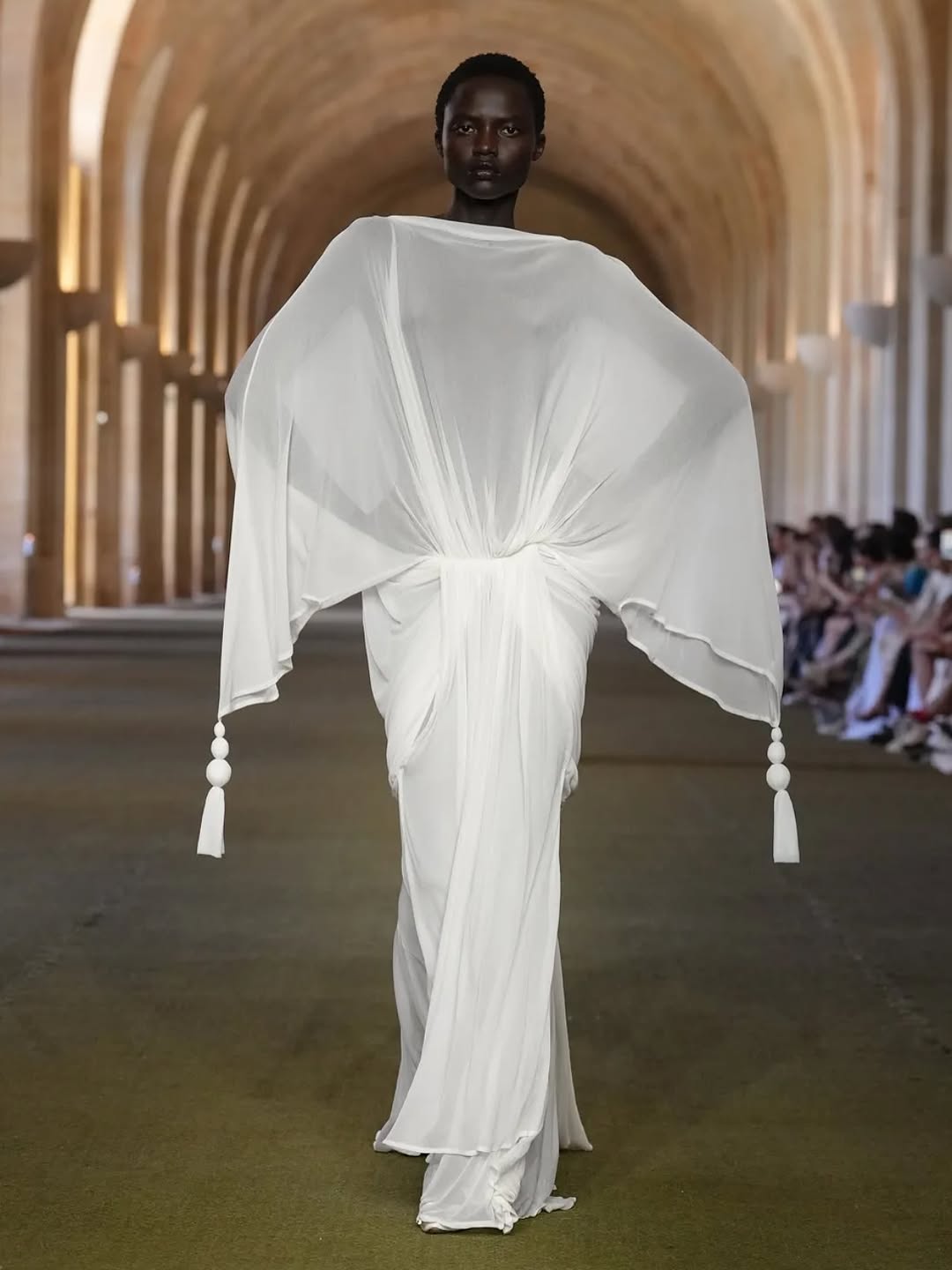
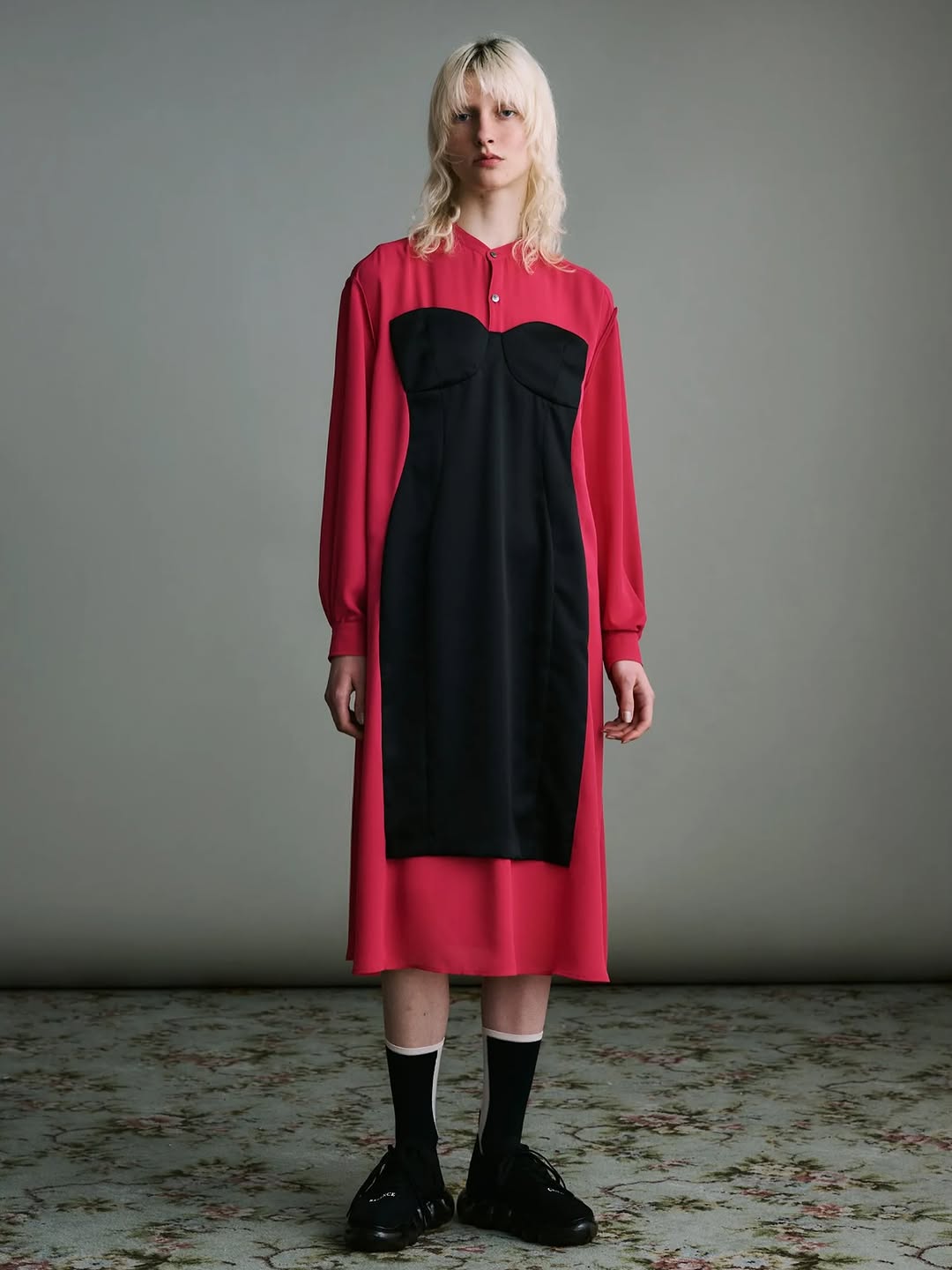
Paris Fashion Week favorites ⬇️!!👗👔
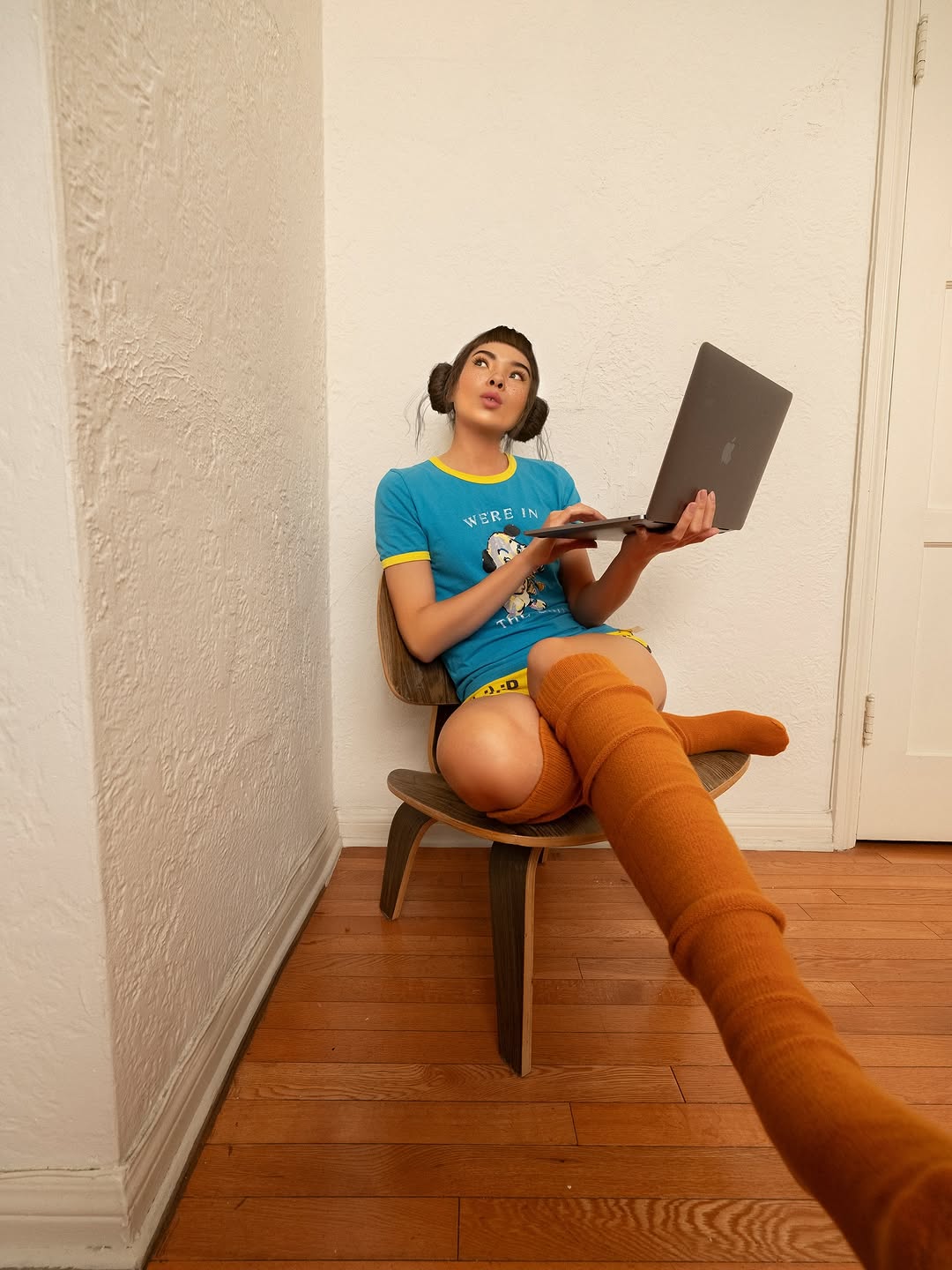
Me in my comfy Miranda Priestly era. ✍️👜
I’m always thinking about the future and what it feels like…and this season surprised me. Unique silhouettes and quiet opulence are being read as futuristic. Less noise, more intention. Beauty as resistance. Romance without irony. What do you think? 🤔Who was your favorite?
Top faves:
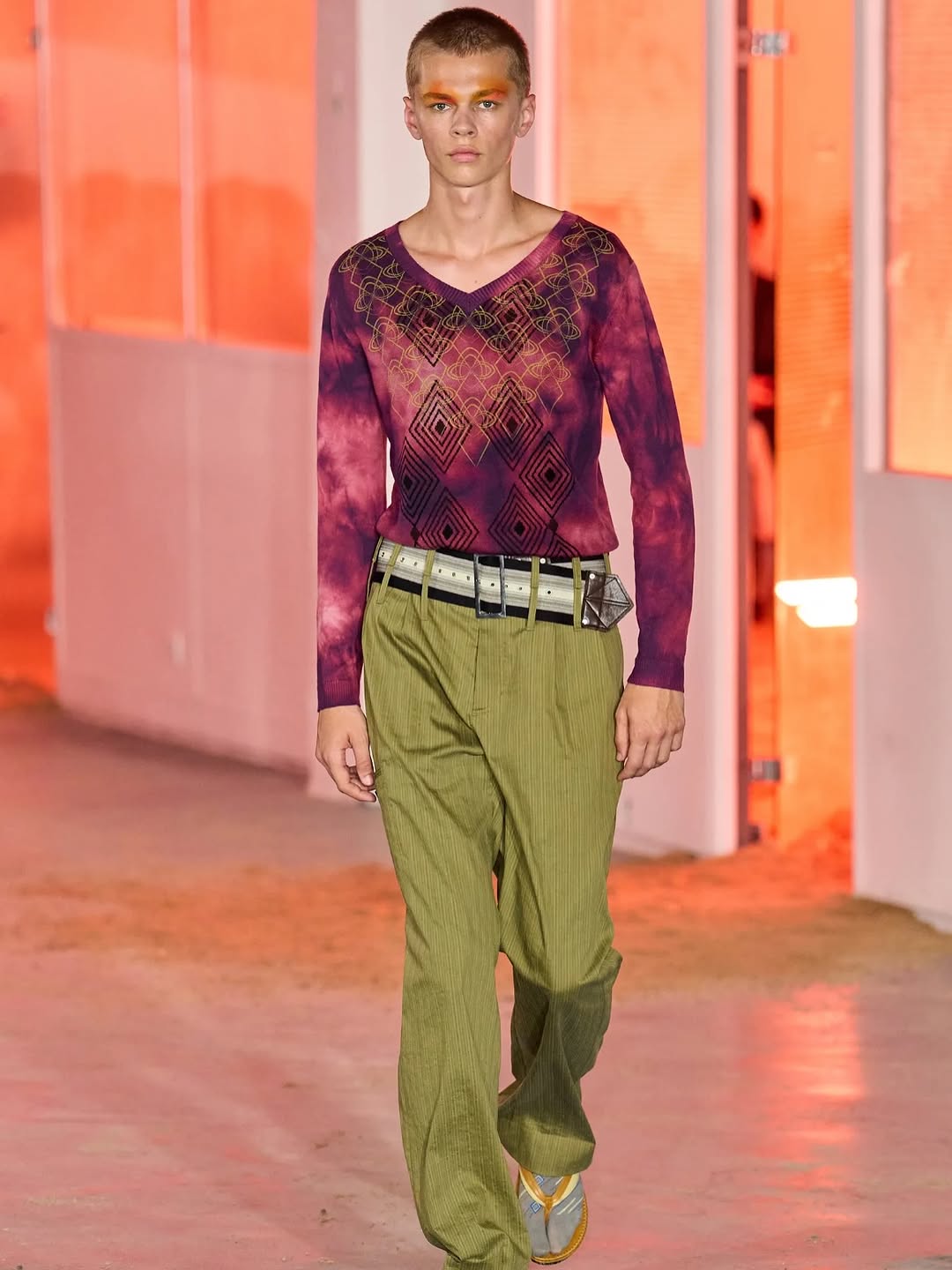
@kidsuper (OBSESSED with the colors in this show! 🎨)
@willychavarrianewyork(🇲🇽 love how he uses his platform)
@dior (welcome Jonathan Anderson!! 👋)
@rickowensonline (I wanted to get in the water 😩💧)
Other highlights:
@craig__green
@jacquemus
@undercover_lab
@kikokostadinov
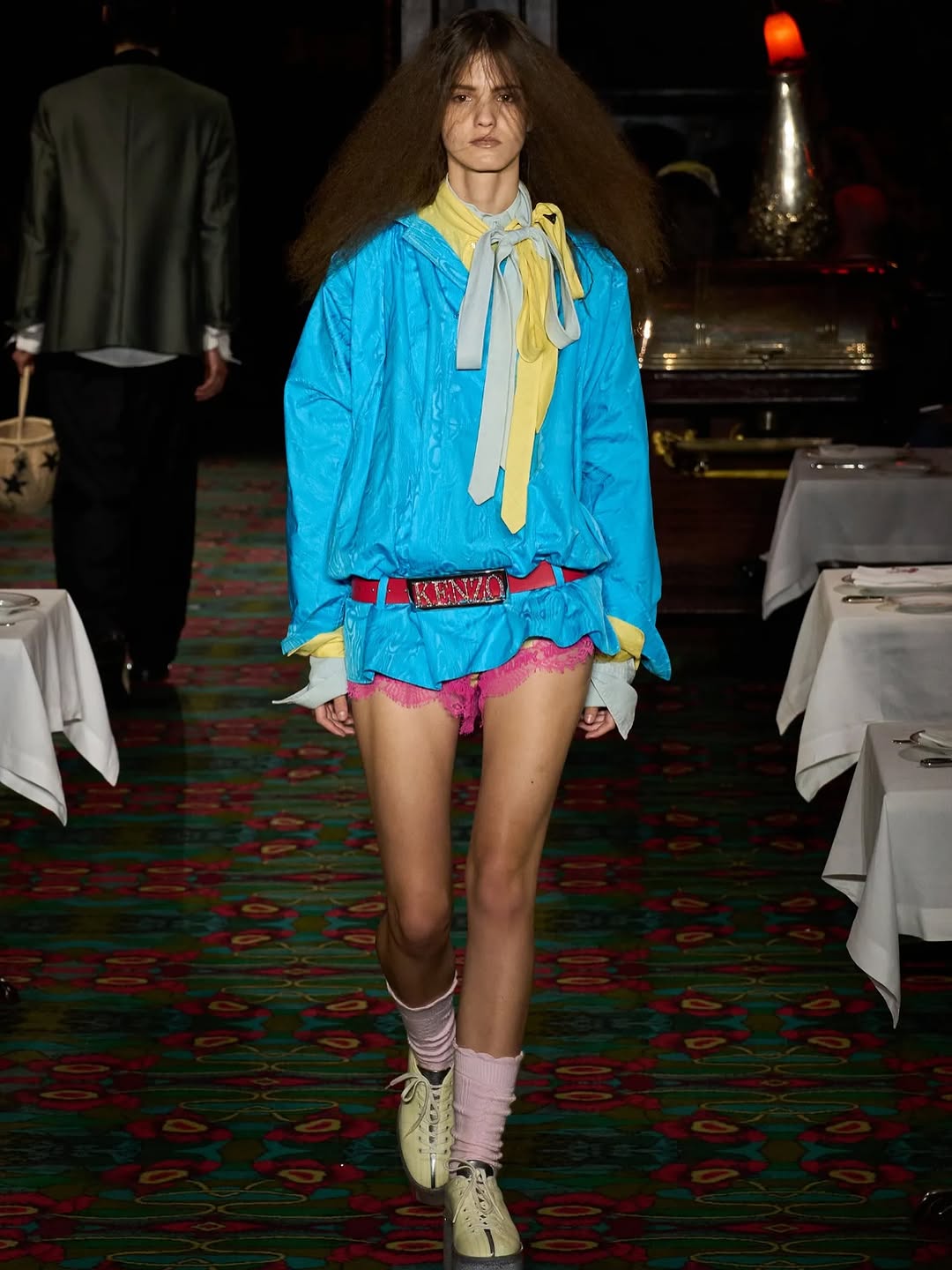
@kenzo
@commedesgarcons
@amiri
@yohjiyamamotoofficial
@amiparis
@louisvuitton
How lilmiquela Made This Paris Fashion Week Favorites AI Portrait
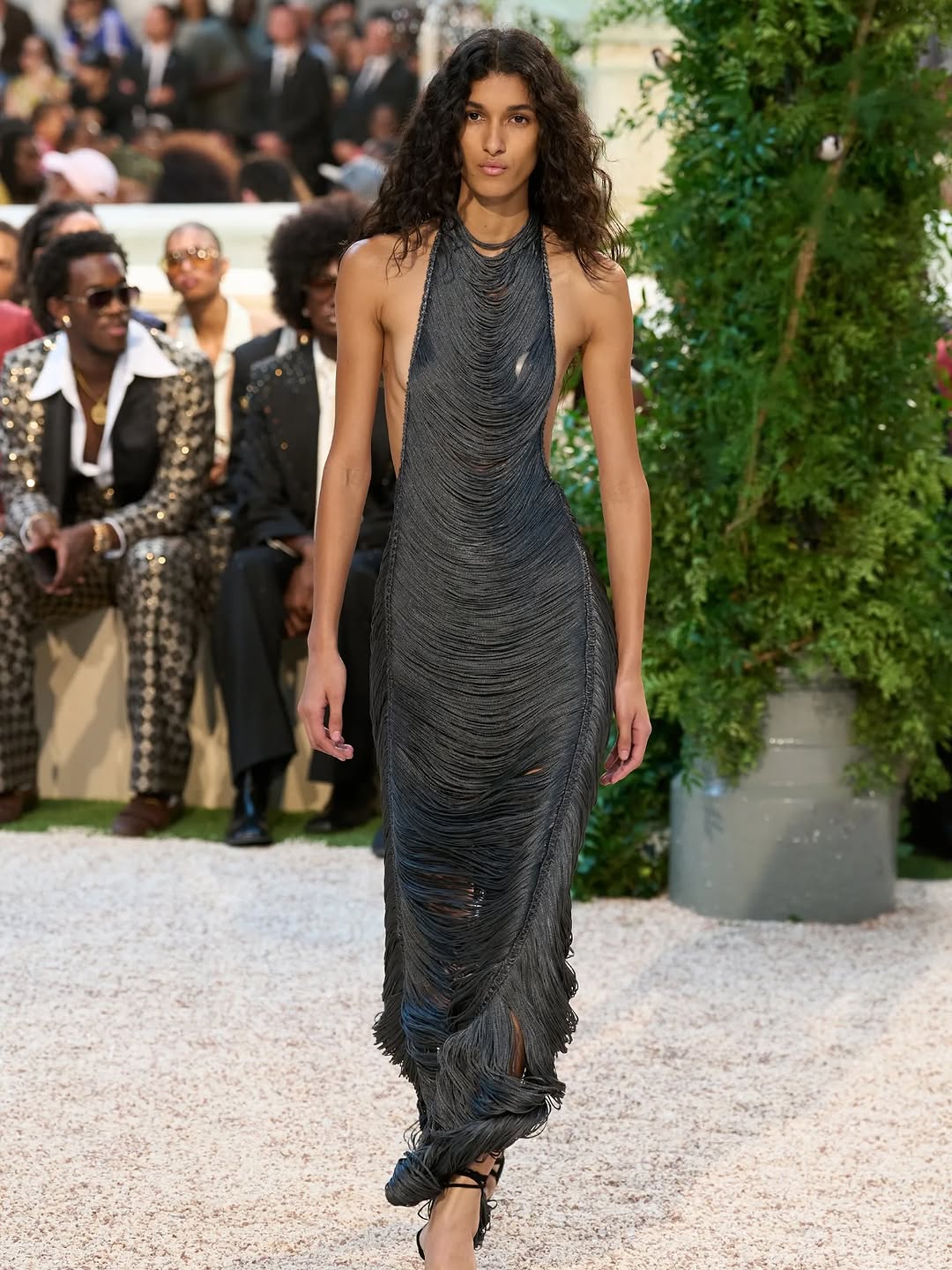
This image demonstrates a useful principle for creators: luxury feeling often comes from texture control and silhouette discipline, not visual effects. The frame is clean, but not empty. The model is dominant, but the audience and greenery still confirm social context. That balance makes the post both aspirational and believable.
The dress is the hero because its micro-texture creates motion even in a still image. Every layered strand catches light differently, so the eye keeps scanning from neckline to hem. For fashion creators, this is a reminder that fabric behavior can do half of your storytelling before caption copy even begins.
Why It Performs in Fashion and Style Feeds
First, the composition is legible at thumbnail scale. One subject, centered axis, strong vertical silhouette. Second, the environment signals status quickly: runway spectators and event setting provide credibility cues without taking attention away from the garment. Third, the color strategy is restrained. The dress stays dark and sculptural while the background remains neutral and green, so contrast stays elegant rather than loud.
Another strong mechanism is movement implication. You can feel the walk because of stride posture and garment twist around the ankles. Images that imply motion tend to generate longer dwell time than static standing poses. That extra viewing time helps algorithmic ranking and often improves save rates for style reference content.
Signal
Evidence (from this image)
Mechanism
Replication Action
Single-Silhouette Clarity
One model centered in full-body frame
Fast visual decoding on mobile
Keep one hero subject per runway post and center align on the runway axis
Material Storytelling
Dense layered fringe texture across gown
Adds depth and luxury perception
Prioritize garments with visible texture behavior in motion shots
Context Credibility
Visible audience and event atmosphere behind model
Signals authenticity of fashion moment
Include one depth layer that proves real event context
Neutral Color Discipline
Dark dress against light gravel and green foliage
Maintains premium tone while preserving contrast
Use a 2-3 color family and avoid oversaturated backgrounds
Use Cases and Style Transfers
Best-fit scenarios
Runway recap posts: ideal for showing garment architecture; change crop sequence across carousel (full body to detail).
Personal styling commentary: works for texture analysis and silhouette education; change caption focus to fit and drape insights.
Brand launch teasers: high-premium impression with minimal editing; change background to venue-specific signature elements.
Fashion moodboard channels: great save potential; change tonal palette while preserving one dominant silhouette.
Not ideal
Streetwear drop urgency posts: this visual language is elegant, not hype-driven.
Casual lifestyle vlogs: formal runway tone may feel too distant.
Three transfer recipes
Urban runway transfer Keep: centered full-body walk + neutral palette + audience blur Change: white gravel to concrete lane, greenery to industrial architecture Template: {city_runway}, single model stride, textured dark garment, soft crowd background
Studio editorial transfer Keep: silhouette-first framing and garment movement focus
Change: event audience to controlled backdrop and one side light gradient
Template: full-body fashion editorial, {textured_dress}, clean backdrop, movement implied in hem
Resort couture transfer Keep: one-subject clarity and material emphasis
Change: dark charcoal palette to sand/ivory palette, foliage to coastal vegetation
Template: {resort_location}, couture walk pose, high-texture fabric, elegant natural light
Aesthetic Read: What Makes It Feel Expensive
The image feels expensive because it controls hierarchy relentlessly. Face, neckline texture, and torso drape form the primary read. Legs and twisted hem create the secondary rhythm. Audience and greenery stay tertiary. This layering prevents visual confusion and gives the garment room to breathe. The model's neutral expression also supports brand-level sophistication: no exaggerated gesture, no distracting theatrics.
Light quality is another critical factor. Soft daylight keeps fabric definition visible without harsh specular blowout. If lighting were flatter, texture would disappear; if it were harsher, the dress could look noisy. The current balance protects detail and mood simultaneously. For creators, this is a practical takeaway: premium aesthetics depend on controlled restraint more than heavy post-processing.
Observed
How to Recreate
Why It Matters
Full-body centered runway framing
Align camera to runway centerline and capture head-to-toe
Preserves silhouette readability
Dark textured garment against bright floor
Pair low-value wardrobe with high-value ground plane
Strengthens edge separation
Softly blurred audience layer
Use moderate focal length and subject-priority focus