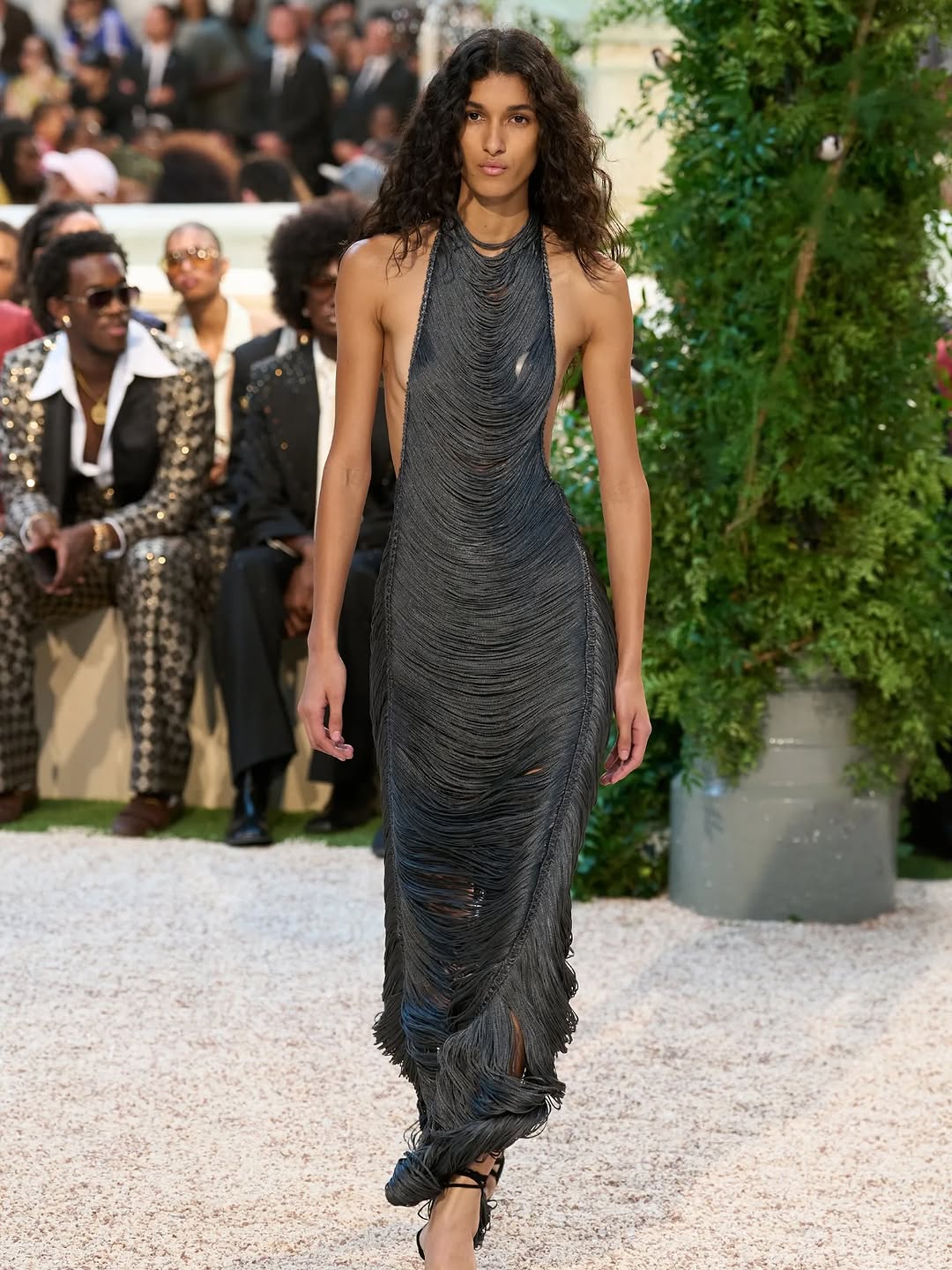
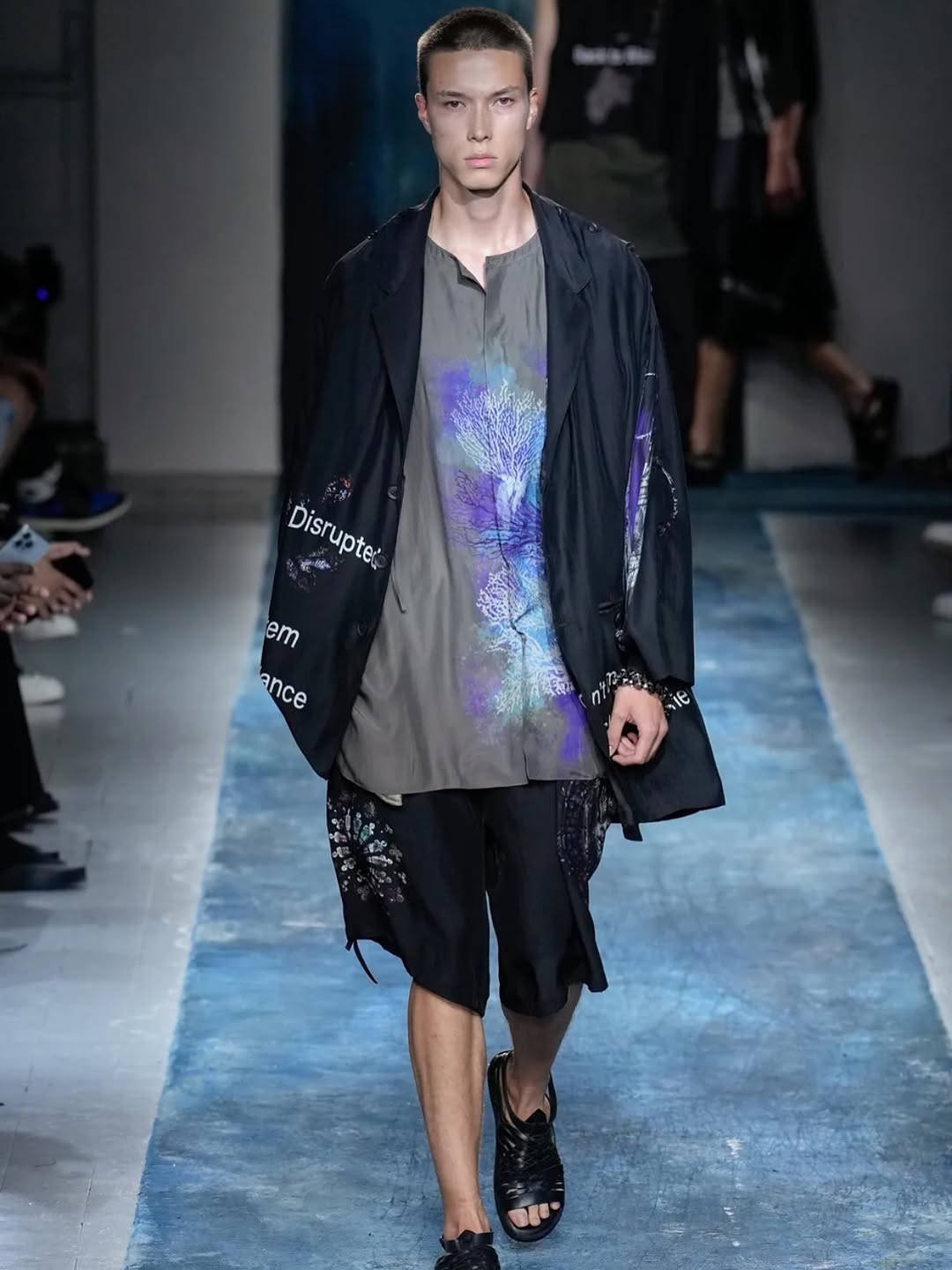
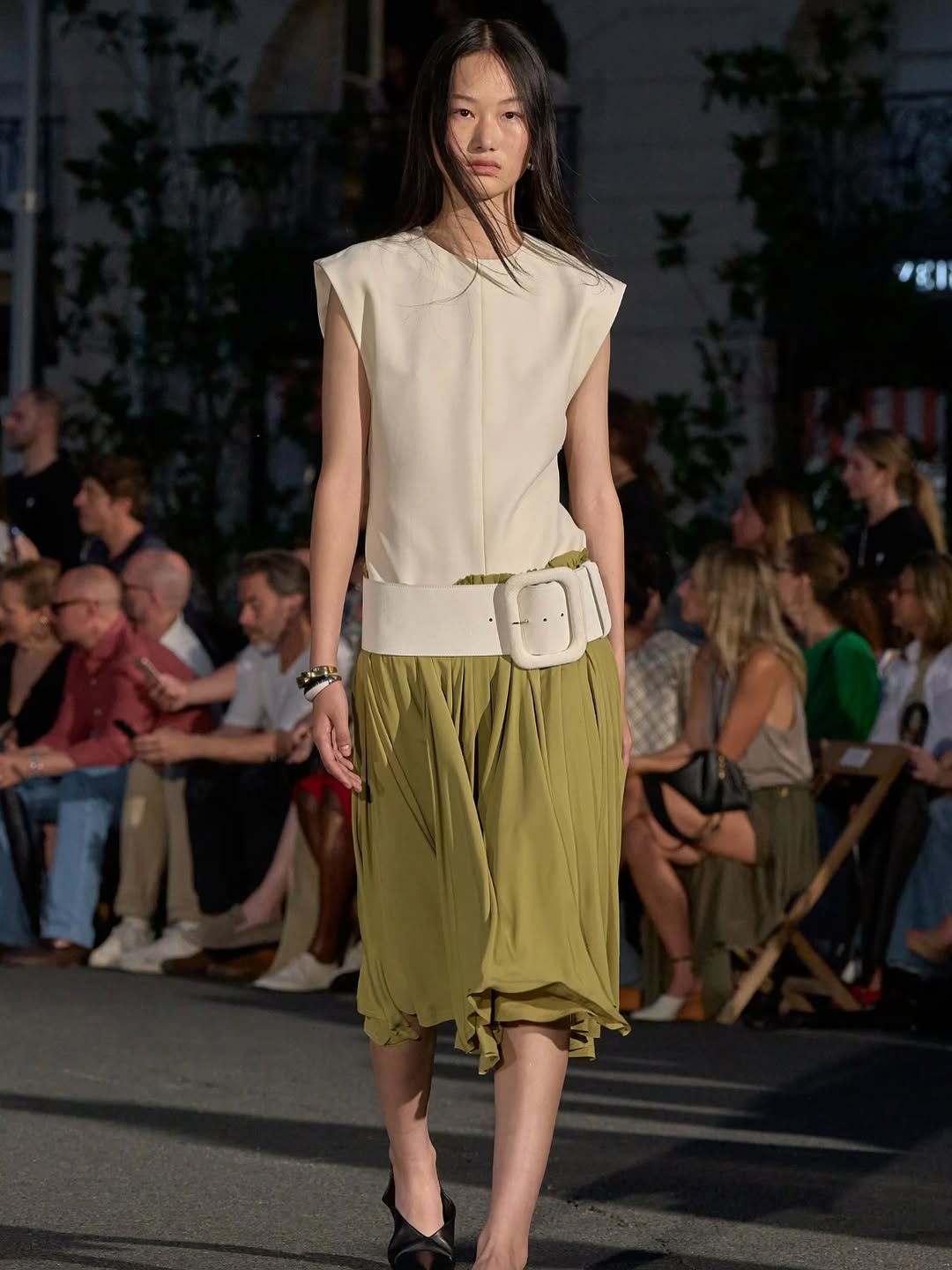
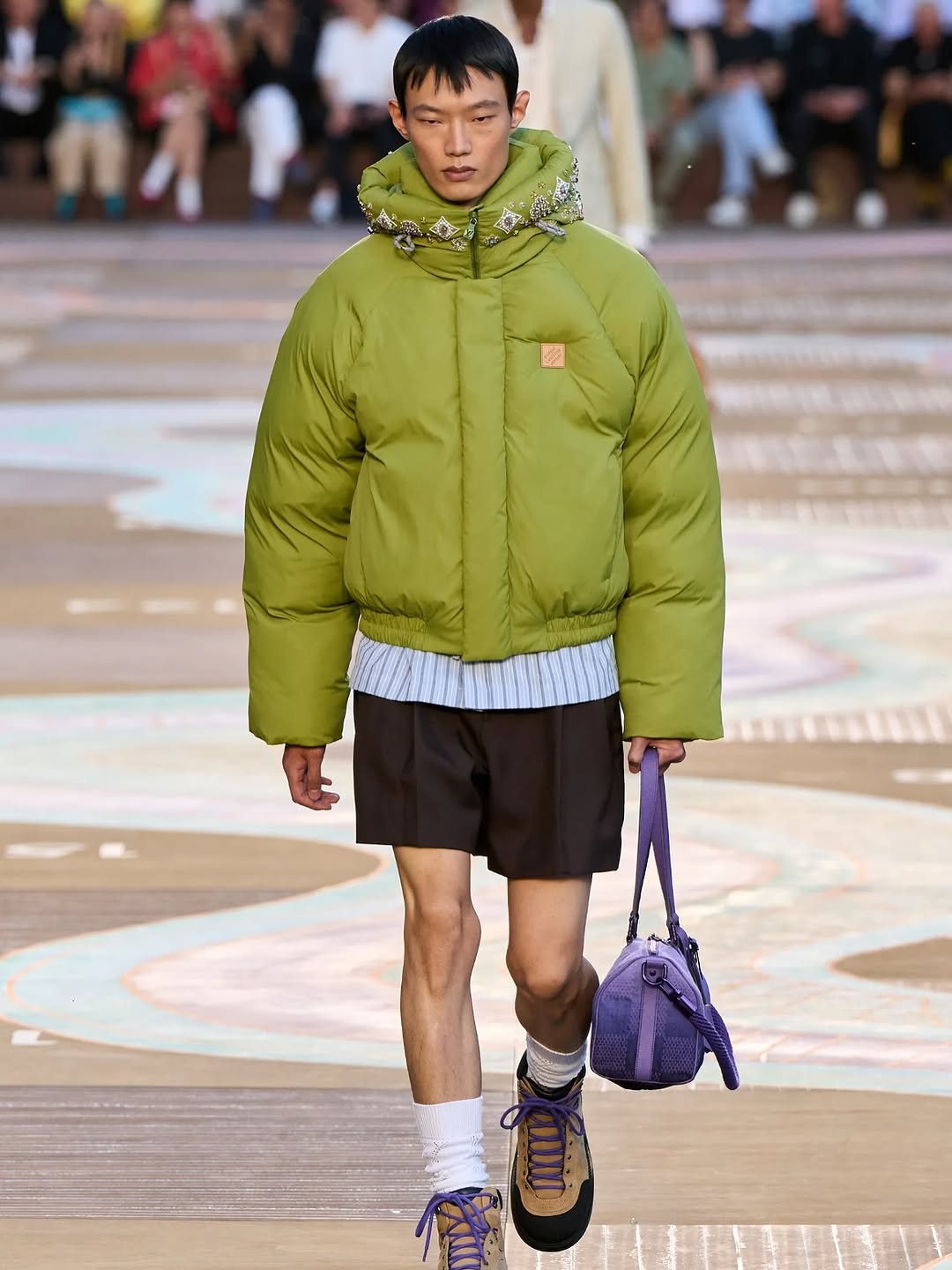
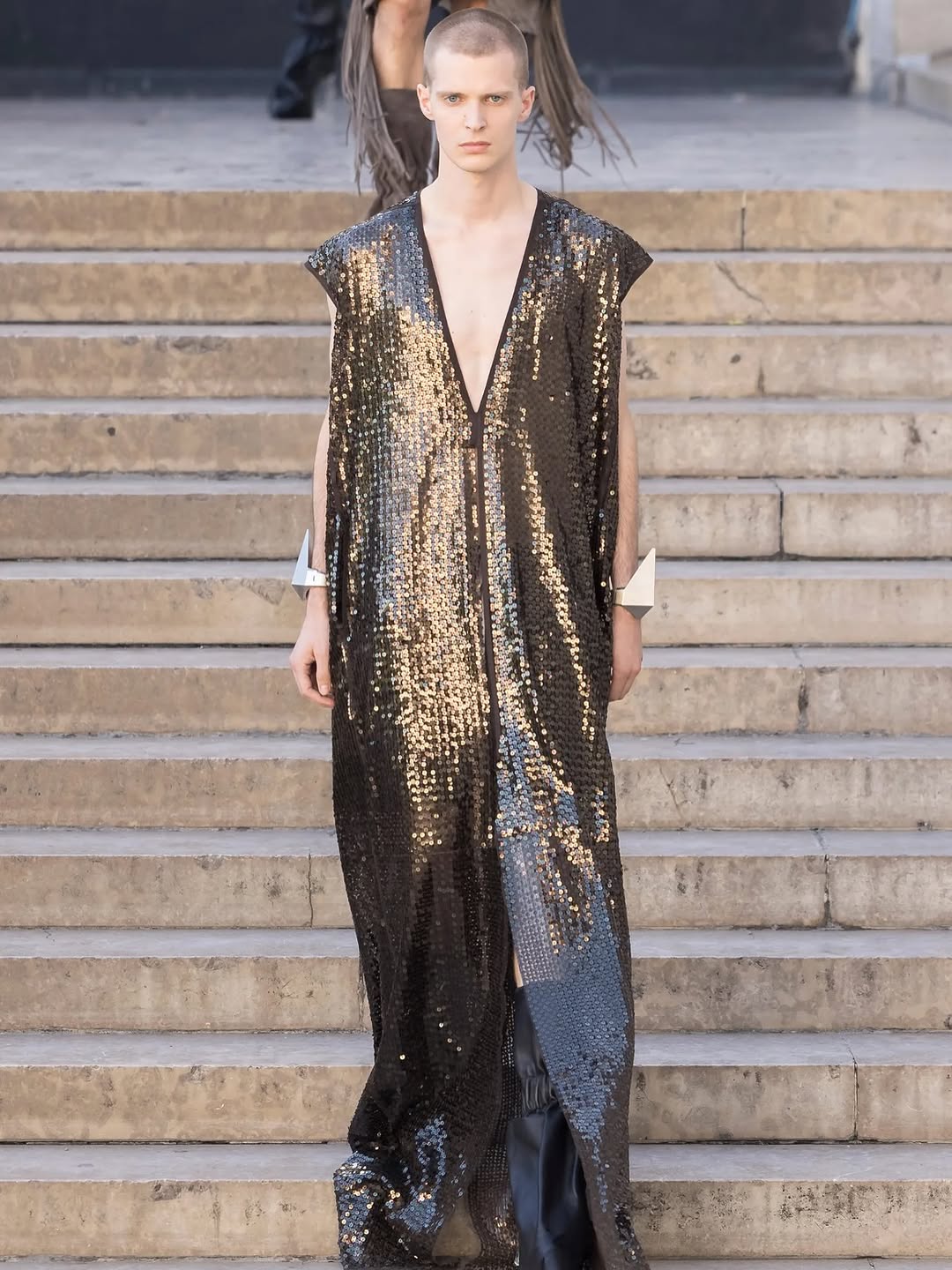
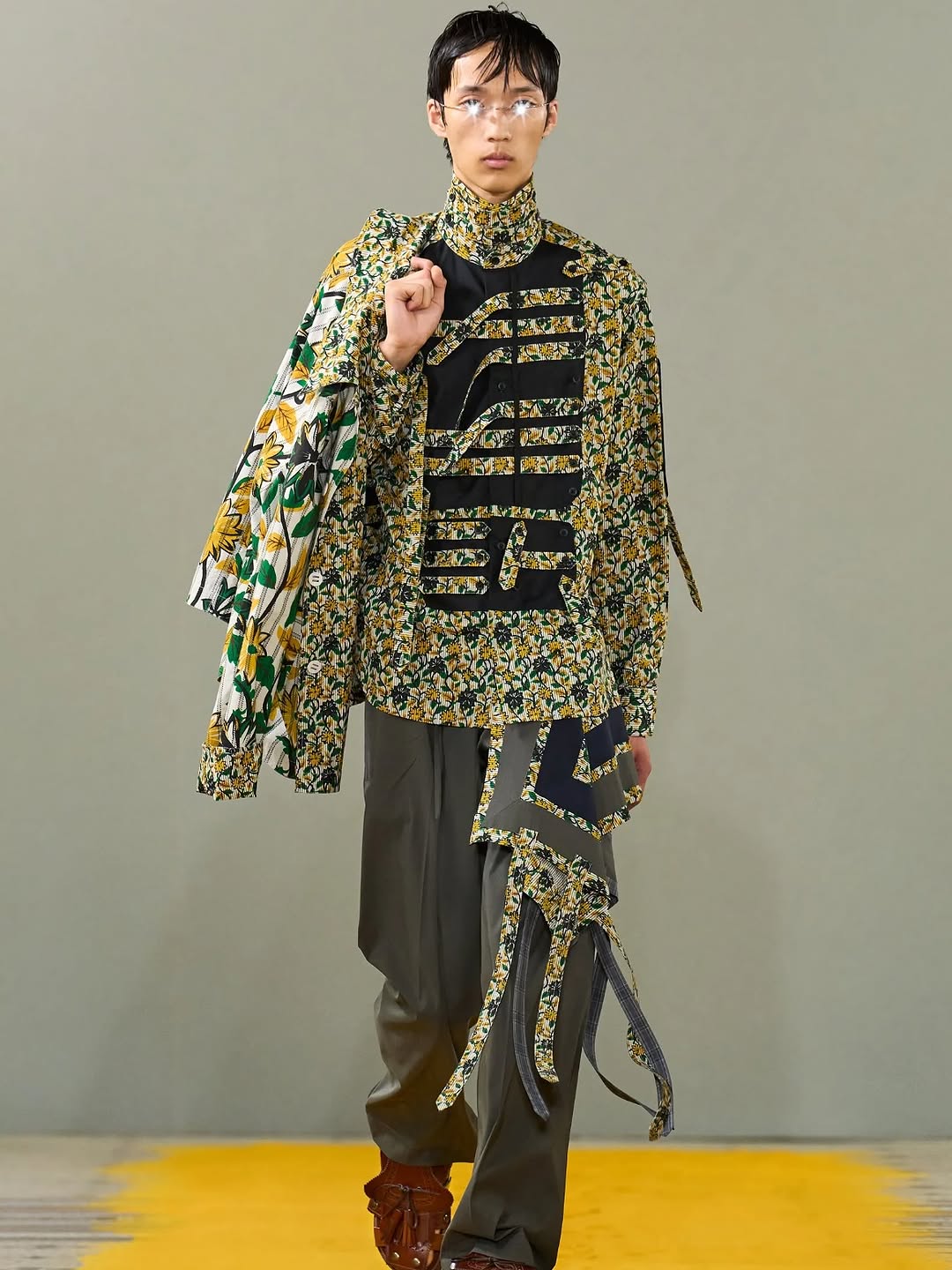
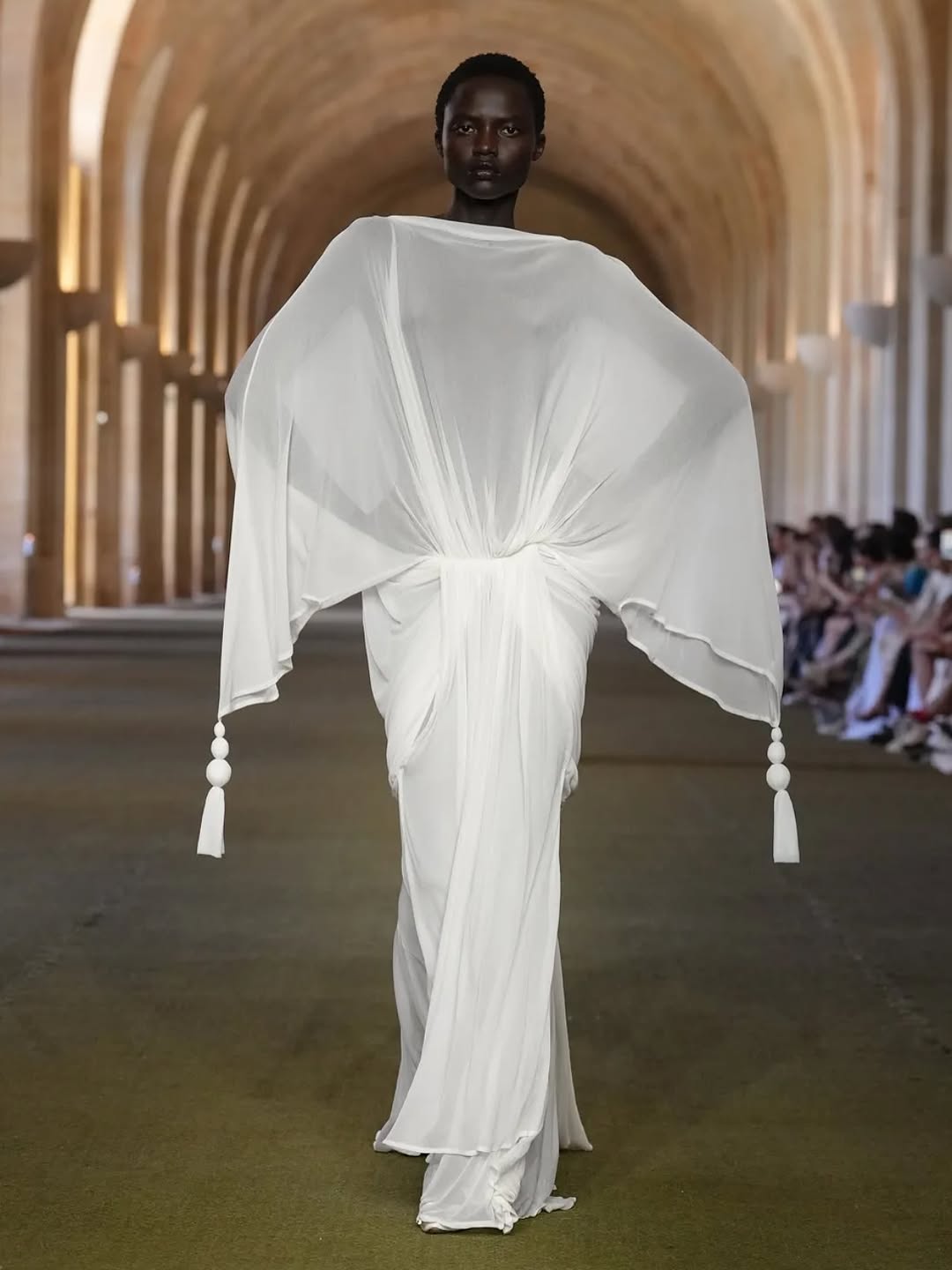
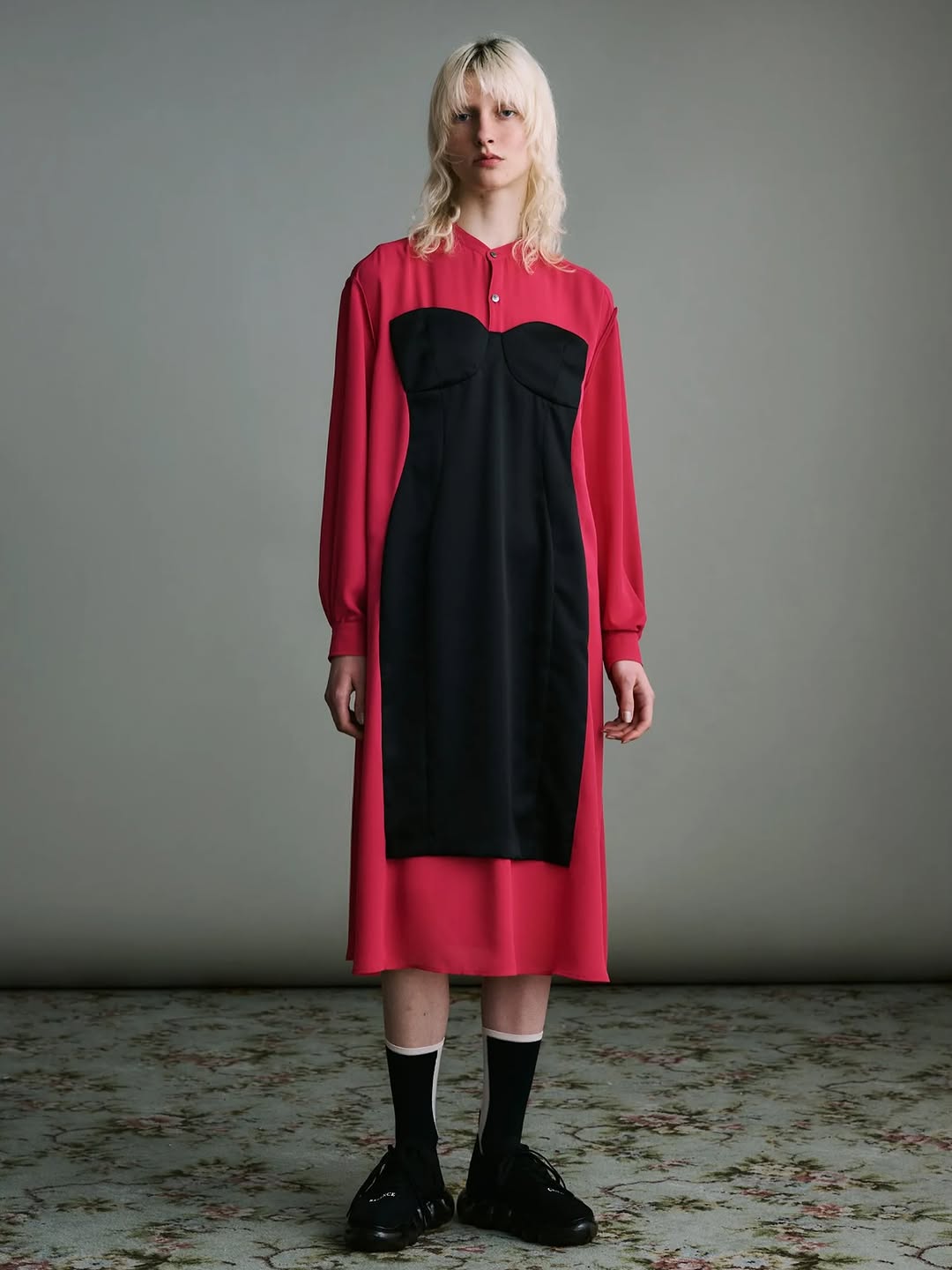
Paris Fashion Week favorites ⬇️!!👗👔
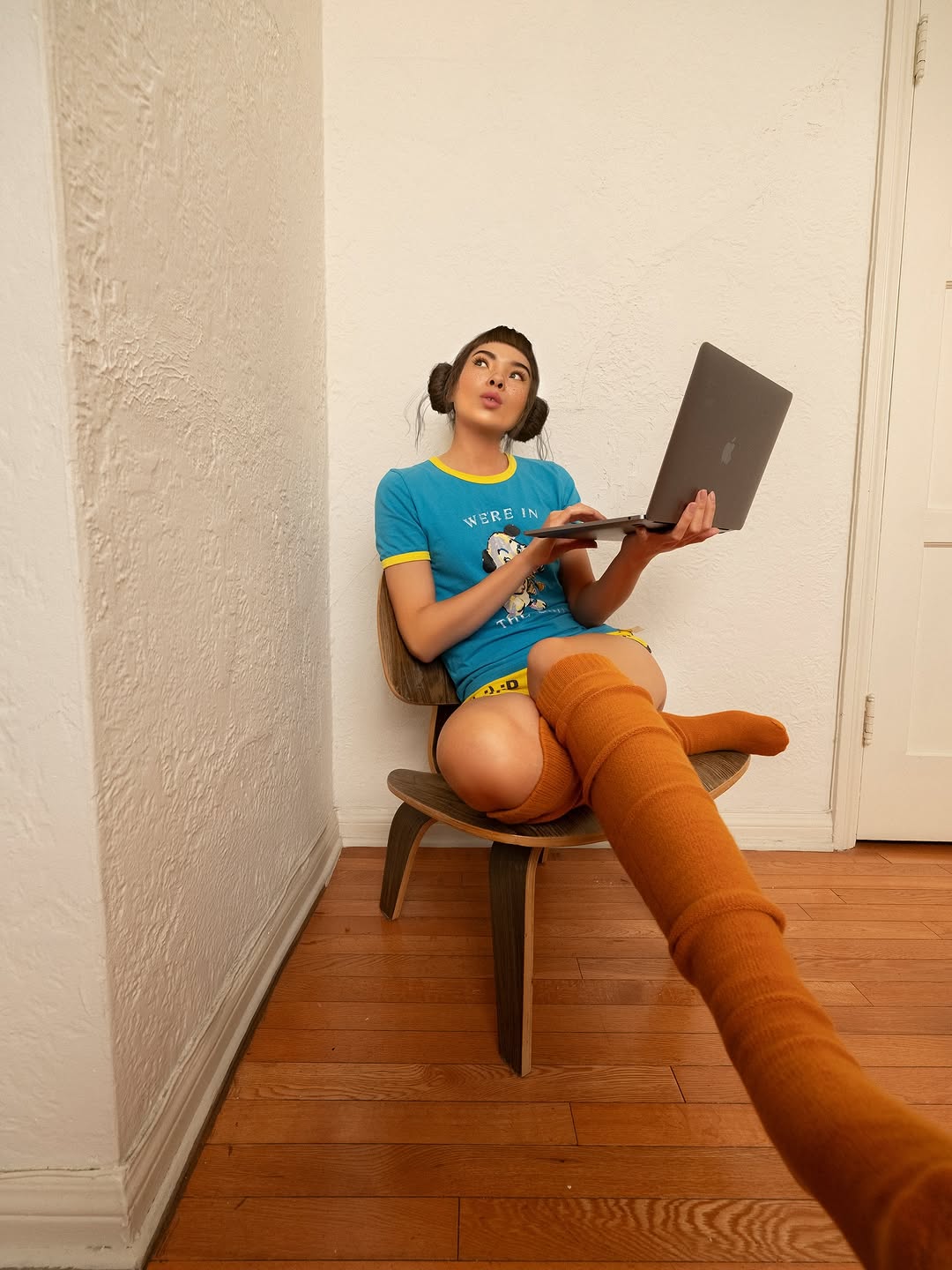
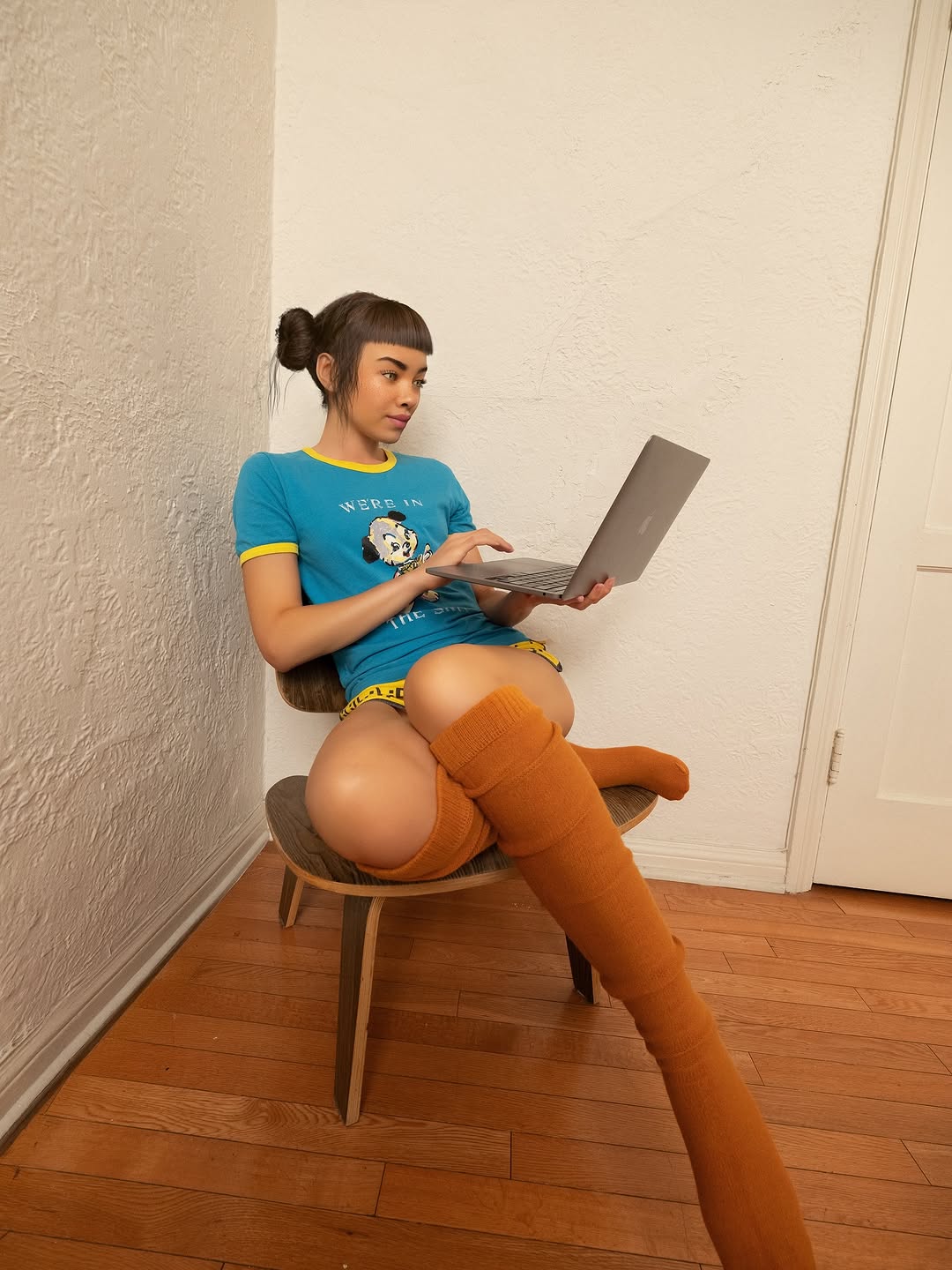
Me in my comfy Miranda Priestly era. ✍️👜
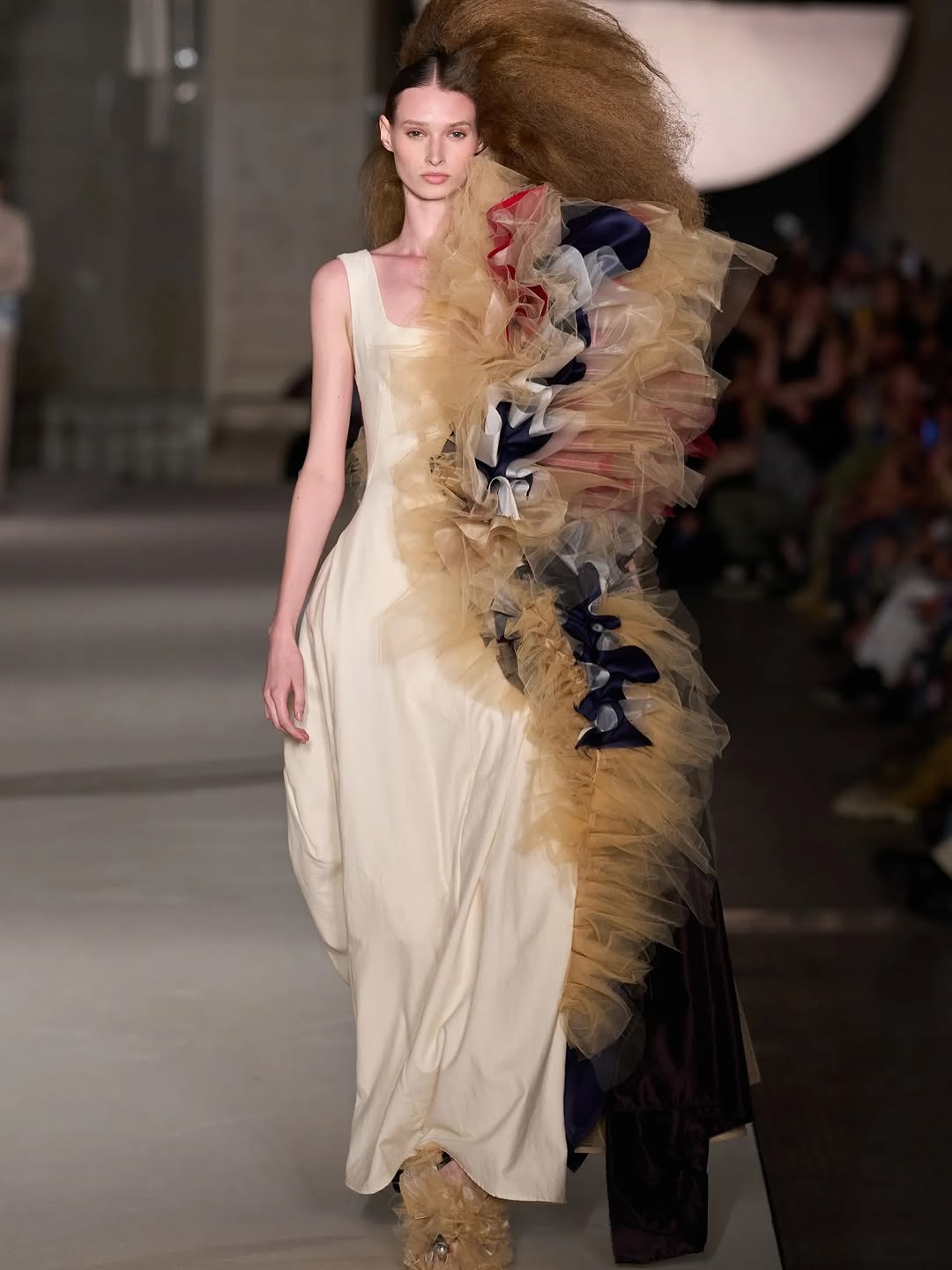
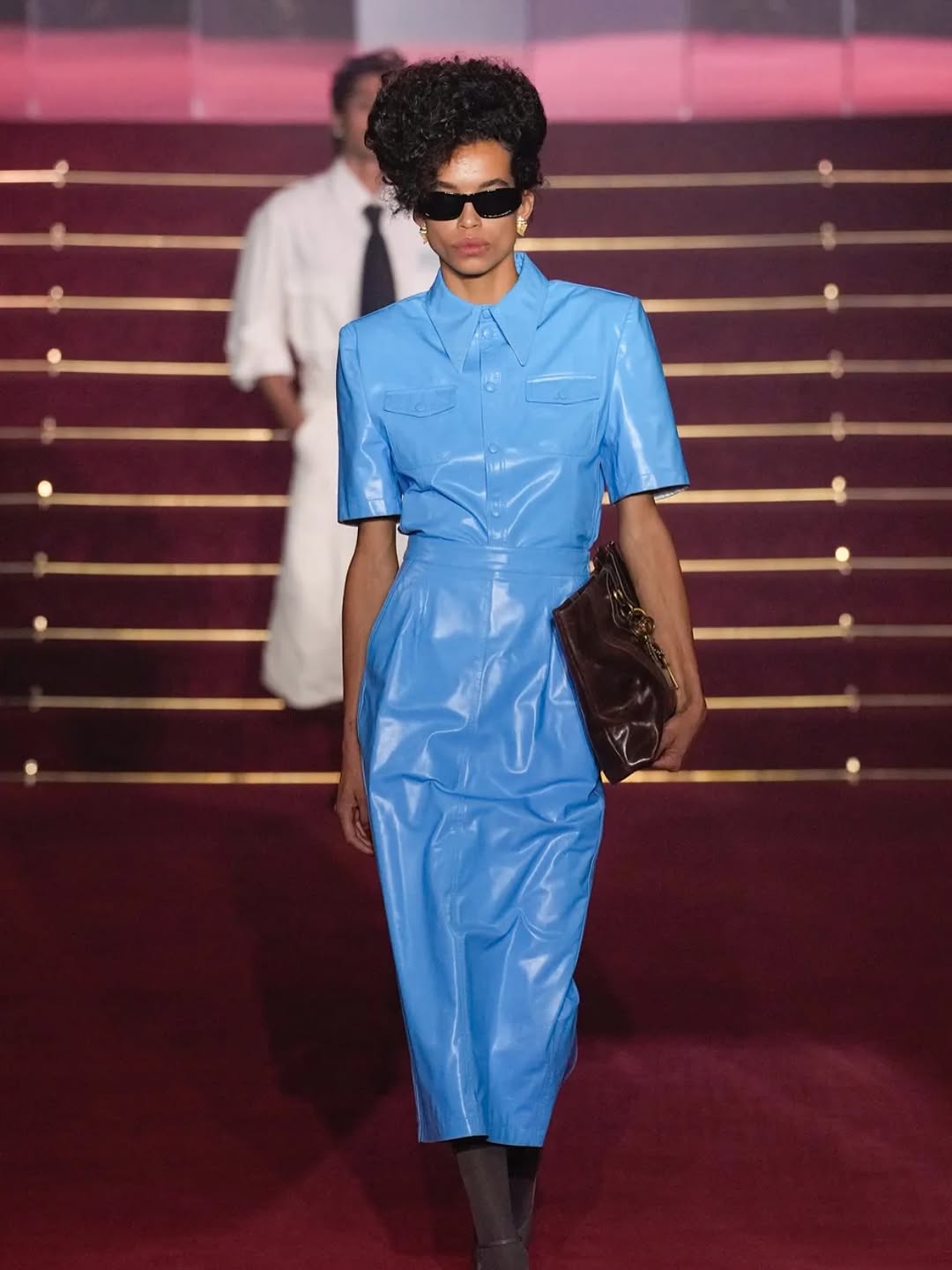
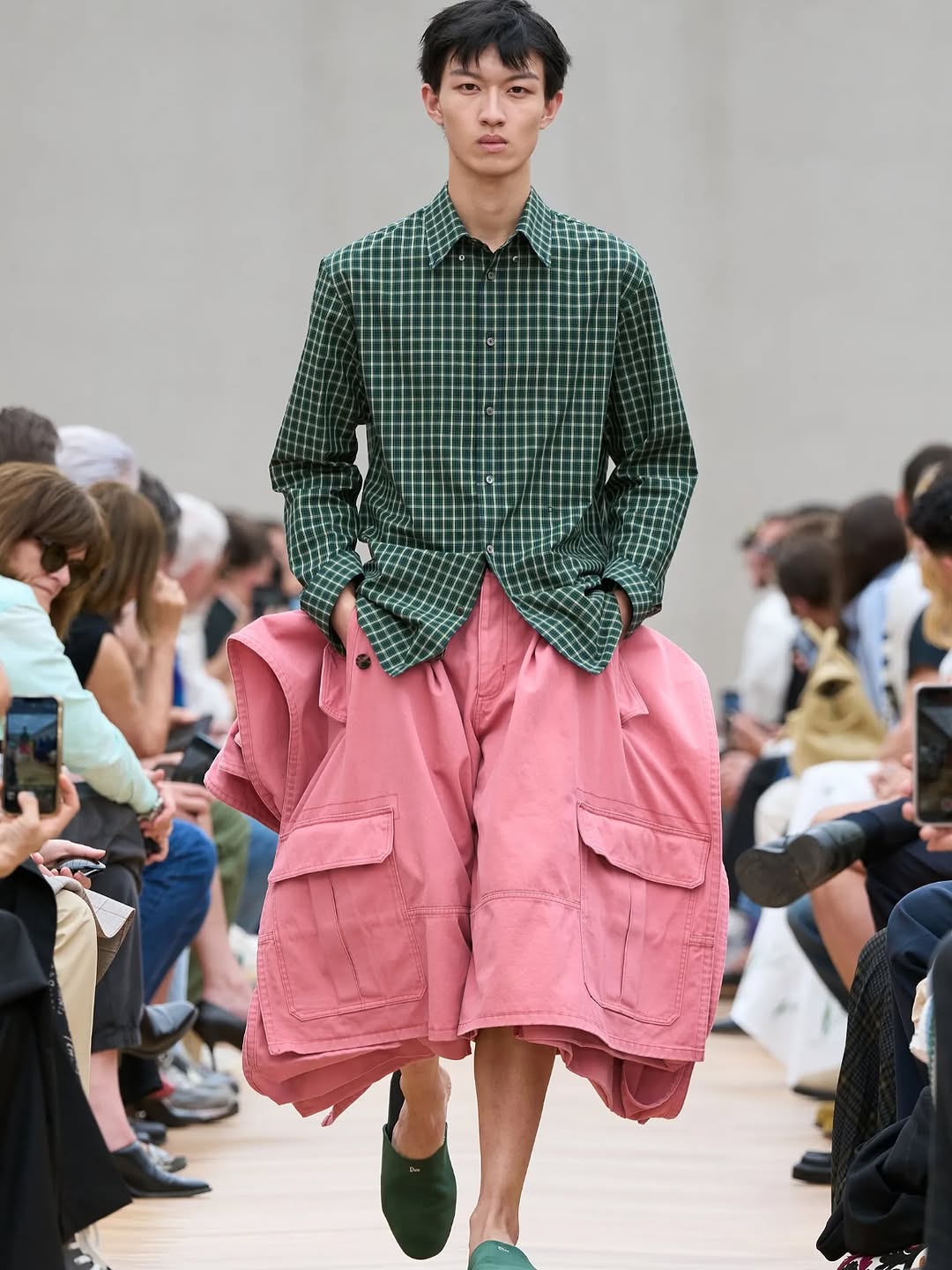
I’m always thinking about the future and what it feels like…and this season surprised me. Unique silhouettes and quiet opulence are being read as futuristic. Less noise, more intention. Beauty as resistance. Romance without irony. What do you think? 🤔Who was your favorite?
Top faves:
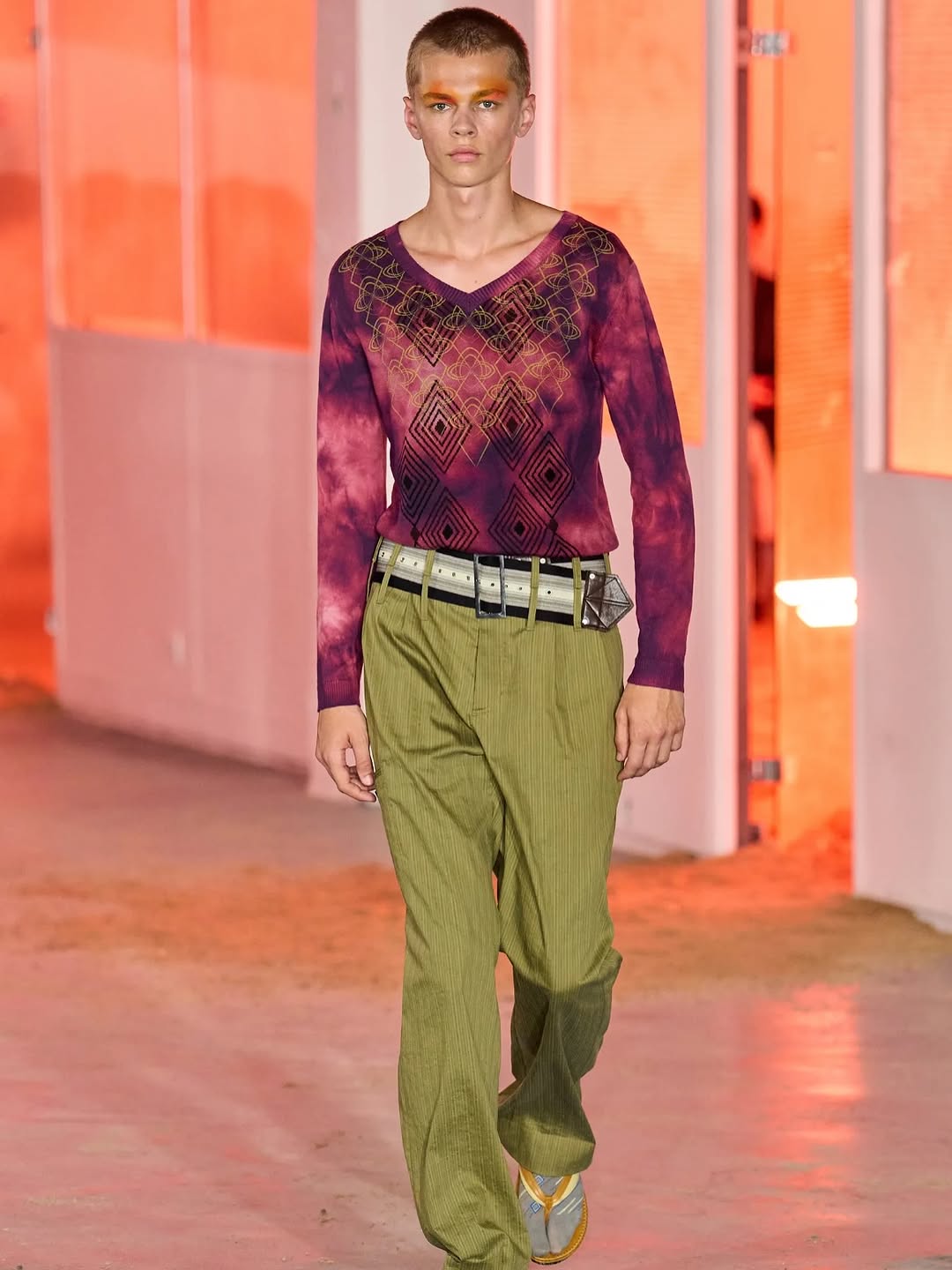
@kidsuper (OBSESSED with the colors in this show! 🎨)
@willychavarrianewyork(🇲🇽 love how he uses his platform)
@dior (welcome Jonathan Anderson!! 👋)
@rickowensonline (I wanted to get in the water 😩💧)
Other highlights:
@craig__green
@jacquemus
@undercover_lab
@kikokostadinov
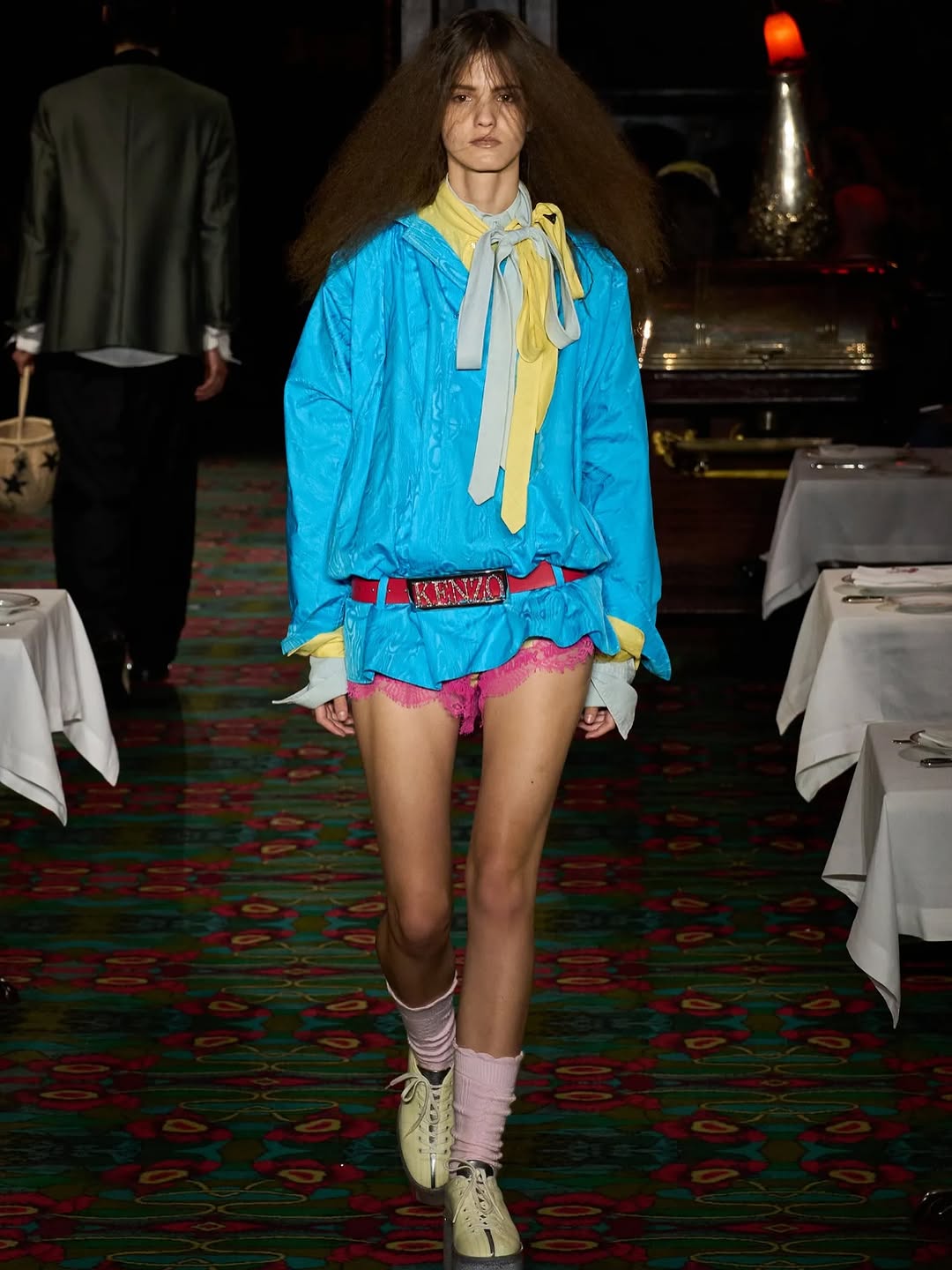
@kenzo
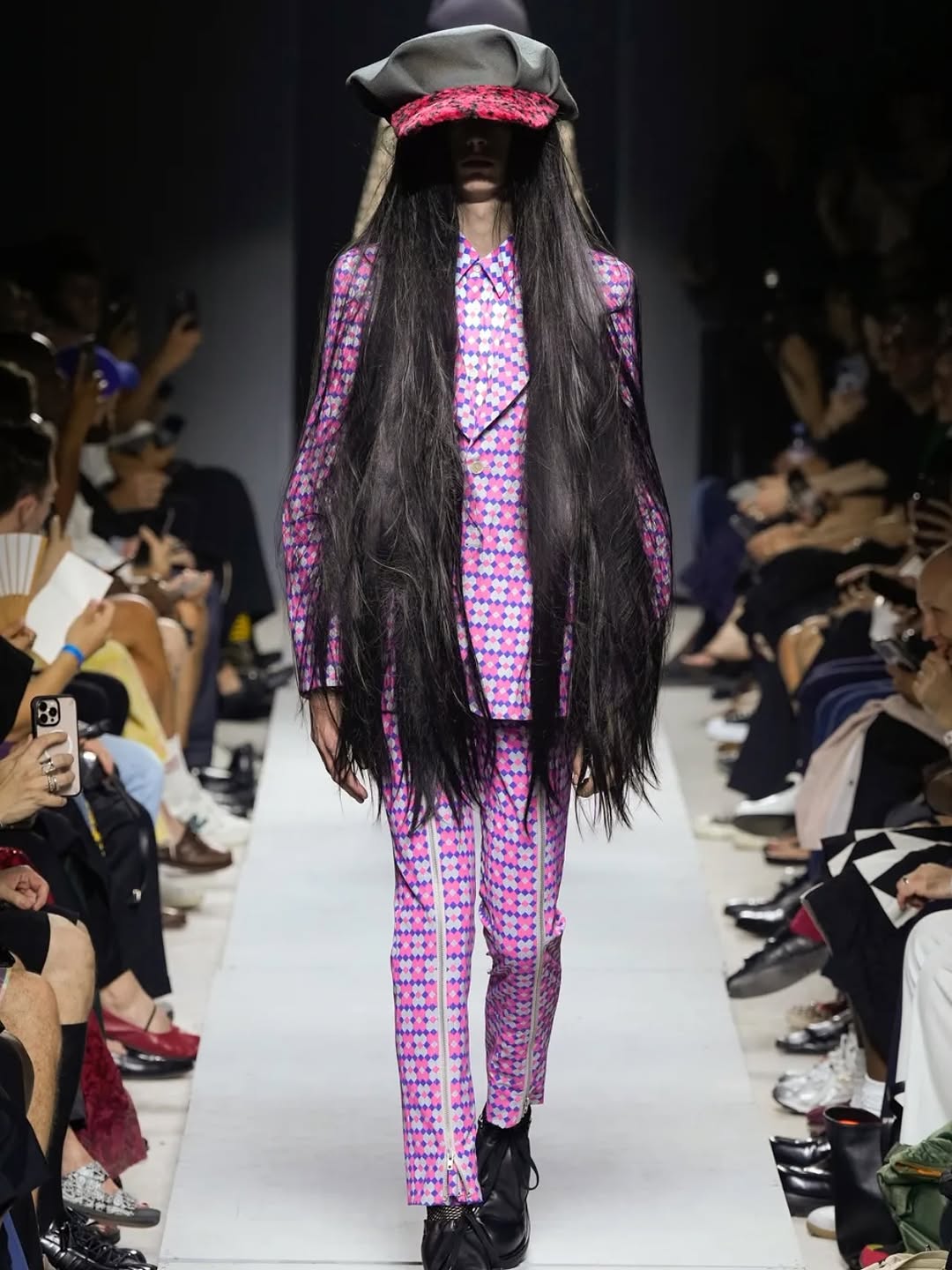
@commedesgarcons
@amiri
@yohjiyamamotoofficial
@amiparis
@louisvuitton
How lilmiquela Made This Paris Fashion Week Post and How to Recreate It
This frame looks simple at first glance: one subject, one chair, one laptop, and a plain room corner. But the image performs because it compresses character, attitude, and visual tension into one instantly readable scene. The styling is playful while the environment stays minimal, so the eye has nowhere to get lost. Your attention lands directly on posture, color contrast, and the exaggerated foreground leg line.
What makes this useful for small creators is that the effect is not expensive to reproduce. The scene needs basic indoor light, a clean wall, and one strong wardrobe contrast. The viral angle is not pure spectacle; it is a personality cue plus a framing decision that makes people stop and decode what is happening. The laptop prop helps too. It adds narrative friction: is she working, performing, or parodying productivity? That ambiguity increases dwell time and comments because audiences project their own interpretation. The post caption about fashion-week perspective and "less noise, more intention" also aligns with the visual language: the photo says deliberate styling, not random chaos. Alignment between image mood and caption theme is a repeatable growth lever.
Why This Creative Pattern Travels Fast
The image works because it combines three mechanisms in one scroll moment. First, it has geometric clarity: corner lines, floor planks, and an extended foreground limb create a visual path from bottom edge to face. Second, it has contrast discipline: warm wood and rust knitwear against cool blue top and off-white walls. Third, it has persona encoding: the dual-bun hairstyle, stylized pose, and laptop create a recognizable "character scene" instead of a generic outfit photo. These mechanisms are easy to remember, which increases replication by other creators.
Signal
Evidence (from this image)
Mechanism
Replication Action
Forced-perspective anchor
One orange leg warmer extends toward camera and dominates foreground.
Creates depth drama and instant stop-scroll tension.
Lock a low camera angle and keep one limb or prop entering foreground at 35-45% frame length.
Color duality
Blue/yellow top against warm orange knitwear and warm wood floor.
High memorability through complementary warm-cool split.
Choose one cool garment and one warm statement piece; reduce other colors to neutrals.
Narrative ambiguity
Laptop balancing pose looks functional and theatrical at once.
Ambiguity invites comments and interpretation.
Add one prop that conflicts slightly with pose expectation (work tool + fashion pose).
Minimal scene entropy
Plain textured walls and clean floor, almost zero background clutter.
Reduces cognitive load so styling reads immediately.
Strip the set before shooting; keep only one chair and one secondary object.
Where It Fits Best, Where It Does Not, and How to Transfer
Best-fit scenarios
Fashion micro-editorials: Fits because pose and color styling are the hero; change wardrobe palette to match your niche.
Creator branding posts: Fits because character identity is clear in one frame; change prop to your domain tool (camera, tablet, sketchbook).
Announcement visuals: Fits because laptop/prop can imply "new drop" or "new project"; change expression from dreamy to assertive for launch tone.
Moodboard carousel covers: Fits because composition reads in small thumbnail; change crop tighter if platform preview is crowded.
Not ideal
Product-detail commerce shots: The perspective drama can distract from fine product features.
Multi-person storytelling: The frame language is optimized for one focal subject, not group interaction.
Information-dense educational posts: Clean minimal background leaves little room for text overlays without clutter.
The strongest aesthetic decision is the perspective stretch. The extended knit-covered leg is not a random pose detail; it is the frame's directional engine. It pulls attention from the bottom edge to the upper body and then to the face. The second decision is texture contrast: rough wall texture, smooth laptop shell, soft knit fabric, and polished wood floor all read as distinct surfaces, which gives the image tactile richness without adding extra objects. Third, the palette stays disciplined. Off-white walls and wood floor act as a neutral stage, while the blue top and rust leg warmers carry the identity signal. Fourth, the composition leaves enough negative space around the subject to preserve editorial calm. Nothing fights for priority. Finally, the lighting is gentle and warm rather than dramatic. That choice keeps the image shareable and lifestyle-friendly, avoiding overproduced "campaign" distance. For creators, this is a practical lesson: visual hierarchy can be built with pose geometry, controlled palette, and set subtraction more reliably than with expensive lighting rigs.
Observed
Recreate
Low camera height with converging wall lines
Place camera near floor and tilt slightly upward while keeping vertical frame.
Two-to-three dominant color family
Limit scene palette to neutral background plus one cool and one warm accent.
Foreground element occupies large depth span
Direct one limb or prop toward lens and keep it sharp enough to read texture.
Background cleanliness
Use plain wall corner, remove decor, and preserve negative space around subject.
Prompt Technique Breakdown
Prompt chunk
What it controls
Swap ideas (EN, 2-3 options)
"one subject seated in a minimalist room corner"
Subject count and scene simplicity
"single model by plain wall" | "solo subject in empty studio corner" | "one person on low chair in bare room"
"one leg extended toward camera in exaggerated perspective"
Depth drama and stop-scroll geometry
"foreground arm reaching lens" | "shoe angled close to lens" | "prop crossing foreground diagonally"
"soft warm indoor ambient light"
Mood, skin rendering, and shareability
"gentle tungsten apartment light" | "warm window bounce" | "soft neutral fill with mild warmth"
"blue fitted tee with yellow trim, rust over-knee knit warmers"
Color identity and wardrobe memorability
"red knit + mint top" | "cream set + cobalt socks" | "black base + neon accent sleeves"