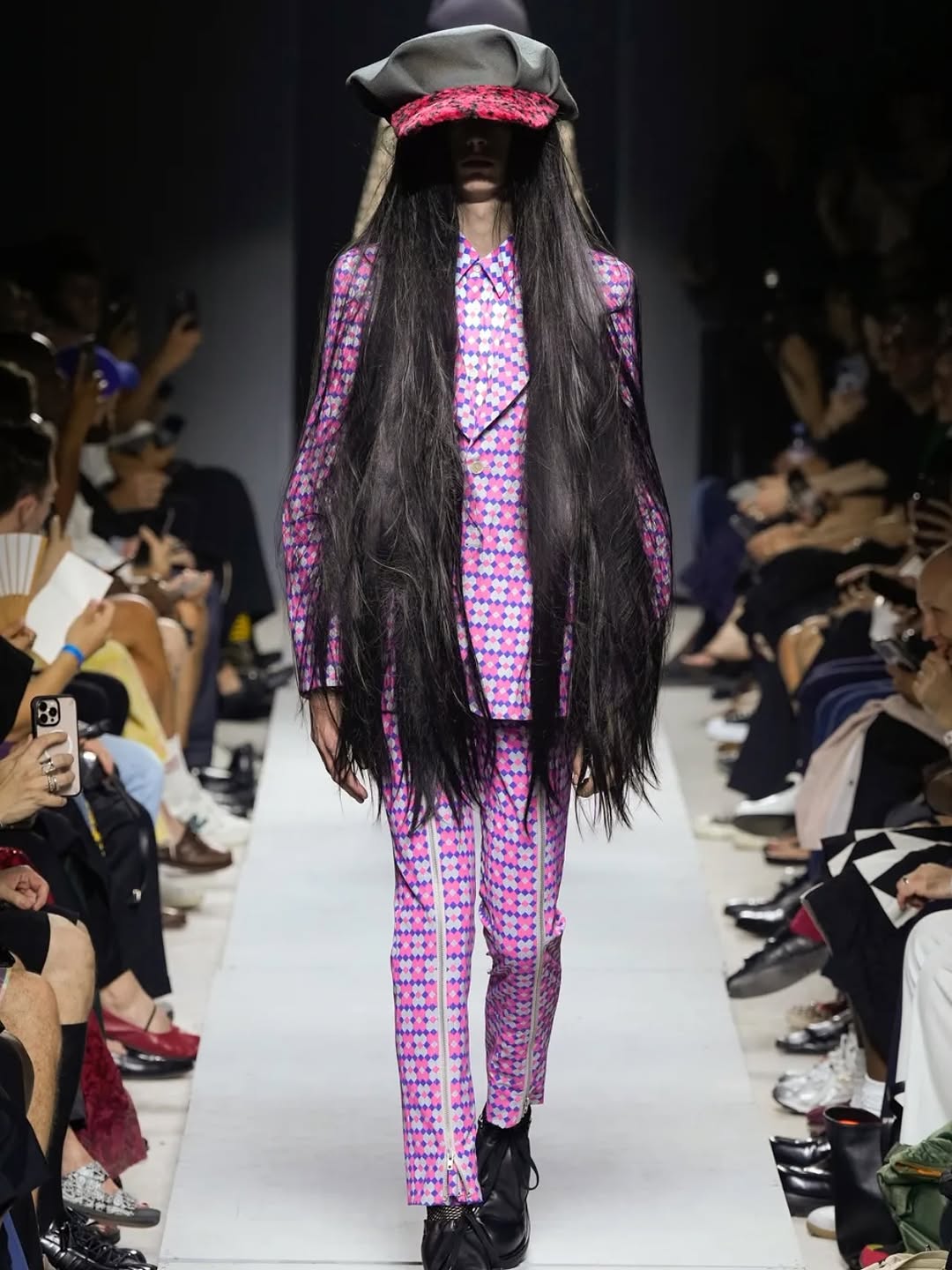
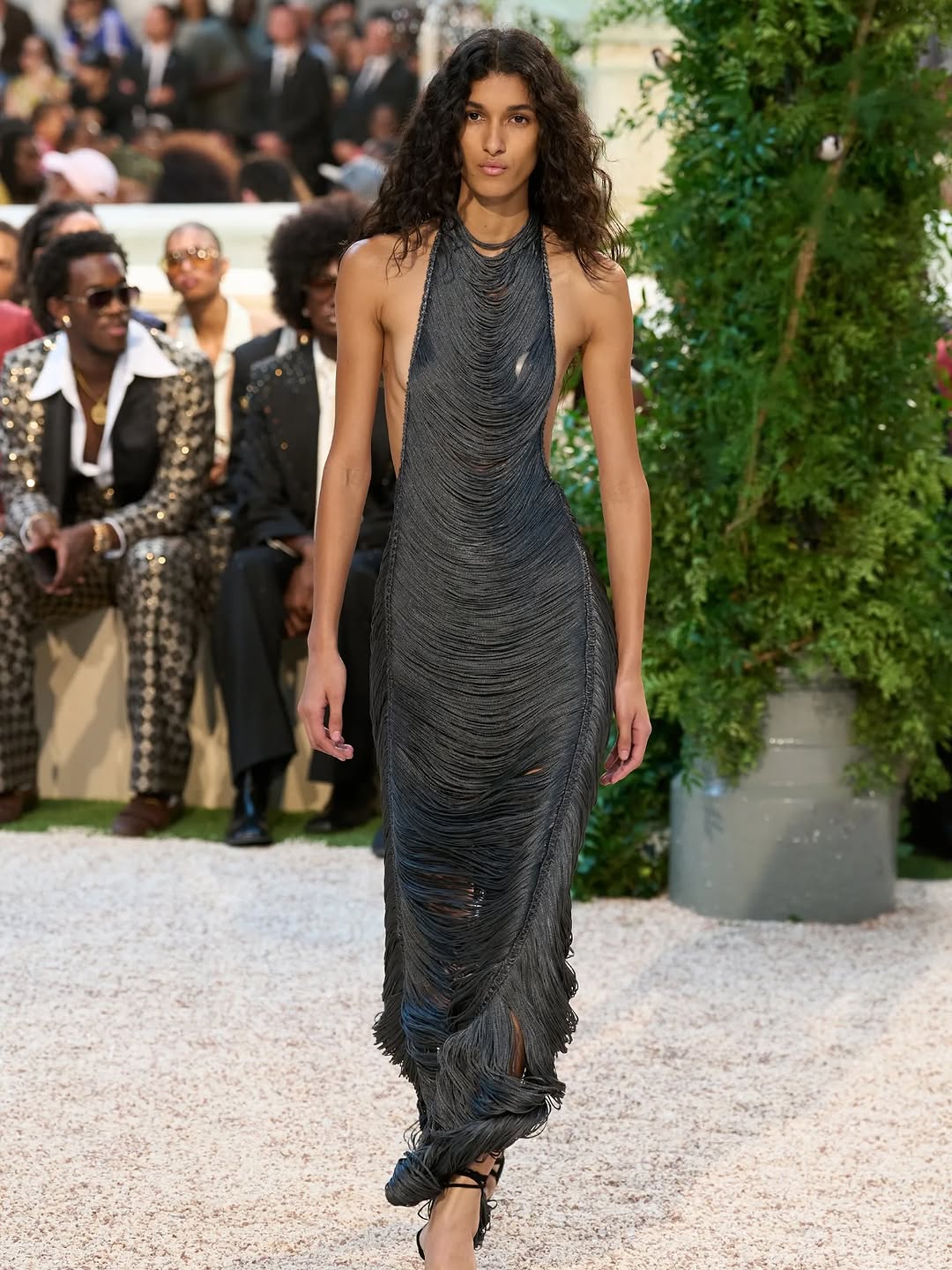
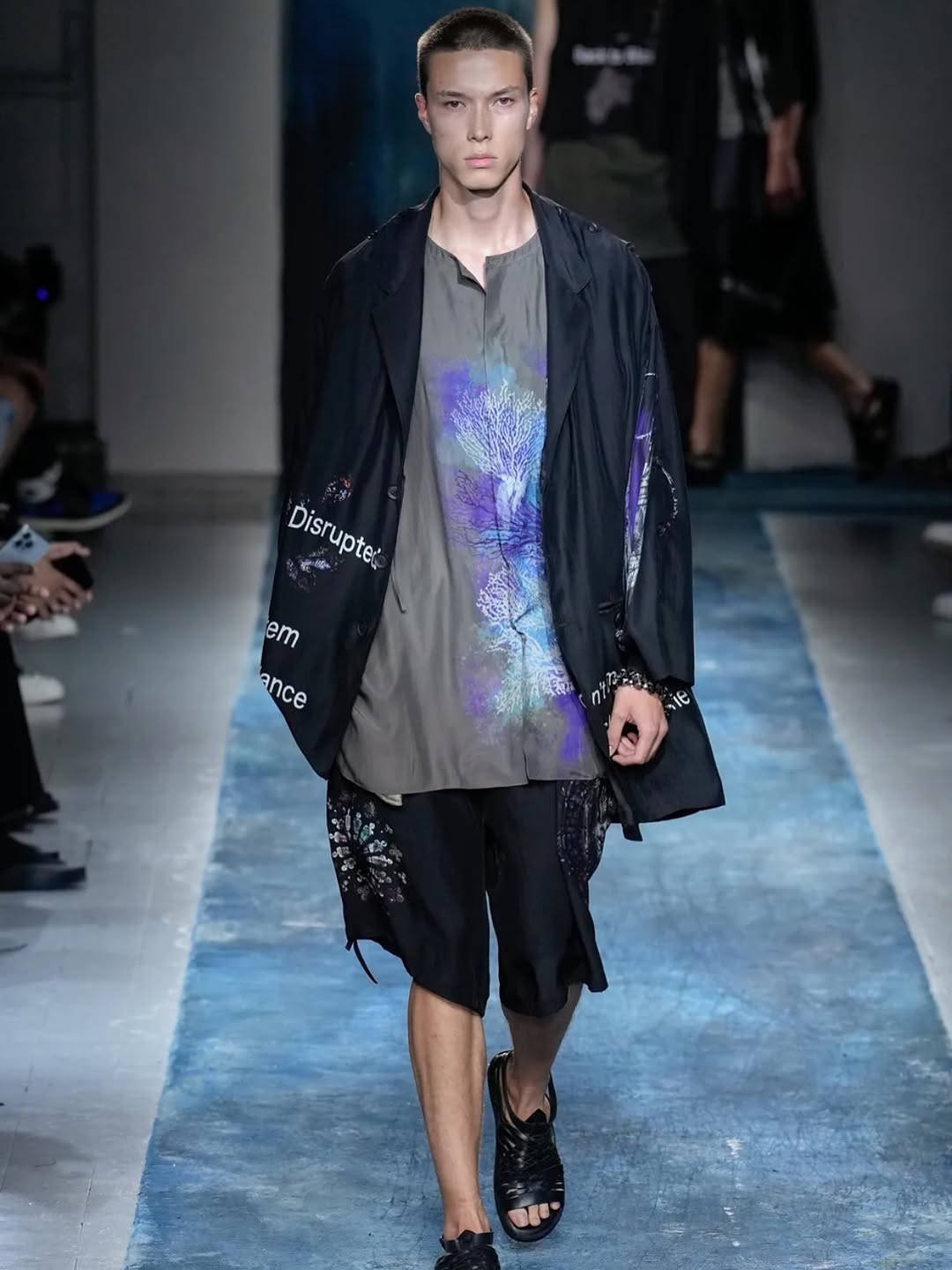
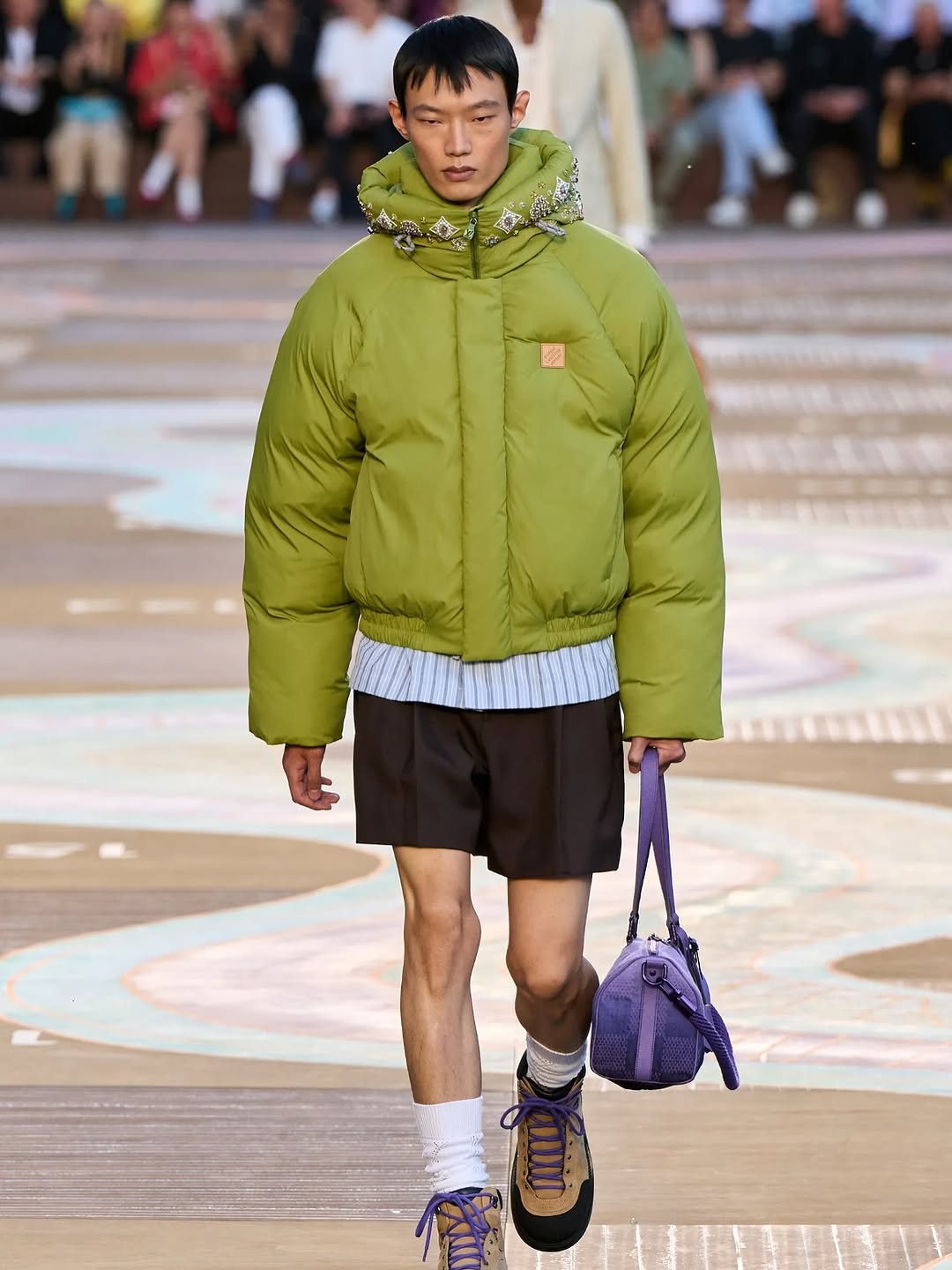
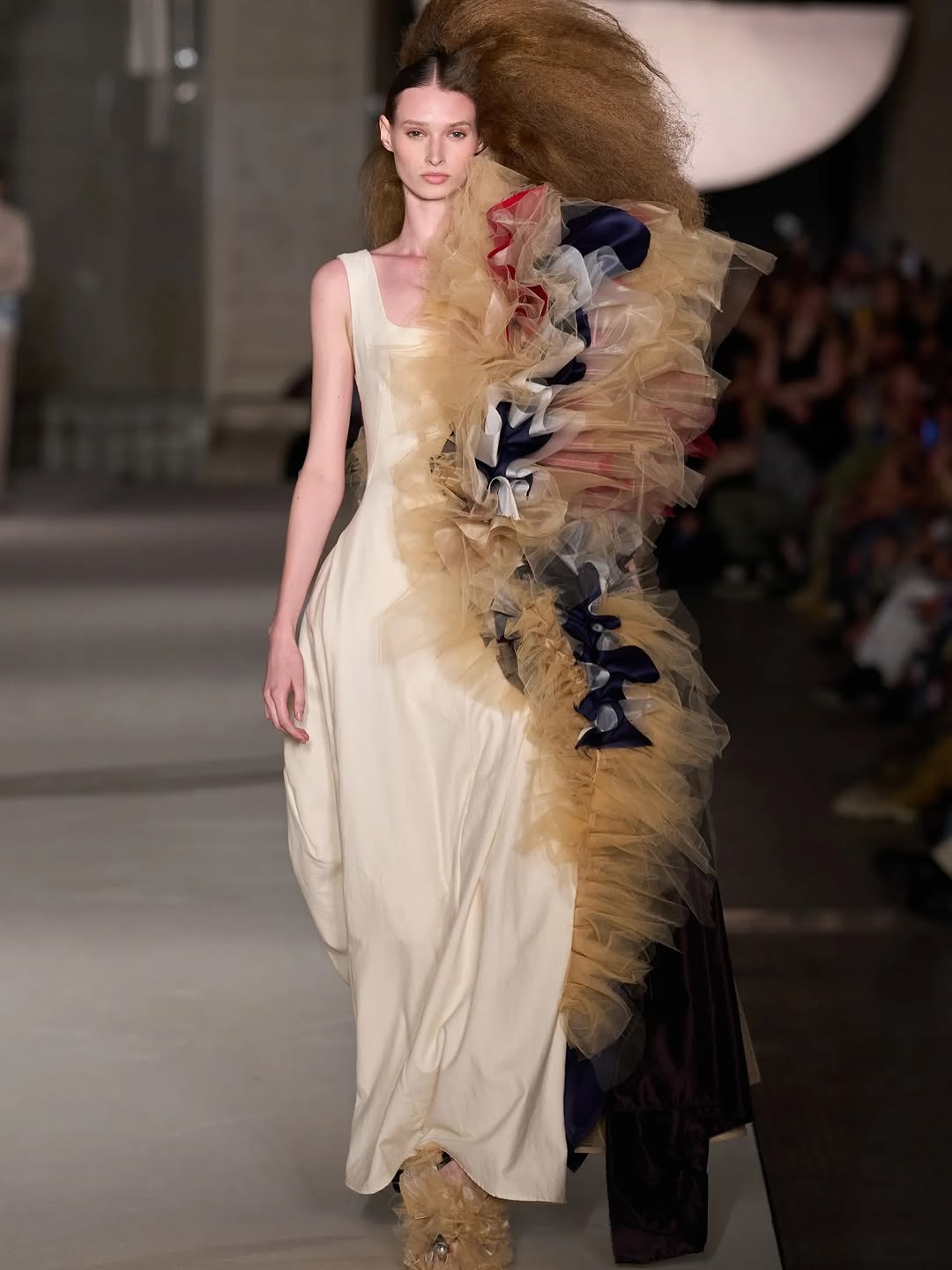
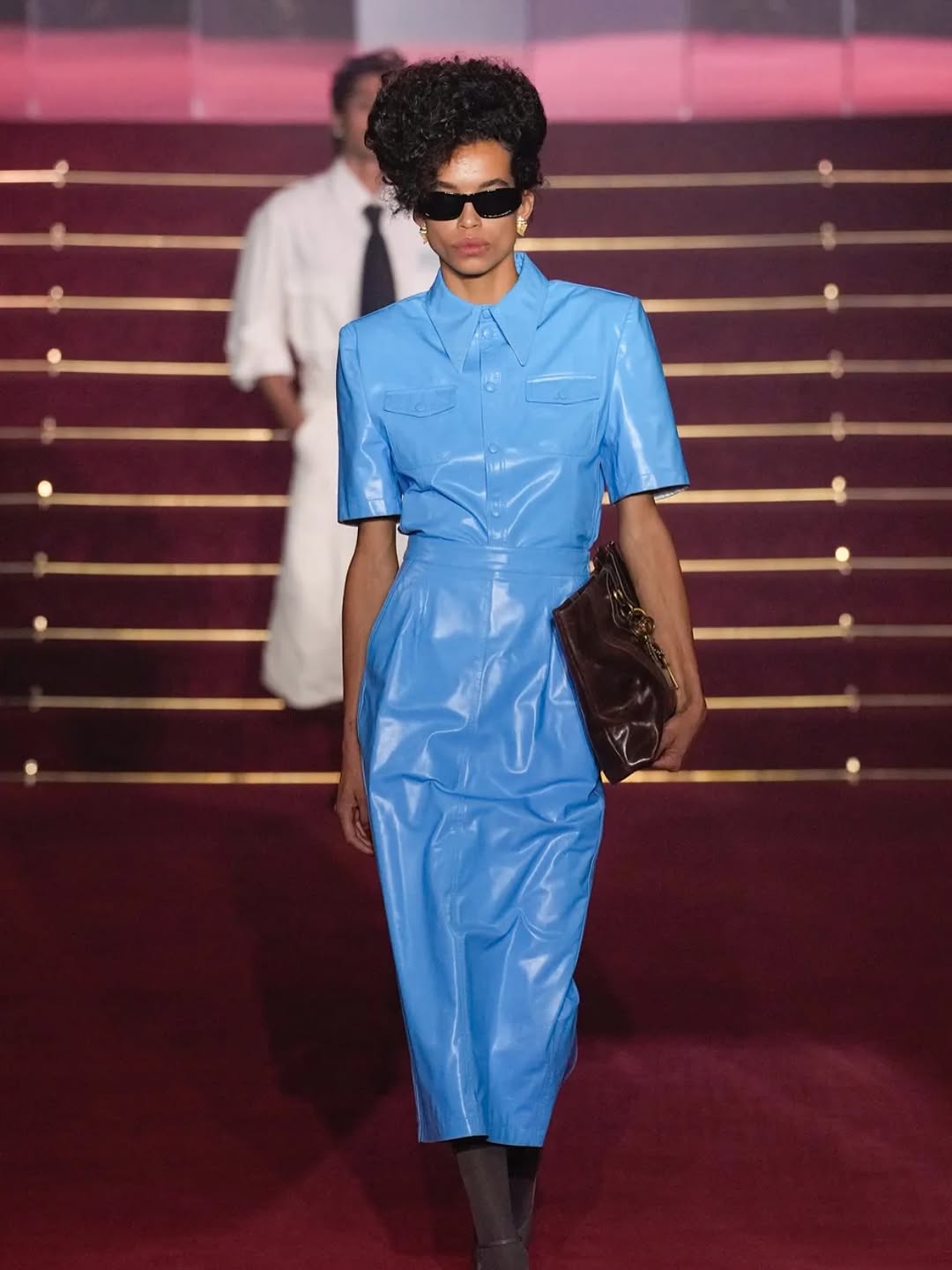
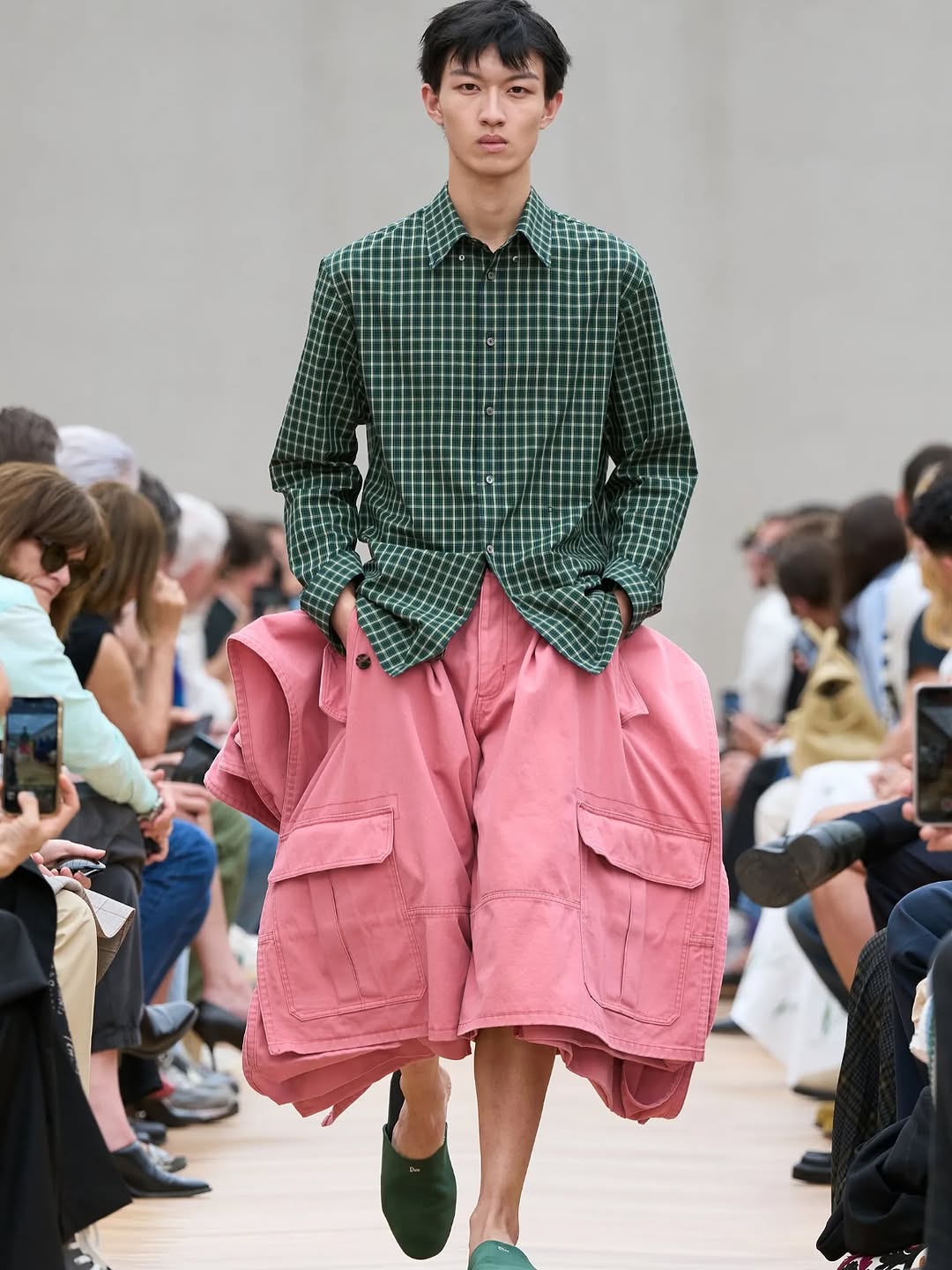
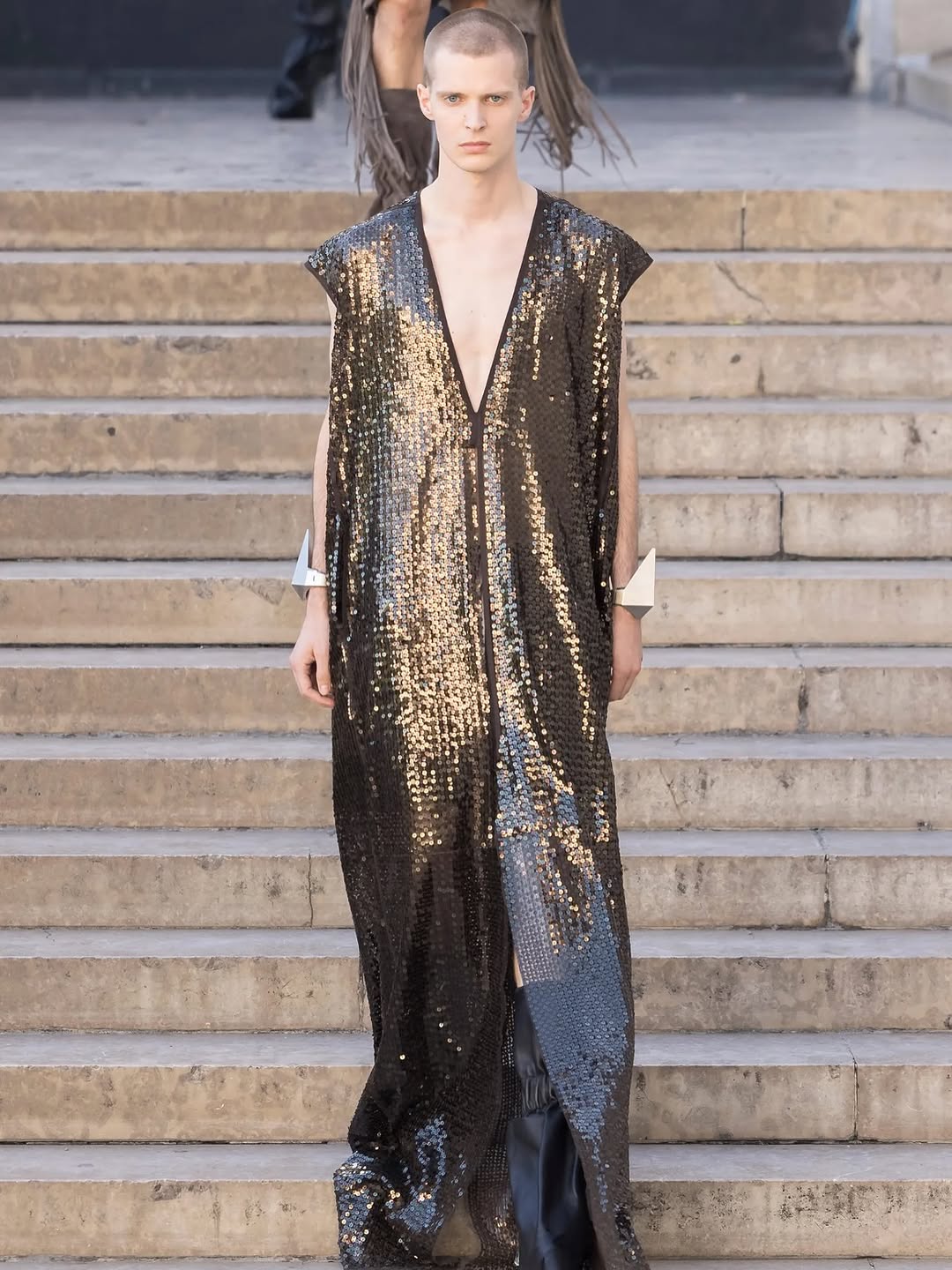
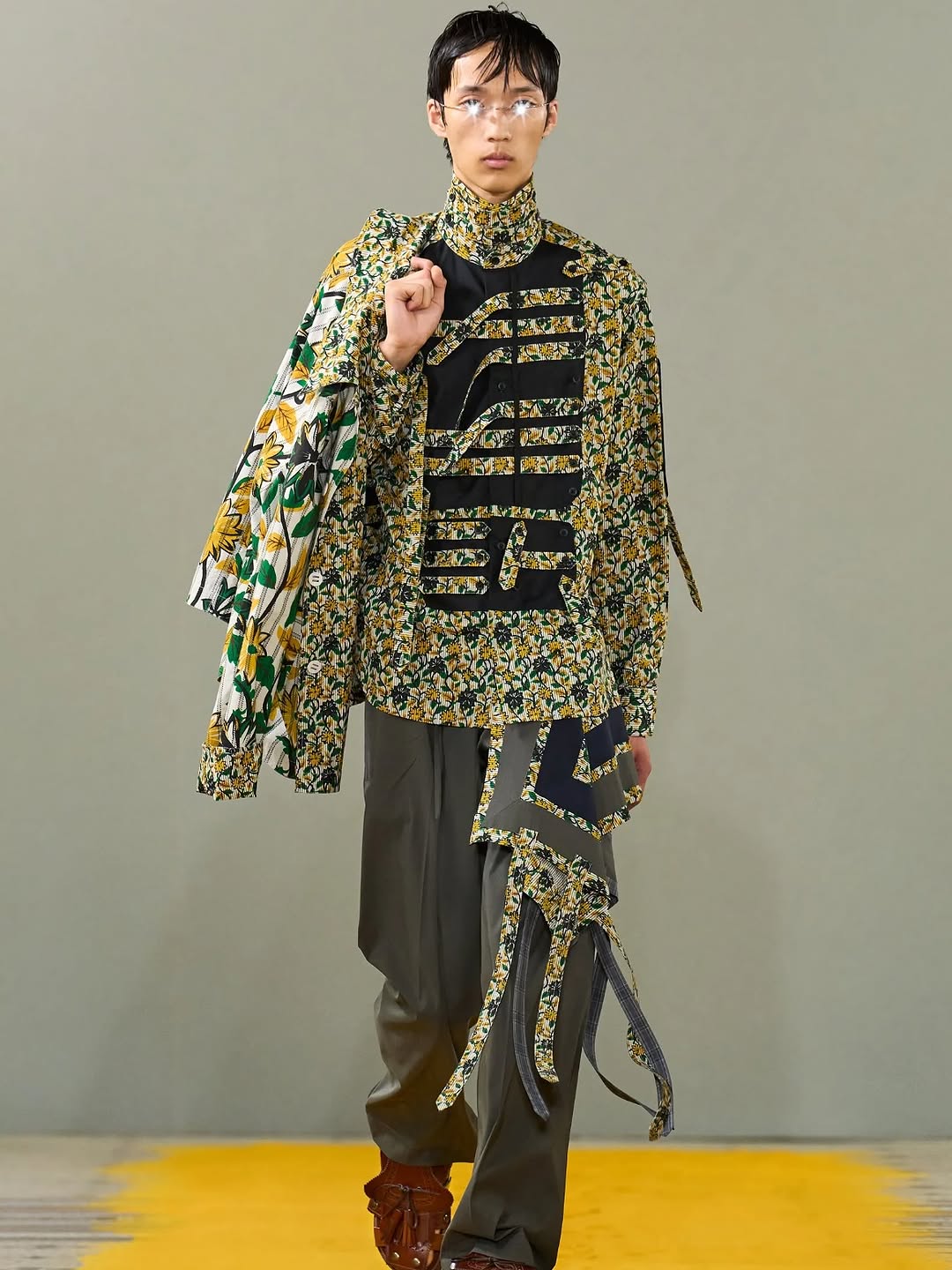
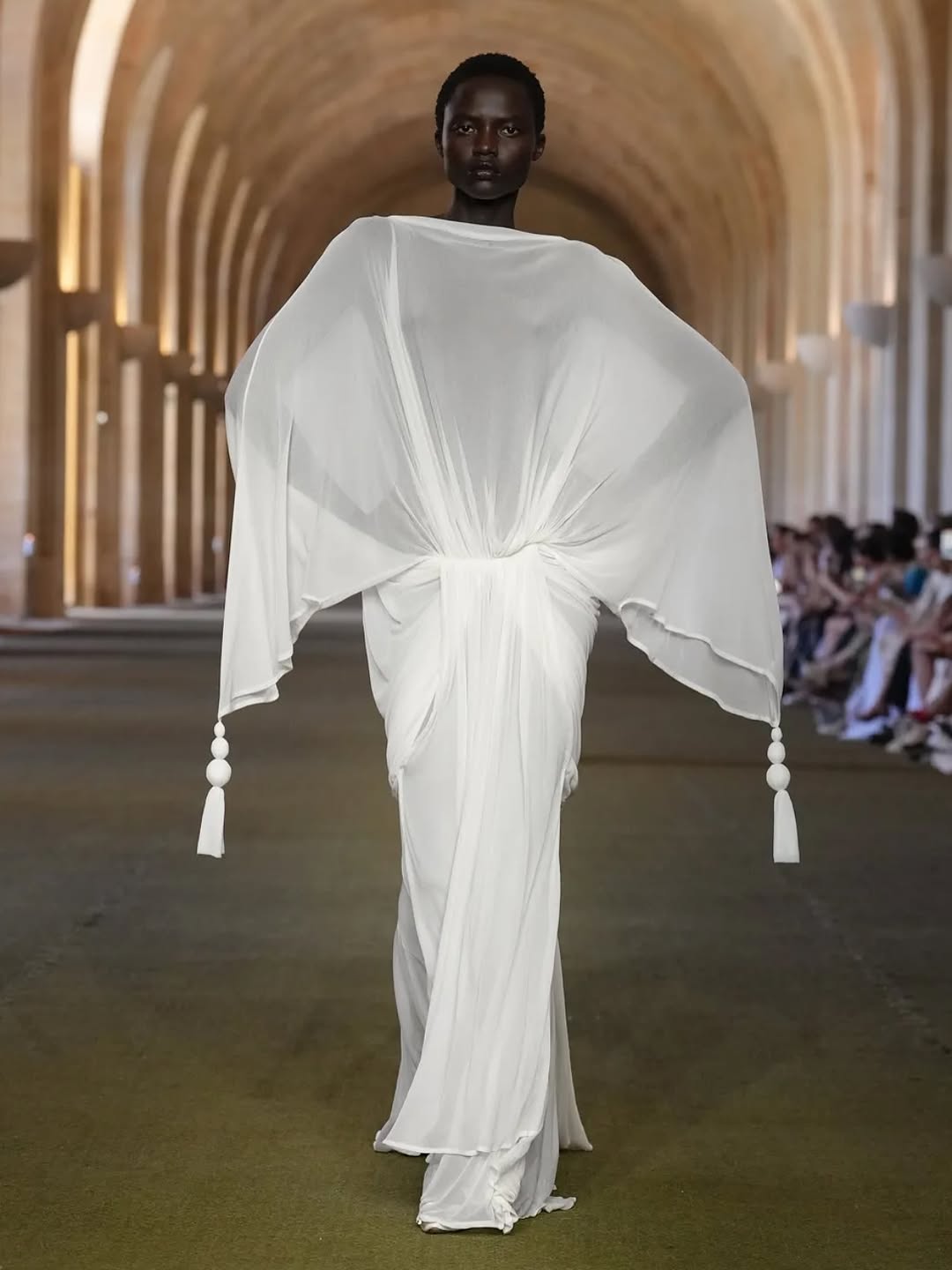
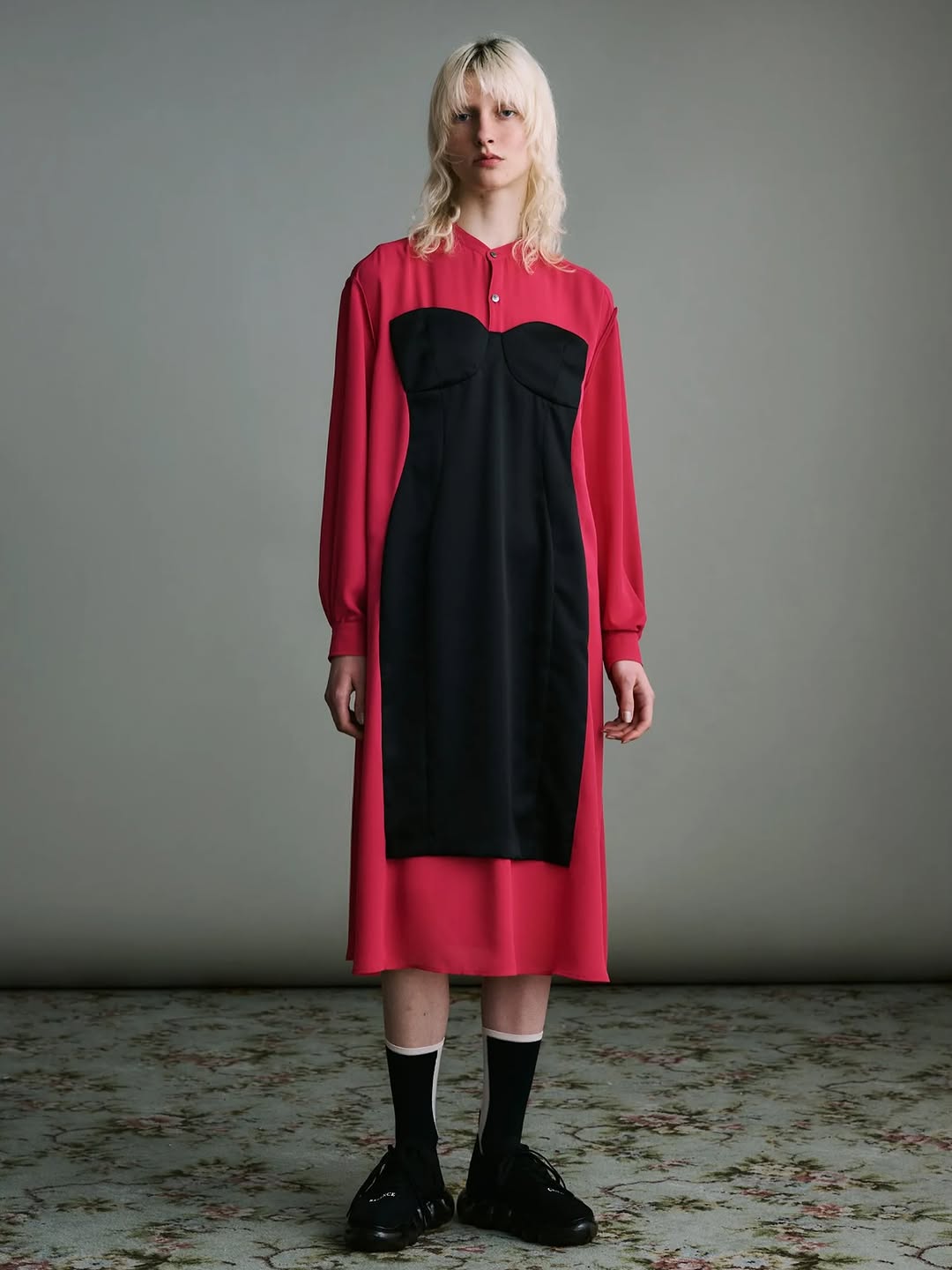
Paris Fashion Week favorites ⬇️!!👗👔
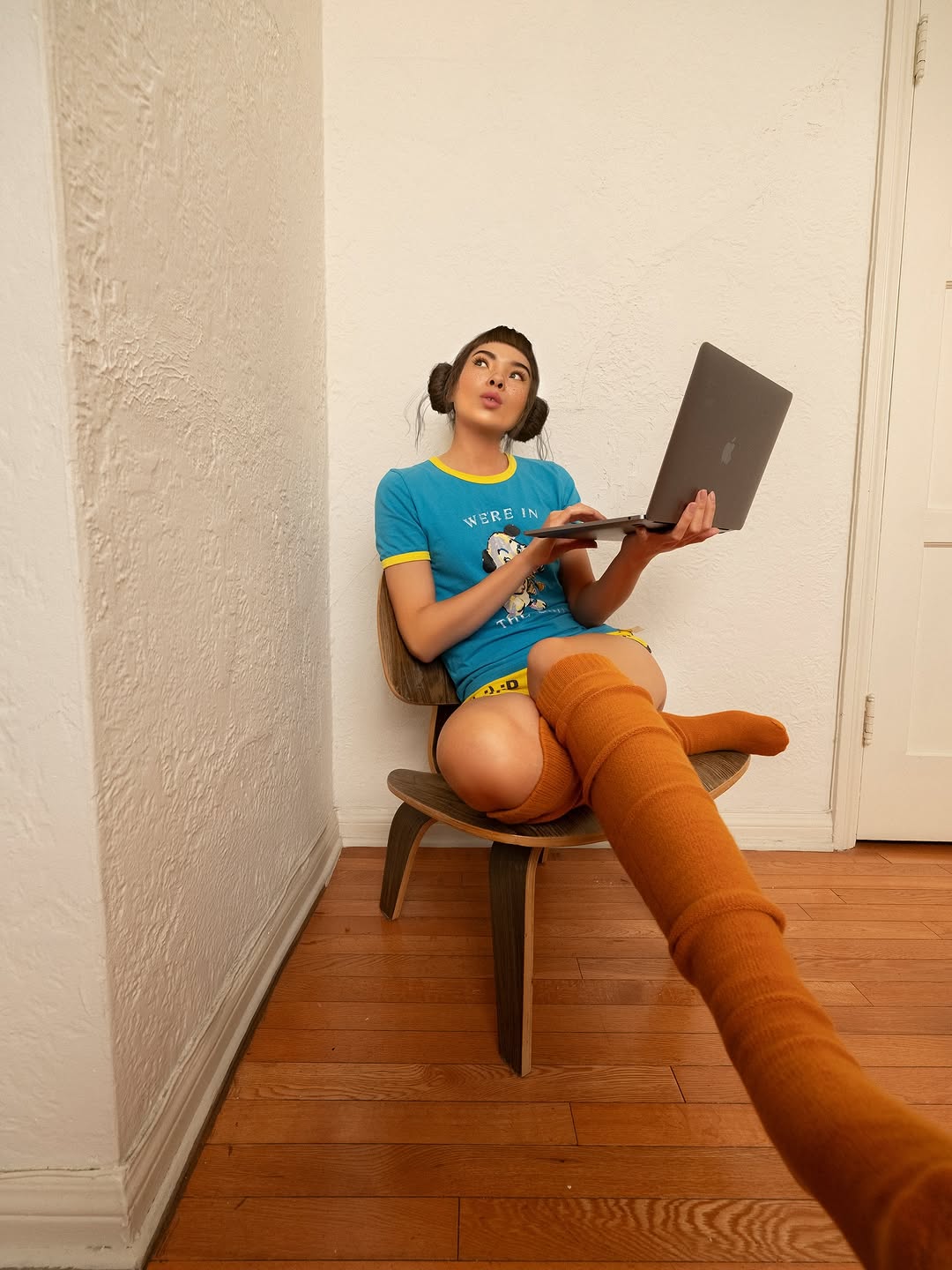
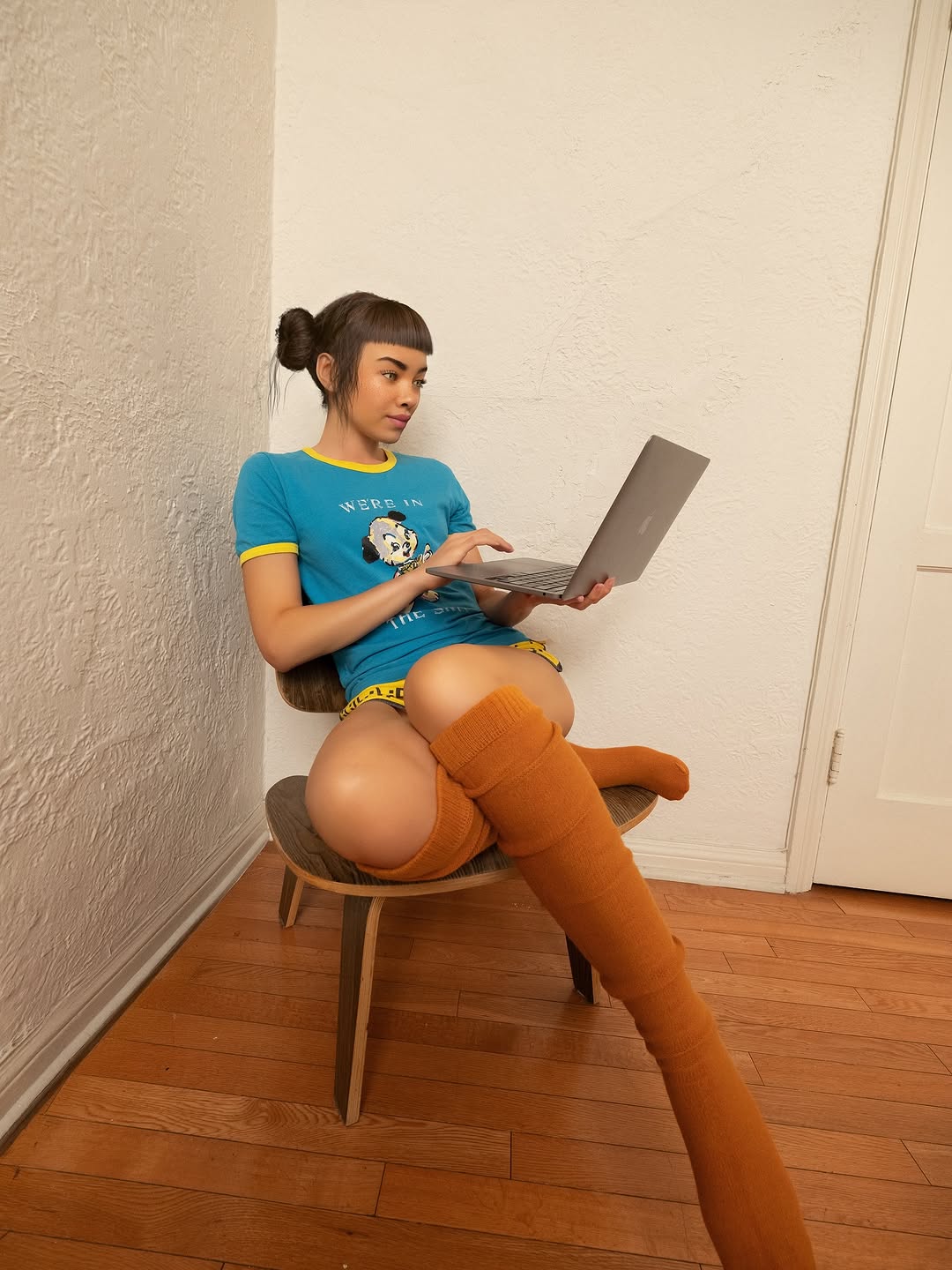
Me in my comfy Miranda Priestly era. ✍️👜
I’m always thinking about the future and what it feels like…and this season surprised me. Unique silhouettes and quiet opulence are being read as futuristic. Less noise, more intention. Beauty as resistance. Romance without irony. What do you think? 🤔Who was your favorite?
Top faves:
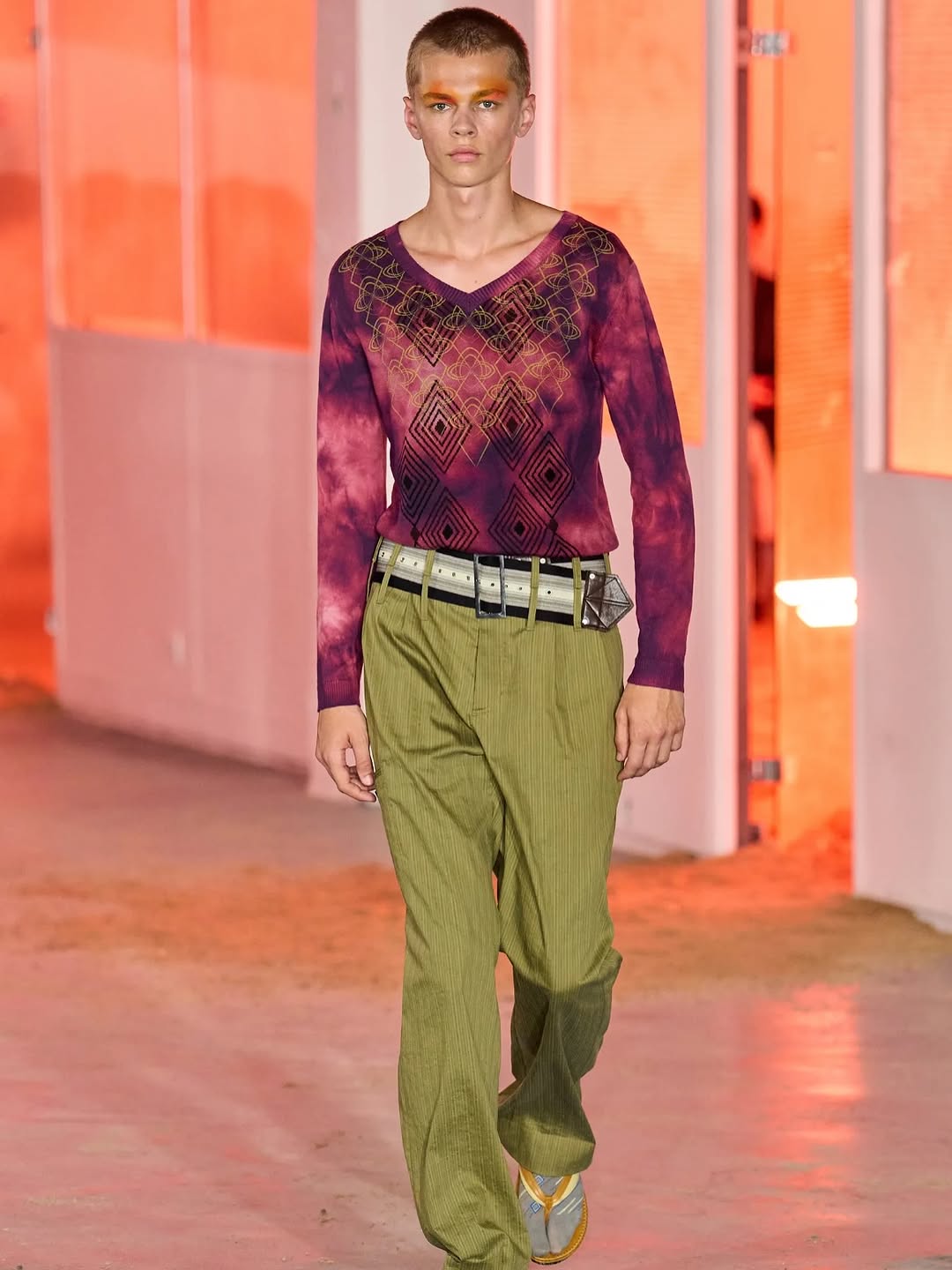
@kidsuper (OBSESSED with the colors in this show! 🎨)
@willychavarrianewyork(🇲🇽 love how he uses his platform)
@dior (welcome Jonathan Anderson!! 👋)
@rickowensonline (I wanted to get in the water 😩💧)
Other highlights:
@craig__green
@jacquemus
@undercover_lab
@kikokostadinov
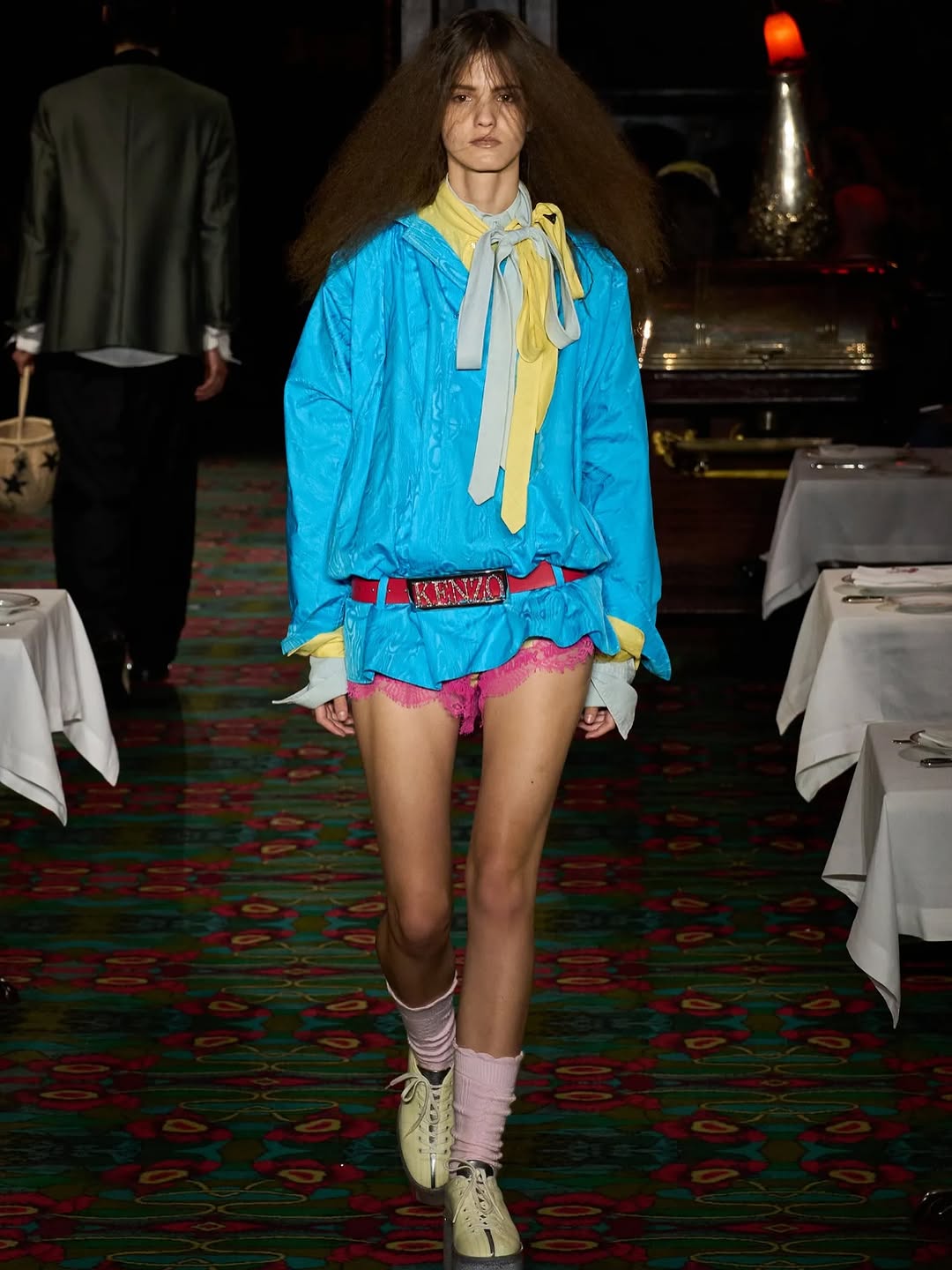
@kenzo
@commedesgarcons
@amiri
@yohjiyamamotoofficial
@amiparis
@louisvuitton
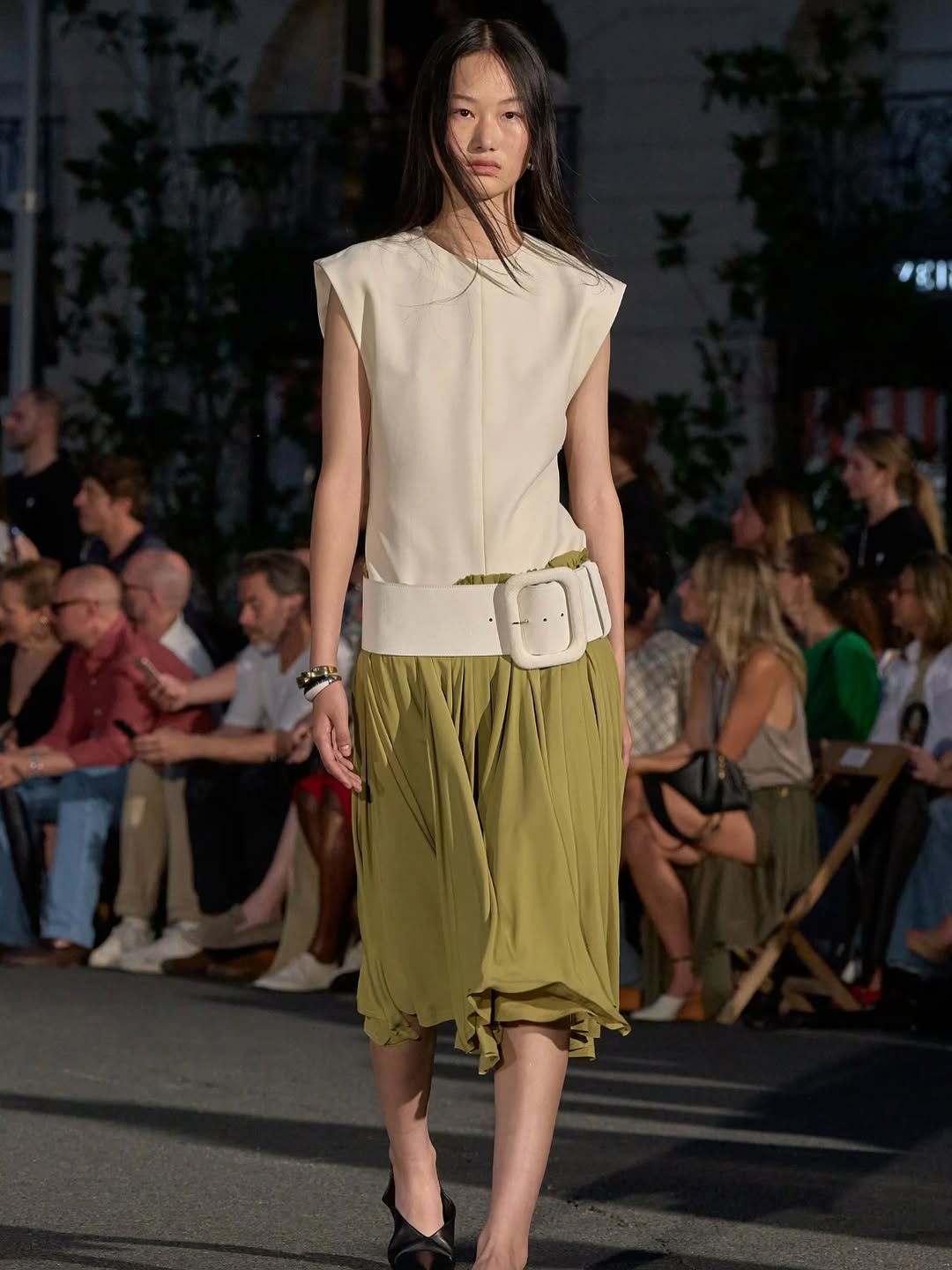
How lilmiquela Styled This Paris Fashion Week Quiet Luxury Look
This image captures exactly what many creators are trying to explain in words: futurism does not always mean metallic drama. Here, futurism is shape discipline. A clean cream top, a sculptural belt, and a fluid olive skirt create tension between structure and softness.
The look feels intentional rather than loud, which is why it aligns with current “less noise, more precision” fashion storytelling.
Why this post can travel
The first mechanism is silhouette clarity. Even in small thumbnail size, the oversized belt and angular shoulder line are instantly recognizable. The second mechanism is wearable fantasy. The outfit is editorial, but still imaginable for real life with adaptation, which increases saves for style reference.
Signal
Evidence (from this image)
Mechanism
Replication Action
Signature silhouette hook
Oversized belt + structured shoulder top
Distinct shape improves memory
Design one “hero geometry” element per look
Texture contrast
Crisp top paired with fluid draped skirt
Material duality adds visual sophistication
Pair rigid and soft fabrics in one outfit narrative
Context credibility
Audience-lined runway environment
Real show context boosts authority
Keep venue and crowd cues visible around model
Best-fit scenarios
Fashion week recap content: ideal for silhouette trend analysis.
Quiet luxury moodboards: strong when emphasizing restraint over embellishment.
Style education posts: useful to teach proportion and structure.
Retail adaptation carousels: works for “runway-to-real-life” breakdowns.
Not ideal
Streetwear hype pages focused on logos and loud prints.
Beauty-only posts that crop away full outfit proportion.
Fast meme formats where subtle tailoring details are lost.
Three transfer recipes
Keep: one strong waist statement. Change: top architecture. Template: "{structured top} + {hero belt} + {fluid bottom}"
Keep: neutral palette with one earthy tone. Change: fabric weight. Template: "{cream base} {olive accent} {shape-first styling}"
Keep: runway documentary framing. Change: model pace and camera distance. Template: "{catwalk centerline} {audience context} {silhouette readability}"
Aesthetic read
The strongest aesthetic choice is proportion control. The belt is intentionally oversized, turning the waist into an architectural point. The top supports that with clean geometry, while the skirt releases tension through drape. This push-pull makes the look feel modern and calm at once. For creators, that is a useful formula when discussing future-facing fashion without relying on obvious tech motifs.