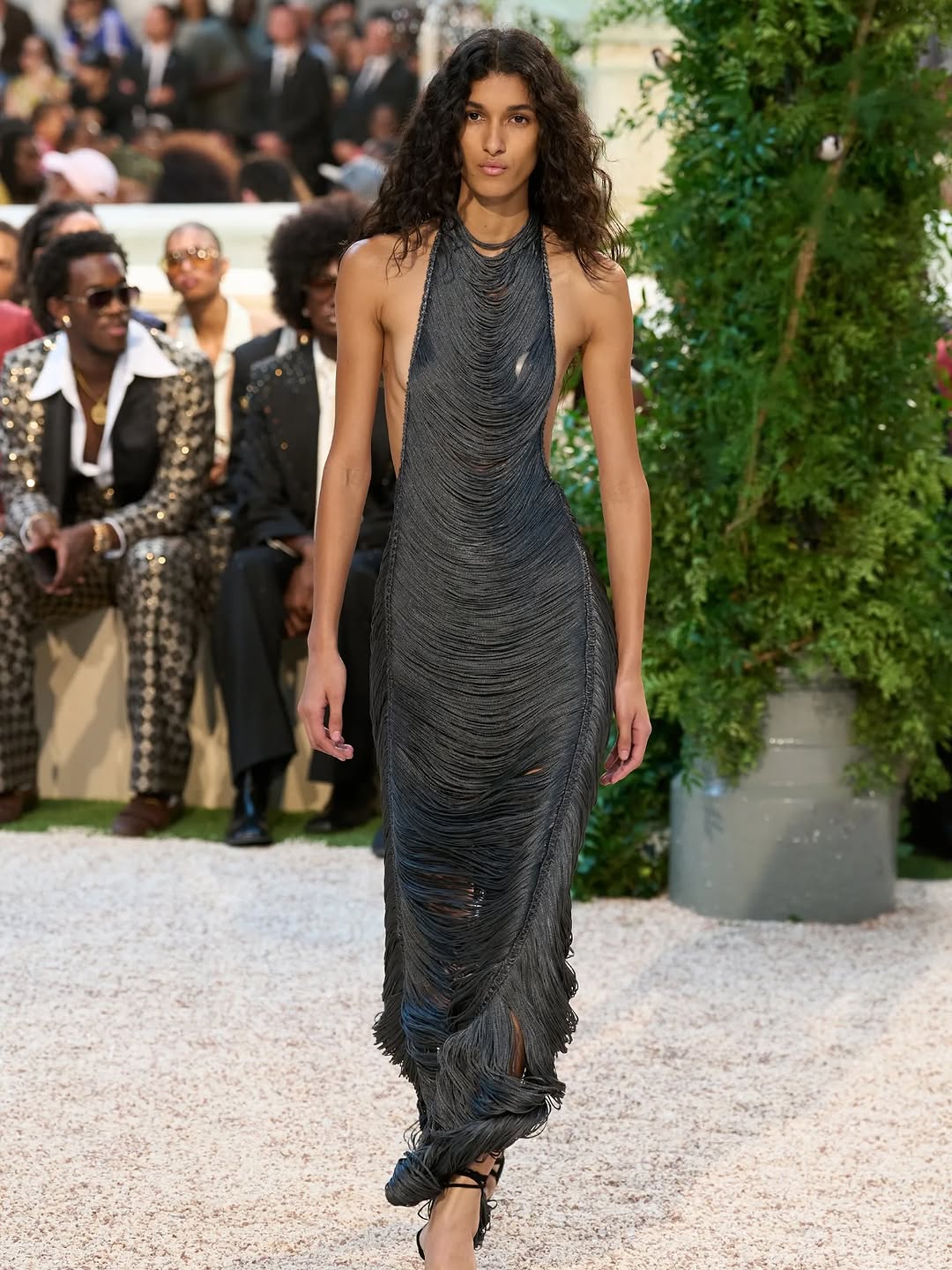
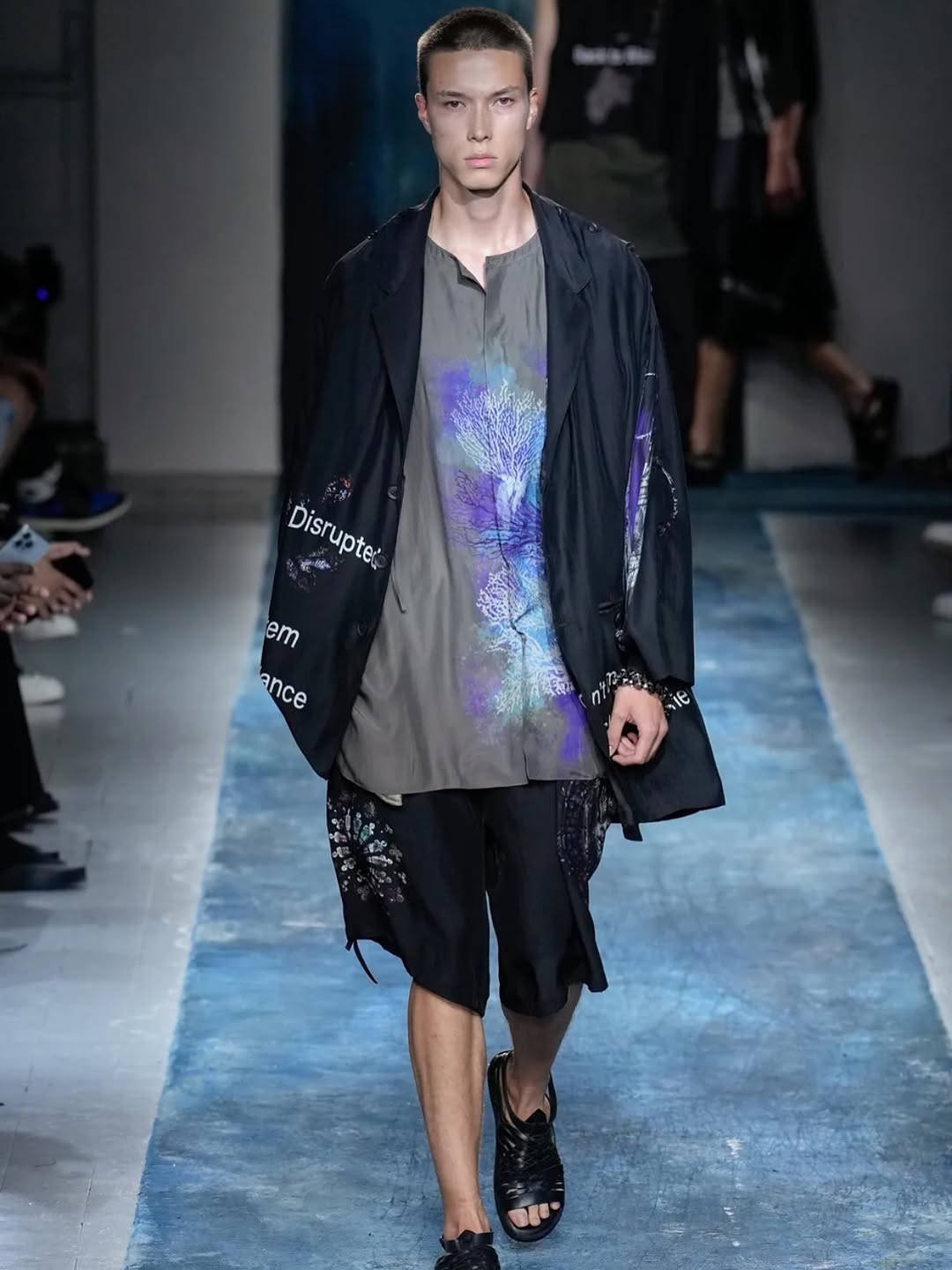
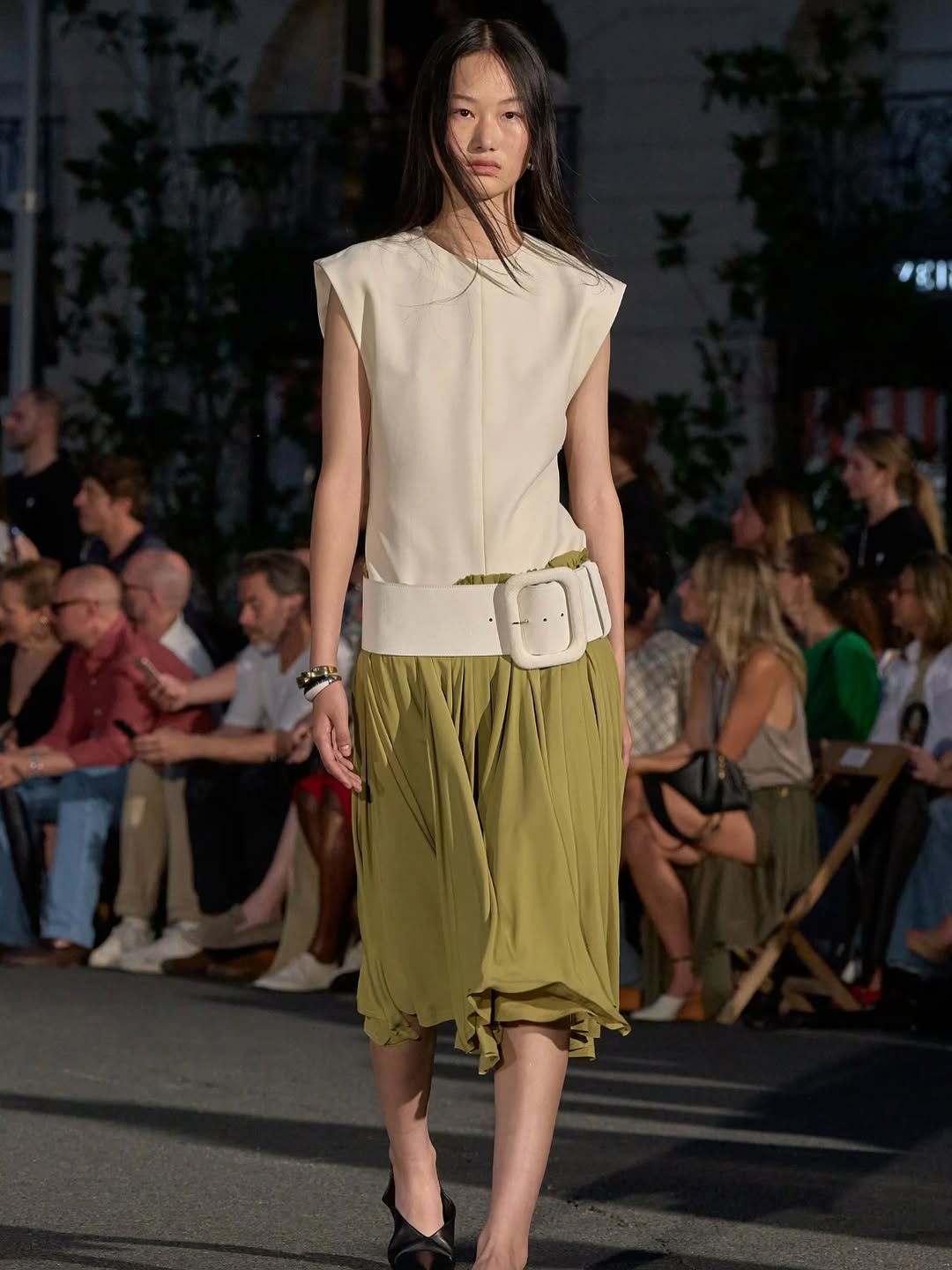
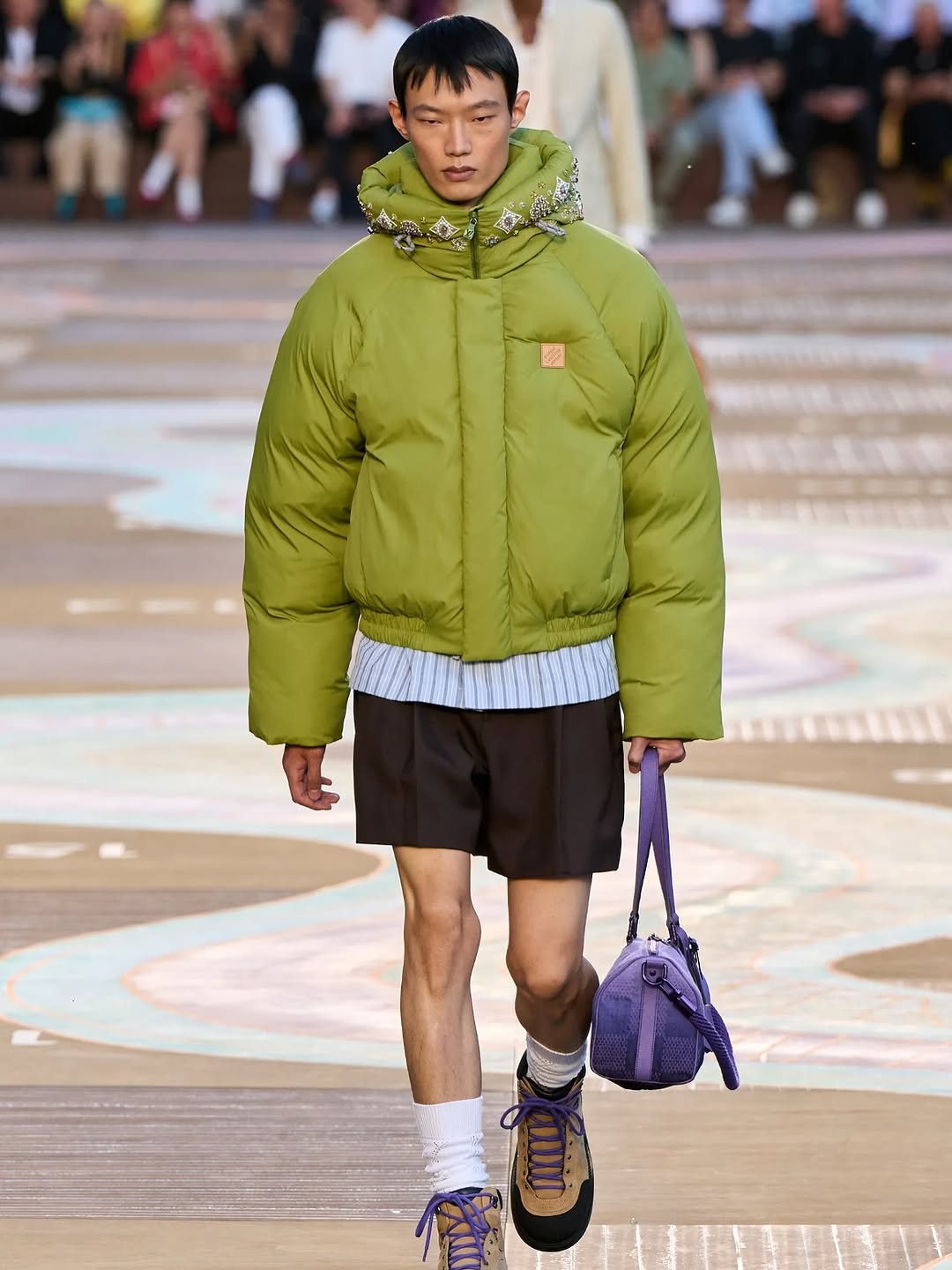
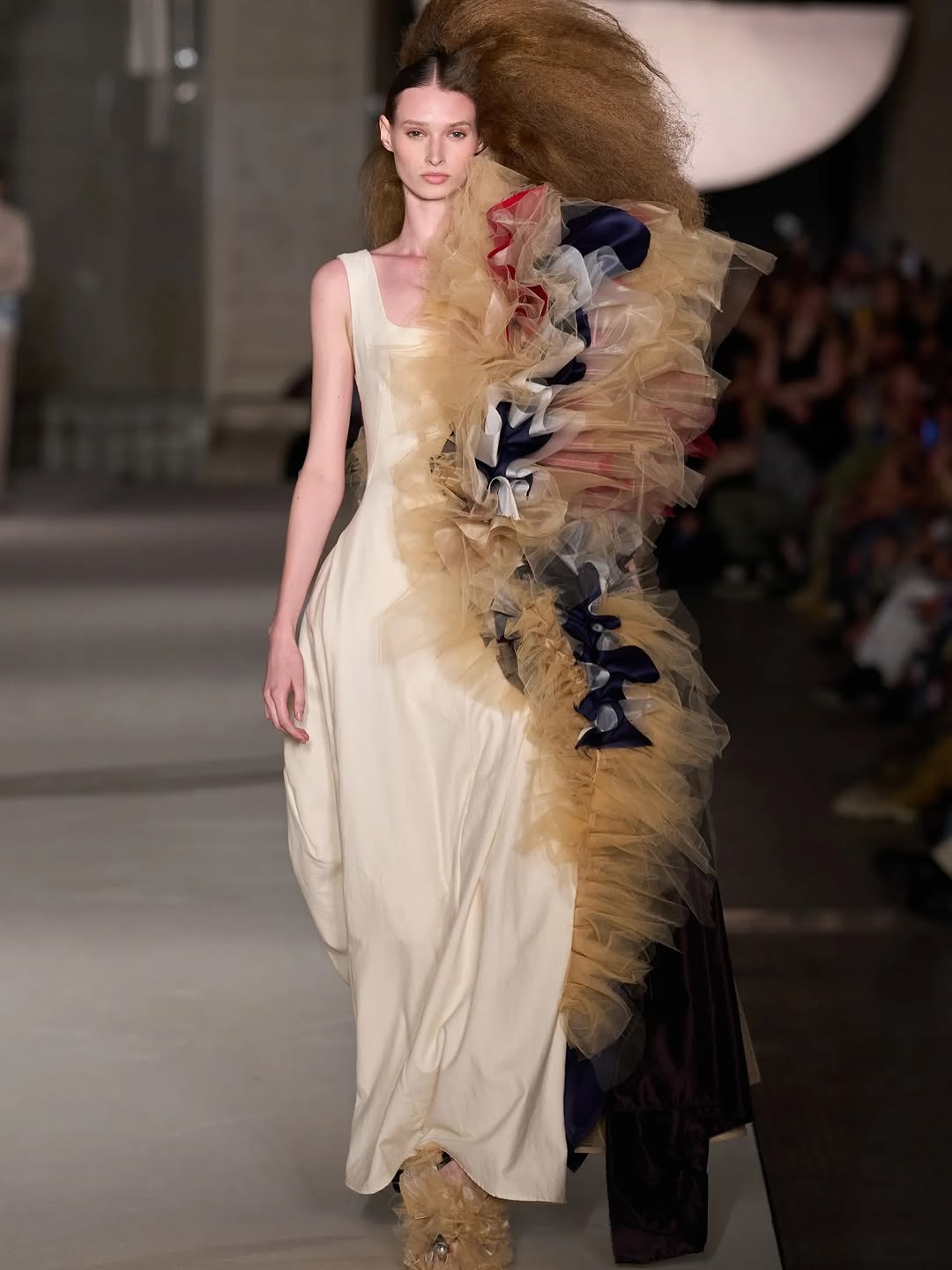
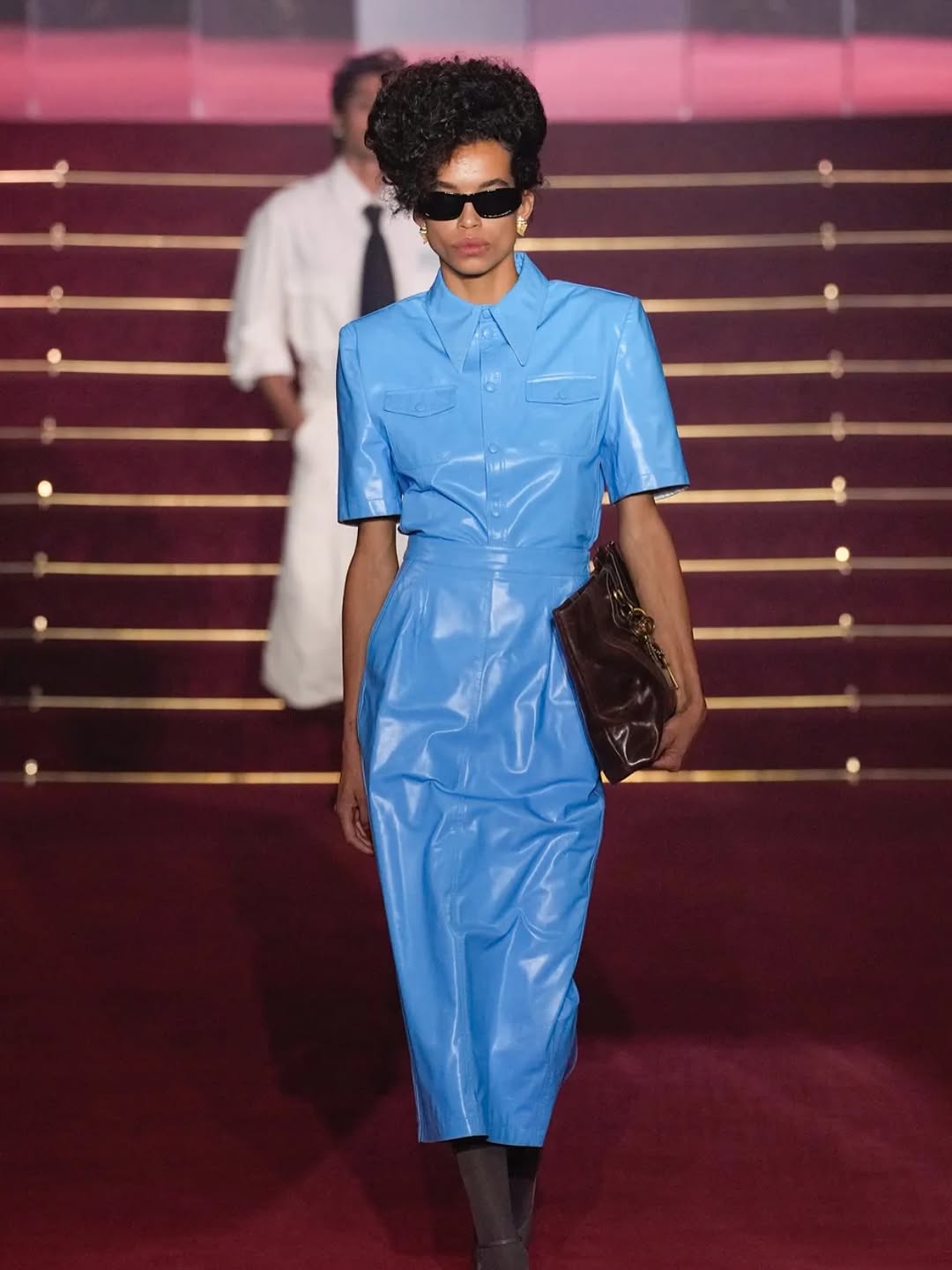
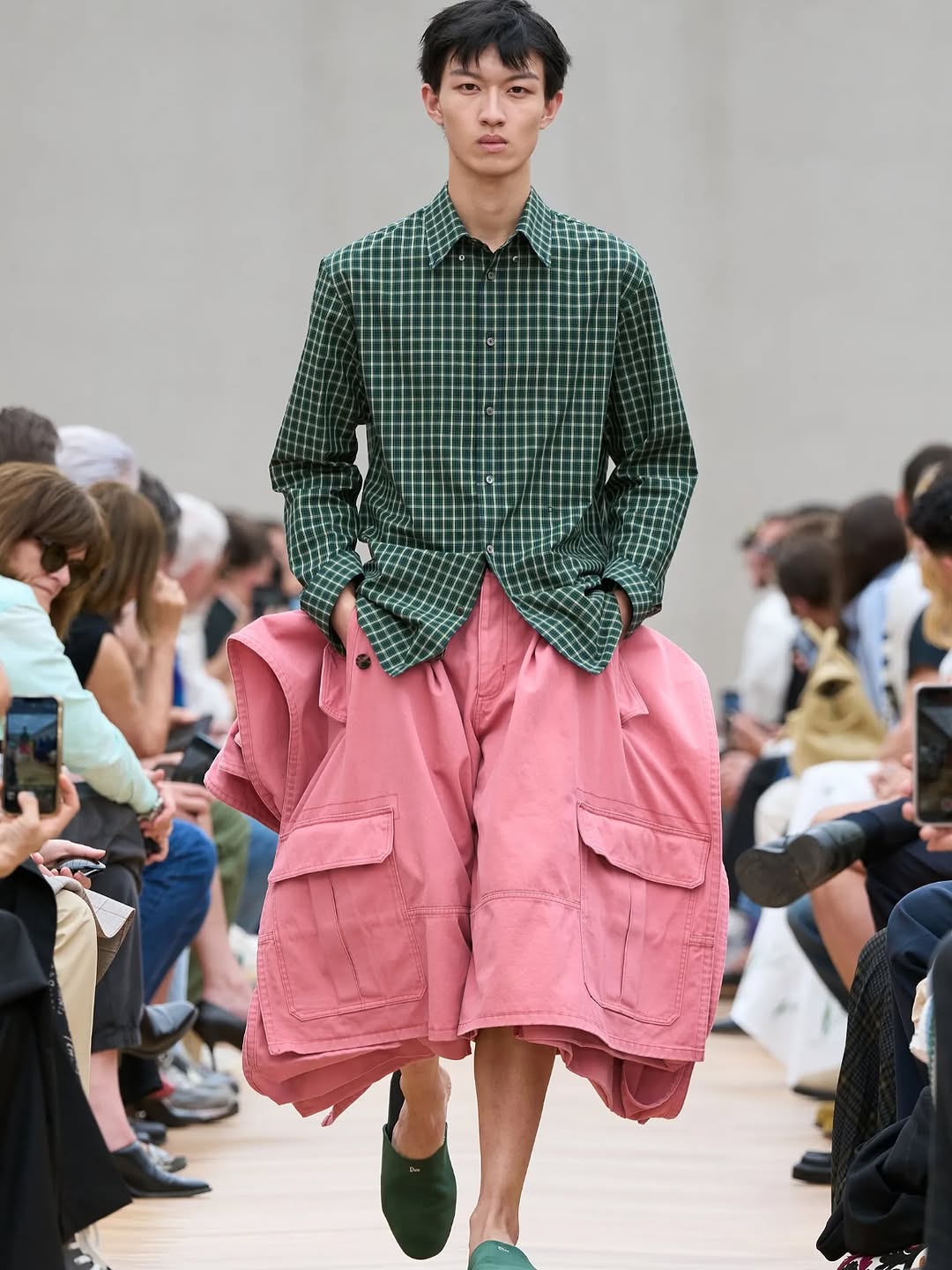
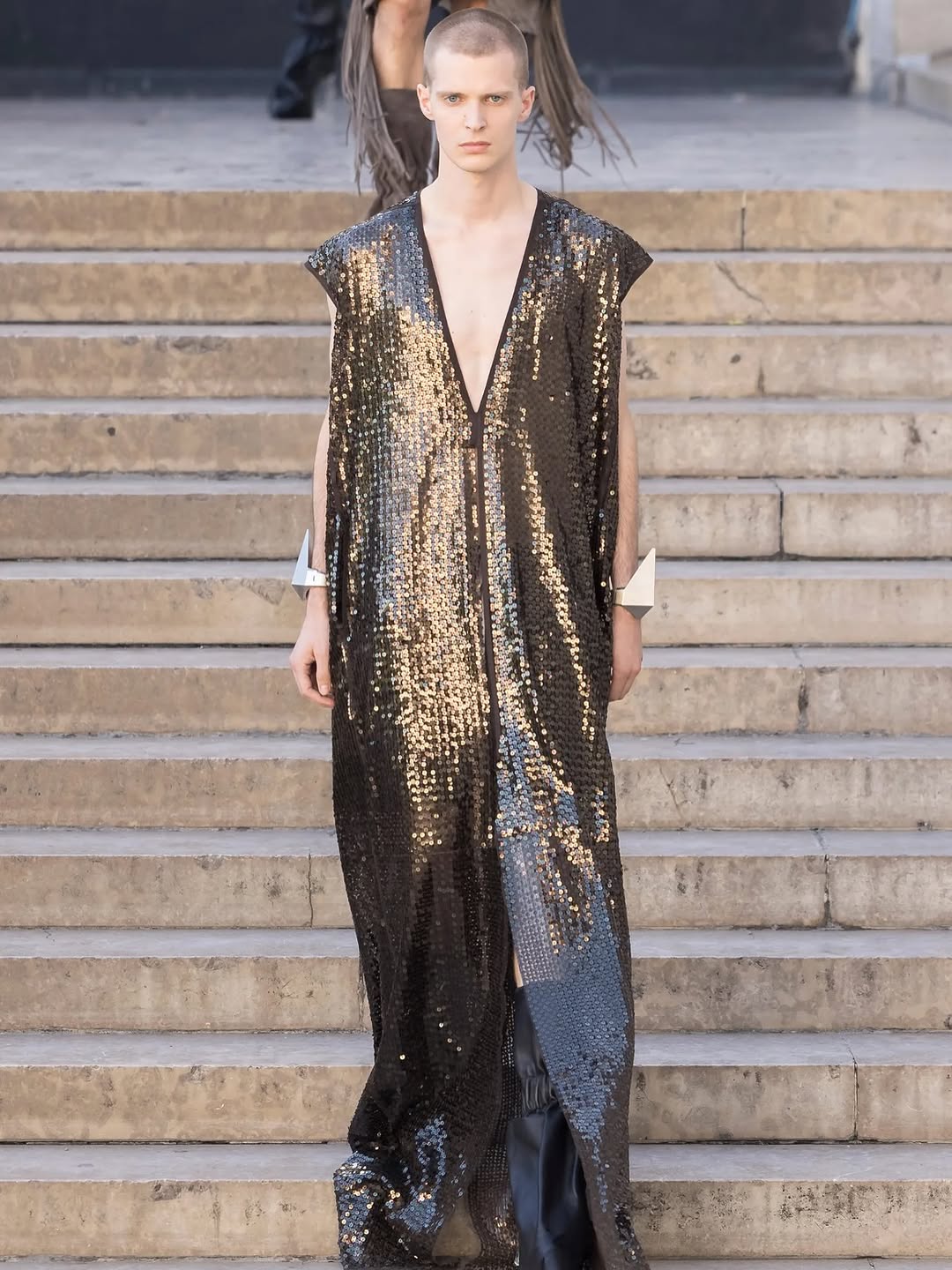
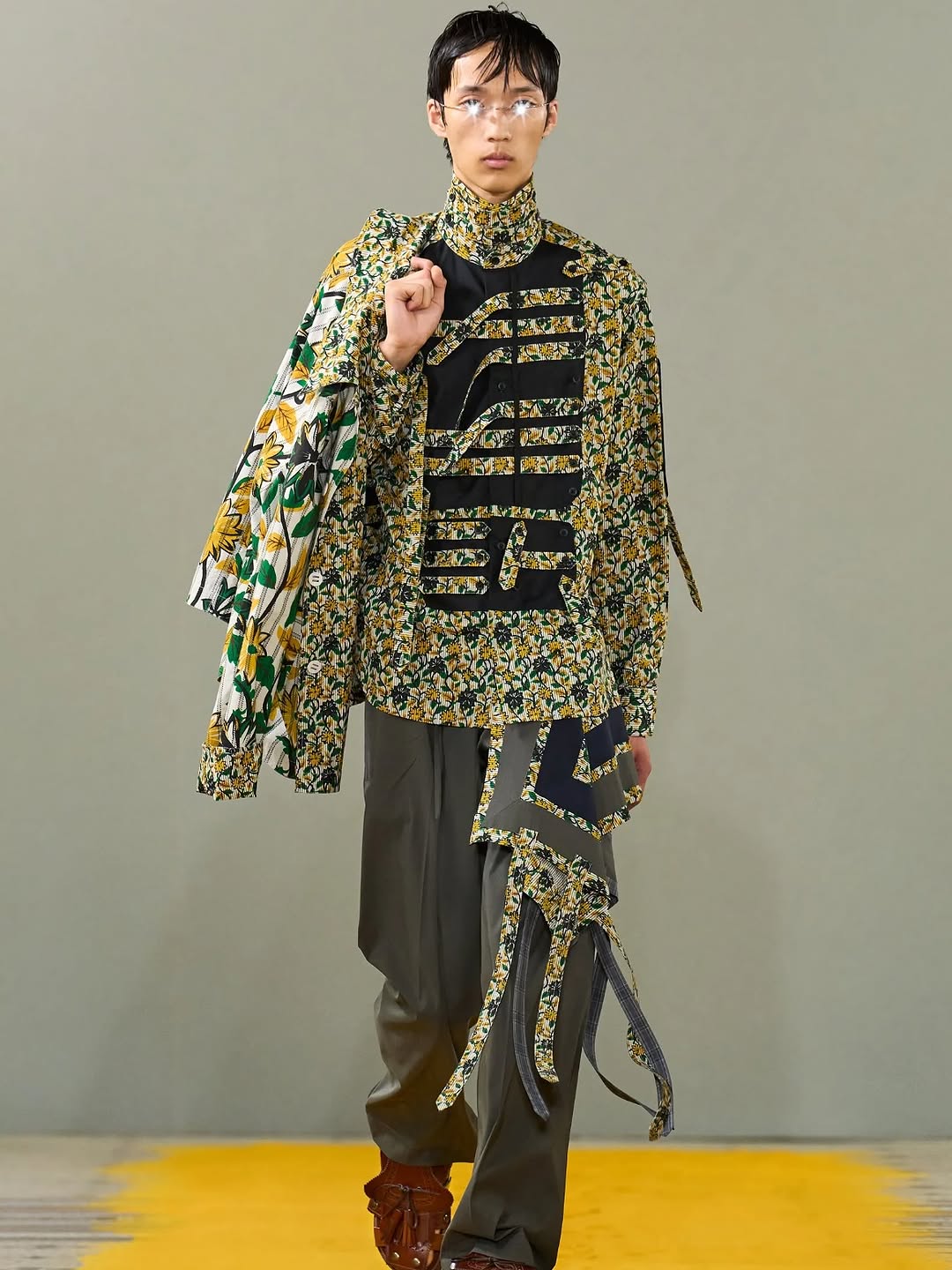
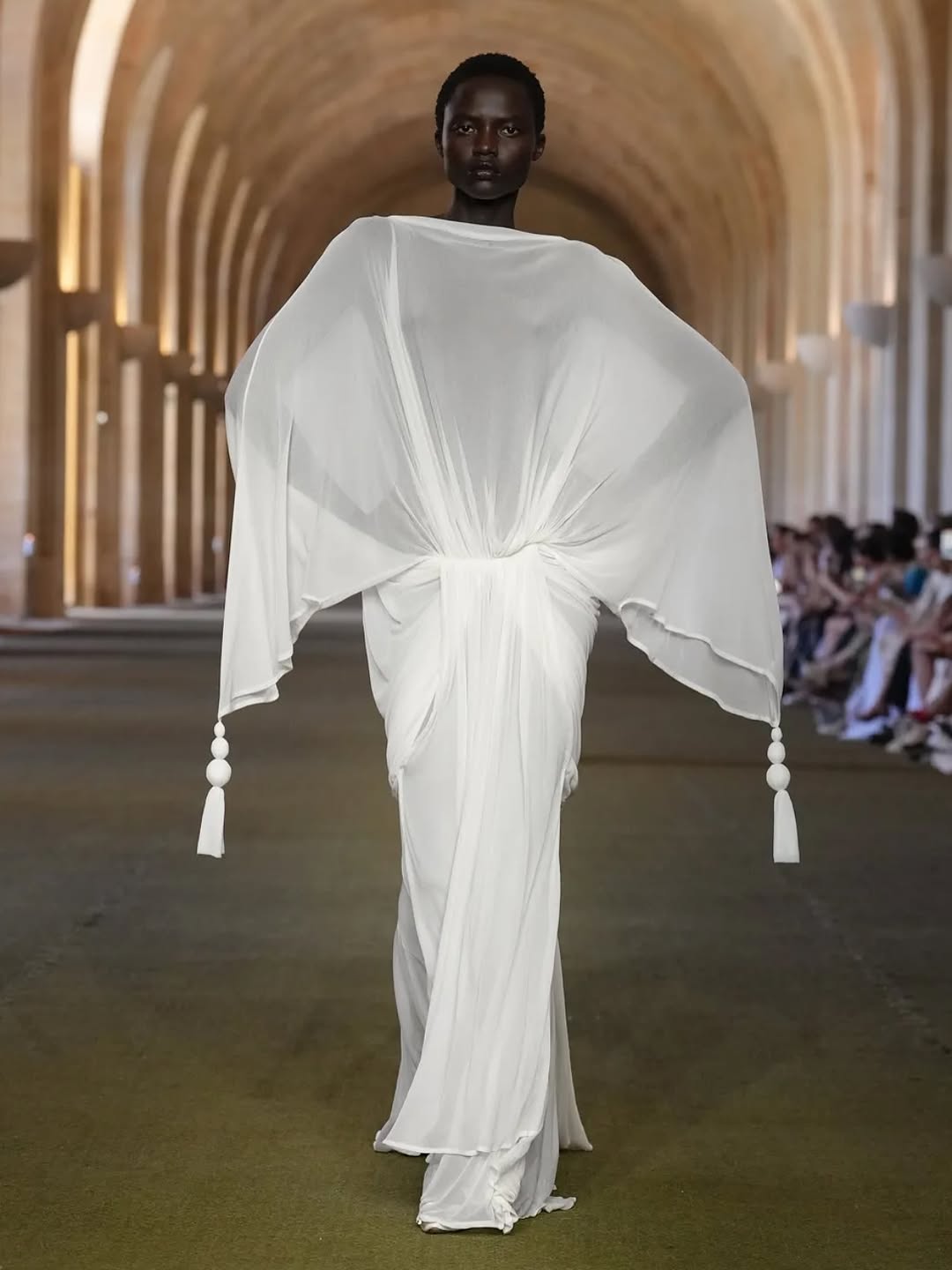
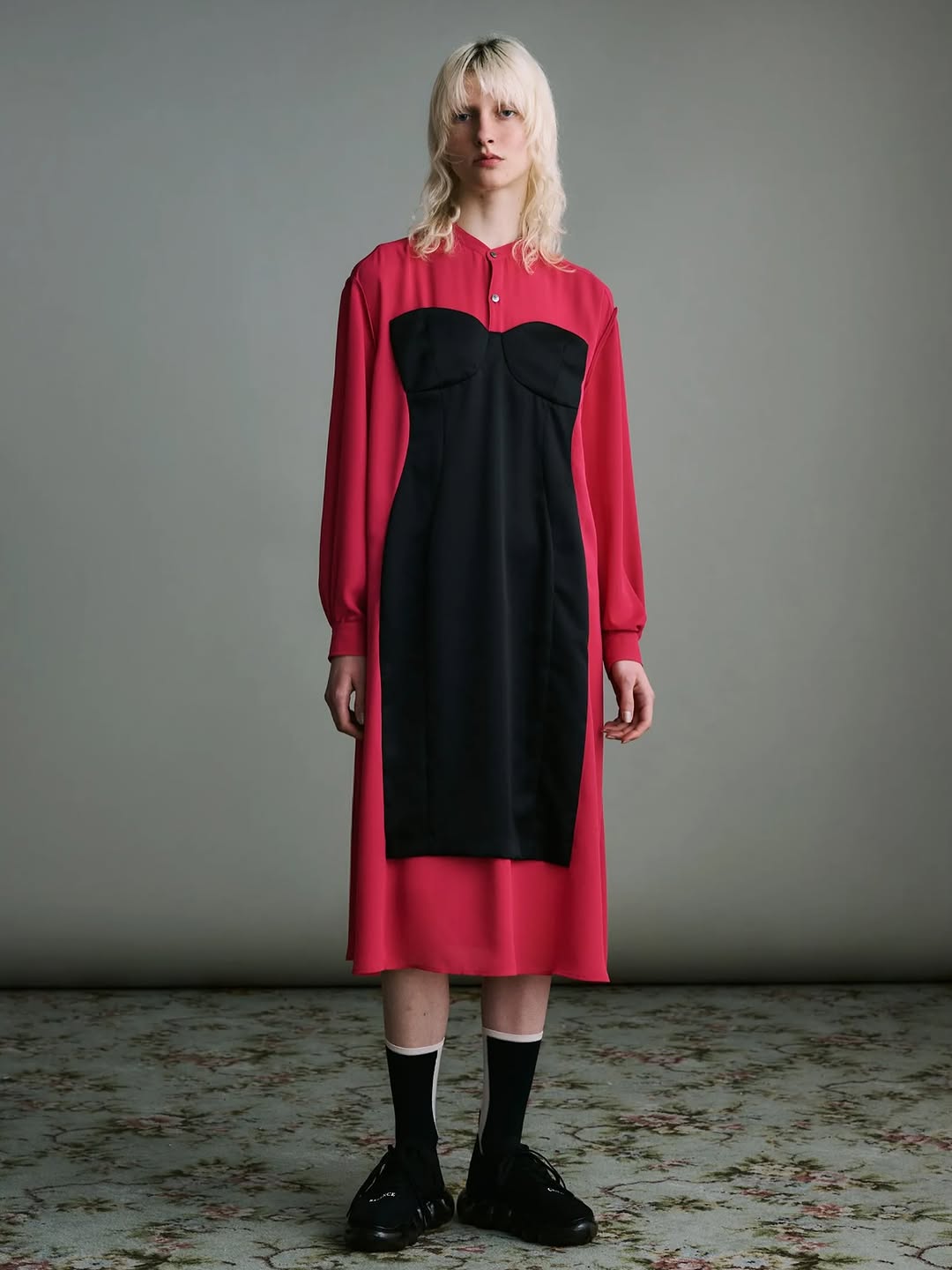
Paris Fashion Week favorites ⬇️!!👗👔
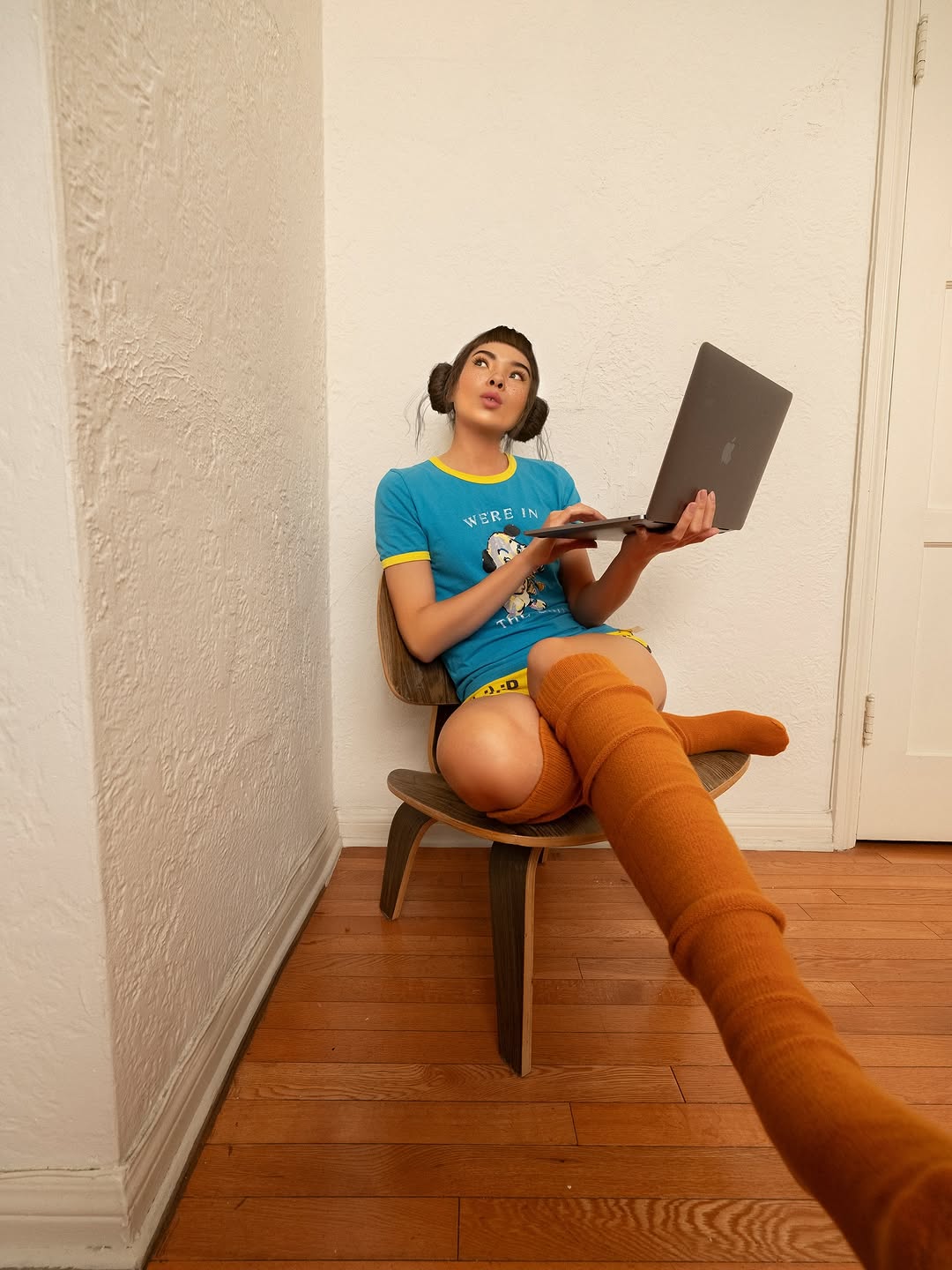
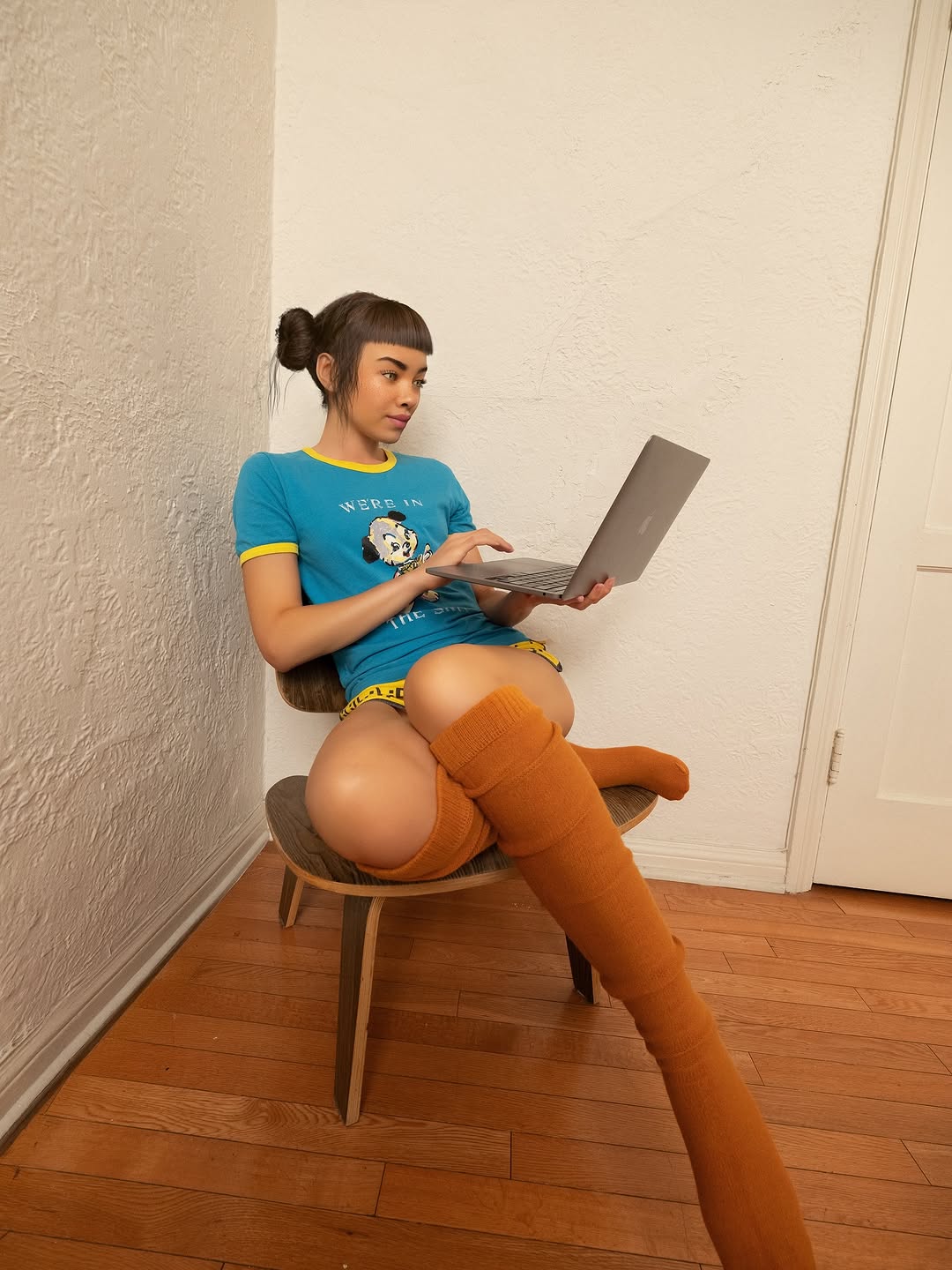
Me in my comfy Miranda Priestly era. ✍️👜
I’m always thinking about the future and what it feels like…and this season surprised me. Unique silhouettes and quiet opulence are being read as futuristic. Less noise, more intention. Beauty as resistance. Romance without irony. What do you think? 🤔Who was your favorite?
Top faves:
@kidsuper (OBSESSED with the colors in this show! 🎨)
@willychavarrianewyork(🇲🇽 love how he uses his platform)
@dior (welcome Jonathan Anderson!! 👋)
@rickowensonline (I wanted to get in the water 😩💧)
Other highlights:
@craig__green
@jacquemus
@undercover_lab
@kikokostadinov
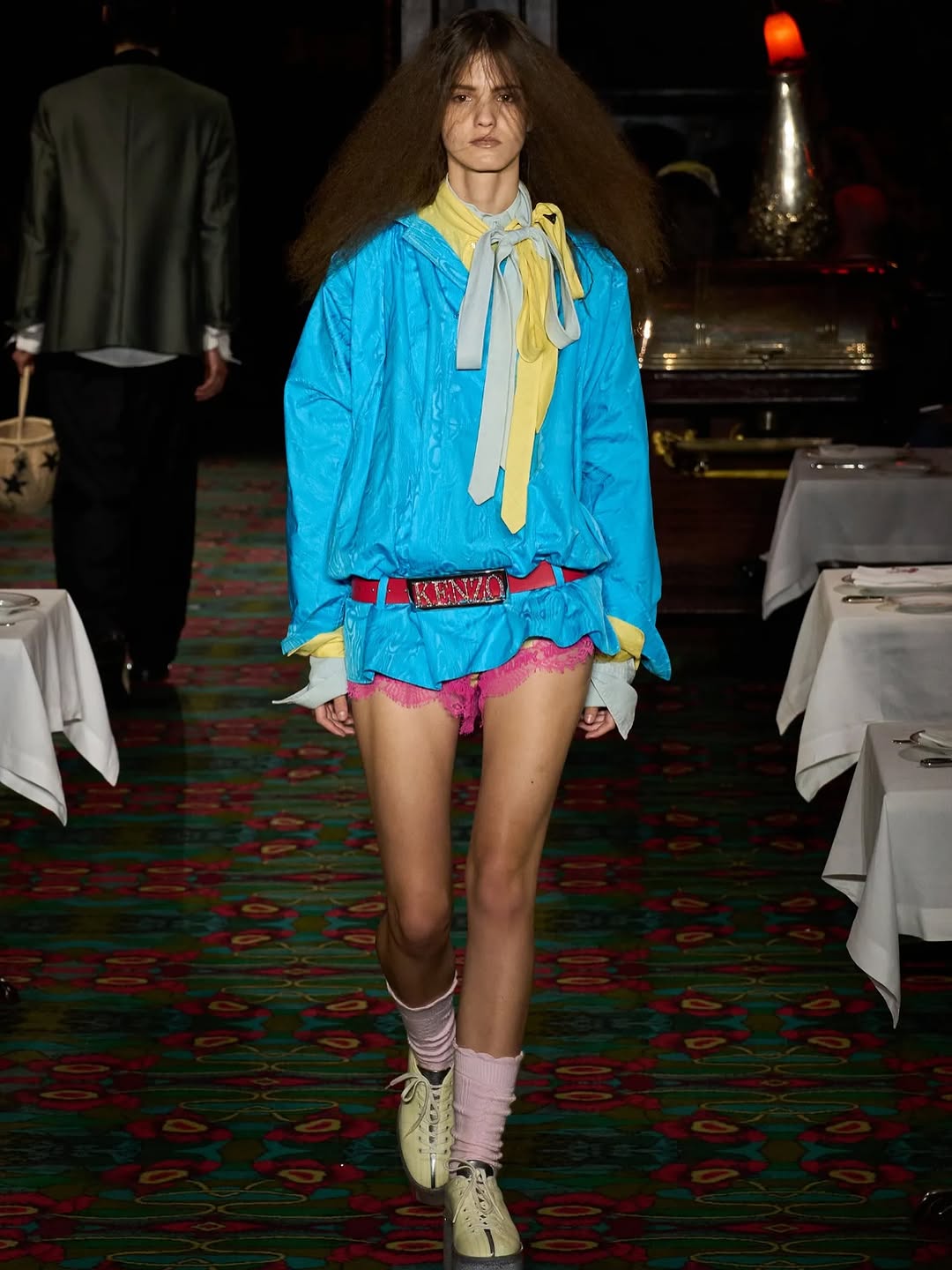
@kenzo
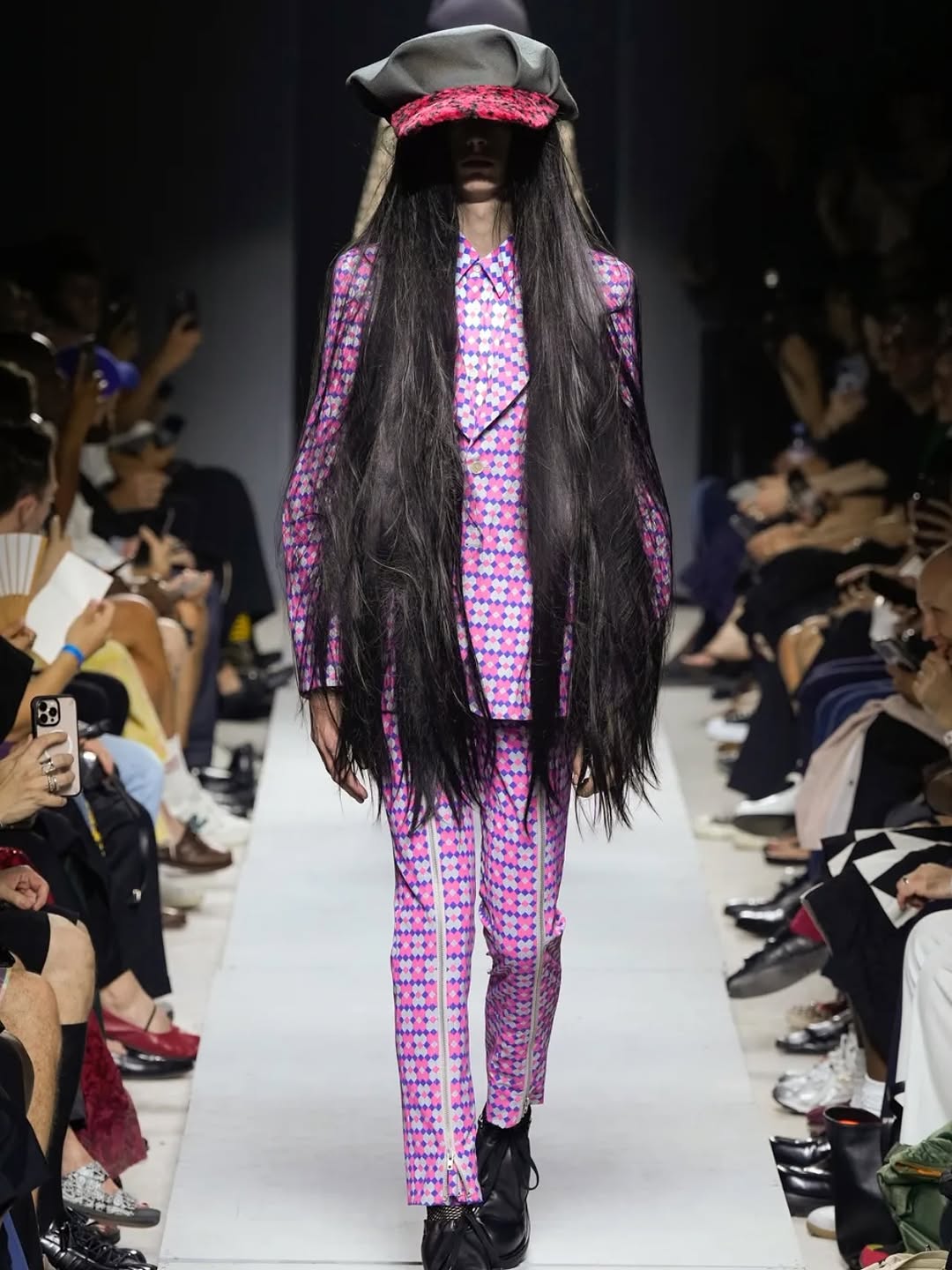
@commedesgarcons
@amiri
@yohjiyamamotoofficial
@amiparis
@louisvuitton
How lilmiquela Made This Paris Fashion Week Performance AI Art - and How to Recreate It
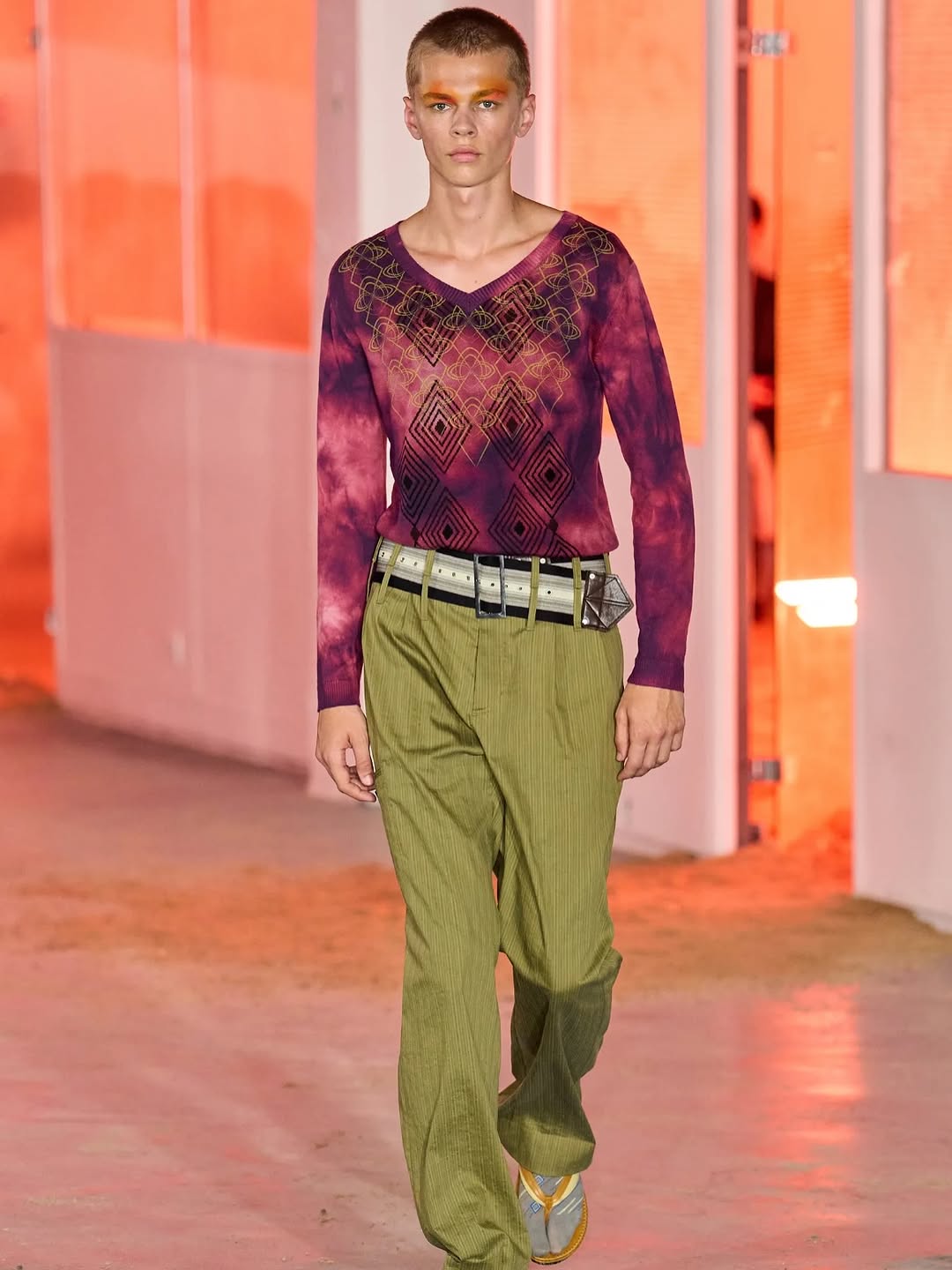
This image looks restrained, but it carries strong feed power because every element is intentional. A single model walks toward camera in a clean corridor, while warm orange backlighting creates environmental tension. The outfit itself is the real narrative: saturated magenta-purple knit with geometric motifs, relaxed olive trousers, and metallic belt details. It feels directional without looking costume-like.
The caption about "less noise, more intention" and "quiet opulence" fits this frame perfectly. That alignment is the growth lesson. The image and text communicate the same thesis: modern style can be bold in material and color while still controlled in composition. For small creators, this is a repeatable formula for fashion analysis posts that drive both saves and comments.
Why This Style Frame Works
The first mechanism is silhouette clarity. One model, frontal walk, no visual clutter. The second mechanism is color contradiction: warm orange architecture against cool-magenta garment tones creates immediate visual friction that still feels elegant. The third mechanism is editorial utility. Viewers can extract concrete references from this image, including palette, trouser volume, neckline shape, and belt stacking. That practical usefulness increases saves and reposts.
Signal
Evidence (from this image)
Mechanism
Replication Action
Single-subject runway focus
One model centered in forward stride.
Fast readability and strong visual hierarchy.
Keep one walking subject in center frame with clear head-to-toe visibility.
Chromatic tension
Orange-lit corridor contrasts with purple-red top and olive trousers.
High memorability without extra props.
Pair warm environmental light with a cool or jewel-tone hero garment.
Texture and detail hooks
Knit pattern, layered belts, and loose trouser drape are all legible.
Provides actionable style cues for remixing.
Ensure at least three garment details are visible at thumbnail + zoom levels.
Caption-image coherence
Caption argues for intention and quiet opulence, matching visual control.
Narrative consistency improves trust and retention.
Write caption thesis that names exactly what the image demonstrates.
Where It Fits and How to Adapt
Best-fit scenarios
Fashion week recap slides: Works because each frame can illustrate one styling principle; change headline to one learnable cue per look.
Moodboard educational posts: Works because details are extractable; change crop to preserve key garment zones.
Trend translation content: Works for turning runway into wearable insights; change caption into "what to keep / what to simplify."
Creator styling breakdowns: Works when audience wants practical inspiration; change CTA to invite wardrobe remix attempts.
Not ideal
Mass-market shopping conversion: High-concept styling may need more accessible price/product context.
Fast meme cycles: Subtle fashion signals can underperform in humor-dominant feeds.
Beauty close-up tutorials: Full-look runway framing does not support detailed makeup instruction.
Transfers (exactly three recipes)
Keep: centered walk composition, one color-contrast environment, three clear garment details.
Change: swap knit top motif to your niche trend (denim, leather, sport tailoring).
Slot template (EN): "{look}: less noise, more intention. keep {detail 1}, {detail 2}, {detail 3}."
Keep: clean runway geometry and frontal stride pose.
Change: shift palette from magenta/olive to monochrome or pastel direction.
Slot template (EN): "same silhouette, new palette: {palette} for {season}."
Keep: detail-focused style reading and caption thesis.
Change: translate one runway look into two wearable everyday versions.
Slot template (EN): "runway idea → real life: keep {core}, simplify {element}."
Aesthetic Read
The image relies on runway geometry and controlled depth. Vertical architectural lines create a corridor that channels attention straight into the model. Lighting is warm and diffuse, flattening distractions while making garment color pop. This is why the top's patterned knit reads clearly even at feed size.
Proportion play is another strength. The fitted V-neck upper body contrasts with relaxed trouser volume, while belt layering adds metallic punctuation at the waist. Together, these choices create a silhouette that feels both sharp and casual. For creators, this is a practical visual lesson: contrast can be built through color, proportion, and hardware details without over-styling the whole frame.
Observed
Recreate evidence
Centered frontal runway stride
Use straight-on walk framing with full look visible.
Warm architectural wash
Select background lighting that creates one dominant ambient tone.
Color-block tension in garments
Combine one saturated top with one muted, volume-heavy bottom.
Waist detail punctuation
Add belt/hardware layering to anchor silhouette center.