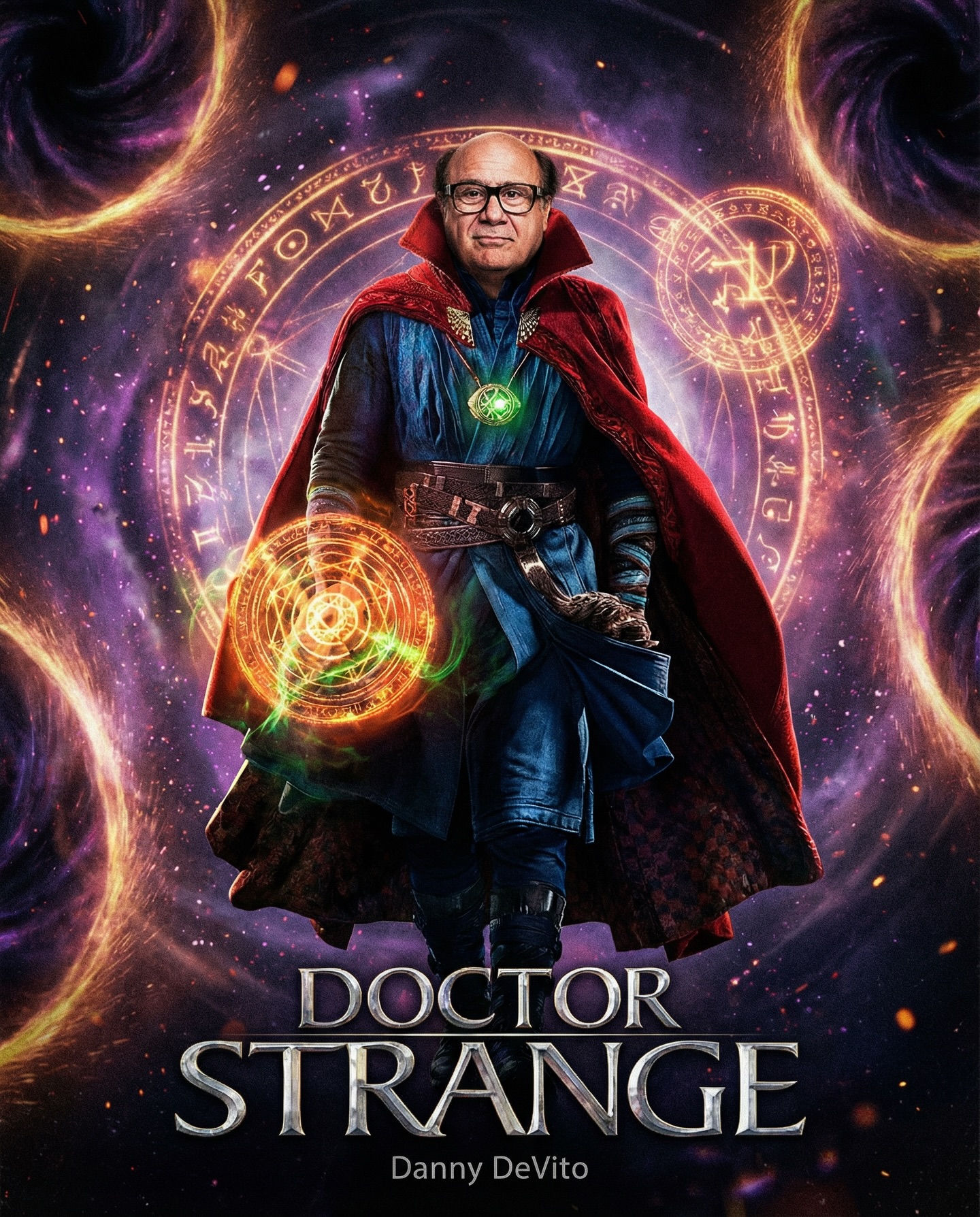
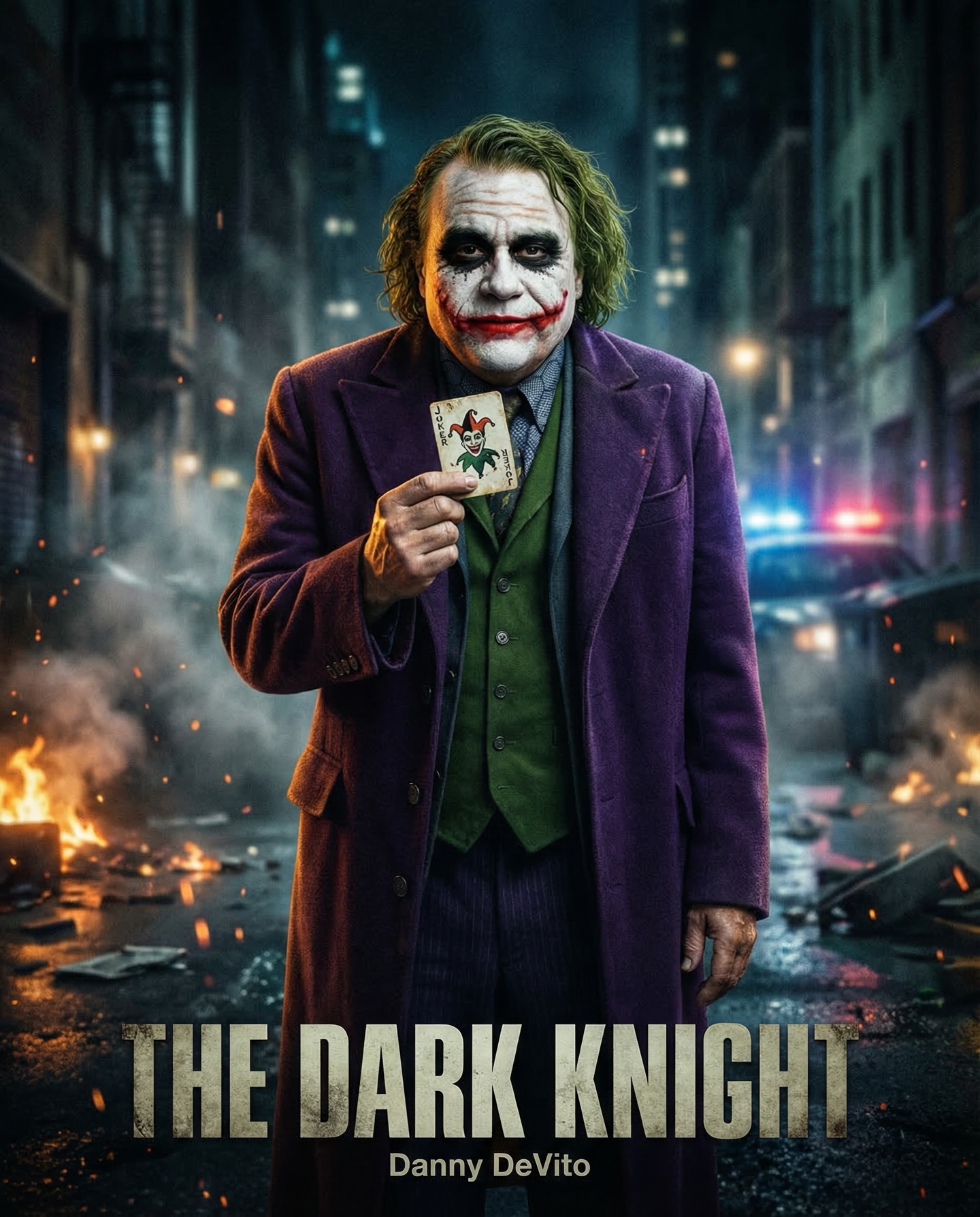
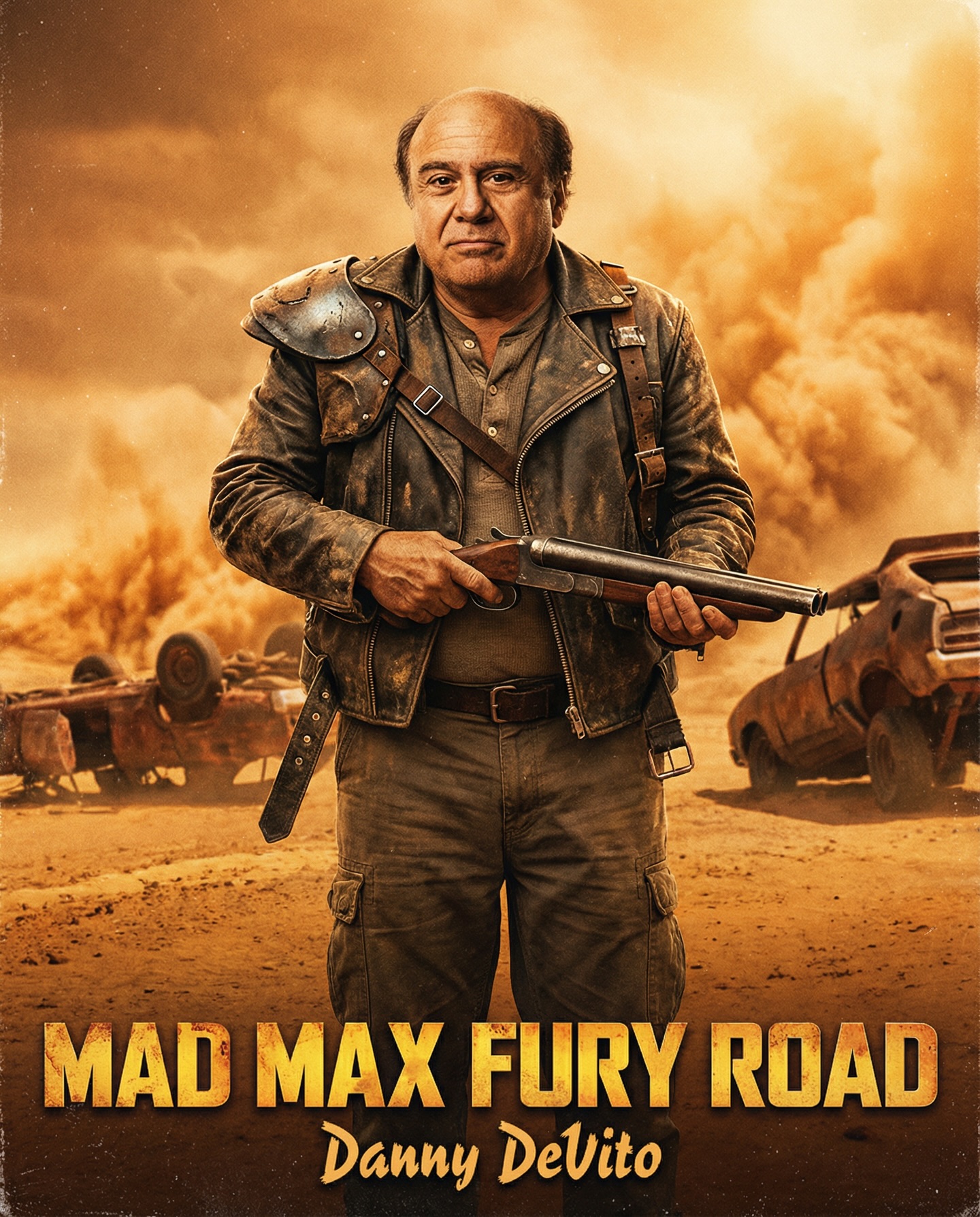
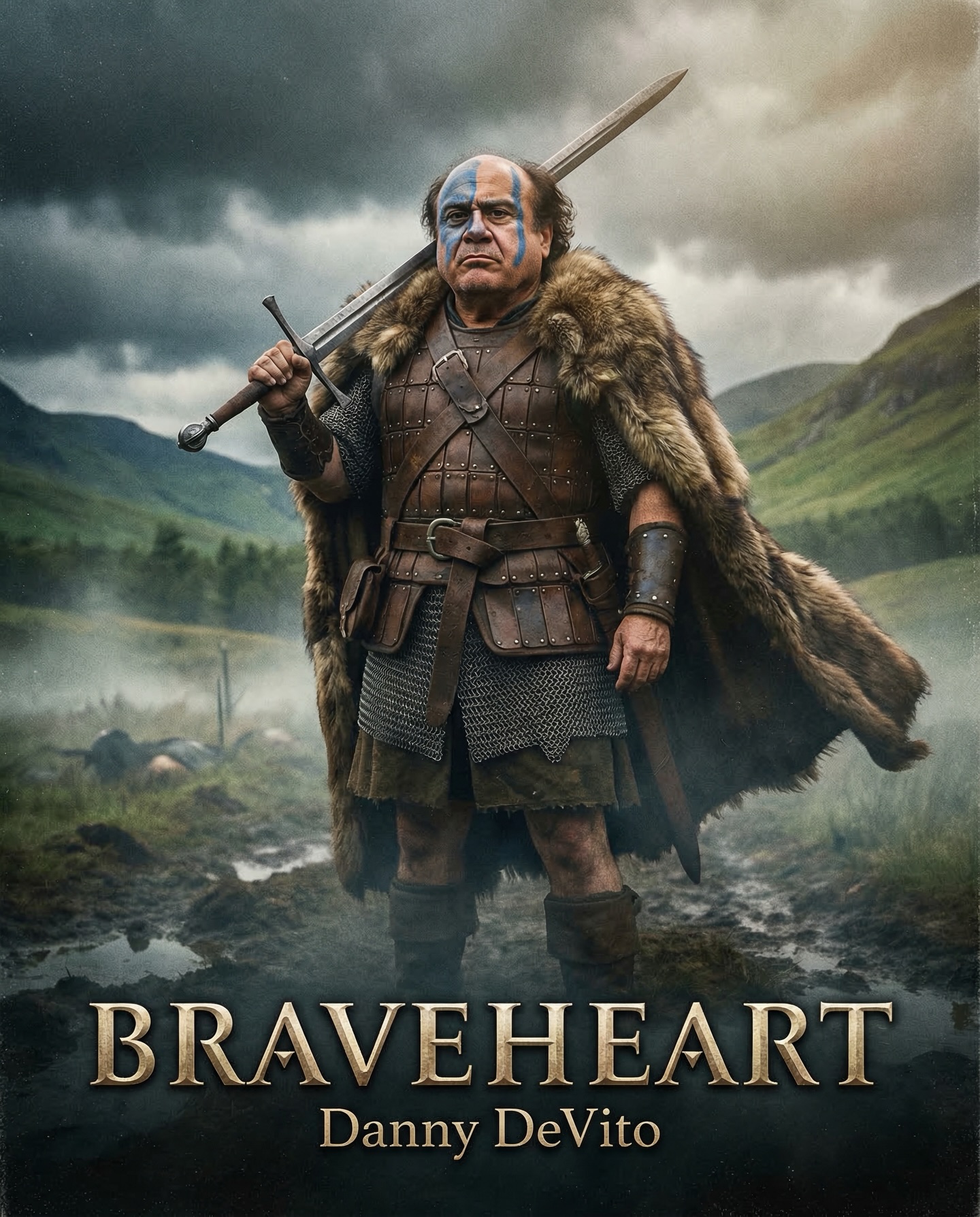
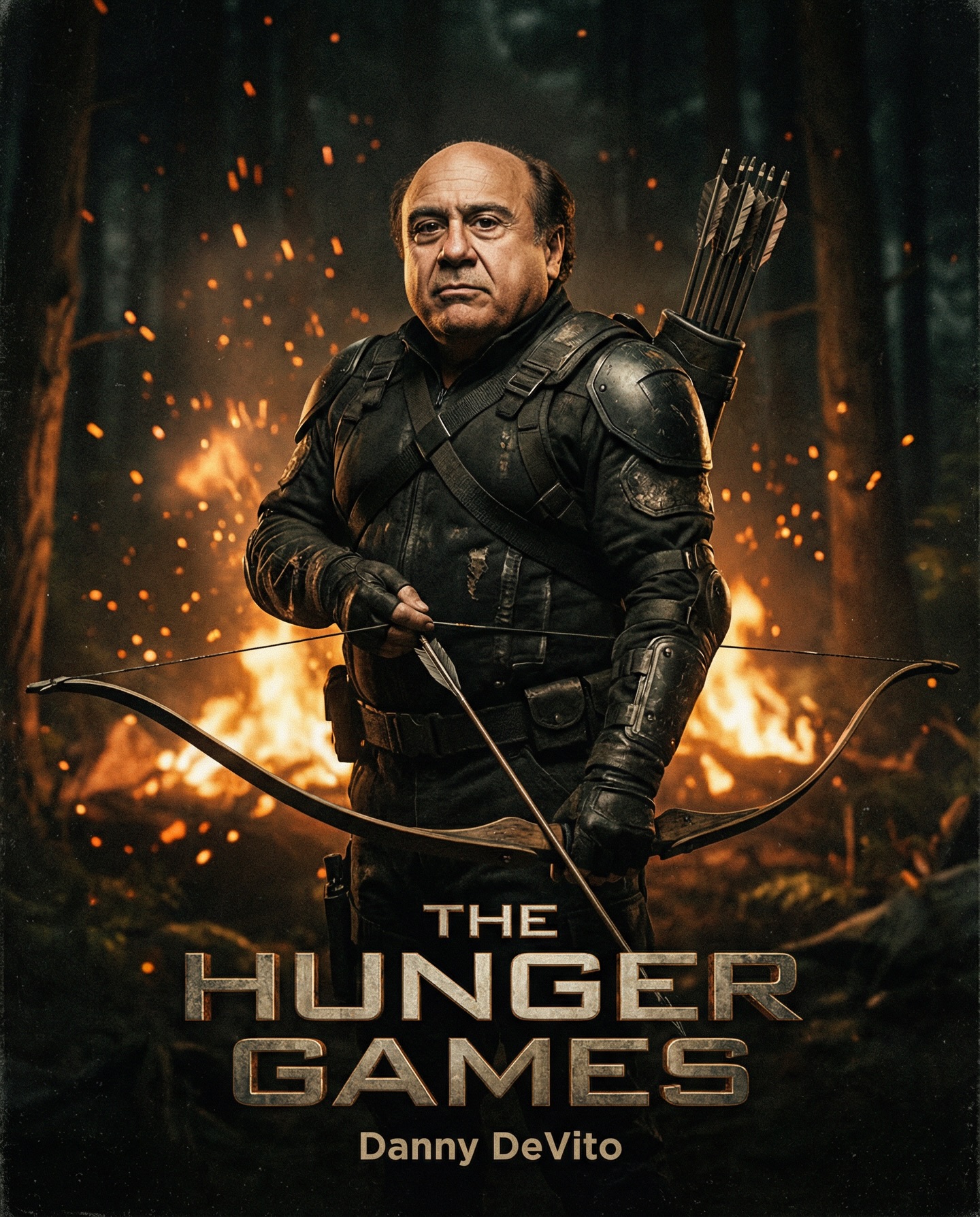
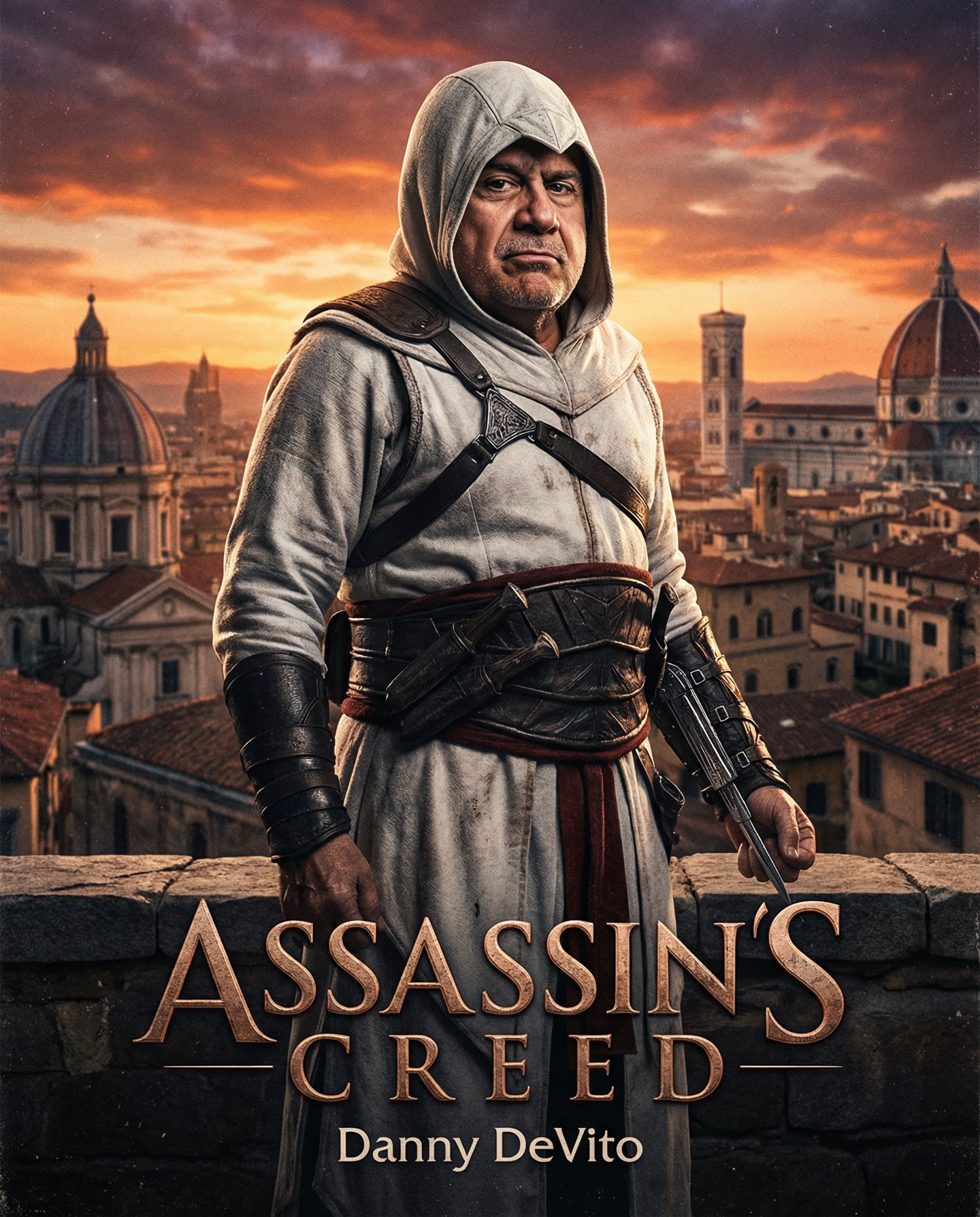
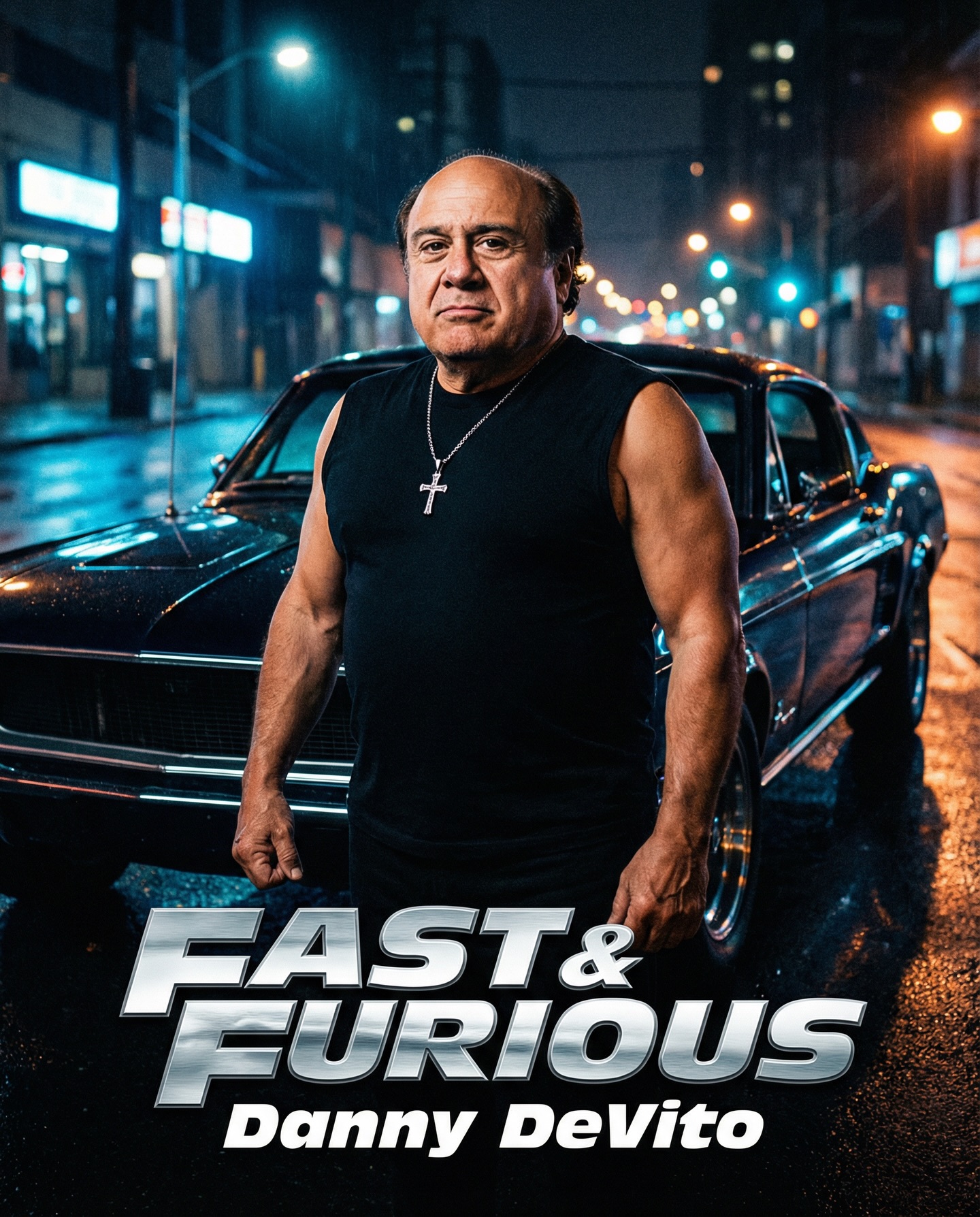
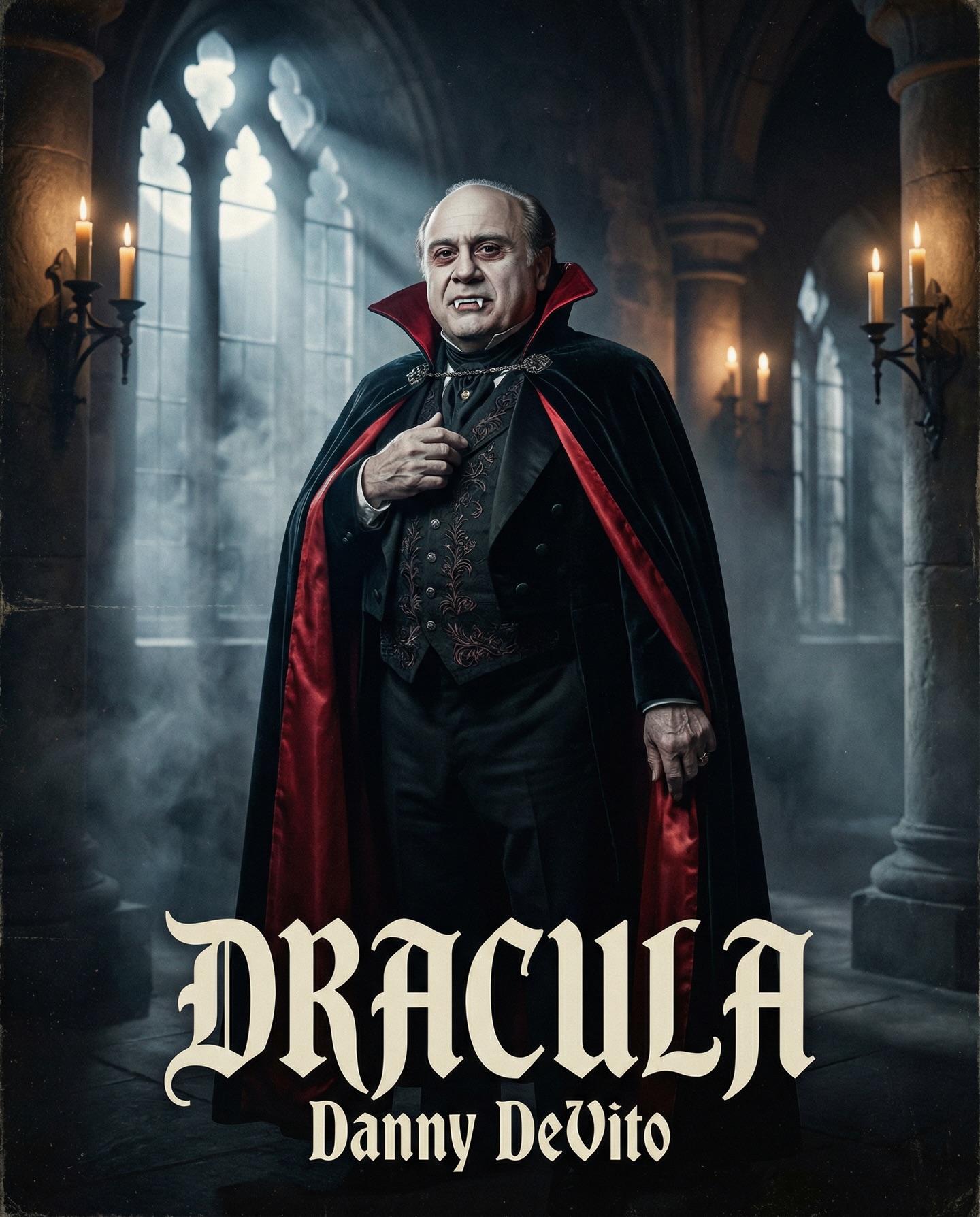
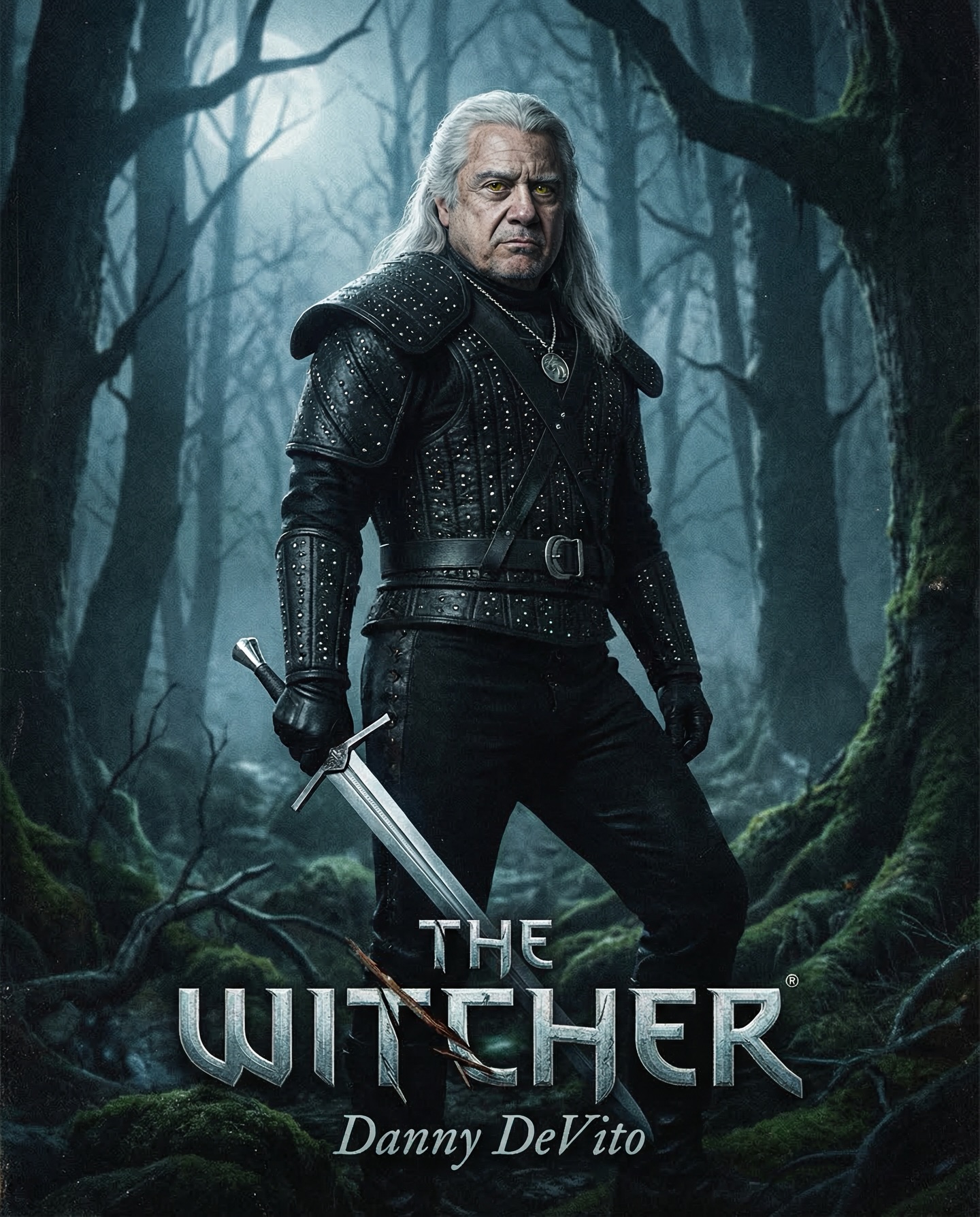
Danny DeVito in different roles Which one is your favorite one? #dannydevito Generated with Nano Banana Pro from @syntx_ai and @syntx_creators Syntx brings 90+ top AI tools into one simple interface, saving time and money
Danny DeVito in different roles Which one is your favorite one? #dannydevito Generated with Nano Banana Pro from @syntx_ai and @syntx_creators Syntx brings 90+ top AI tools into one simple interface, saving time and money
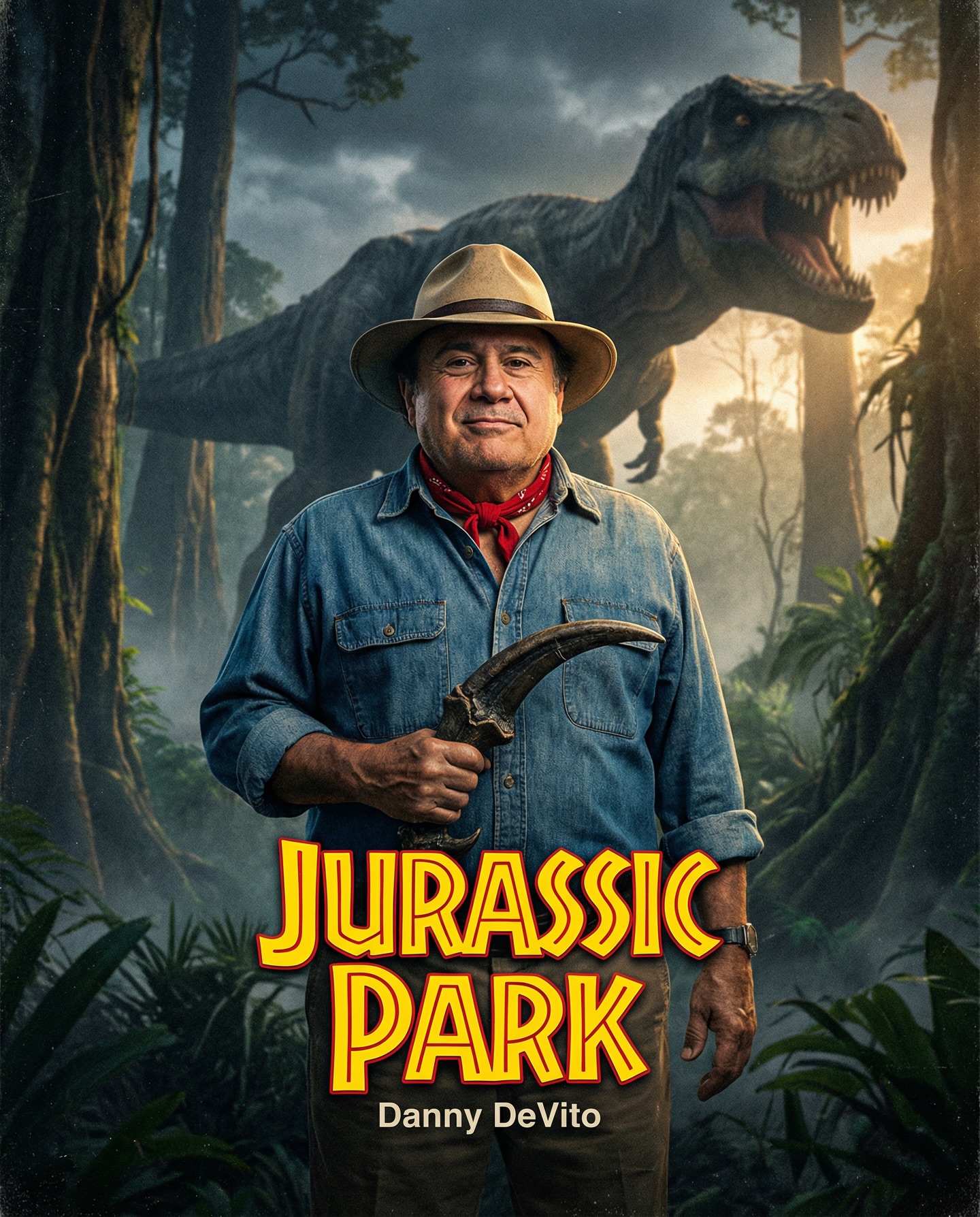
The image lands because it does not rely on randomness alone. Yes, the casting twist is the hook, but the frame is built like a real studio poster. The wardrobe is coherent, the jungle atmosphere is cinematic, the dinosaur scale reads immediately, and the actor is posed with the same calm authority that a genuine adventure one-sheet would use. That tension between sincerity and absurdity is what makes the result memorable.
A weaker parody would exaggerate everything at once. This one does the opposite. Danny DeVito is presented seriously, almost like a seasoned tracker who has already survived the island once. The denim shirt, fedora, red neck scarf, and fossil claw are not random costume props. They are genre signals. Because the prompt respects the visual grammar of jungle-adventure cinema, the unexpected face becomes funnier and more effective.
The T-rex placement matters too. It is not merely background decoration. It occupies the mythic upper zone of the frame, backlit and roaring, which gives the whole composition a familiar blockbuster silhouette. The viewer reads the movie first and the parody second. That order is exactly why the image has impact.
| Signal | Evidence (from this image) | Mechanism | Replication Action |
|---|---|---|---|
| Credible genre framing | Fedora, jungle mist, explorer shirt, dinosaur threat | Recognizable adventure-film signals make the parody feel structurally real | Anchor the prompt in authentic genre props before introducing the humorous cast swap |
| Hero-comic contrast | DeVito’s calm expression against the roaring T-rex | Deadpan stillness becomes funnier when the danger behind him is oversized | Prompt for a composed front-facing pose while placing spectacle behind the actor |
| Poster readability | Centered figure, towering dinosaur, misty jungle depth | Large readable layers make the image work instantly as a one-sheet | Use foreground hero, midground haze, and background monster with clear separation |
| Blockbuster polish | Warm backlight, smoky atmosphere, clean wardrobe texture | Studio-grade lighting turns a meme concept into sellable key art | Specify sunrise rim light, fog bloom, polished fabric detail, and theatrical contrast |
| Observed Style Choice | Why It Works | How to Recreate It |
|---|---|---|
| Deadpan lead performance | Keeps the image from collapsing into slapstick | Write for calm seriousness instead of exaggerated comedy faces |
| Single hero prop | The claw gives the subject a story cue without clutter | Use one distinctive survival prop in the hand rather than many accessories |
| Backlit dinosaur silhouette | Creates scale and spectacle while preserving depth | Place the T-rex high in the frame with golden haze around the head and body |
| Fog-heavy jungle staging | Softens detail and makes the poster feel cinematic | Prompt for layered mist, tree trunks, and controlled foliage rather than dense visual noise |
| Prompt Layer | Purpose | Practical Writing Advice |
|---|---|---|
| Likeness layer | Keeps the recast recognizable | Define age, face structure, expression, and celebrity-inspired identity early |
| Genre layer | Establishes the Jurassic-adventure world | Use explorer wardrobe, prehistoric jungle, dawn haze, and predator threat language |
| Prop layer | Adds story density without overload | Choose one memorable object like a raptor claw and make it readable in the foreground |
| Creature layer | Creates scale and tension | Describe dinosaur placement, roaring pose, lighting edge, and relation to the actor |
| Poster layer | Locks the image into sellable key art | Specify theatrical one-sheet framing, title-safe lower area, and premium studio polish |
The biggest risk with this kind of image is leaning too hard into the meme. If the expression turns goofy or the wardrobe becomes costume-party cosplay, the whole poster loses credibility. Keep the actor grounded. The humor should come from the mismatch between the face and the franchise, not from visual chaos.
The second risk is losing monster scale. Many models will generate a dinosaur that feels pasted into the background instead of physically imposing. Fight that by specifying vertical hierarchy, atmospheric separation, and light bloom around the head and shoulders of the creature. You want the audience to feel the threat immediately.
Most importantly, treat parody posters as real posters. The cleaner and more professionally staged the image is, the funnier and more shareable the final result becomes. Serious construction is what gives absurd casting its power.