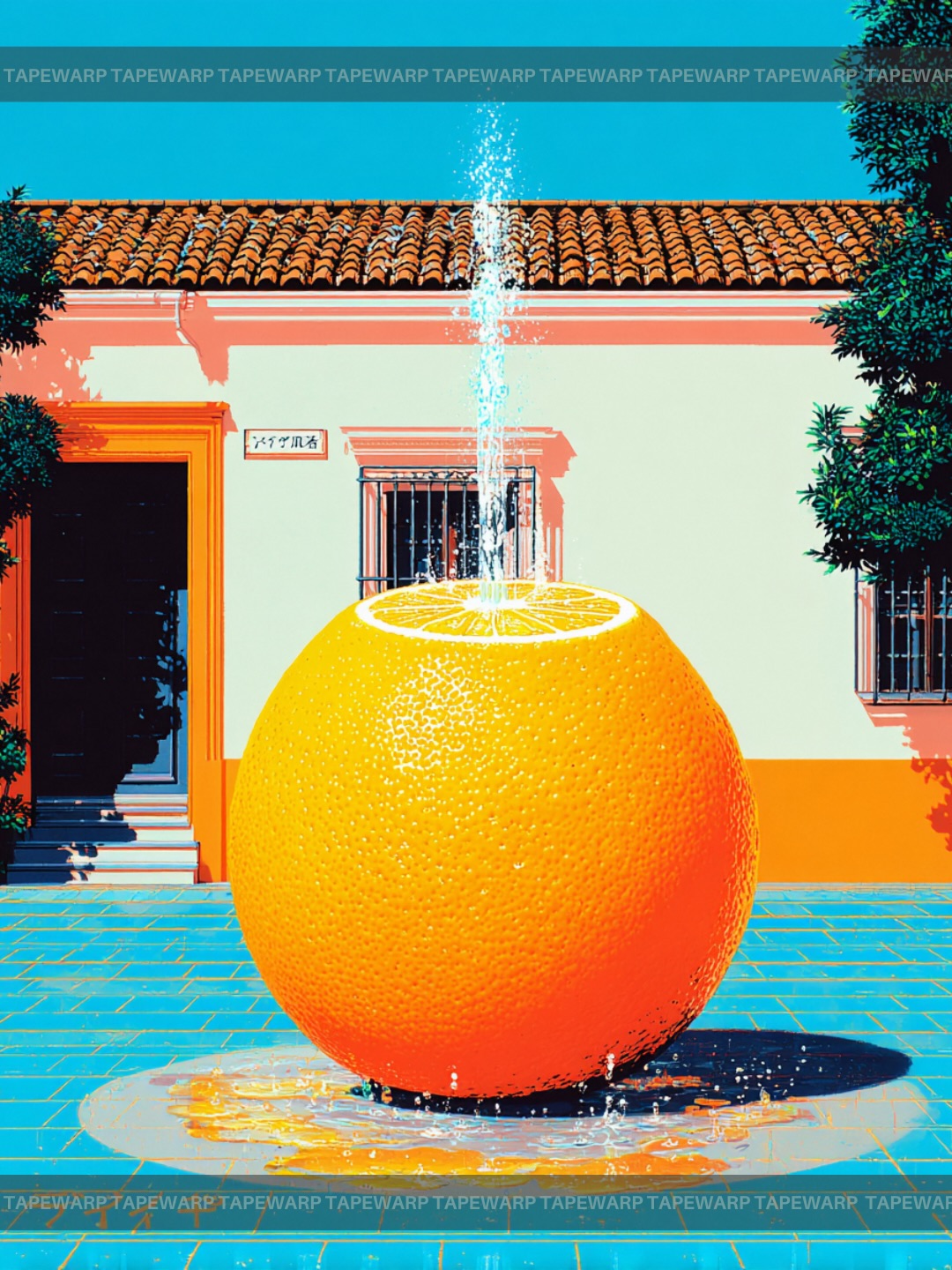
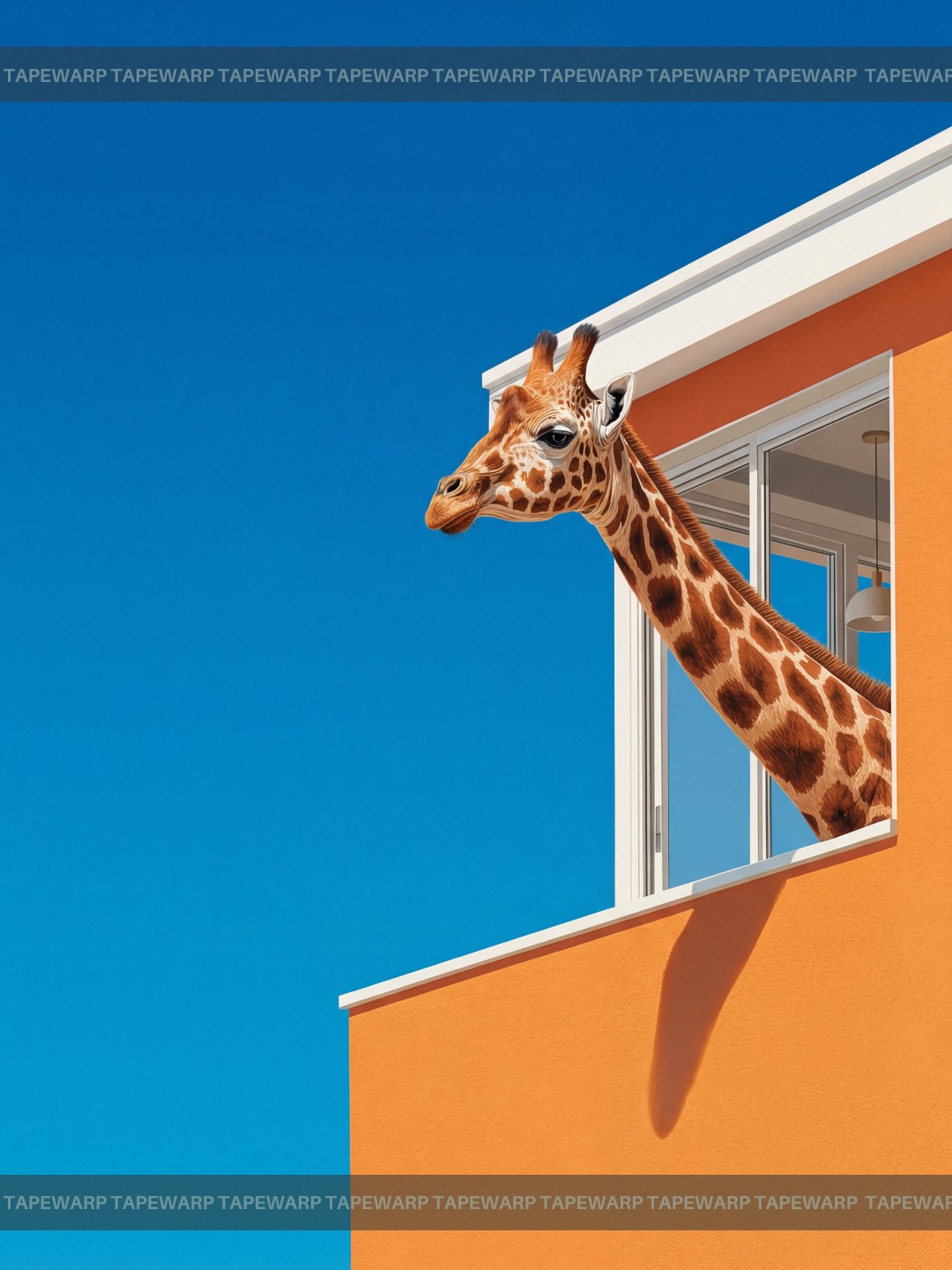
Dream Squeeze🍊 Comment ‘vivid’ to get the prompts.📩 #ai #vivid #dreaming #prompt #midjourney
Dream Squeeze🍊 Comment ‘vivid’ to get the prompts.📩 #ai #vivid #dreaming #prompt #midjourney
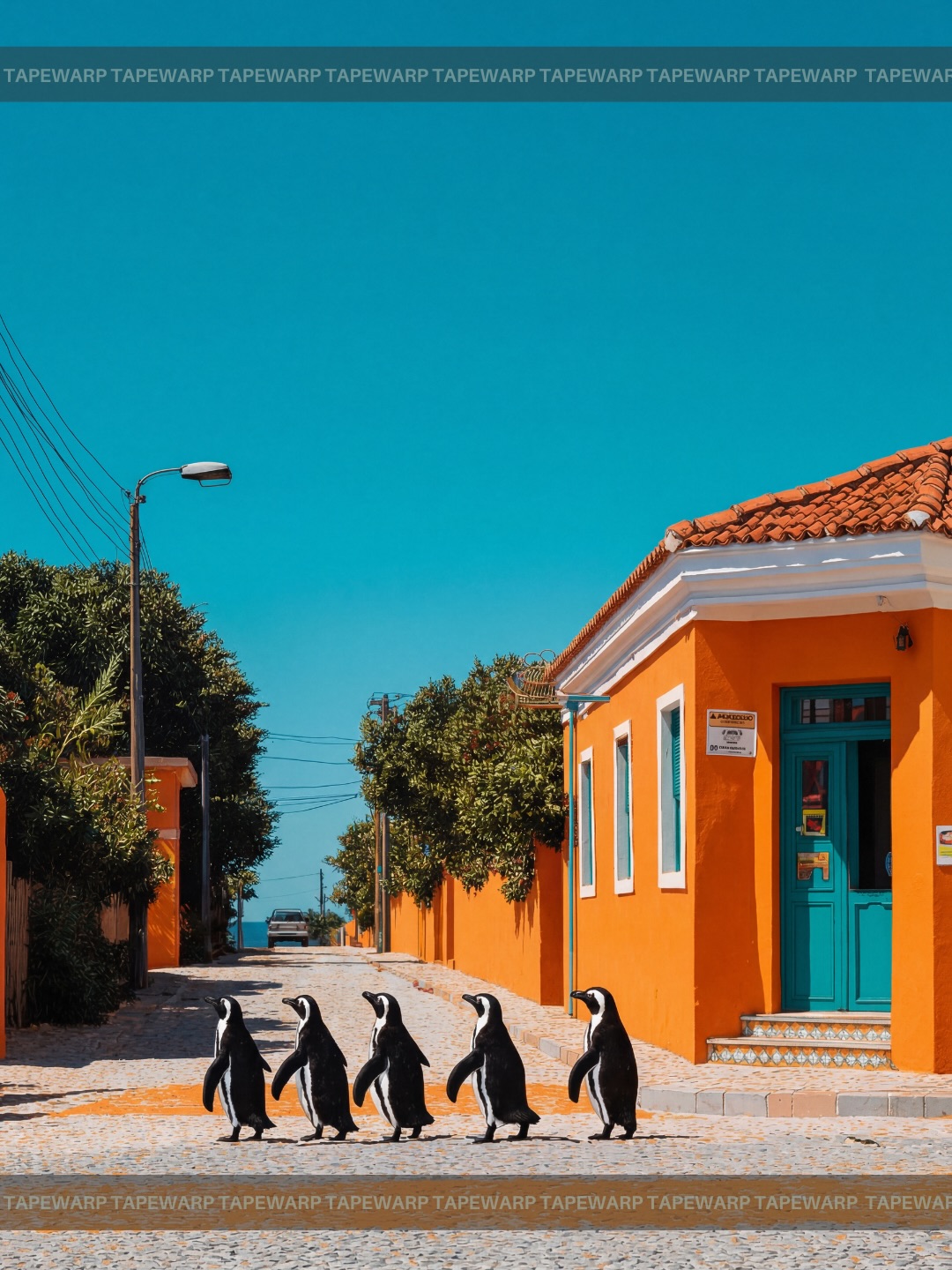
This image works because it presents a strange event with total visual calm. Five penguins walking across a sunlit cobblestone street is obviously unusual, but the scene is framed with the confidence and stillness of travel photography. That contrast is what makes the concept memorable. The image does not scream that it is surreal. It behaves as if the moment simply happened, and that restraint makes the absurdity feel more convincing.
The most effective feature is the color architecture of the town itself. The orange walls, turquoise doors and window frames, pale street textures, and deep cobalt sky already create a strong poster before the penguins are even considered. The birds then become moving visual beats across an already powerful setting. In other words, the environment does a large part of the compositional work, which is why the surreal insert can remain so simple.
The penguins are staged in a way that feels rhythmic rather than random. Their spacing creates a loose procession, and each body reads as a clear vertical punctuation mark along the road. This is a small but important design choice. If the birds were scattered chaotically, the image would feel like novelty. Because they move in a gentle line, the result feels composed and almost ceremonial.
Another reason the piece succeeds is that it commits to realism in every other area. The street geometry, the hard shadows, the utility poles, the rooflines, and the distant horizon all behave like elements from a believable coastal town. That grounded realism gives the viewer something stable to trust. Once the place feels real, the penguins feel like a discovered event rather than a fake collage.
The clear midday lighting also matters. Hard sunlight sharpens both the birds and the buildings, which gives the composition a poster-quality crispness. Strong daylight is often better than moody light for playful surreal imagery because it prevents the concept from feeling gothic or overly manipulated. The brightness here keeps the tone open, graphic, and unexpectedly cheerful.
This image is a good lesson in how to balance humor with elegance. The concept itself is playful, but the framing is disciplined. There are no exaggerated effects, no cartoon cues, no oversized expressions, and no cluttered embellishments. The humor comes entirely from the mismatch between subject and location. That makes the final result feel smarter and more reusable than a more obvious joke image.
The wide street-level composition is another strength. It gives enough room for the buildings to establish place, while still keeping the penguins prominent along the lower third. That balance between place and event is essential. If the birds filled the frame too aggressively, the travel-poster quality would disappear. If the buildings dominated too much, the crossing would lose impact. The current proportion keeps both halves active.
Negative space is doing quiet but important work here. The open sky and relatively uncluttered street give the eye places to rest. This keeps the poster from becoming gimmicky. In surreal design, empty space is often what allows a strange subject to feel elegant instead of noisy. The viewer gets to appreciate both the town and the procession because the frame has breathing room.
If you want to recreate this type of image, the best method is to start with an already strong location. Choose architecture with bold color blocks, simple geometry, and clear daylight. Then introduce one impossible but visually readable element. The stronger and more orderly the place, the less you need to exaggerate the surreal addition. That is the core strategy this image uses.
The penguins themselves are handled with the right degree of realism. They are not stylized into toy shapes or flattened into cute symbols. Their anatomy, scale, and posture remain believable enough to support the documentary illusion. This is important because surreal images often weaken when the inserted subject looks less real than the world around it. Here, the birds hold up under the same realism standard as the environment.
The town palette deserves extra attention. Orange and turquoise are naturally high-contrast colors that already suggest heat, tourism, and local identity. When they are paired with the black-and-white bodies of the penguins, the birds become even easier to read. The composition benefits from this because the animals do not need dramatic outlines or spotlighting to stand apart.
The road perspective also helps the image feel more cinematic. The street narrows toward the water at the far end, which adds direction and subtle narrative pull. It suggests that the penguins are moving through an actual place, not just posing for a visual punchline. Depth is often what makes surreal street imagery feel immersive rather than flat.
If you wanted to iterate on this concept, the best variables to test would be timing, quantity, and place mood. You could change the number of penguins, shift from noon light to soft dawn, or move the procession into another high-color town. But the essential formula should remain intact: ordinary travel-photography framing plus one impossible event.
This image also demonstrates why surreal travel posters are often stronger when they avoid extra narrative explanation. The viewer does not need to know why the penguins are there. The picture works precisely because it offers a complete visual moment without over-explaining itself. The mind fills in the mystery, which keeps the image memorable.
From a prompt-writing perspective, the lesson is clear. Do not stack too many strange ideas into one frame. One impossible subject is enough if the location is strong and the composition is controlled. The elegance of this image comes from confidence, not excess. It trusts the color of the town, the geometry of the street, and the clean procession of the birds.
If you want to build your own version, protect five things: strong place identity, believable daylight, realistic subject rendering, simple subject rhythm, and generous negative space. Those elements are what let the surreal idea feel polished instead of random. When they are present, the image can function as art print, poster, campaign visual, or social image without losing clarity.
Ultimately, this scene succeeds because it treats the unusual as ordinary. That is the defining charm of well-executed visual surrealism. By using the language of travel posters rather than fantasy illustration, the image becomes both stranger and more convincing at the same time. That is why it stays in memory.