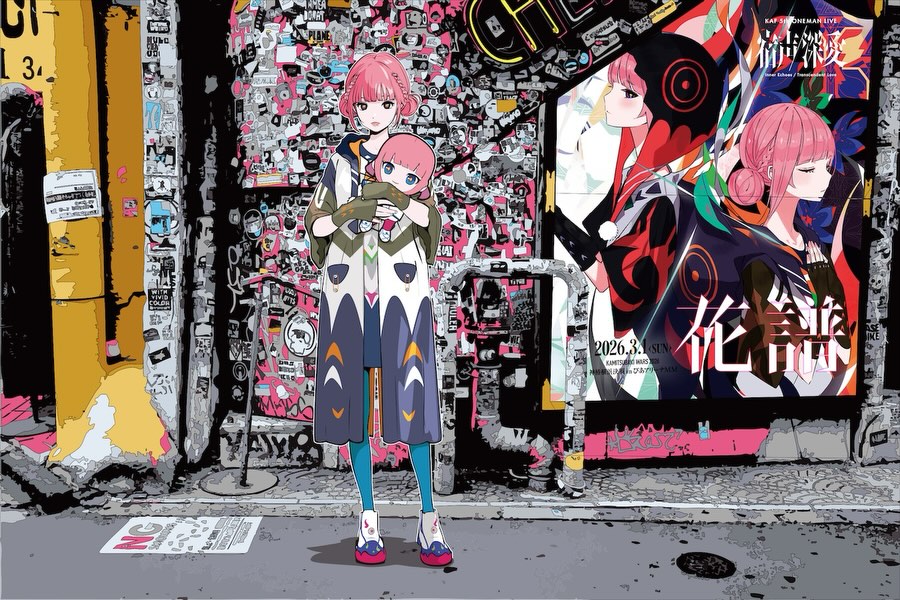
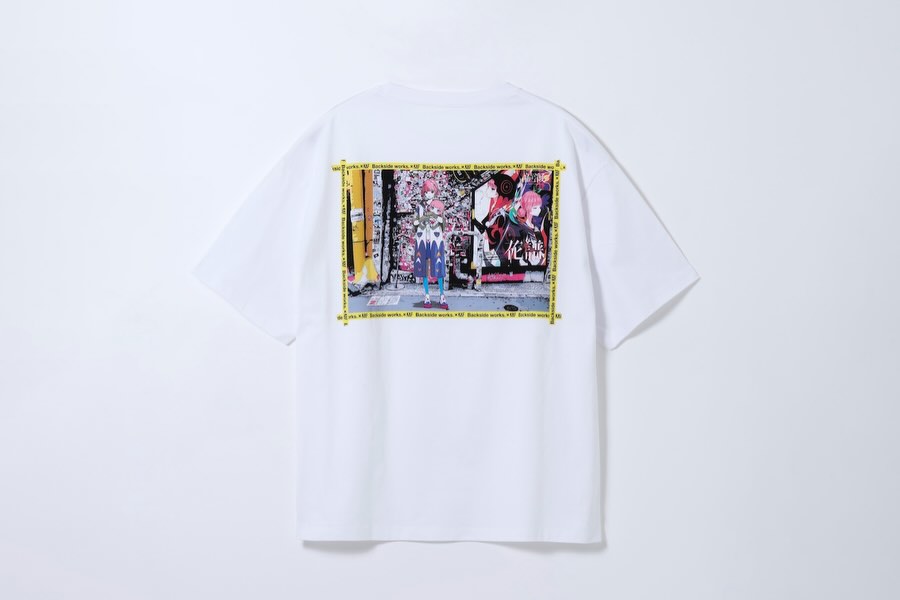
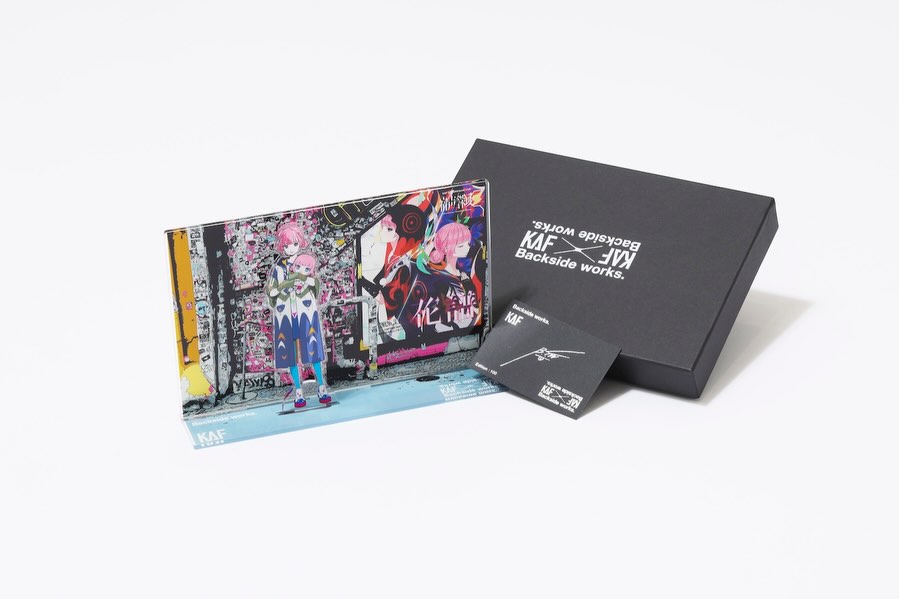
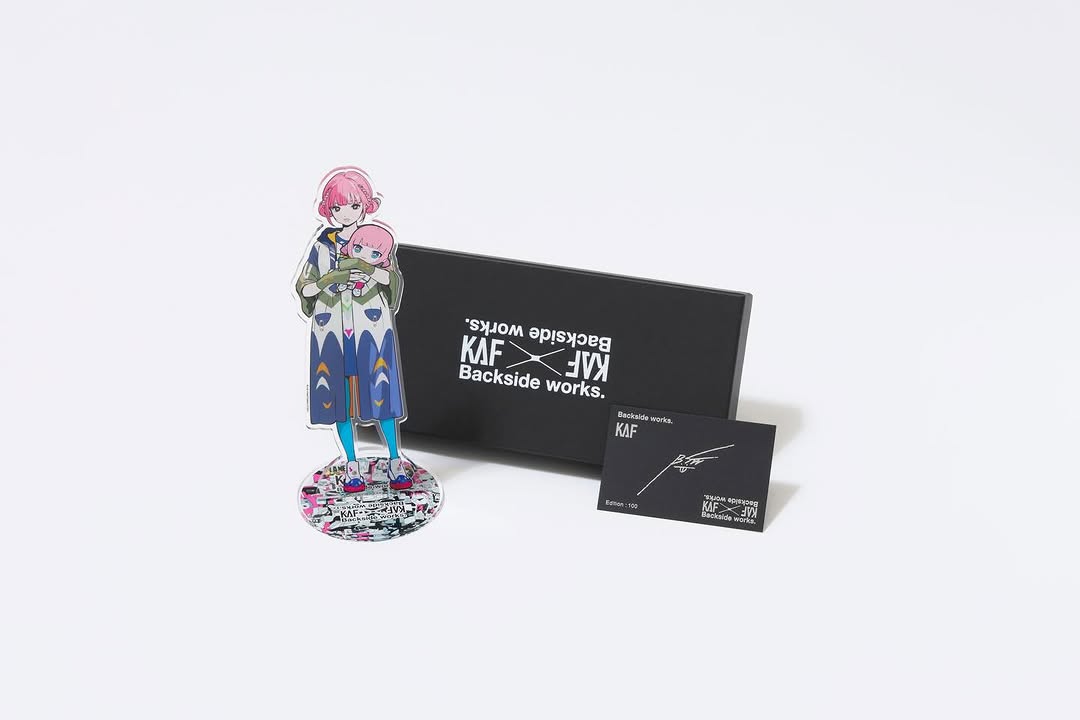
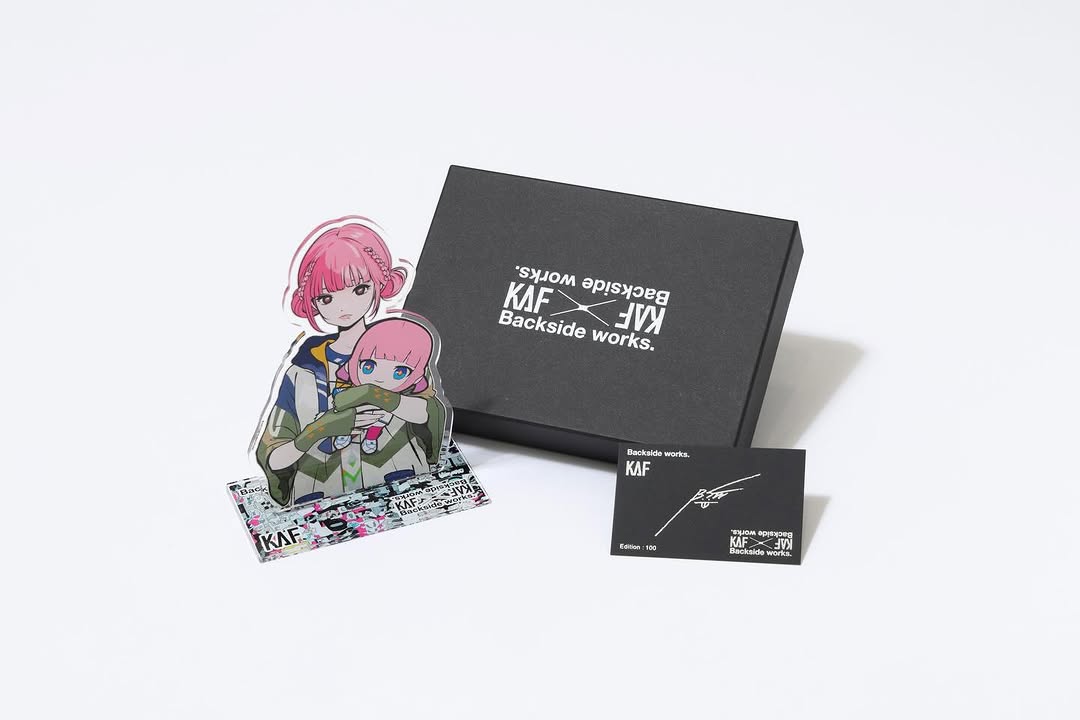
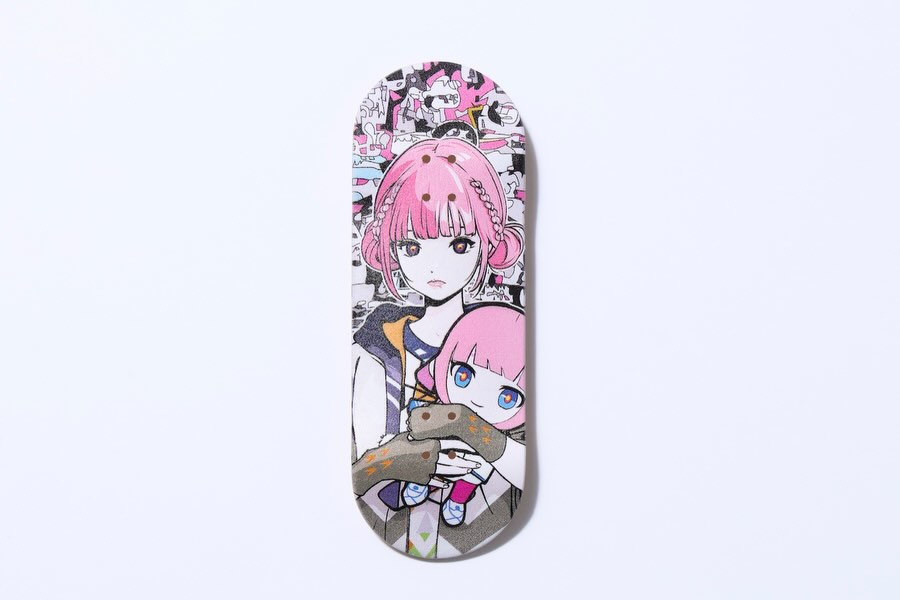
花譜とBackside works.によるコラボレーション商品を、
花譜のライブグッズおよび「花譜展」に関連した商品として販売いたします。
花譜 5th One-Man Live「宿声/深愛」
OFFICIAL LIVE GOODS 第二弾
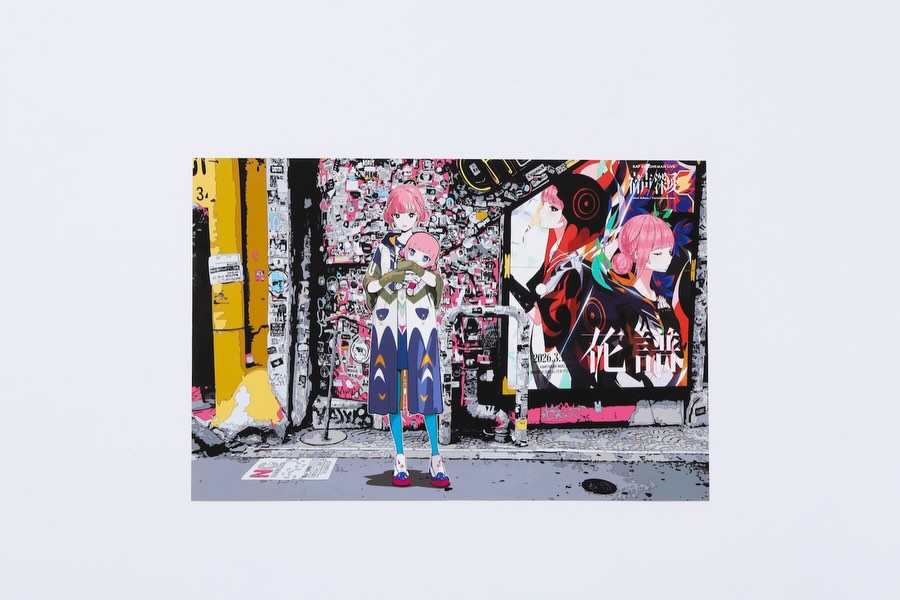
Backside works.が本公演を記念して特別に描き下ろしたイラストを使用したグッズを販売いたします。
【予約販売】
予約期間:12/24(火)21:00 ~ 1/19(日)13:00
お届け予定:2026年2月23日(月)頃
販売ページ
https://findmestore.thinkr.jp/
※販売開始時間までは販売ページは非表示となります。
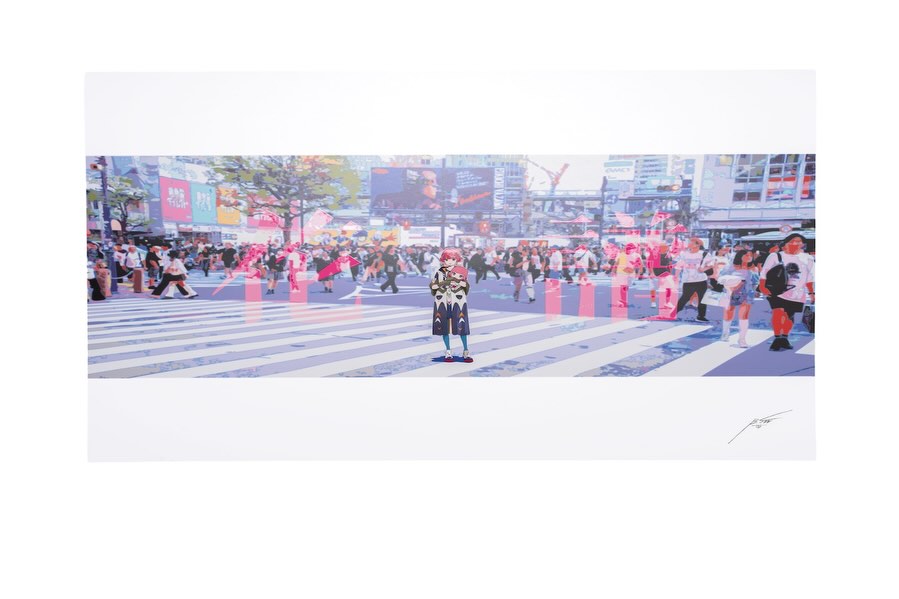
花譜展で展示される作品のポスターを、100枚限定で販売予定です。
本商品は展示会場での販売ではなく、後日「FINDME STORE by THINKR」にて抽選販売を予定しております。
※販売時期・詳細につきましては、確定次第あらためてご案内いたします。
抽選応募対象:
過去1年間に FINDME STORE by THINKR にてお買い物いただいた方のみ
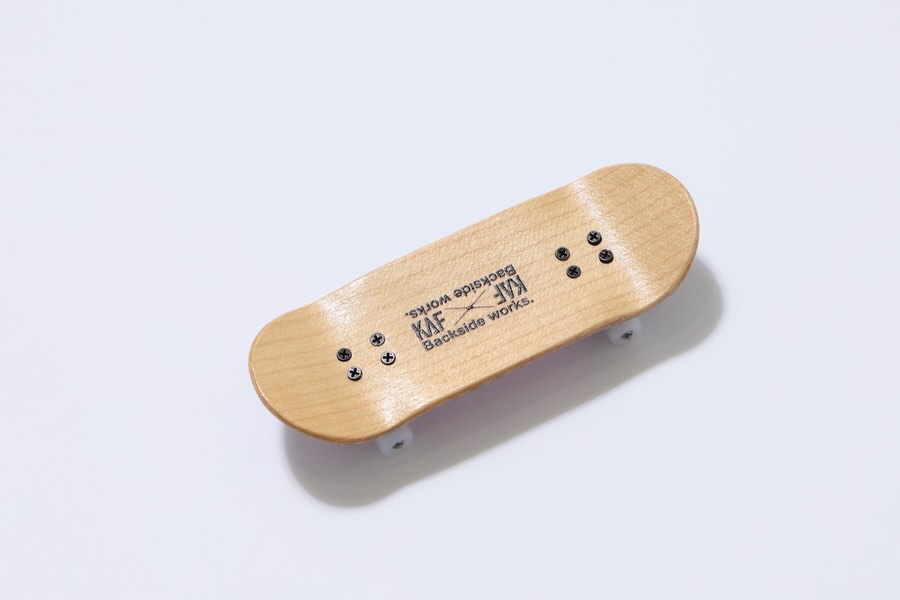
The KAF Fingerboard: How virtual_kaf Built This AI Art
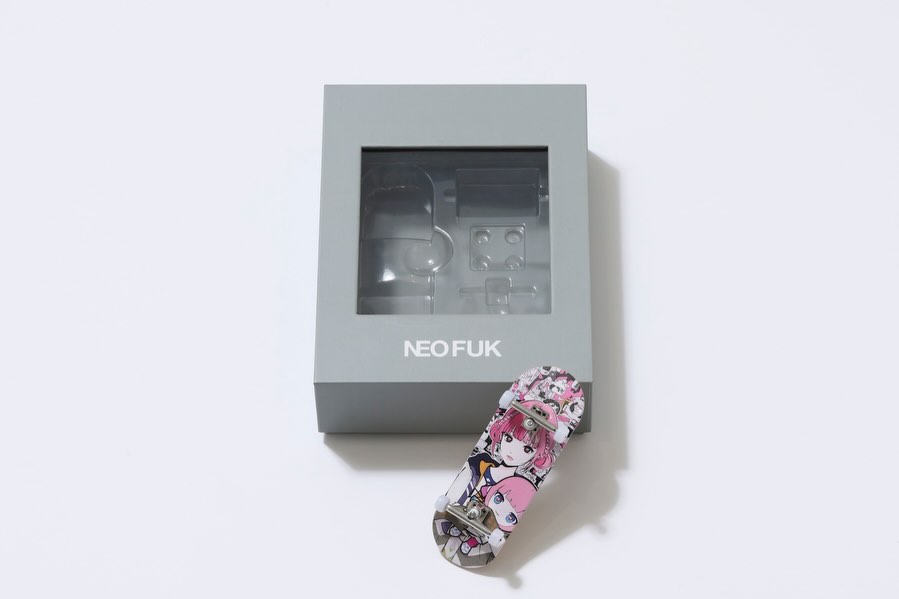
This frame looks simple, but it is strategically sharp. One fingerboard, one clean background, one diagonal placement, one readable logo. In crowded feeds full of visual noise, this kind of restraint works like a visual reset button. The viewer can parse the entire image in under a second, then immediately zoom in mentally for material details: wood grain, screw placement, mini wheel silhouette, and logo credibility. That fast-parse-to-detail path is a strong save trigger for design, toy, and niche lifestyle audiences.
The post also benefits from object honesty. Nothing is hidden by dramatic lighting or cinematic gimmicks. Soft studio light shows real texture and true proportions, which increases trust for product-minded communities. For creators, this matters because trust and replay are the two engines behind conversion-friendly reach. Even when the goal is not direct sales, a clean product visual can still build authority and memorability: “this brand has taste, control, and consistency.”
Most importantly, the composition is reusable. The diagonal object line creates motion without clutter, and the negative space leaves room for copy variants across platforms. That means one source image can support catalog use, social carousel intros, ad testing, and story overlays. Viral is not always maximal aesthetics; sometimes viral is frictionless clarity.
Signal Table: What Is Actually Driving Performance
Signal
Evidence (from this image)
Mechanism
Replication Action
Single-object clarity
Only one fingerboard appears, centered with no competing elements.
Instant cognitive read improves thumb-stop and dwell on first impression.
Lock object count to one for hero shots; move secondary info to caption.
Texture trust
Visible wood grain and hardware screws under soft neutral light.
Material realism increases product credibility and purchase intent.
Use diffused key light and avoid heavy filters that flatten texture.
Diagonal energy
Board is rotated lower-left to upper-right rather than flat horizontal.
Subtle dynamic line adds movement while keeping minimal style.
Rotate product 20–35 degrees and preserve generous negative space.
Copy-ready layout
Large empty background zones around the object.
Enables multi-platform text overlays without re-shooting assets.
Reserve safe areas for title/price/CTA before final crop export.
Use Cases and Transfers
Best fit: Product launch tile. Why fit: clear hero visual communicates SKU identity fast. What to change: add one concise launch label in top-left.
Best fit: Carousel cover for maker stories. Why fit: minimal cover increases click-through to process slides. What to change: keep first slide clean, add workshop details later.
Best fit: Marketplace listing. Why fit: neutral tone and truthful material rendering support comparison shopping. What to change: add dimension/spec slide as second image.
Best fit: Brand moodboard post. Why fit: tiny object + high discipline signals design maturity. What to change: keep palette consistent across weekly drops.
Not ideal: Event recap collage. Reason: this format intentionally removes context and people.
Not ideal: Storytelling-heavy campaign key art. Reason: emotional narrative cues are minimal by design.
Not ideal: Trend dance/character content. Reason: static product minimalism will underperform in entertainment-first slots.
Transfer 1: Jewelry Micro-Product Keep: one-object isolation, soft shadow direction, negative space. Change: fingerboard to ring/pendant, adjust scale and metal reflections. Slot template (EN):{single_product} on {clean_background}, diagonal placement, {soft_diffused_light}, subtle shadow
Transfer 2: Tech Accessory Keep: diagonal composition and copy-safe margins. Change: object to earbuds case/USB device, tune color cast to neutral gray-blue. Slot template (EN):{tech_accessory} centered, 25deg rotation, {high_key_studio}, texture-accurate surface
Transfer 3: Limited Artist Merch Keep: truthful material rendering and readable logo zone. Change: object to pin/keychain/vinyl mini item, emphasize branding print clarity. Slot template (EN):{merch_item} isolated on pale backdrop, one shadow, logo legible, minimal premium aesthetic
Aesthetic Read (Observed → Recreate)
The power of this shot is proportion control. The object occupies just enough of the frame to be legible, but not so much that the image feels cramped. Light is soft enough to keep edges friendly while still preserving the deck’s wood fiber pattern and hardware definition. The background is nearly colorless, which gives the product full ownership of the visual hierarchy. This is textbook “quiet confidence” art direction.
Another key detail is restraint in contrast. Blacks are dark enough for logo readability, but highlights never clip into plastic shine. That balance is difficult and often ignored. Many creators over-process product shots; this image keeps tonal transitions smooth, which makes it look expensive and trustworthy.
Step 1: Generate a neutral baseline with no text overlays and no secondary props.
Step 2: Change one knob only: rotate object angle by 10 degrees to test click behavior.
Step 3: Change one knob only: swap background tone (pale gray → warm off-white) and keep lighting identical.
Step 4: Change one knob only: test logo visibility strength (normal, subtle, bold) for platform readability.
Run quick A/B exports from the same base. If the product starts to look staged or artificial, return to neutral lighting and minimal composition immediately.