How Curious Refuge Made This Giant Robot Duck Chase AI Art - and How to Recreate It
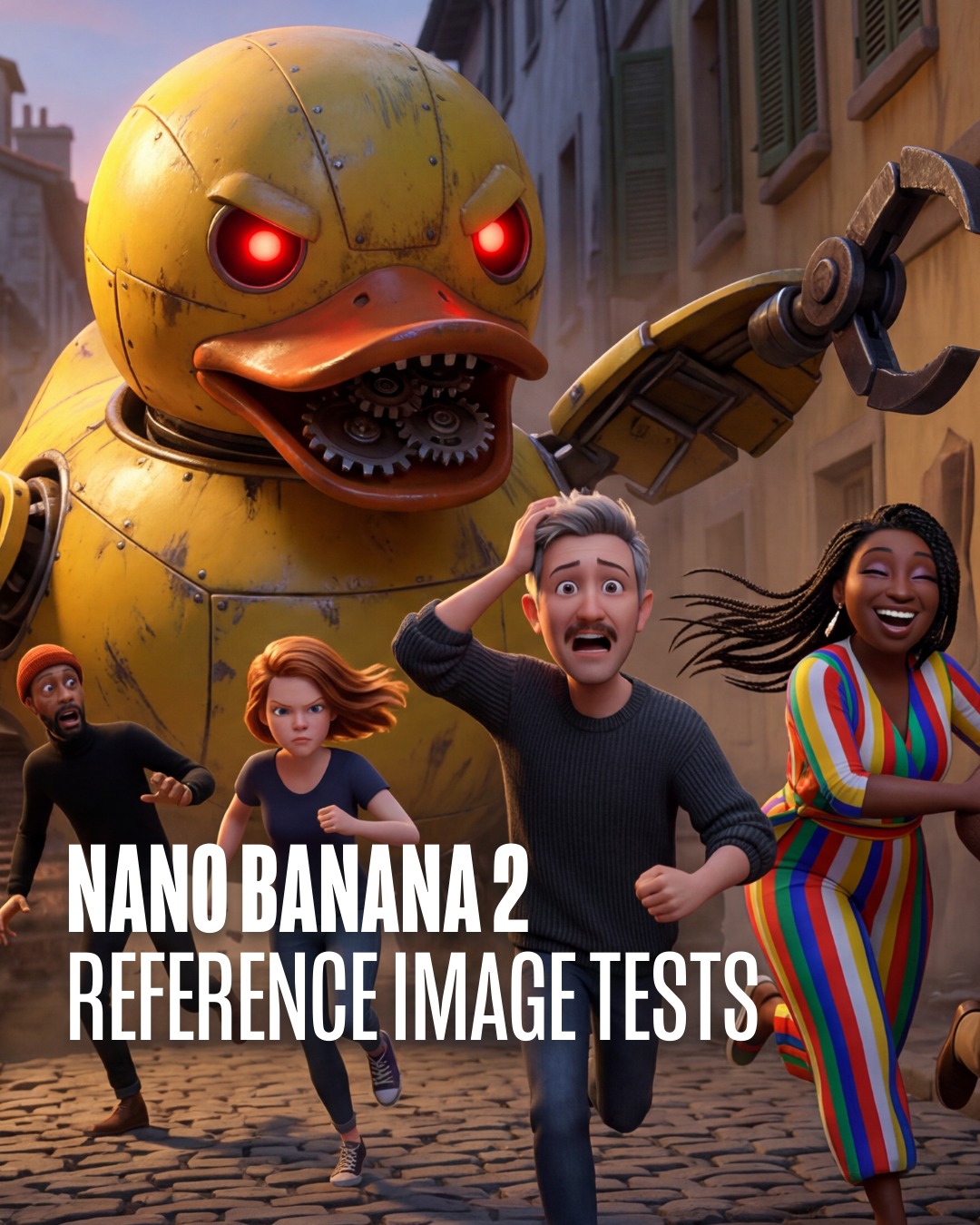
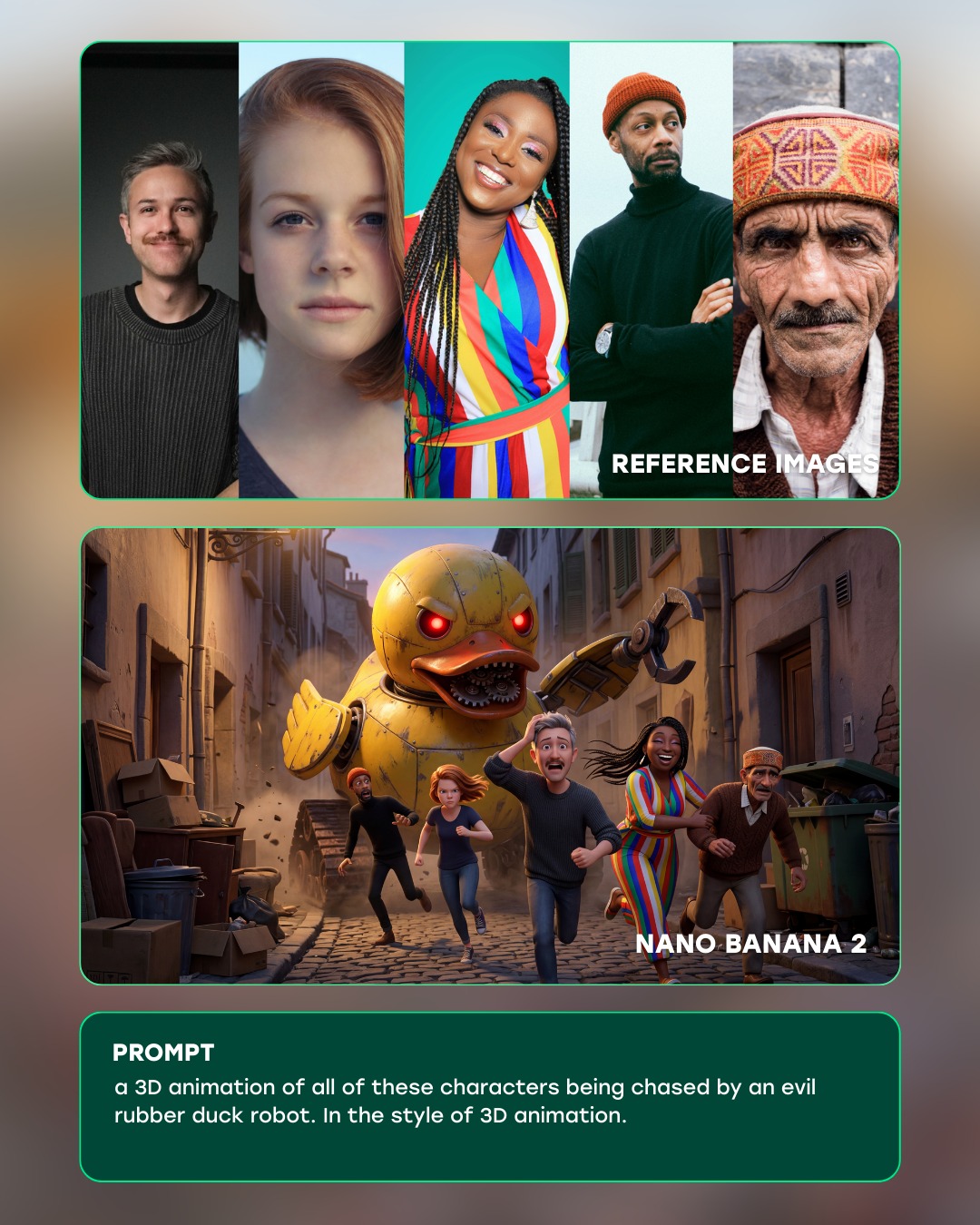
This frame works because it commits to a very clear premise and explains it in a single glance. There is a giant mechanical duck with glowing eyes, there are frightened people running toward the viewer, and the city street is narrow enough to trap everyone inside the same rush of motion. The concept is absurd, but the composition is disciplined.
Visual breakdown
| Element | What it contributes |
|---|
| Giant robot duck | Acts as the visual hook and instantly defines the tone as threat-comedy. |
| Running foreground characters | Provide scale, emotion, and direct audience entry into the scene. |
| Glowing red eyes | Sharpen the duck's menace and create a strong focal accent. |
| Cobblestone street | Compresses the action into a readable chase corridor. |
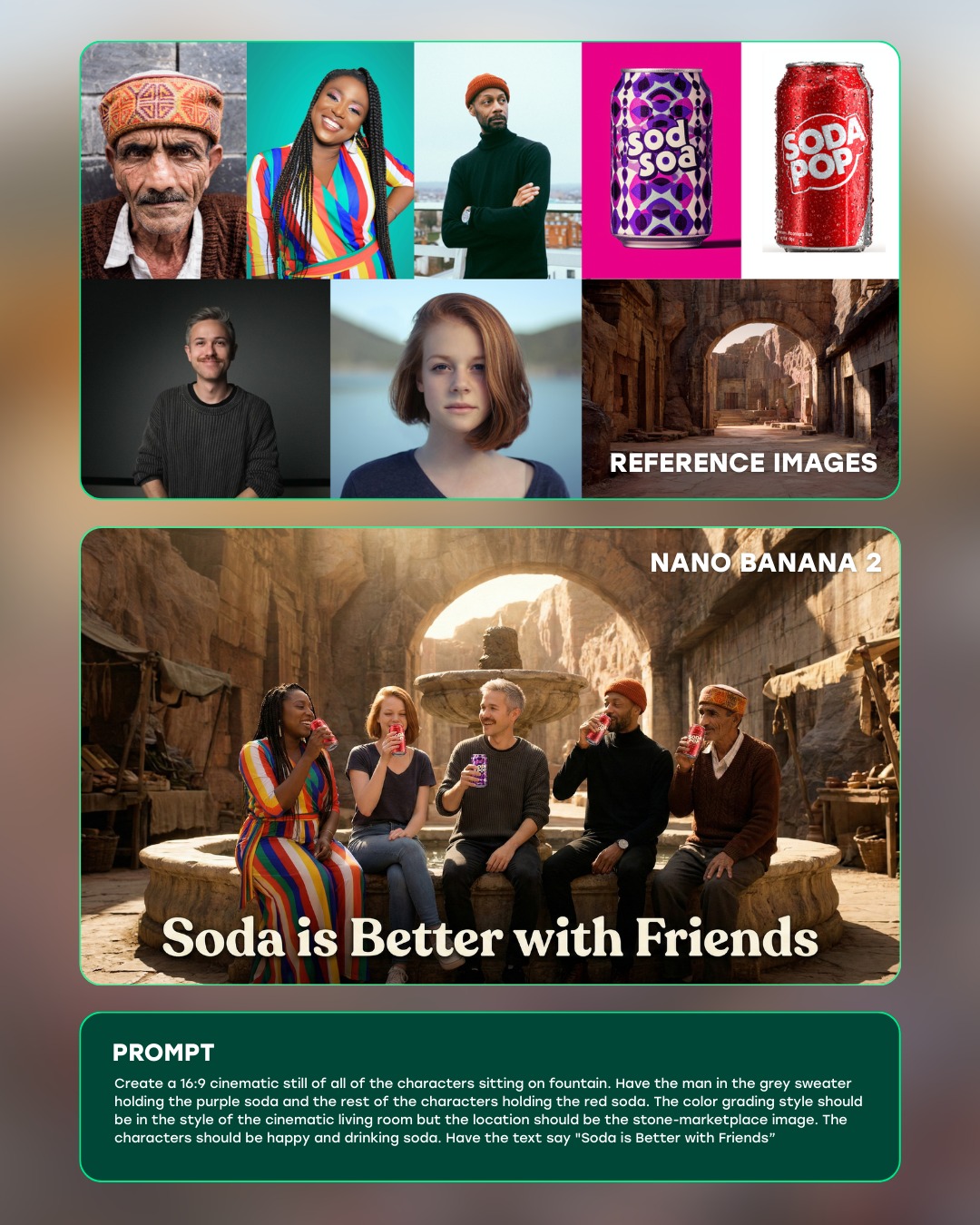
| Poster text area | Makes the image function like a promotional test rather than just a scene still. |
What the image is really doing
The strongest move here is tonal balancing. The duck is ridiculous, but it is framed like a real monster. The people are scared, but their styling and expressions keep the mood playful rather than grim. That balance is exactly what makes the image commercially legible. It feels like an animated adventure concept, not a random meme.
The camera placement helps a lot. By putting the audience in the escape path, the frame becomes participatory. The robot is not just behind the characters; it is also advancing toward the viewer. That is why the image feels energetic even though it is a single still.
Why the color choices work
| Color choice | Effect |
|---|
| Yellow robot shell | Makes the villain instantly legible and visually iconic. |
| Red glowing eyes | Add urgency and sharpen the duck's emotional read. |
| Warm street tones | Keep the environment friendly enough for comedy-adventure tone. |
| Rainbow-striped dress | Adds a playful high-saturation accent among the darker clothing. |
The palette is doing genre work. It is bright enough to stay in animated-family territory, but the red eye glow and metal wear keep the machine from becoming harmless.
Best-fit uses and transfer paths
- Reference for animated poster concepts that need a single clear comedic threat.
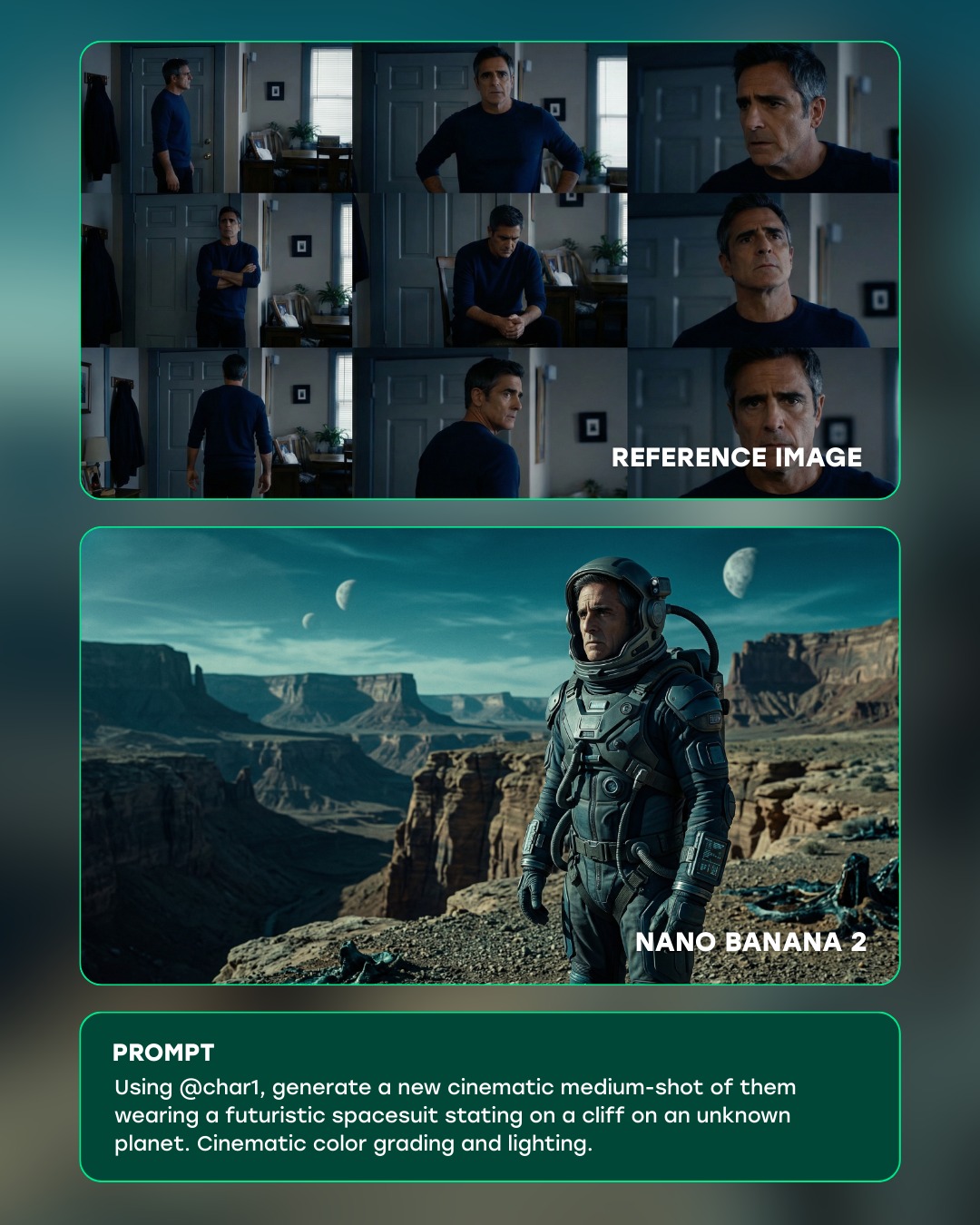
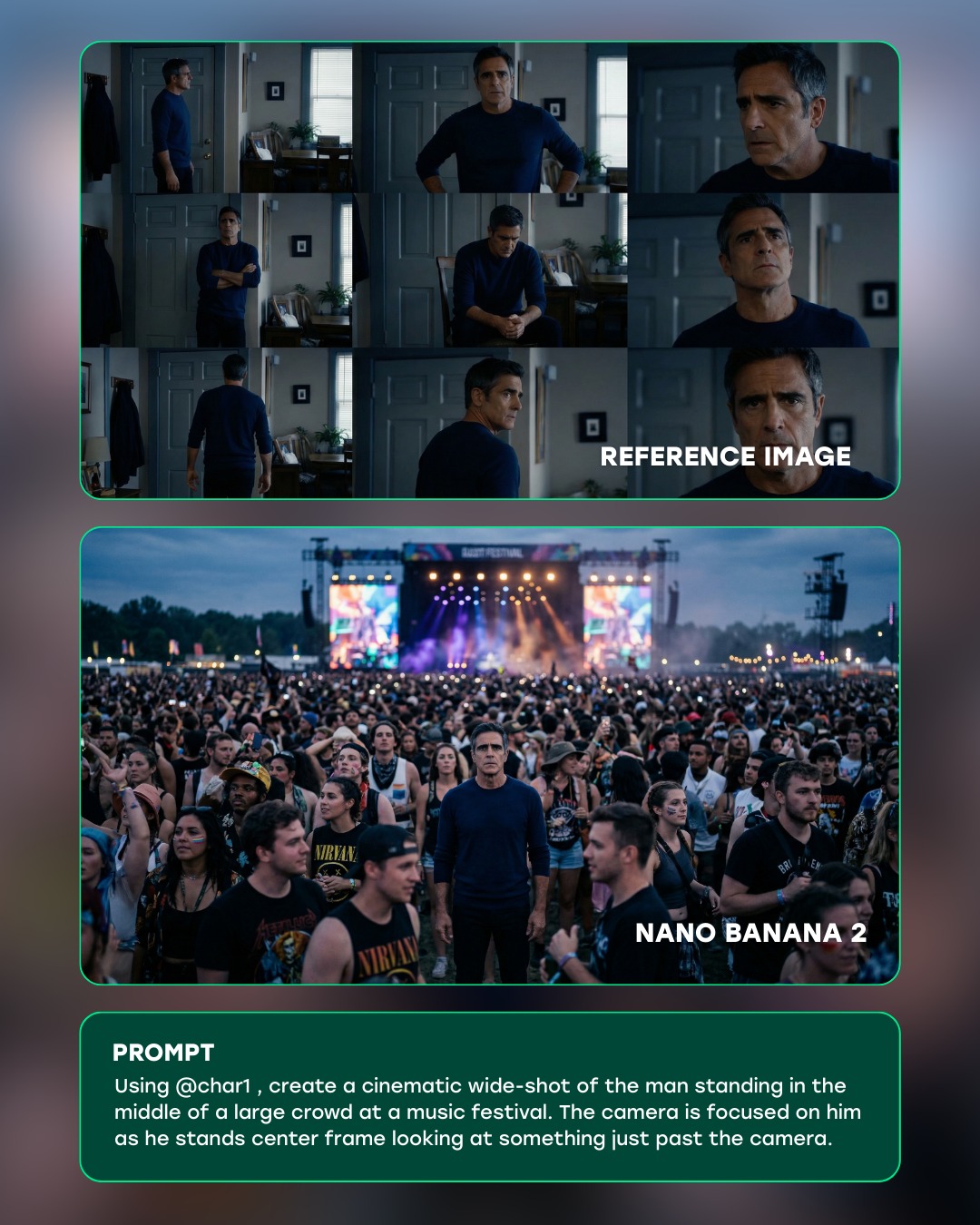
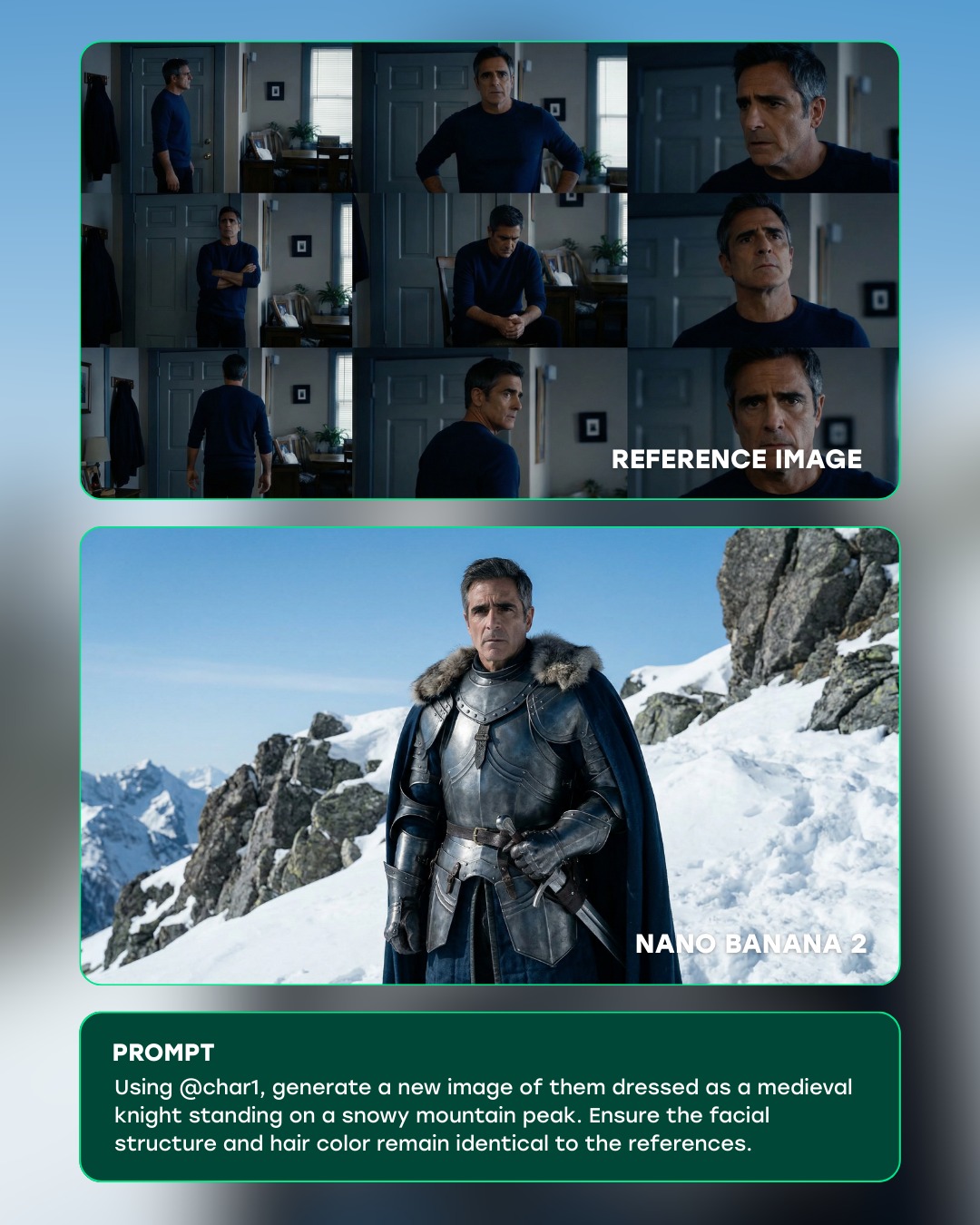
- Useful for AI prompt work involving 3D stylized chase scenes and character-consistency tests.
- Good inspiration for trailer key art, thumbnail design, and concept marketing frames.
- Strong benchmark for making absurd premises visually readable at a glance.
How to adapt the idea without weakening it
If you want to reuse this structure, keep one oversized threat, one tight escape corridor, and a small foreground group with clearly differentiated reactions. Those are the mechanics that make the frame readable. You can replace the duck with another absurd machine, but the core should remain simple and instantly understandable.
A reliable variation path is to preserve the same poster logic while changing the setting. A market street, school hallway, or amusement park could work, as long as the environment still funnels the chase toward the viewer.