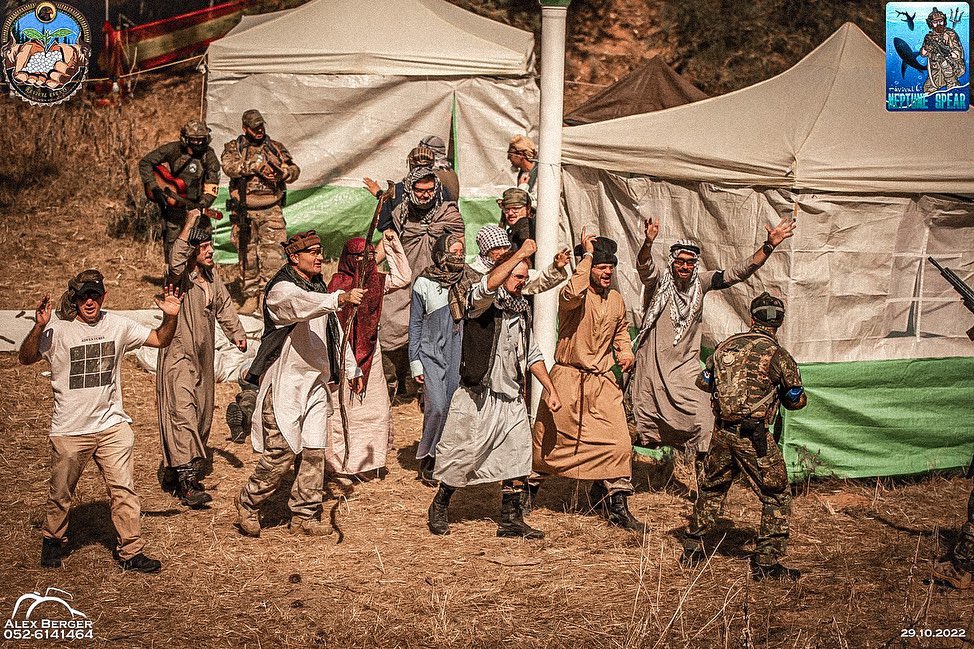
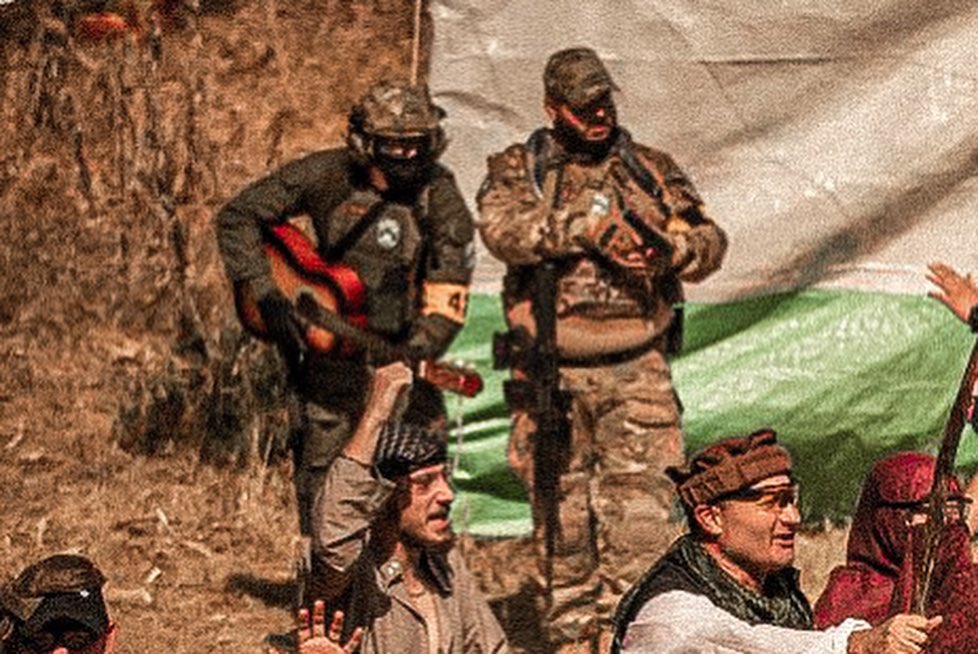
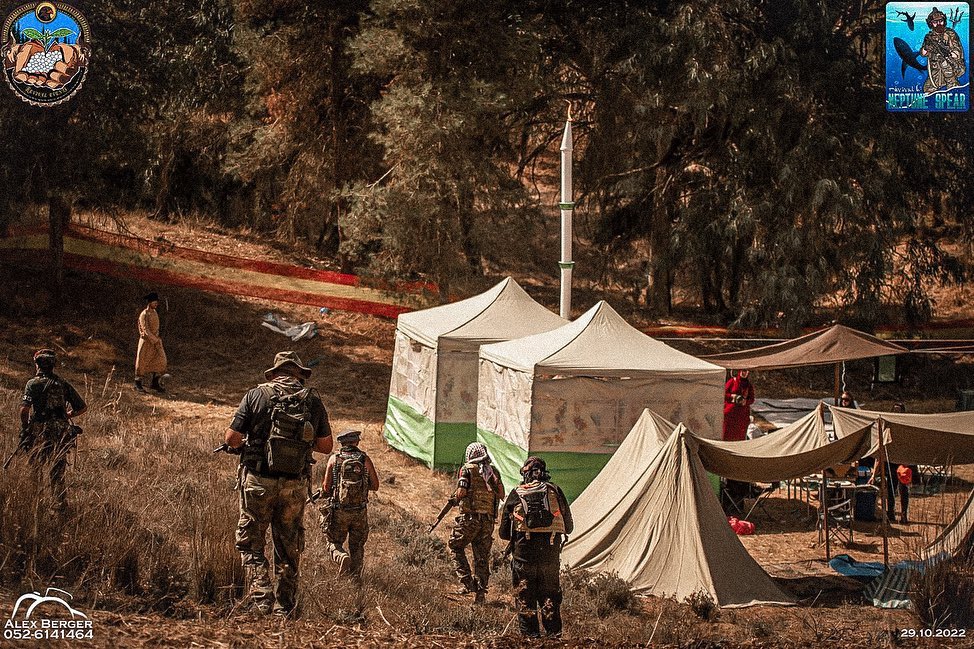
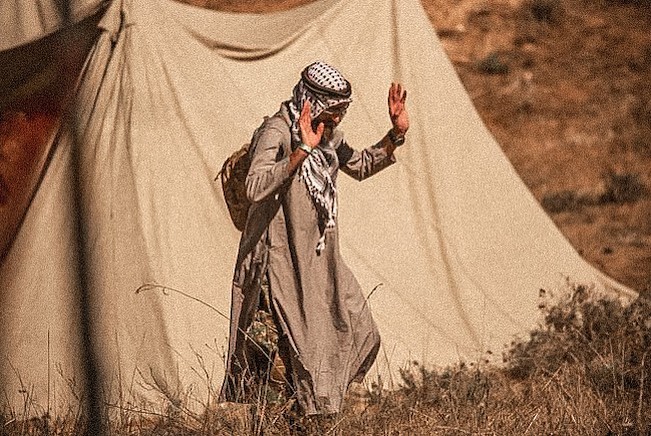
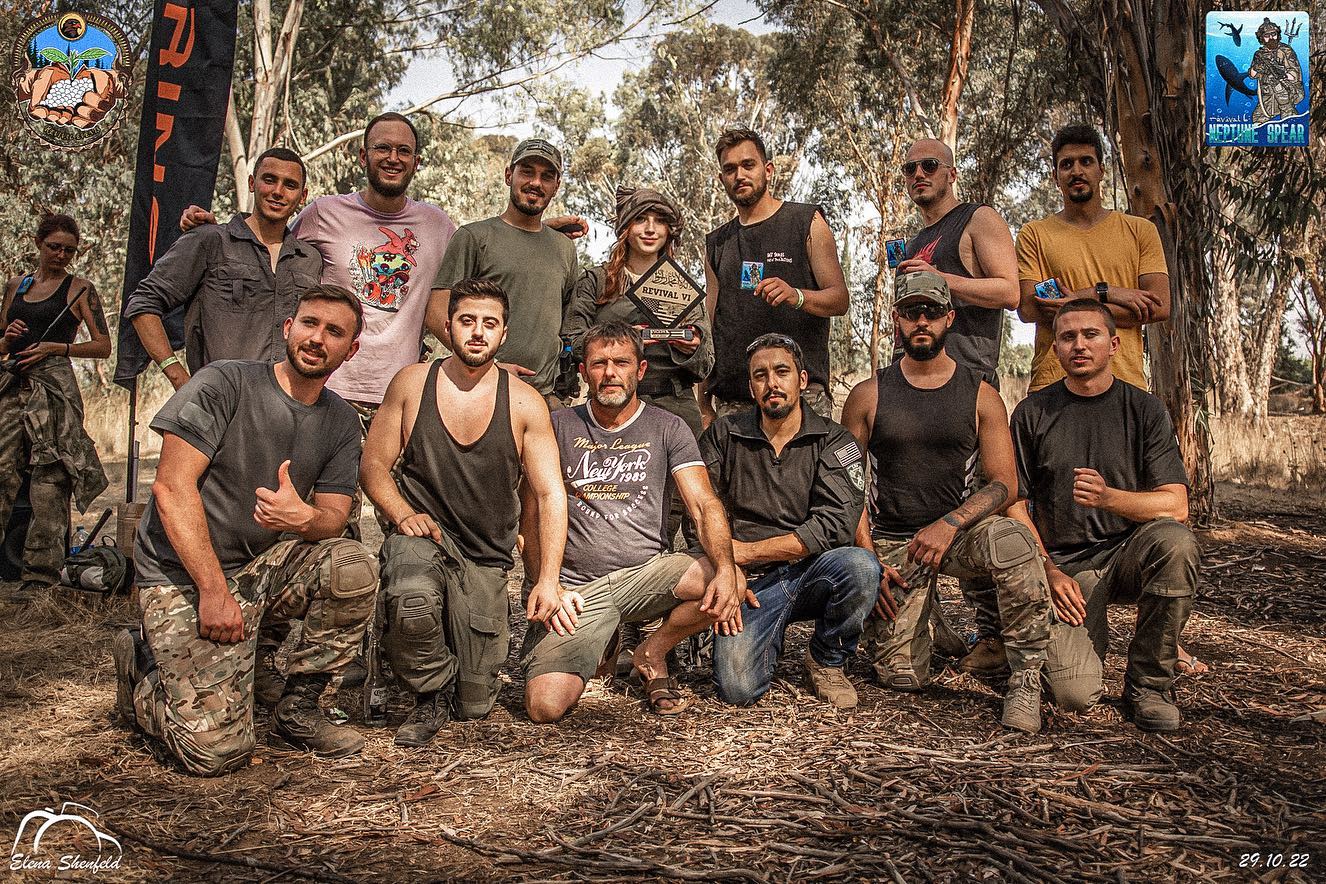
Operation Neptune Spear - The hunt for UBL photo dump 🔱
our last milsim event had so much fun with my team @s.o.g_airsoftteam
we successfully accomplished the mission with a great team work! 💪 do you like big Milsim events? or rather practice in CQB? I mostly participate in cqb trainings but it’s nice to test my skills in an open field sometimes especially since I use LMG so I’d say I balance between the two 🫡
How nataliafadeev Made This Operation Neptune Spear AI Image — and How to Recreate It
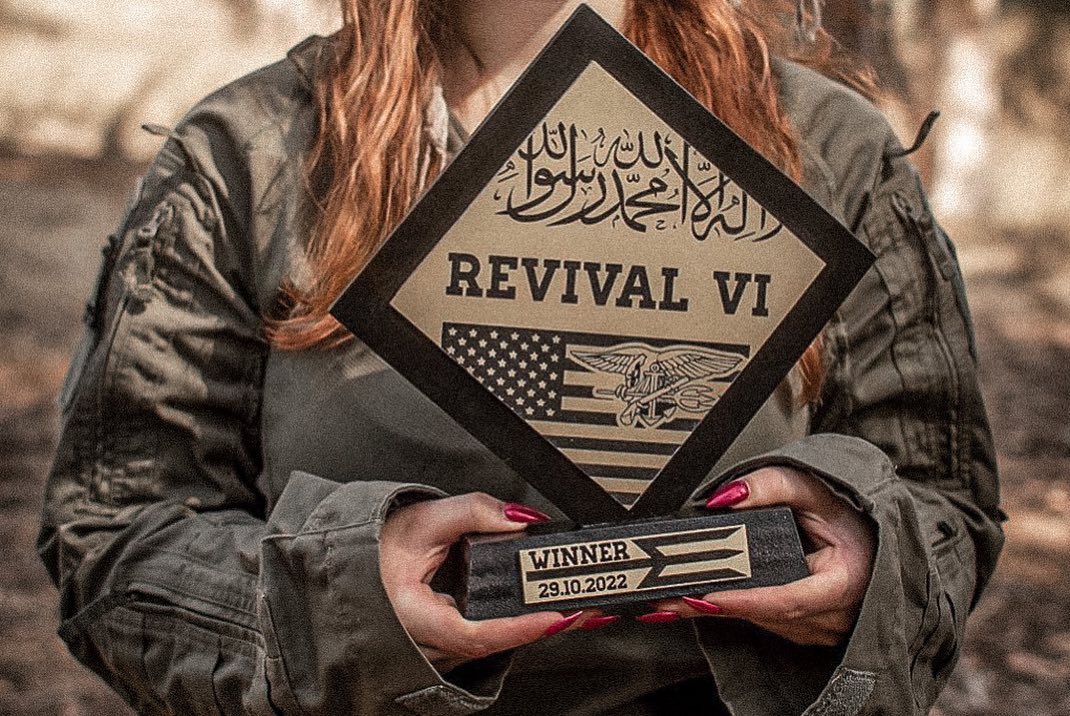
This image is effective because it turns a result into an object. Instead of asking the audience to infer what happened from a wide event scene, it gives them a single proof point: the trophy. That makes the post easier to understand at a glance and stronger as a recap asset.
The crop is doing most of the work. By cutting out the full face and most of the environment, the image becomes about evidence rather than self-presentation. The viewer reads “winner,” sees the date, notices the event name, and understands the post’s function immediately. That kind of clarity is useful in recap content.
There is still enough human detail to keep it personal: the jacket, the hair strands, the fingernails, the way the trophy is held. That balance matters. Pure object photography can feel lifeless. Pure portrait photography can hide the achievement. This frame lands in the middle.
Signal Table
Signal
Evidence (from this image)
Mechanism
Replication Action
Proof-object framing
The trophy fills the frame and the winner plate is visible
Physical proof is easier to process than a story-heavy scene
When posting an achievement, show the evidence object up close
Include hands or body texture when shooting an award close-up
Context restraint
Background is warm and blurred, not descriptive
Blur protects clarity by not competing with the object message
Keep event recap close-ups visually simple and let the object do the talking
Where This Format Fits
Competition recap posts where a single proof image is more efficient than a full album opener.
Achievement slides inside carousels that need a clear “result” frame.
Creator pages that want to show credibility without looking overly self-congratulatory.
Prompt libraries teaching how to compose evidence-driven close-ups.
It is weaker for emotional storytelling on its own because it does not show the full atmosphere of the event. Its role is precision, not immersion. That is why it works best as one piece in a broader recap.
Keep: trophy centered, hands visible, body cropped. Change: award type and event styling. Slot template: {award object} {hands holding it} {cropped torso} {blurred event background}
Keep: warm outdoor blur and fabric texture. Change: plaque to medal, certificate, or patch board. Slot template: {proof object} {human detail} {soft background} {close crop}
Keep: readable label and low-clutter crop. Change: jacket color and nail color to fit brand identity. Slot template: {readable achievement text} {personal styling cue} {documentary realism}
Aesthetic Read
The image feels strong because it does not overperform. There is no trophy lifted overhead, no exaggerated victory face, no staged background. Just the object, held squarely. That restraint gives the post more credibility.
The magenta nails are a useful detail too. They add a small note of personality against the muted military green and tan palette. It is exactly the sort of tiny contrast that keeps a close-up from feeling visually flat.
If you want to recreate this style, think less about celebration and more about documentation. A good award close-up should feel like proof with just enough human presence to remind you who earned it.
Prompt Technique Breakdown
Prompt chunk
What it controls
Swap ideas (EN)
diamond-oriented plaque trophy with readable central title
The evidence object and visual headline
medal board, framed certificate, shield plaque
hands holding the base with visible nails
Human ownership and scale
gloved hands, bare hands, ring details
olive jacket and warm blurred field backdrop
Event context without distraction
forest blur, desert blur, expo blur
cropped-out face, torso-only framing
Focus on result rather than portrait identity
chin crop, shoulder crop, chest-level crop
Remix Steps
Baseline lock: keep the award centered, the hands visible, and the background blurred. Those three elements are what make the image work as proof rather than clutter.
Run 1: match the object size, crop level, and readable text hierarchy.
Run 2: change only the hand styling or sleeve texture while keeping the object fixed.
Run 3: change only the object type and keep the same documentary framing.
Run 4: compare a cleaner crop against one with more hair and torso to decide how personal versus official the image should feel.