How nataliafadeev Made This Milsim Group Center Focus AI Photo — and How to Recreate It
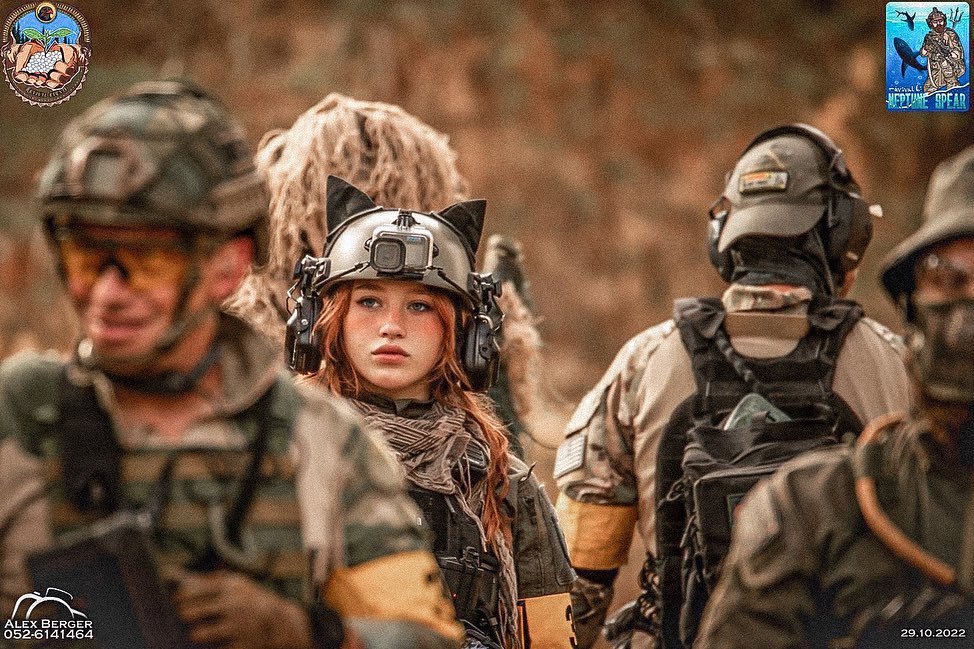
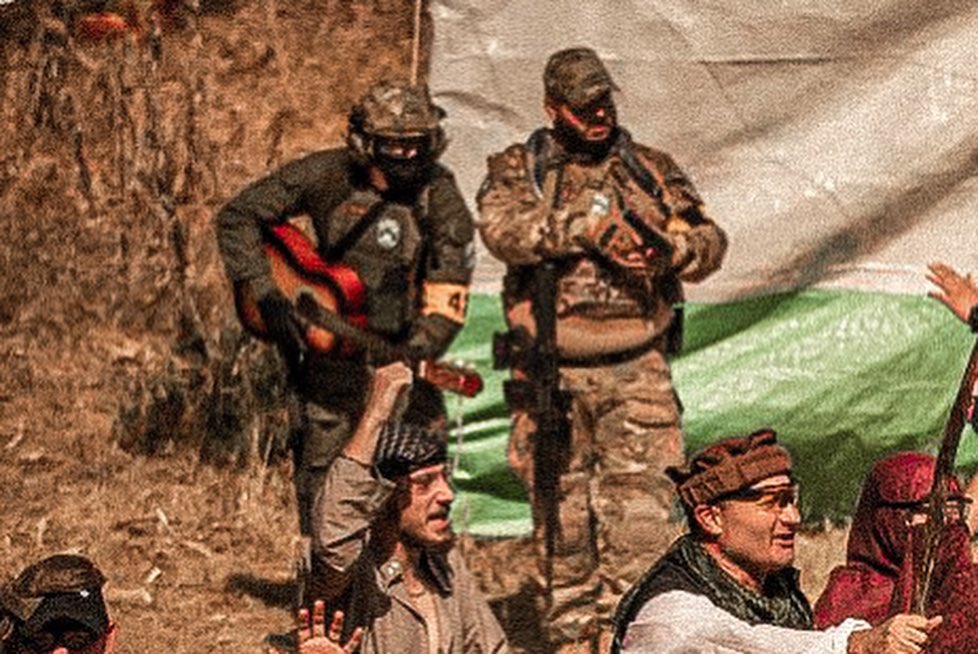
This image works because it turns a crowded field-event frame into a single-character discovery moment. At first glance, you see a milsim group. Then your eye lands on the one face centered in the opening, framed by other players, and the whole image snaps into focus. That is a very strong social-media mechanic because it rewards scanning.
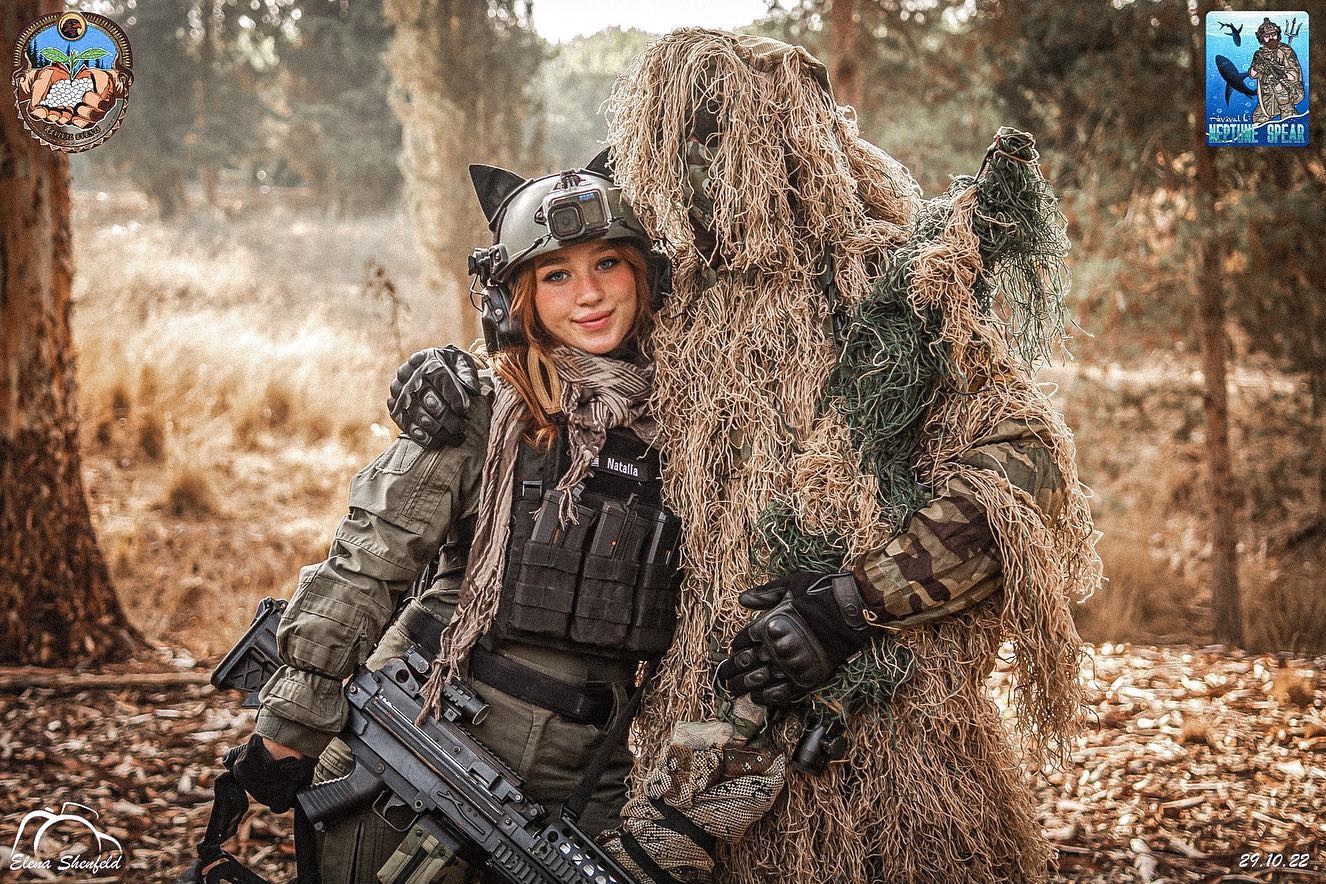
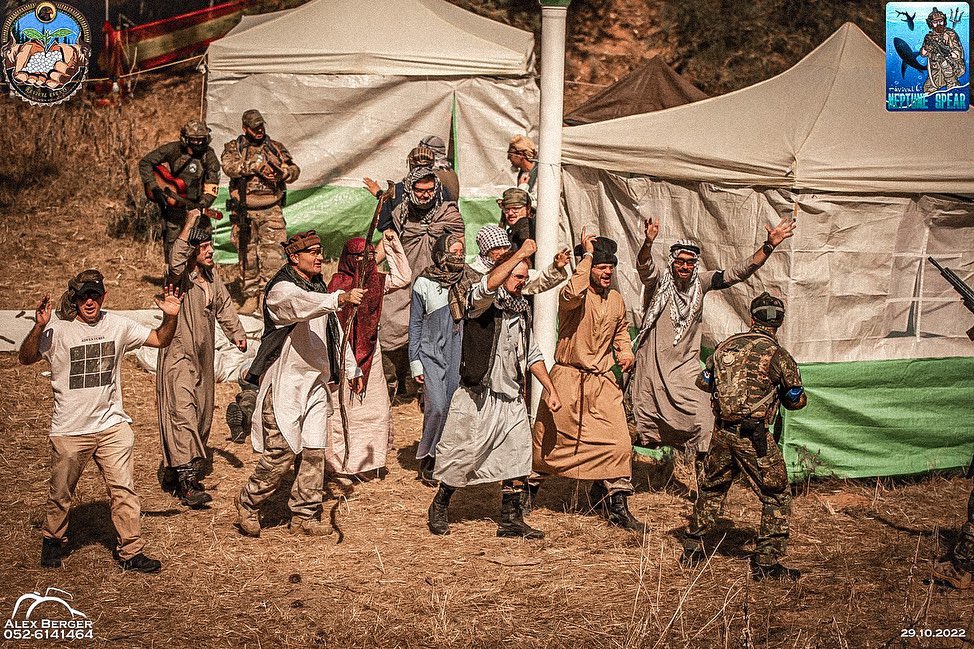
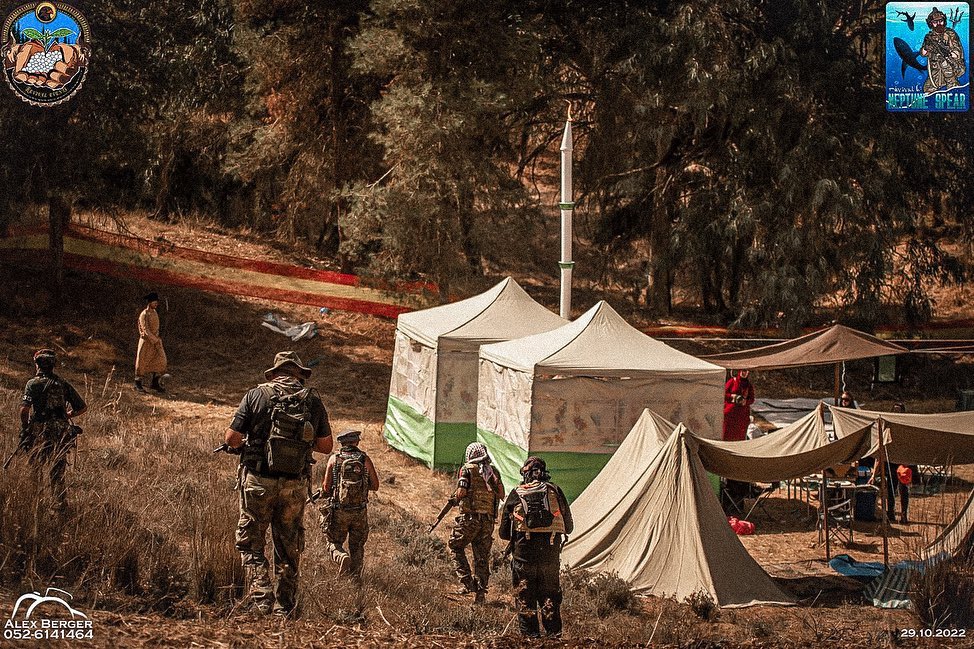
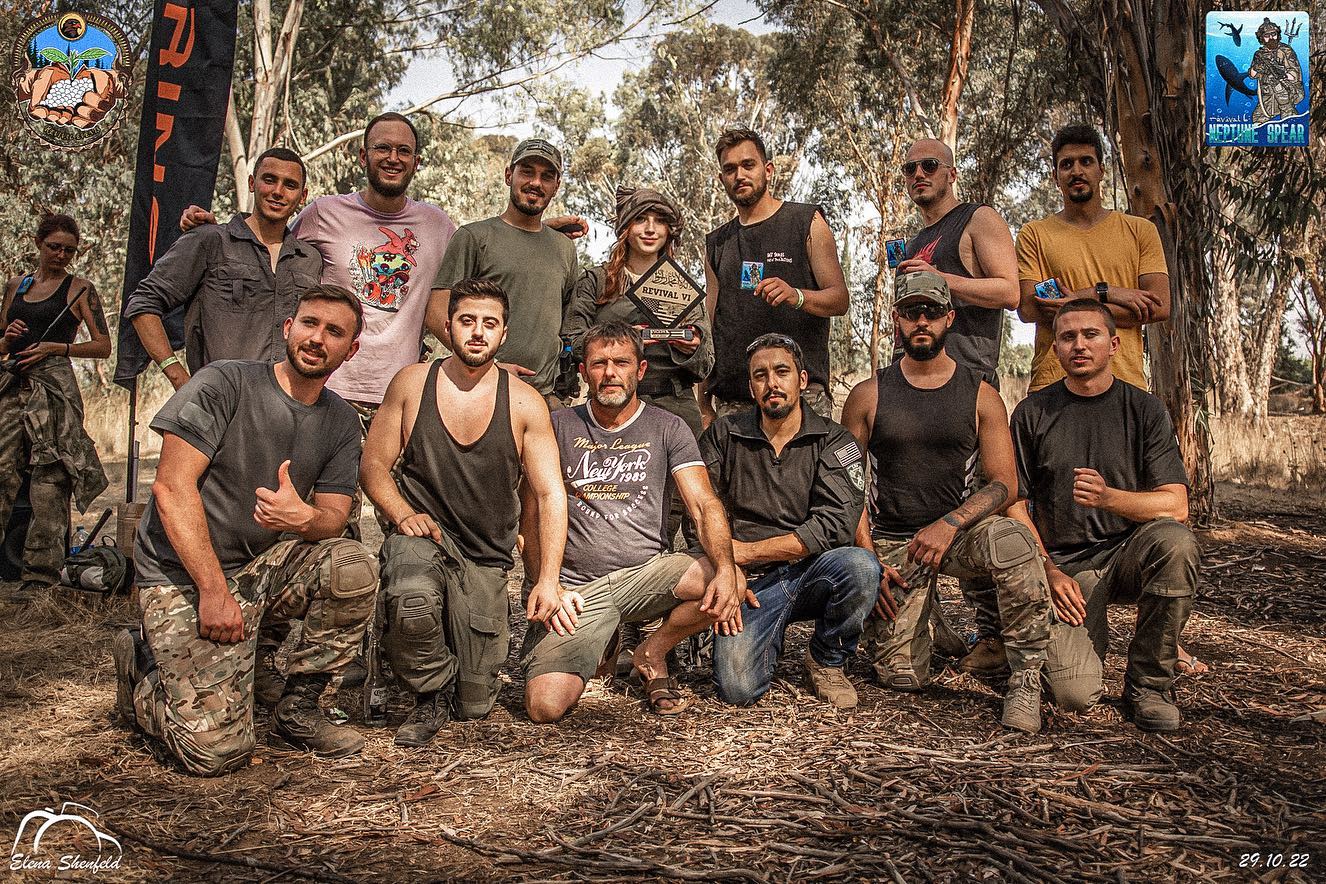
The caption adds useful context: a large milsim event, team play, mission success, and a contrast between open-field simulation and CQB training. That context matters because it explains why a more crowded, environment-led photo belongs in the feed. This is not just a look. It is evidence of participation, teamwork, and subculture presence.
What Makes the Composition Work
The strongest choice here is selective focus inside a group. The surrounding players are not visual mistakes. They are framing devices. The blurred figure on the left, the turned backs on the right, and the warm field colors all create a tunnel toward the center face. That is why the image feels more cinematic than a standard group snapshot.
| Signal | Evidence (from this image) | Mechanism | Replication Action |
|---|
| Crowd framing | Other players partially block the foreground and sides. | Foreground occlusion creates depth and makes the center subject feel discovered. | Use nearby people or objects as soft frame edges rather than clearing the scene completely. |
| Main-character cue | The central subject is the only face that is clearly readable. | Selective clarity turns a group scene into a hero image. | Keep one face sharp and emotionally neutral while the rest stay secondary. |
| Event credibility | The surrounding gear and player count prove this is a real field activity. | Community context increases authenticity and broadens the story beyond personal branding. | Leave enough group evidence in frame to show scale and participation. |
Where This Type of Image Fits Best
This format works for event recaps, milsim or airsoft community coverage, subculture storytelling, group-photo blog pages, and AI prompt studies about isolating one subject inside a busy scene. It is especially effective when the audience should feel that the creator exists inside a larger world, not outside it.
- Best fit: event recap pages that need one image of community plus identity at the same time. Keep the group and the hero focus together.
- Best fit: prompt pages about crowd isolation and social hierarchy inside a frame. Keep one face sharp and the rest as layers.
- Best fit: niche-community storytelling where belonging matters as much as aesthetics. Keep visible teammates, even if blurred.
- Not ideal: catalog-style gear pages, because too many secondary figures compete with product clarity.
- Not ideal: conventional portraits, because the magic depends on partial obstruction and layered focus.
Three transfer recipes
- Keep: center-focused hero subject, blurred people foreground, warm outdoor field palette. Change: subculture from milsim to festival crew, dance crew, or cosplay group. Slot template: "{group setting} {hero face in center gap} {foreground occlusion} {tone}"
- Keep: one recognizable accessory, one clear face, one community backdrop. Change: cat-ear helmet to colored headphones or character headpiece. Slot template: "{community scene} {signature identifier} {depth layering} {focus logic}"
- Keep: telephoto compression and selective focus. Change: environment from dirt field to convention hall or training yard. Slot template: "{event environment} {single-subject isolation} {surrounding participants} {lighting}"
The Aesthetic Read
The image is aesthetically strong because it lets the crowd do compositional work. The blurred bodies and shoulders create a rough visual vignette around the center. The cat-ear helmet then adds a small but memorable identity cue that distinguishes the main subject from everyone else. That is a smart use of one playful detail inside a mostly serious palette.
The warm grading also helps. Browns, olive tones, and dusty highlights unify the whole frame, so the scene feels like one event rather than many disconnected people. This makes the central face feel like the emotional node of a coherent world.
| Observed | Recreate |
|---|
| Foreground occlusion creates instant depth | Let nearby bodies or objects partially block the frame. |
| One sharp face controls the emotional read | Choose one subject and keep the rest soft. |
| One playful accessory breaks the uniformity | Add one small recognizable styling cue like cat ears or colored gear. |
| Warm field palette makes the scene cohesive | Keep clothing and background inside a narrow earthy range. |
| Group presence signals community scale | Include enough secondary figures to show the event is real. |
Prompt Technique Breakdown
To recreate this image well, the key is not simply "girl in tactical gear." The real formula is "hero subject discovered inside a live group event."
| Prompt chunk | What it controls | Swap ideas (EN, 2-3 options) |
|---|
| crowd layering | Whether the frame feels flat or immersive | "foreground players blurred", "partial shoulder occlusion", "group surrounding the subject" |
| hero focus | How clearly one person emerges from the scene | "center sharp face", "single readable expression", "main-character isolation" |
| signature detail | What makes the chosen subject memorable | "cat-ear helmet", "mounted camera", "distinctive scarf" |
| event realism | Whether the image feels participated-in rather than staged | "milsim field", "team event", "paused mission scene" |
| color tone | How unified the group composition feels | "warm dusty grading", "earth-tone palette", "soft field browns" |
How I Would Iterate It
Baseline lock the crowd framing, the single sharp face, and the cat-ear helmet detail first. Those three parts are doing the entire job. Then refine one element at a time.
- Run 1: make the center face and surrounding depth layers readable immediately.
- Run 2: adjust only the foreground obstruction until it adds depth without covering the focal face.
- Run 3: test one event-environment variation while preserving the same isolation logic.
- Run 4: swap one signature accessory, but keep the same community-scene composition.
The repeatable lesson is simple: group photos perform better when one person is allowed to feel like the emotional center, not just another body in the crowd.