How to Create a Milsim Camp Event Scene AI Image
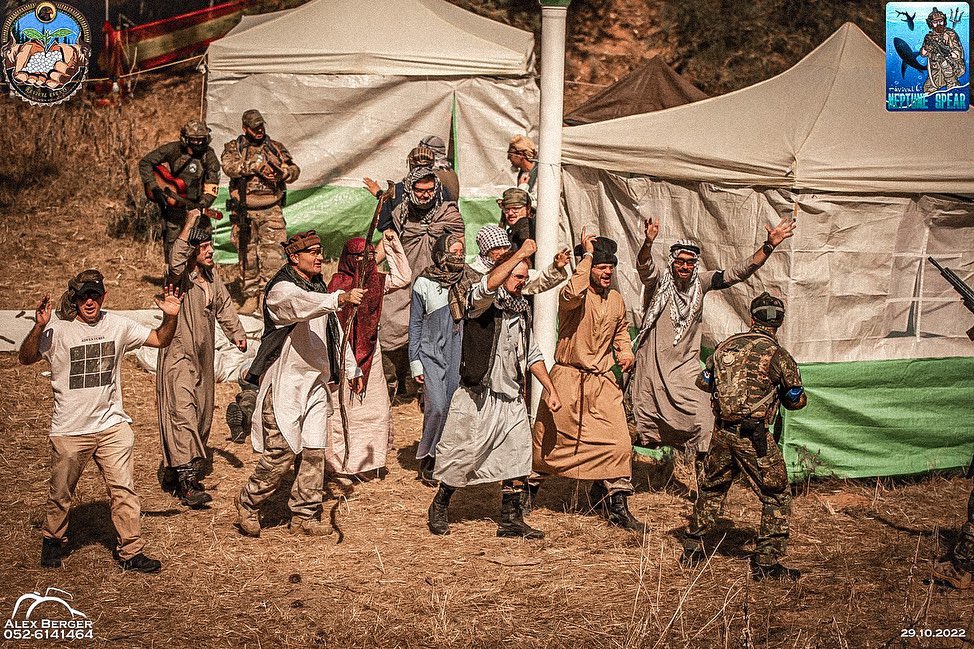
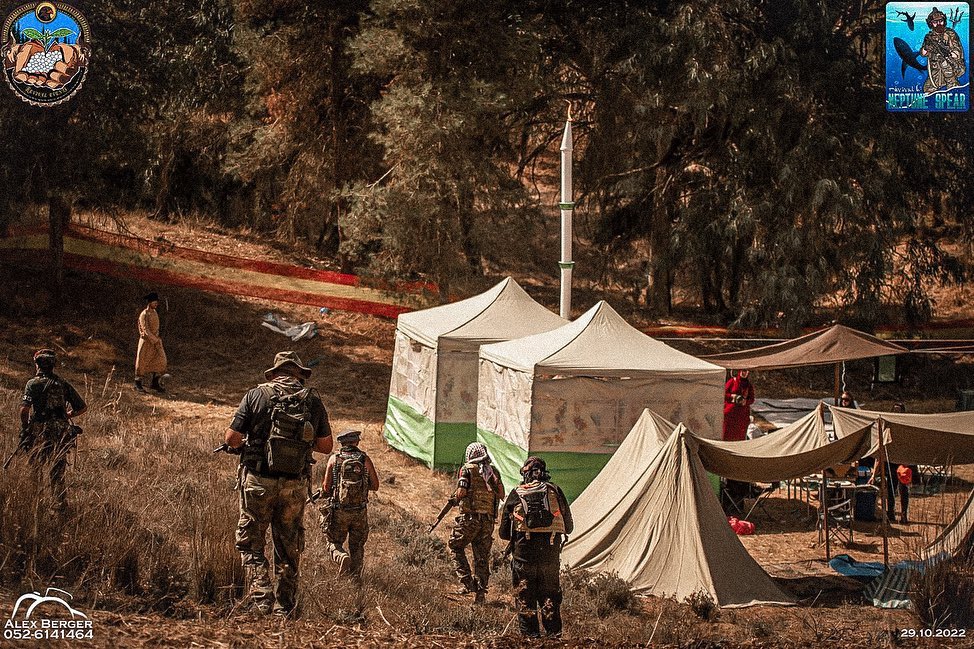
This image works because it captures complexity instead of reducing the scene to one hero subject. The tents, costumes, tactical gear, and dry hillside all tell the viewer that this is an organized event environment. That matters for documentation-style content. A good event photo should not only show people. It should explain what kind of space they are occupying and what kind of activity is unfolding.
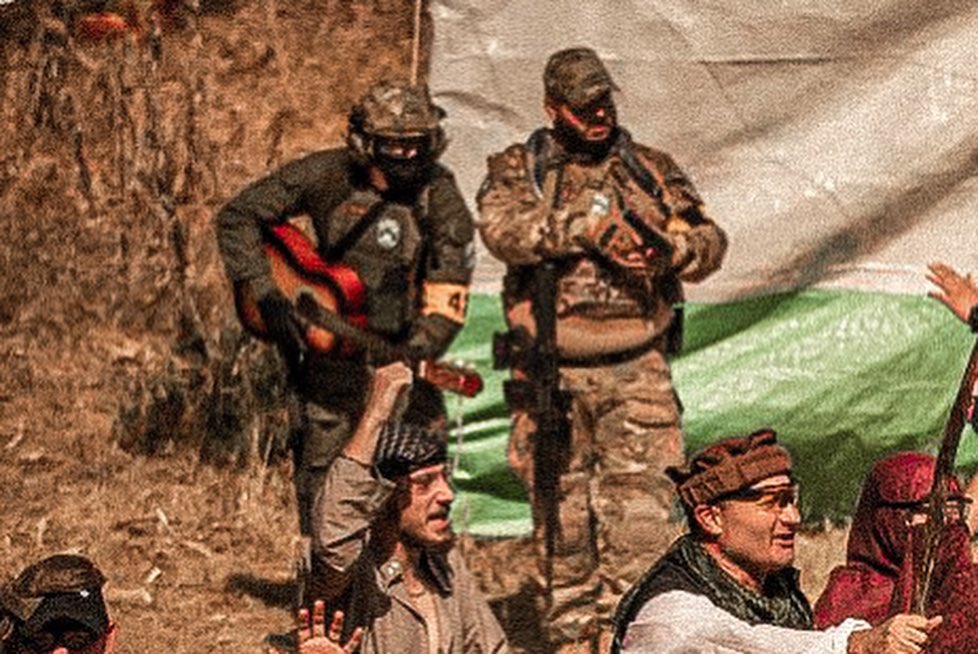
The strongest part of the image is the contrast between the two visual groups: robed participants and tactical participants. That contrast makes the frame feel like a staged scenario or roleplay exercise rather than a random outdoor gathering. For creators or editors, this is useful because it demonstrates how documentary photos become more informative when the visual roles are easy to distinguish.
Why The Photo Has Informational Value
The image is effective because it gives location, activity, and group behavior all at once. The tents establish the base-camp setting. The clothing and equipment establish the event’s theme. The gestures and movement establish that something is happening now, not just that people are standing around. Those three layers make the photo useful for reporting or recap purposes.
| Signal | Evidence (from this image) | Mechanism | Replication Action |
|---|
| Clear event setting | Large tents and a dry field camp layout | Explains where the activity is taking place | Include infrastructure elements when documenting organized outdoor events |
| Role distinction | Robed participants contrasted with tactical uniforms | Makes the scenario legible without needing a caption first | Frame the scene so visually different participant groups remain identifiable |
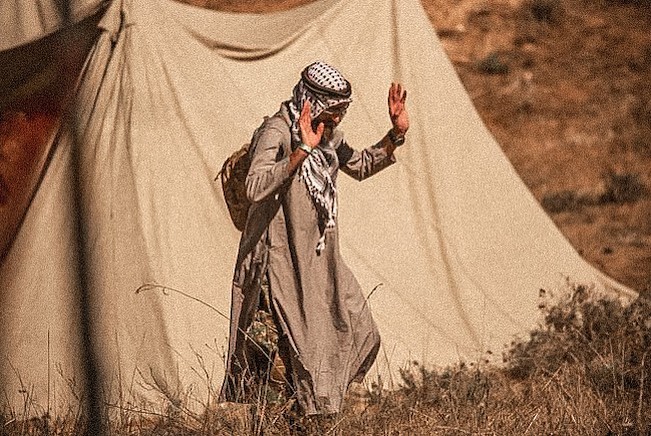
| Movement across the frame | Raised hands, walking bodies, active gestures | Adds immediacy and makes the image feel live | Capture the moment when a group is transitioning or reacting, not only standing still |
| Documentary markers | Corner logos, watermark, and date stamp | Signals event-record rather than polished campaign imagery | Preserve relevant documentary marks when the image is meant as an event record |
Aesthetic Read: Why It Feels Like A Real Event
The image feels real because it is not overcomposed. The light is harsh, the ground is dry, people overlap, and the frame contains logos and watermarks. Those are all cues of event photography rather than controlled editorial production. In this context, that is a strength. The photo’s purpose is to document a scene with enough accuracy and energy that the viewer can understand it quickly.
The tents also organize the image visually. They provide a stable backdrop that contrasts with the motion of the people in front. That is a useful documentary principle: static structures make moving groups easier to read.
| Observed | Why It Matters | How To Recreate |
|---|
| Tents anchoring the center background | Stabilize the frame and define the event zone | Use camp or venue structures as the visual spine of the image |
| Mixed costume and tactical attire | Instantly communicates staged scenario or reenactment context | Keep visually different participant groups in the same frame |
| Dry hillside terrain | Adds realism and location-specific atmosphere | Let the terrain remain visible instead of cropping too tightly |
| Harsh midday light | Feels truthful to outdoor event conditions | Do not over-correct the light if the image’s value is documentary realism |
Best Use Cases And Transfers
- Event recap pages: Ideal for documenting outdoor tactical, simulation, or themed group events.
- Scenario-based storytelling: Strong when the image needs to explain both participants and setting at once.
- Photojournalistic reference pages: Useful for showing how context-rich images outperform isolated subject shots in some situations.
- Not ideal for character-led thumbnails: The scene is too distributed and group-based for a single-person hook.
- Not ideal for polished brand campaigns: The power of the image is realism, not visual perfection.
Three transfer recipes
- Keep: wide event framing, camp structures, mixed participant roles. Change: event type or location. Slot template: {event type} {camp backdrop} {participant contrast} {terrain}
- Keep: documentary realism and visible movement. Change: scale of crowd, wardrobe types, and weather. Slot template: {group size} {role cues} {outdoor conditions} {reportage tone}
- Keep: one stable background structure and one moving crowd. Change: genre from tactical simulation to festival reenactment, historical camp, or training exercise. Slot template: {genre} {background anchor} {motion cue} {authenticity markers}
Prompt Technique Breakdown
| Prompt chunk | What it controls | Swap ideas (EN, 2-3 options) |
|---|
| wide outdoor documentary photo of a camp event with multiple participants | Main scene type | 'event reportage shot', 'camp documentary scene', 'outdoor group reenactment photo' |
| beige tents on a dry hillside | Environmental anchor | 'field camp tents', 'temporary event shelter setup', 'outdoor operation tents' |
| mix of robed participants and tactical participants | Role contrast and scenario legibility | 'contrasting participant groups', 'costumed reenactors and operators', 'scenario-role camp attendees' |
| bright harsh daytime sunlight | Truthful outdoor event realism | 'midday field light', 'clear harsh sun', 'unfiltered outdoor reportage light' |
| logos and watermark visible in the frame | Event-record authenticity | 'documentary corner logos', 'photo watermark', 'dated event image marks' |
Execution Playbook
Lock three things first: the tents, the mixed participant groups, and the documentary-wide framing. Those are the contextual anchors. Then iterate one variable at a time. First version: establish the scene layout and movement direction. Second version: refine the wardrobe contrast between the participant groups. Third version: tune the visibility of documentary marks like logos or date stamps. Fourth version: only then adjust crop or color balance. That sequence keeps the image functioning as an event record instead of drifting into generic outdoor crowd photography.