Why nataliafadeev's Open Field Milsim Team Approaching Tent Camp Went Viral — and the Formula Behind It
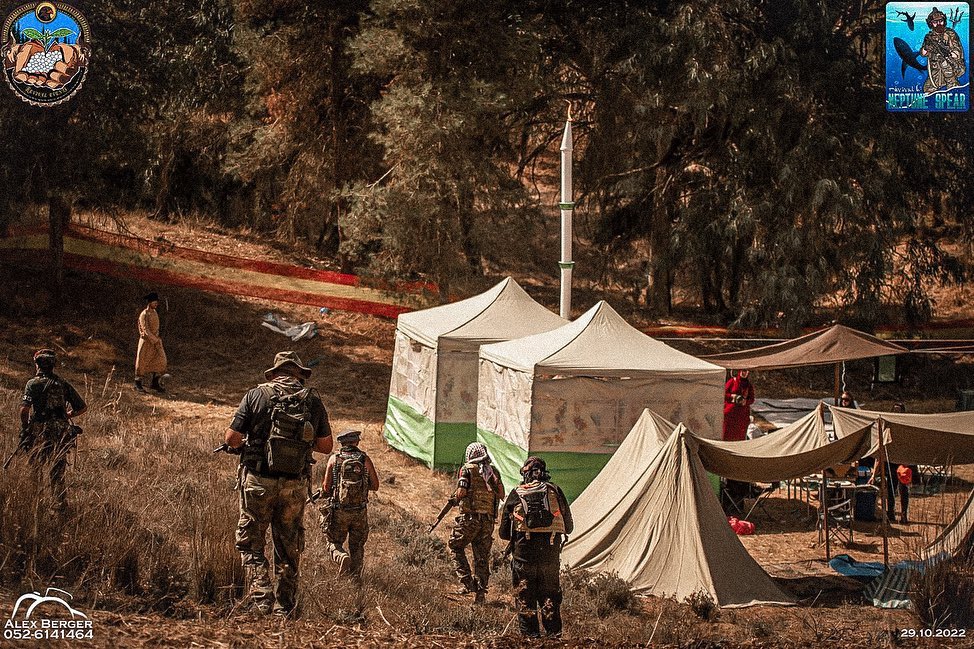
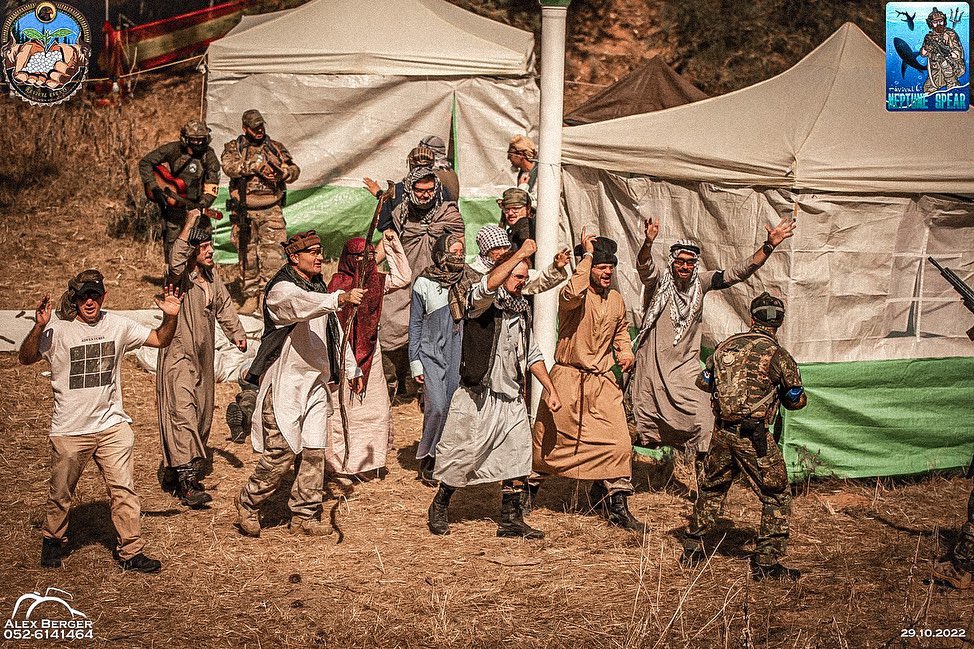
This image works because it captures movement before the climax instead of trying to fake the climax itself. Nobody is firing, nobody is posing for the camera, and the camp is still intact in the frame. That restraint makes the scene feel more believable and more useful for storytelling than a generic “operator” portrait.
The wide composition also matters. You can see the relationship between players, terrain, and objective. That makes the image read like mission coverage, not costume display. For milsim content, that difference is important because credibility comes from spacing, route choice, and environment, not only from gear.
| Signal | Evidence (from this image) | Mechanism | Replication Action |
|---|
| Mission-in-progress framing | The squad is approaching the tent camp rather than standing still | Creates narrative tension without needing action effects | Capture or prompt the approach phase, not only the confrontation |
| Real terrain context | Dry grass slope, trees, and tent structures all remain visible | Makes the scene feel event-specific and grounded | Include landscape and objective in the same frame |
| Team spacing | The players are spread naturally across the slope | Suggests actual movement and teamwork instead of posing | Vary the distances between players rather than bunching them together |
| Documentary distance | The camera observes from a slight elevation instead of joining the action | Adds authenticity and overview clarity | Use a slightly elevated observer angle for larger milsim scenes |
Where this aesthetic fits
This format is ideal for event recaps, team photo dumps, mission breakdown posts, milsim highlight galleries, and long-form creator pages that want more than glamorous close-ups. It is especially useful when the audience values realism, teamwork, and field context.
It is less ideal for identity-first influencer content or weapon-detail showcases. The frame is about group movement and environment, not face recognition.
| Observed | Recreate evidence |
|---|
| Wide tactical geography | Show the route, the objective area, and the team in one image |
| Natural event messiness | Keep tents, uneven ground, and practical camp shapes rather than perfect symmetry |
| No fake action FX | Let the tension come from movement and distance, not smoke or muzzle flash |
| Back-view anonymity | Use rear-facing players so the image feels operational instead of performative |
| Earth-tone palette | Lean into beige grass, olive gear, canvas tents, and dark tree lines |
Transfer recipes
- CQB staging remix: Keep the documentary angle and team spacing. Change the tents into an urban training compound. Slot template:
{terrain}, squad approaching objective, wide event-photo view, realistic tactical spacing - Forest patrol remix: Keep the rear-view movement and no-action restraint. Replace the camp with a forest checkpoint or barricade. Slot template:
{woodland setting}, team advance, objective in distance, observational photo style - Post-apoc game remix: Keep the same geography and group logic. Change the camp styling into rusted scavenger shelters while avoiding explosions. Slot template:
{objective area}, squad movement documentary shot, grounded survival atmosphere
Prompt technique breakdown
| Prompt chunk | What it controls | Swap ideas (EN, 2-3 options) |
|---|
| Squad block | Defines the scene as team movement rather than solo portraiture | small squad advancing, spaced tactical team, rear-view players moving downhill |
| Objective block | Keeps the image narratively focused | tent camp objective, field encampment, temporary canvas shelter cluster |
| Terrain block | Sets realism and event specificity | dry grassy slope, scrub field, dusty open terrain with brush |
| Camera block | Protects the documentary overview feeling | slightly elevated observer angle, wide event shot, distant mission coverage |
| Realism block | Prevents action-movie drift | no explosions, no cinematic combat, realistic milsim event photo |
Execution playbook
Lock the squad count, the tent camp, and the elevated wide framing first. Those three choices make the scene legible. Then iterate carefully.
- Run 1: solve the geography so the players and camp read clearly in one frame.
- Run 2: refine team spacing and the rear-view movement pattern.
- Run 3: tune tent shapes, canopies, and background tree density.
- Run 4: remove any fake overlays, logos, or overdone combat effects.
The main failure mode is over-cinematizing it. This image works because it looks like real field documentation, not an action poster.