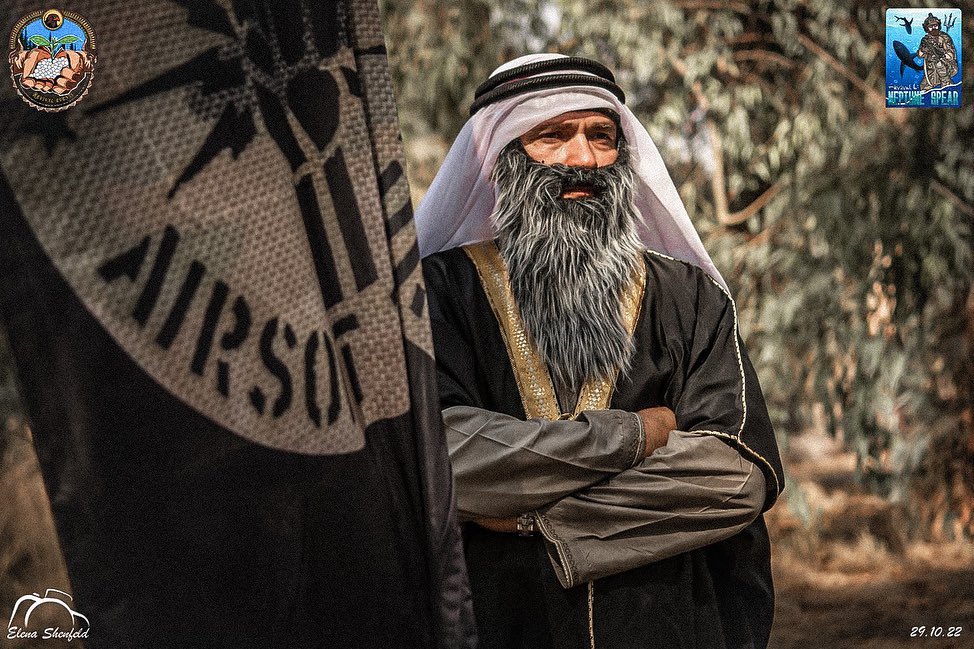
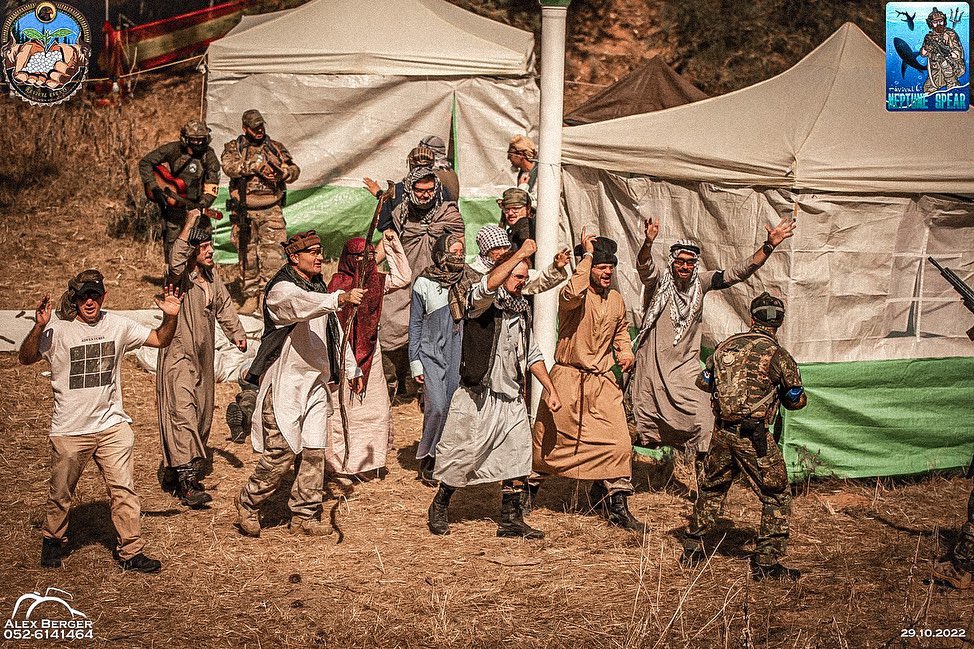
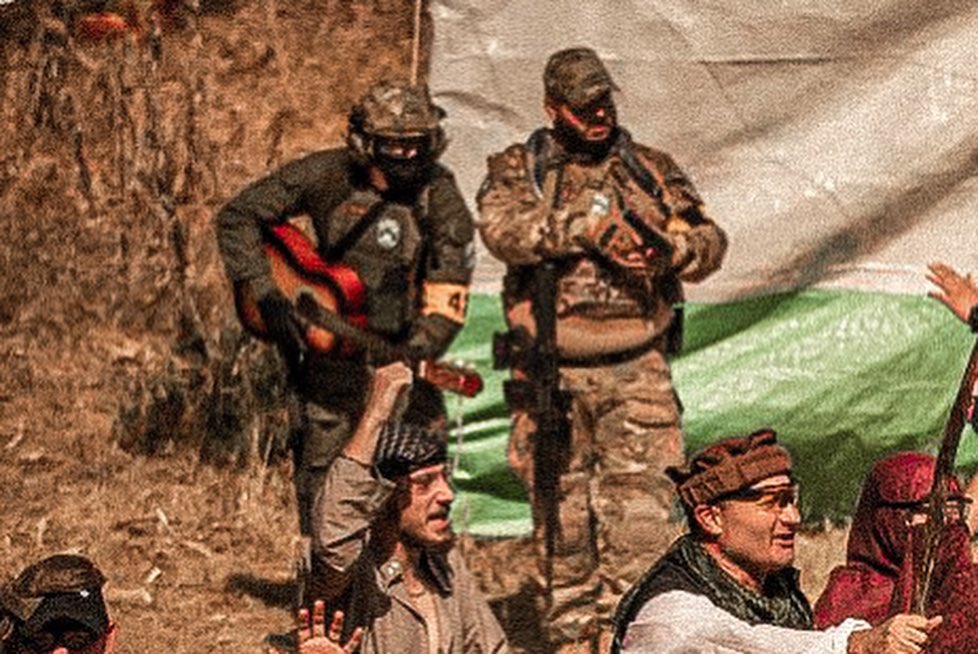
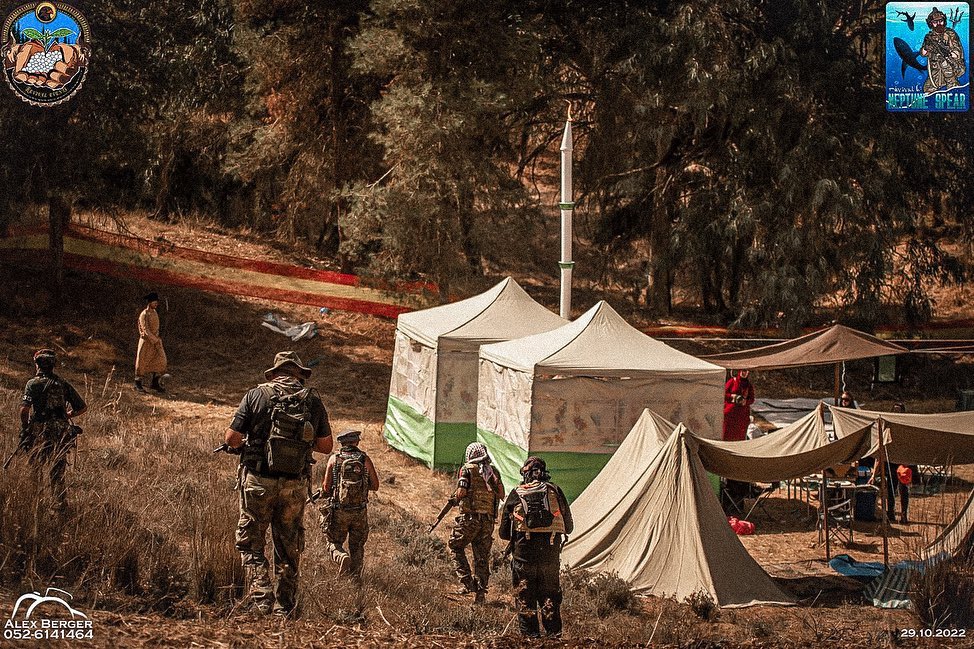
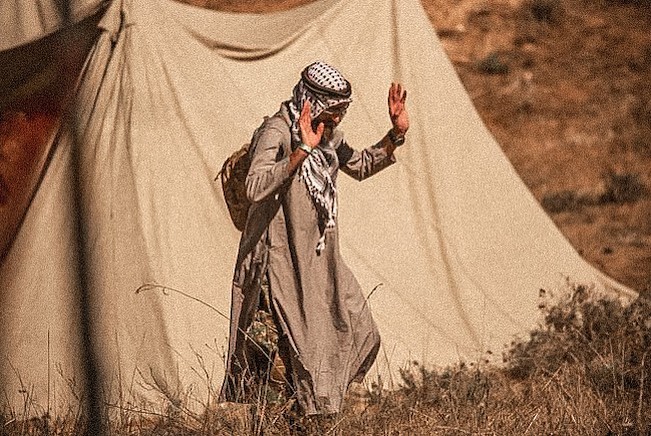
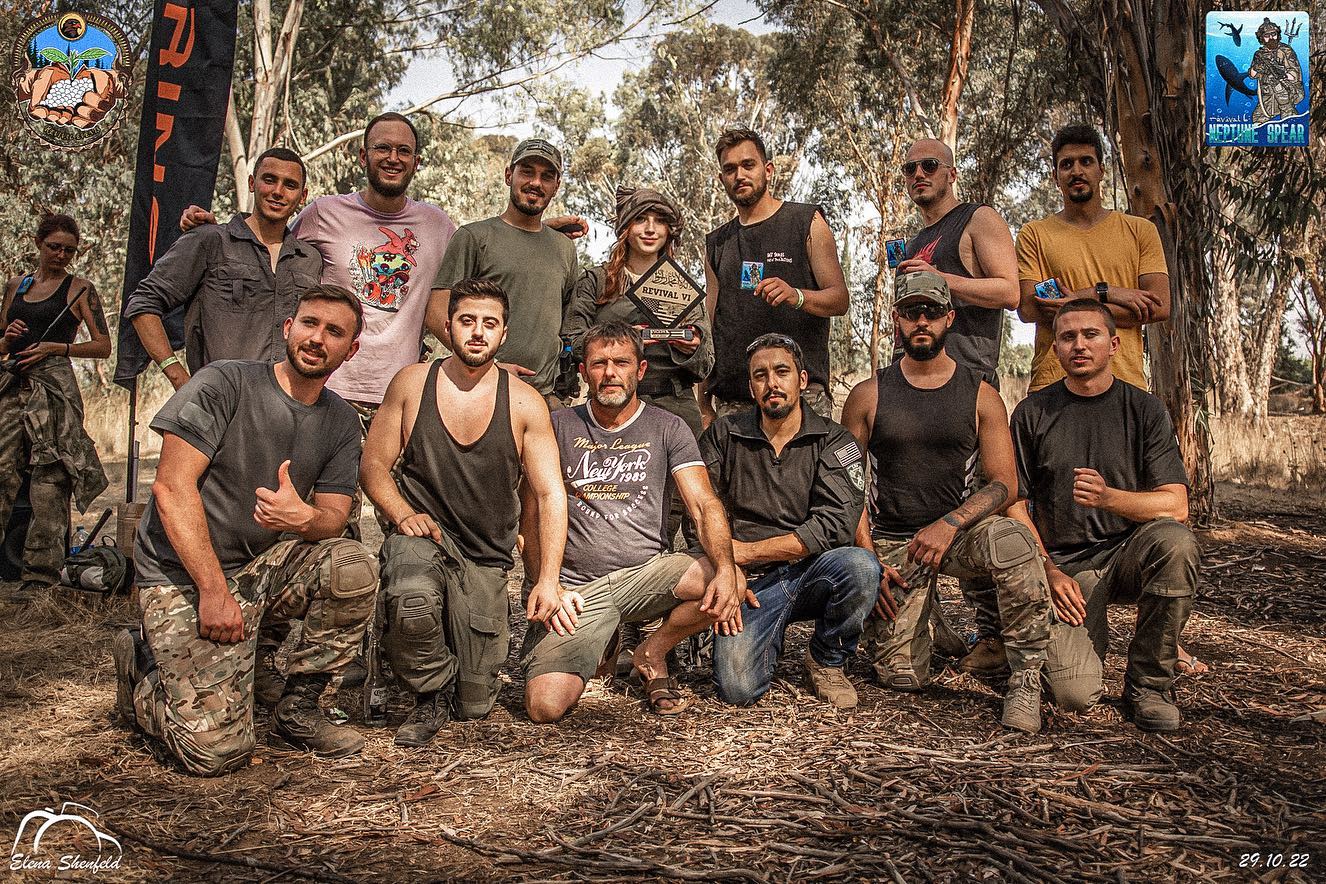
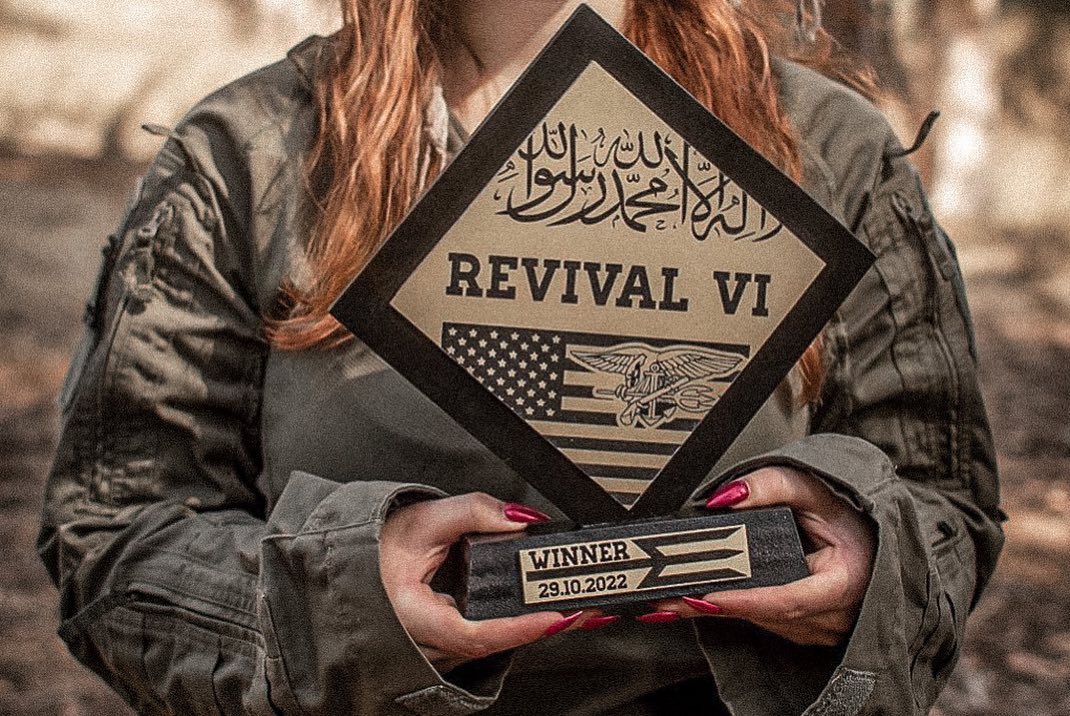
Operation Neptune Spear - The hunt for UBL photo dump 🔱
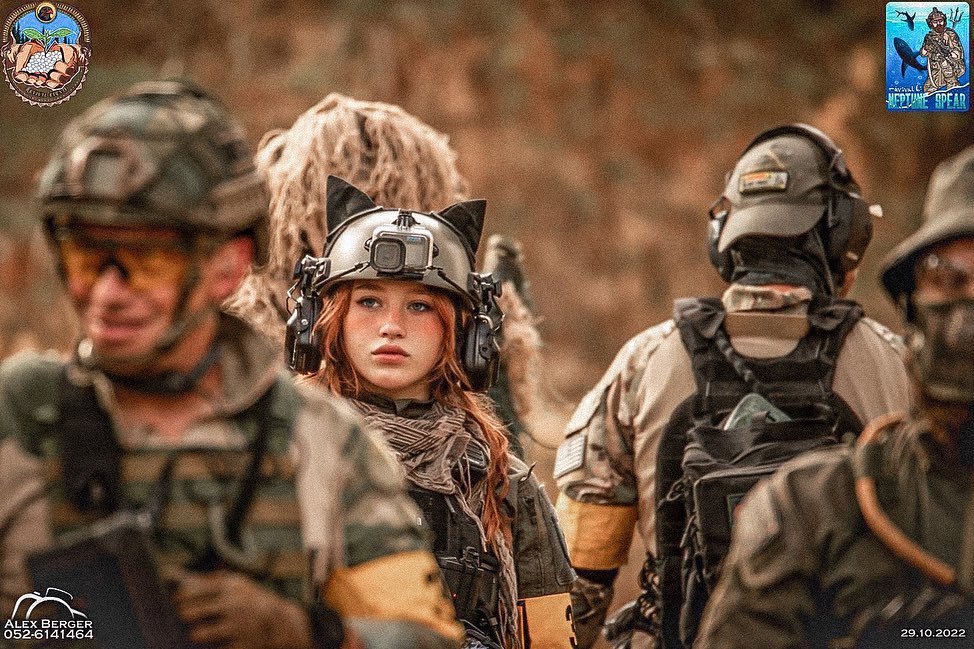
our last milsim event had so much fun with my team @s.o.g_airsoftteam
we successfully accomplished the mission with a great team work! 💪 do you like big Milsim events? or rather practice in CQB? I mostly participate in cqb trainings but it’s nice to test my skills in an open field sometimes especially since I use LMG so I’d say I balance between the two 🫡
How nataliafadeev Created This Milsim Team Ghillie Photo AI
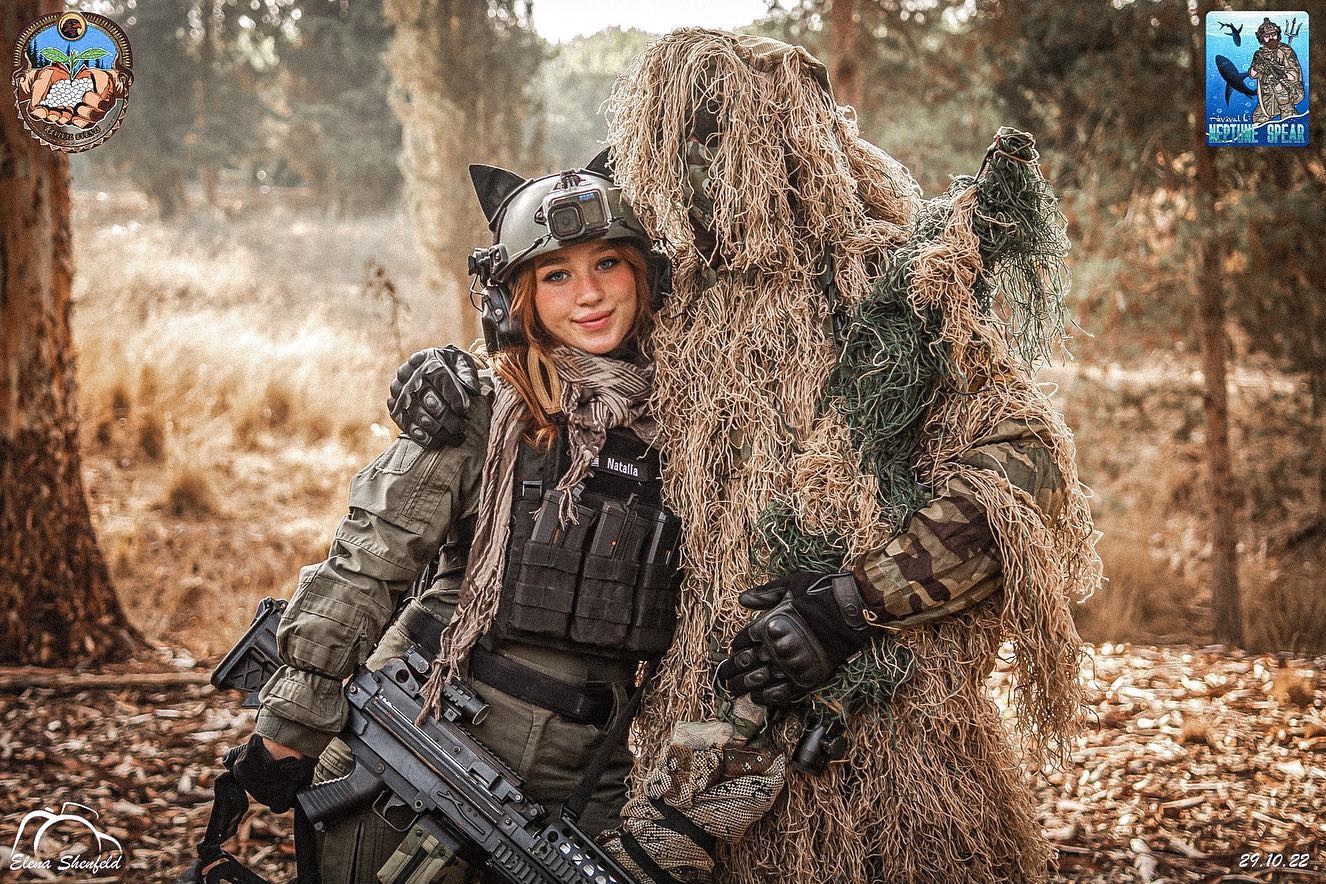
This image works because it is not trying to be a battle scene. It is a field memory. The frame captures two teammates after or between action, and that distinction matters. One person is fully readable: a smiling young woman in tactical gear with a rifle held low. The other is almost unreadable: a teammate swallowed by a dense ghillie suit. That pairing creates immediate visual interest without needing any combat theatrics.
The strongest choice here is emotional contrast. The woman feels approachable, calm, and pleased with the moment. The ghillie-suited teammate feels anonymous, heavy, and mission-oriented. Those two energies share one frame and make the picture feel lived-in rather than staged. It reads like something from a real event album, which is exactly why it feels convincing.
The woodland environment also does useful work. Dry grass, trees, and soft natural light give the image a believable training-ground context. The setting supports the gear rather than competing with it. Nothing in the background is trying to become the story. The story is the team itself.
Why This Team Portrait Feels Real
Most failed tactical AI images lean too hard in one direction. They either become glossy costume content or pseudo-war cinema. This frame avoids both problems. It feels specific because the gear has texture and role clarity, but it feels human because the expression and body language are relaxed. The rifle is present, but it is not the point. The ghillie suit is dramatic, but it is not treated like a monster costume. The image stays grounded in social-documentary logic.
That documentary logic is what makes the post portable across audiences. Tactical enthusiasts can appreciate the gear read. General viewers can still understand it as a friendly event photo. The picture does not require insider knowledge to work; it only becomes richer if you already recognize the milsim cues.
Signal
Evidence in this image
Why it works
Replication move
Role contrast
Visible female operator next to nearly faceless ghillie teammate
Two very different tactical silhouettes make the frame instantly memorable
Pair one readable character with one heavily concealed one
Friendly body language
Shoulder-to-shoulder stance and relaxed touch
Camaraderie feels more believable than aggressive posing for this concept
Stage the pair like teammates taking a field souvenir photo
Specific tactile cues create authenticity without overexplaining
Prompt concrete material details instead of vague “military gear” wording
Natural setting support
Dry woodland with warm daylight and simple depth
The environment reinforces the scenario without turning into scenery porn
Use a recognizable training-ground landscape with restrained background detail
Best Use Cases for This Image Logic
This style is ideal for milsim recaps, tactical-team photo dumps, creator pages that mix gear culture with personality, and AI concepts that need field realism without full combat escalation. It is especially good when the goal is to imply shared mission history rather than a single dramatic hero shot.
Best fit: event recap posts. The image reads like part of a real album from a scenario weekend.
Best fit: team identity content. The pose communicates cooperation instead of lone-wolf posturing.
Best fit: ghillie-centered concepts. The second figure adds a unique silhouette that most tactical portraits lack.
Best fit: gear realism training. The frame lets you practice fabric, webbing, and camouflage texture all at once.
Best fit: creator-tactical crossover pages. The human smile prevents the image from becoming cold or propagandistic.
What Must Stay Locked
The frame falls apart if you lose either the smile or the ghillie mass. Those are the two poles of the composition. One creates human accessibility. The other creates visual drama. Remove either one and the image becomes just another tactical snapshot.
Core element
Function
If lost
Prompt repair
Visible smiling operator
Provides emotional warmth and face-level connection
The image becomes anonymous and cold
"young woman with soft smile in tactical helmet and vest"
Dense ghillie silhouette
Creates the unusual visual hook
The photo looks generic and loses role contrast
"second teammate fully covered in shaggy ghillie suit"
Relaxed teamwork pose
Makes the scene read as field memory instead of threat display
The image becomes stiff or hostile
"friendly shoulder-to-shoulder milsim portrait"
Woodland environment
Supports the camouflage logic and mission feel
The scene loses coherence
"dry forest training area, trees and leaf-littered ground"
Prompt Technique Breakdown
The safest way to prompt this scene is to divide it into roles instead of objects. First define the smiling female operator. Then define the ghillie teammate. Then define their interaction. Only after that should you define gear and environment. This ordering matters because otherwise the model often generates a pile of tactical accessories with weak human logic.
Prompt chunk
What it controls
Useful EN swap options
Primary operator
The face, expression, and viewer connection
smiling female tactical player; young operator with helmet cam; warm field portrait subject
friendly team pose; arm around shoulder; mission-accomplished photo
Gear specificity
Why the image feels authentic instead of costume-generic
helmet-mounted action camera; black plate carrier; scarf and gloves; rifle held low
Field setting
The environmental realism
dry woodland clearing; open-field milsim terrain; warm trees and grass
The main drift risk is that the model turns the frame into actual warfare. Counter that early with words like “milsim event,” “airsoft team portrait,” and “field photo dump.” That keeps the picture in the space of recreation and documentation.
Execution Playbook
Start with the pair and the emotional read. If the two teammates already look believable together, the rest is refinement. Once the relationship is stable, solve the ghillie texture. Then lock the helmet camera, scarf, and rifle. Save the background for last because the woodland context is supportive, not primary.
Run 1: Generate exactly two teammates in a warm woodland setting, one smiling woman and one ghillie-covered partner.
Run 2: Add the shoulder-to-shoulder team pose and keep the rifle low and non-threatening.
Run 3: Refine helmet attachments, scarf folds, vest structure, and glove detail.
Run 4: Increase the realism of the ghillie fibers until the silhouette feels heavy and tactile.
Run 5: Clean up the background so it stays woodland-specific without pulling focus away from the pair.
If the image feels too aggressive, reduce the weapon emphasis and strengthen the friendly posture. If it feels too soft, thicken the gear structure and ghillie texture rather than adding fake cinematic drama. The strongest version stays documentary, grounded, and team-oriented.